You can use shaving cream with electric razors, but only if your model supports wet shaving through waterproof construction. Dry-only razors risk permanent damage from moisture exposure. If your device permits wet shaving, apply thin cream layers—thick foams clog mechanisms and reduce efficiency. Allow the cream to soften bristles for 2-3 minutes before shaving, then reapply every few strokes. Proper technique matters greatly; understanding your specific razor’s capabilities determines whether cream enhances or compromises your results.
Can You Use Shaving Cream With an Electric Razor?
Can you use shaving cream with an electric razor? Yes, but only with waterproof models designed for wet and dry use. Dry-only razors suffer permanent damage when exposed to moisture and cream, as these substances clog blades and compromise internal mechanisms.
Modern waterproof electric razors like the Panasonic Arc 5 ES-LV65 accommodate wet shaving techniques effectively. Cream provides superior lubrication, enabling blades to contact skin more closely and deliver smoother results than dry shaving alone. Warm water helps to open pores, leading to a more comfortable shaving experience with fewer razor bumps. For those with sensitive skin, choosing razors with mild blade formulations can further reduce irritation and prevent ingrown hairs and razor burn****.
For ideal electric razor care, apply tube creams rather than canned foam, which leaves residue buildup. Thicker, creamier formulations lather easily and reduce irritation, razor burn, and ingrown hairs. Waterproof models like the Philips Norelco Bodygroom 7000 excel at wet and dry use for close, safe trims. Always verify your razor’s waterproof rating before attempting wet shaving techniques to prevent equipment failure.


PROTECT YOUR SKIN – Delivers a smooth, close and comfortable shave

Unique OneBlade Technology delivers a fast, clean shave while caring for skin for first-time shavers.
Does Your Electric Razor Support Shaving Cream?
Before applying shaving cream to your electric razor, you’ll need to determine whether your specific model supports wet shaving. Razor compatibility hinges on waterproof construction and sealed battery design. Wet/dry models like the Philips Norelco Shaver 4100 and Panasonic Arc 5 ES-LV65 accommodate shaving cream effectively. Conversely, dry-only razors—particularly older plugged-in variants—prohibit cream exposure entirely, risking permanent equipment damage.
When your razor supports wet shaving, cream thickness matters considerably. Apply thin, light layers of tube-based products like Nivea or Proraso rather than thick aerosol foams, which promote clogging. Allow cream to sit briefly, softening bristles before shaving. Products like Cremo shaving cream are particularly notable for their slickness and suitability with wet/dry shavers. This approach reduces friction, prevents blade residue accumulation, and minimizes skin irritation while extending your shaver’s operational lifespan. For sensitive skin users, foil shavers with protective guards offer additional benefits by limiting blade contact and reducing micro-trauma during the shaving process. For additional maintenance, consider applying light mineral oils periodically to keep blade mechanisms operating smoothly.
Which Creams and Gels Won’t Wreck Your Shaver?
What separates a shaver-friendly product from one that’ll damage your equipment? Viscosity and residue composition. Thin gels form micro-barriers that reduce friction while rinsing instantly—they won’t clog your foils or hinder blade movement. Cream types like Speick or Jack Black Shaving Lube provide superior lubrication without the dense, airy structure that traps debris in shaver heads. For additional scalp protection, consider products with natural carrier oils that minimize irritation while maintaining equipment safety.
You’ll want to avoid thick foams entirely; their opaque formulas and pillowy texture obstruct electric mechanisms. Instead, gel options deliver low-residue performance ideal for wet/dry razors, which are also available as specialized grooming tools for sensitive body areas. Apply a thin, light layer and let it sit briefly to soften bristles. This approach maximizes closeness on short facial hair while maintaining equipment integrity. Always verify your razor’s wet/dry compatibility before application. Following proper usage of shave cream depends on razor type to ensure optimal results without compromising your equipment’s performance.

DYE AND FRANGRANCE FREE: this shaving gel for women is specially designed for sensitive skin, made without elements that can irritate skin, like dyes and fragrances
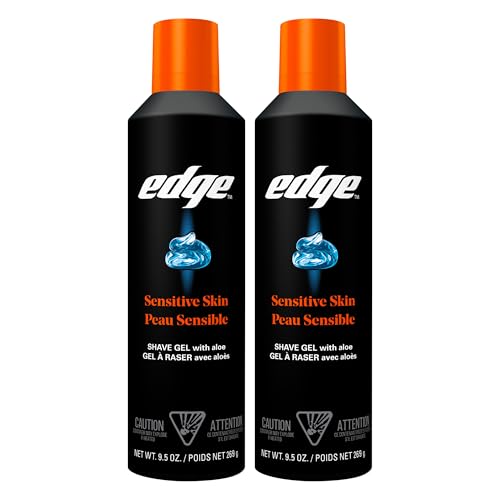
SENSITIVE SKIN PROTECTION: With Edge sensitive skin shaving cream for men, enjoy protection from nicks and cuts thanks to its effective formulation
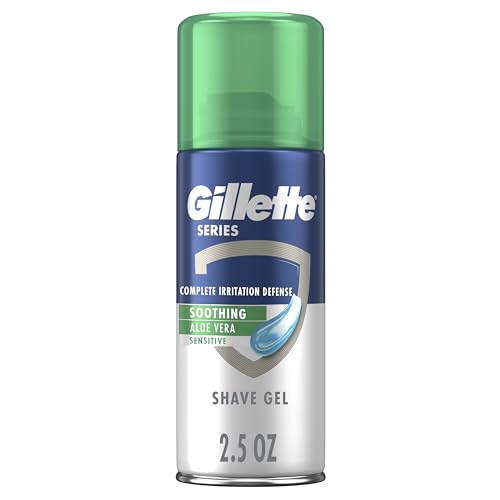
COMPLETE IRRITATION DEFENSE: Gillette Series helps protect sensitive skin from the signs of shaving irritation: helping to reduce cuts, redness, burning, stinging, and tightness.
Applying Cream for Better Results
Now that you’ve selected a shaver-compatible product, proper application directly determines shave quality and equipment longevity. You’ll apply a thin layer—excess cream clogs blades and creates barriers between the shaver and skin. Massage the product deeply into coarse hair to lift stubble effectively.
Allow the cream to sit for 2-3 minutes. This waiting period softens hairs and permits lubrication activation, enhancing glide and reducing pulling during shaving techniques. You’ll notice improved friction reduction across your skin. The moisture from shaving cream aids in achieving a closer, painless shave and lowers the chance of skin irritation. For optimal results with coarse hair types, consider using a trimmer with powerful cutting performance to complement your shaving cream application.
During your shave, reapply the product 3-4 times mid-shave to maintain sustained lubrication importance. Rinse your razor between strokes to clear excess gel and debris. This methodology prevents nicks, irritation, and razor burn while delivering smoother results on sensitive skin areas. Models like the Panasonic ER-GB42 offer precise 0.5mm bare blade cuts that work effectively when combined with proper shaving cream application techniques.

PROTECT YOUR SKIN – Delivers a smooth, close and comfortable shave

INFUSED WITH ALOE: Gillette Sensitive Shaving Gel infused with aloe helps soothe skin during shaving

POWER SHAVE GEL: Clinically tested on sensitive skin, our lubricating, performance-based shaving gel helps prep your head and face for a close, clean, and comfortable shave.
Cream Application Mistakes That Ruin Electric Razors
Common application errors compromise both shave quality and razor longevity. Cream overuse creates a barrier between the shaver head and your skin, preventing the close contact necessary for effective cutting. Thick layers obstruct the foils and cutters, reducing shaving efficiency considerably.
Clogging issues arise when you apply excessive cream amounts. The buildup accumulates in your shaver’s internal mechanisms, becoming difficult to rinse completely. Classic aerosol foams designed for manual razors prove particularly problematic—their opaque, airy texture blocks visibility for precision work while insulating rather than lubricating electric shaver components. Without adequate lubrication and reduced friction, your skin becomes susceptible to razor burn and heat rash that compromise both comfort and skin health.
You’ll experience diminished performance and potential equipment damage from moisture saturation. Apply only a thin layer on wet/dry models, or avoid cream entirely on dry-only devices. Quality post-shave care, including balms and astringents, can further protect your skin from irritation. Proper technique maximizes both shaving results and device lifespan.
When Dry Shaving Outperforms Wet Shaving
While wet shaving delivers marginally closer results, dry electric shaving outperforms in nearly every practical dimension that impacts your daily routine. You’ll experience electric shaver efficiency through reduced preparation time—no water, creams, or gels required. Dry shaving benefits extend to versatility; you’re not tethered to sink access, enabling shaving anywhere from airplanes to tents.
Your skin tolerates dry shaving better than wet methods. Electric shavers cut hair above the skin surface, eliminating the exfoliation layer removal that causes irritation, razor burn, and ingrown hairs. You’ll notice fewer nicks and cuts compared to blade risks. Electric razors come in multiple designs, including rotary and foil models, each offering different maneuverability for various facial contours and preferences. Foil shavers are particularly effective for those prone to razor bumps and ingrown hairs. Proper maintenance like regular blade replacement and light pressure technique significantly reduces irritation risks.
Though sacrificing ultimate closeness, you gain everyday practicality. Your skin adapts within one month, while maintenance becomes remarkably simple. For time-constrained routines, dry shaving delivers superior efficiency without compromising skin health.