You’ll get roughly 5–6 shaves from a standard safety razor blade before it dulls noticeably. However, your actual mileage depends on several variables: coarser hair demands replacement after just 1–2 shaves, while finer hair extends usage to 6–7 shaves. Skin sensitivity and blade material quality—particularly grade 316L stainless steel with platinum coatings—also impact longevity greatly. Your shaving technique and maintenance habits play equally critical roles in maximizing blade performance. Understanding these factors reveals substantial opportunities for extending your blade life considerably.
The Standard Lifespan: 5–6 Shaves Per Blade
Most safety razor blades deliver peak performance for 5–6 shaves before you’ll notice a decline in sharpness and cutting efficiency. This standard lifespan reflects what daily shavers experience when using a three-pass shaving technique—with grain, across grain, and against grain.
Your blade degradation follows predictable patterns with consistent daily usage. The three-pass method accelerates wear because each pass creates friction and resistance against your facial hair. Coarser hair types dull blades faster, potentially reducing lifespan to five shaves, while finer hair may extend performance closer to six. Safety razor blades excel at preventing ingrown hairs and skin irritation compared to multi-blade systems because their single sharp blade cleanly cuts hair without tugging or scraping skin layers.
Proper blade maintenance and shaving technique directly influence how long your blade remains effective. Applying reduced pressure during passes decreases edge wear. Regular rinsing and drying after each shave preserve sharpness, helping you maximize those critical five to six shaves before replacement becomes necessary. Just as clipper-specific oil extends the lifespan of grooming tools, proper storage and care extend razor blade longevity. Storage in dry conditions further protects your blade from oxidation and corrosion that can prematurely dull the edge.

Model Number: ASTRA01

Sharp and precise – These double edge razor blades are designed to be sharp and precise to provide you with the ultimate shaving experience. Say goodbye to ingrown hairs, irritation and razor bumps thanks to these safety razor blades.

Sharp and precise – These double edge razor blades are designed to be sharp and precise to provide you with the ultimate shaving experience. Say goodbye to ingrown hairs, irritation and razor bumps thanks to these safety razor blades.
Why Blades Dull: Friction, Hair Resistance, and Steel Fatigue
Your safety razor blade dulls through a combination of interconnected mechanical and chemical processes that work simultaneously during every shave. Friction from repeated skin contact deforms your blade’s edge, while coatings like PTFE gradually wear away, reducing glide efficiency. Your shaving technique directly impacts dulling rates—excessive pressure and improper angles accelerate steel fatigue and edge rolling.
Hair resistance compounds these issues. Coarse facial hair demands greater cutting force than fine hair, shortening blade lifespan considerably. The three-pass technique multiplies resistance across multiple angles, intensifying wear. Simultaneously, corrosion from soap residue, skin oils, and moisture exposure weakens your steel’s molecular structure through oxidation and pitting.
Effective blade maintenance—rinsing thoroughly and drying immediately post-shave—mitigates corrosive dulling. Many environmentally conscious brands support proper disposal methods through dedicated blade banks or take-back programs to prevent environmental waste. Proper shaving technique, using minimal pressure and correct angles, preserves your blade’s integrity longer. Different blade types perform differently depending on their steel composition and coatings, so matching the right blade to your skin and beard characteristics optimizes longevity. Just as sensitive skin care requires specific equipment considerations, maintaining optimal blade performance depends on adapting your technique to your individual beard characteristics and skin type.
Stainless Steel and Ceramic Coatings: Why Premium Materials Last Longer
While understanding how blades dull reveals the mechanical realities of shaving wear, the material composition and surface treatments you choose determine how effectively your razor resists these degradation processes. Grade 316L stainless steel outperforms lower grades in corrosion resistance, particularly in wet environments. The coating benefits you receive depend on your selection: platinum coatings reduce friction and extend blade life considerably, PTFE (Teflon) minimizes wear from hair resistance while preserving edge sharpness, and chrome provides balanced corrosion protection for daily use. Proper cleaning and maintenance after each use prevents build-up of old shaving cream, hair, and skin oils that accelerate corrosion and reduce blade performance. Much like the precision engineering found in modern beard grooming tools, safety razor blades benefit from careful manufacturing standards that ensure consistent edge quality and durability. This material comparison reveals that premium blades deliver 5-7 shaves minimum, with coated options extending performance remarkably. Just as electric razors with advanced foil designs prevent direct blade contact with skin to reduce irritation, safety razor blade coatings similarly minimize skin irritation through their protective surface treatments. You’ll notice reduced irritation and longer intervals between replacements when investing in higher-grade stainless steel paired with protective coatings.
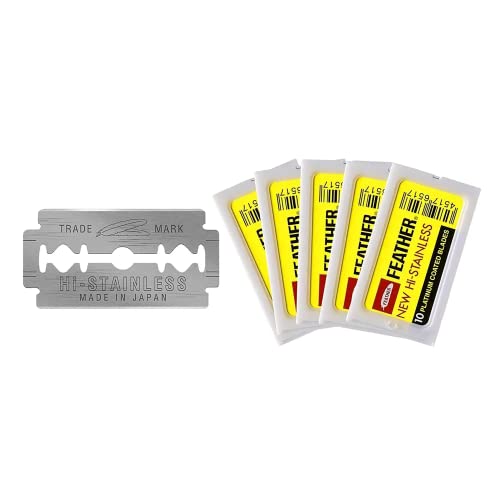
Fifty Count Of Double Edge Razor Blades; Our Razors For Men Feature A Fifty Count Of Double Edge Razor Blades; Feather Razor Blades Are Extremely Sharp And Will Give You A Great Shaving Experience

Sharp and Precise- Highest quality edging blades for a precise and clean shave.
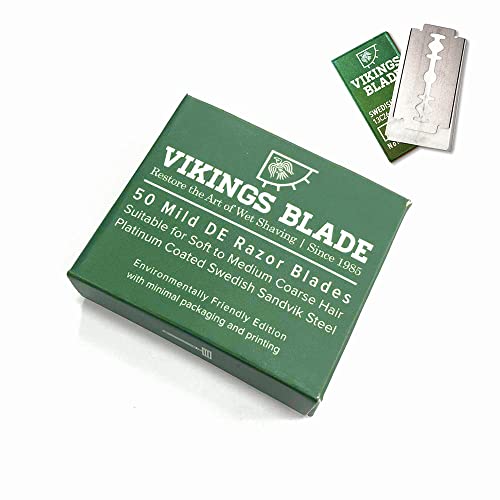
SMALL BUSINESS: This product is from a small family business brand. Support small
Does Your Hair Type or Skin Condition Demand More Frequent Replacements?
Because facial hair and skin characteristics vary considerably across individuals, blade longevity doesn’t follow a universal timeline—it’s determined largely by how aggressively your specific hair type stresses the edge and how your skin condition responds to blade wear. Coarse or thick hair dulls blades in 1-2 shaves, while fine hair extends longevity to 6-7 shaves. Your shave frequency must adjust accordingly. Skin sensitivity further complicates matters—scarred or uneven skin accelerates dulling and demands replacement every 5 shaves minimum to prevent irritation and ingrown hairs. Irritation-prone skin types tolerate only 1-2 comfortable uses before pulling sensations signal replacement. Premium blade materials mitigate these effects, but ultimately, your hair and skin characteristics dictate replacement intervals far more than material alone. Blade options like Kai and Perma-Sharp are specifically designed to suit coarse hair on sensitive skin while maintaining edge retention. Proper maintenance and storage practices, such as drying blades after each use, can help extend blade lifespan and reduce the frequency of necessary replacements. Recognizing your personal growth in grooming habits and developing self-awareness about your skin’s unique needs will help you establish the optimal replacement schedule for your individual situation.

SMALL BUSINESS: This product is from a small family business brand. Support small

THE SMOOTHEST SHAVE for both men & women – Significantly reducing ingrown hair, skin irritations and razor burn often experienced with plastic cartridge razors, helping you finally achieve the smoothest, cleanest and closest shave.
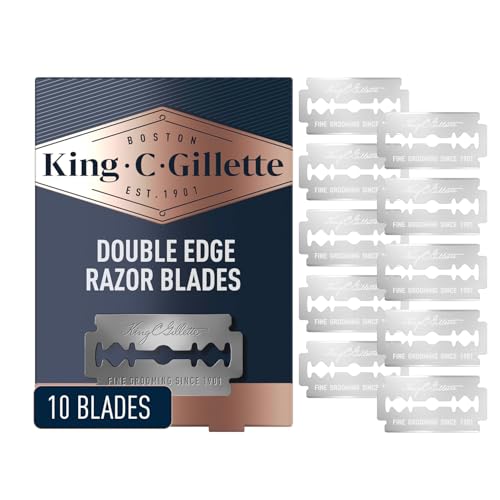
Stainless steel blades. Includes 10 High-Quality Platinum-coated stainless steel double edged razor blades to shape with accuracy
Four Daily Habits That Add Extra Shaves to Every Blade
Four daily habits dramatically extend blade longevity by reducing friction, preventing oxidation, and minimizing the mechanical stress that dulls edges prematurely. First, you’ll maximize shaves by showering before shaving—hot water softens facial hair and opens pores, decreasing resistance and blade strain. Second, apply quality shaving cream that provides superior lubrication, allowing smoother gliding and fewer passes. Third, rinse thoroughly between strokes during your shaving technique to remove hair and soap buildup that accelerates dulling. Fourth, implement proper blade maintenance by drying completely post-shave using a towel or hairdryer, then applying mineral oil weekly to create a protective rust-resistant layer, similar to how clipper oil protects grooming equipment from oxidation. Just as electric razors benefit from routine maintenance after every shave, safety razor blades require consistent care to prevent premature dulling and corrosion. These consistent practices compound over time, substantially increasing the total shaves you’ll extract from each blade. Storing your razor in a dry, ventilated area prevents rust formation and helps maintain blade integrity for extended use.