You’ll want to clean your blades first, removing all hair and debris with a brush and disinfectant. Then select clipper-specific oil—never substitute with WD-40 or cooking oils. Dispense 2-3 drops onto your top blade’s teeth, focusing on both sides and the middle. Turn on your clippers for 5-10 seconds with blades facing downward to distribute the oil evenly. Wipe away excess with a microfiber cloth. Oil before each use to maintain sharp blades and reduce friction. Understanding proper maintenance techniques will greatly enhance your clipper performance.
Clean Your Blades Before Oiling
Before you oil your clippers, you’ll need to clean the blades thoroughly to remove hair buildup and debris that can dull the cutting edges and cause pinching during use. Start with blade maintenance by brushing away loose hair and clippings using the stiff brush included with your clipper set, or substitute a new toothbrush if needed.
Next, dip your powered-on clipper blades into cleaning solution two to three times to extract embedded hair. Turn the clipper off afterward to prevent excess liquid entry. Wipe the blades with a soft cloth to remove loosened hair and solution residue, then brush again to eliminate remaining particles.
Finally, sanitize using disinfectant spray or 70% isopropyl alcohol, waiting two minutes for effectiveness. You can also use EPA-registered clipper spray disinfectants for professional-grade sanitation. Regular cleaning contributes to better clipper longevity by preventing rust and maintaining blade sharpness. Proper cleaning also removes debris that can interfere with even oil distribution when you apply lubricant to the blades. These cleaning tools and techniques prepare your blades for oiling.

【10PCS Quality Barber Accessories Cleaning Supplies】: These hair clipper blade cleaning brushes are made of high-quality plastic handle and nylon bristles, high quality ABS handle makes it easy to clean, perfect for travel or normal use at home or hair salon.
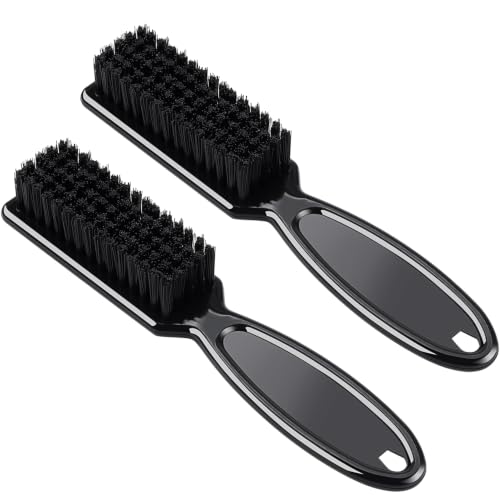
Sturdy Bristles: the cleaning brush can be applied as a brush for edges or to clean clippers and trimmers, study bristles make it nice for clipper cleaning, also suitable for fades and tapers

【Quality Brushes Set of 6】 These barber blade cleaning brushes are made of high quality plastic handle and nylon bristles, great for clipper and trimmer cleaning.
Choose Clipper-Specific Oil
Now that your blades are clean and sanitized, selecting the right oil becomes your next priority. You’ll find clipper oil benefits extend far beyond basic lubrication—specialized formulations provide heat resistance, friction reduction, and zero residue buildup that standard oils can’t match.
Avoid substitutes like WD-40, baby oil, or cooking oils, which damage clipper mechanisms or gum up blades. Instead, choose manufacturer-recommended options: Braun Professional Blade Oil, Wahl Premium Blade Lubricating Oil, or Andis Clipper Oil offer superior performance across most brands. Proper clipper oil ensures optimal performance and longevity of equipment by preventing wear, corrosion, and blade overheating. Most commercial clipper oils are formulated with white mineral oil as their primary base ingredient for optimal blade lubrication.
Evaluate oils by their lightweight formula, appropriate viscosity, and additive composition for anti-oxidation and anti-corrosion protection. Match your selection to your clipper’s blade material—stainless steel, titanium, or ceramic each have specific requirements. After selecting your oil, apply it to the joints and blade guide to maintain smooth operation between uses.
Understanding oil application techniques guarantees you maximize performance and blade longevity.
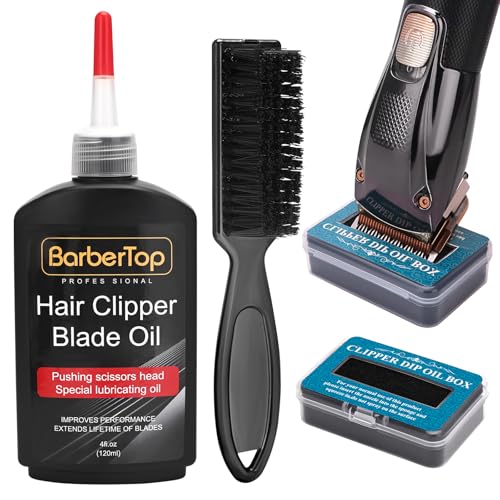
BarberTop: Our brand's Hair Clipper Oil is colorless and odorless, gentle on skin, rust-preventive, and cooling. It delivers convenient and efficient performance, significantly extending the lifespan of your tools.

Rust Prevention – Prevents rust from forming & helps extend the life of the clipper & blades; can also reduce the likelihood of blades becoming dull
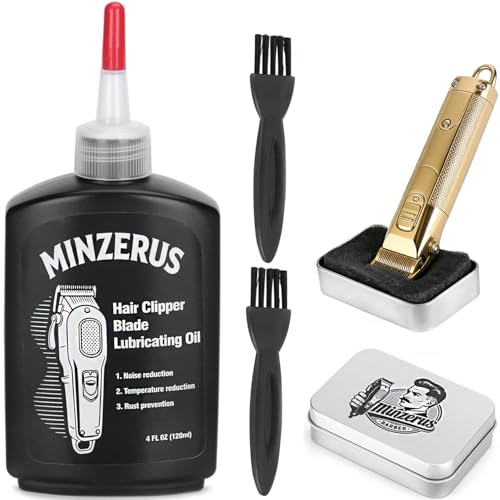
【1x Premium Lubricating Oil】Effectively reduces operating noise and temperature, lubricates internal components, prevents metal part rust, and extends the service life of electric clippers. This mild, skin-friendly mineral lubricant features low viscosity and strong penetration—no compromise to clipper performance during use.
Apply Oil to the Top Blade
With your clipper unplugged and blades facing downward, you’re ready to apply oil to the top blade. This oil application technique guarantees ideal clippers maintenance tips and performance.
Dispense 2-3 drops directly onto the top blade’s teeth, targeting three strategic points: both sides and the middle. Don’t forget the corners and foot of the blade. Place additional drops down the sides in the gap between the comb and cutter to reach hard-to-access areas. Oiling reduces friction between blades and prevents pulling and snagging during haircuts.
Precision matters here. A steady grip prevents wasteful spillage and directs oil exactly where it’s needed. This positioning keeps oil on the blades rather than running into the motor compartment, which would compromise internal components. Using mineral oil and corrosion-preventing ingredients found in specialized clipper oils helps extend blade lifespan and maintain optimal performance.
Taking time with proper application prevents future maintenance issues and maximizes blade longevity.

Rust Prevention – Prevents rust from forming & helps extend the life of the clipper & blades; can also reduce the likelihood of blades becoming dull

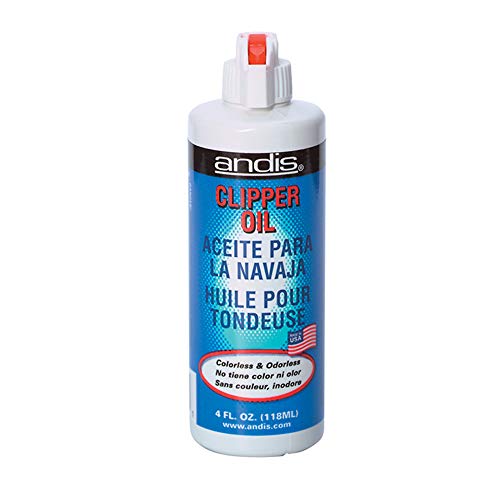
Cutting machine oil to lubricate and clean the blades
Turn On and Work In the Oil
Activate your clipper for 5–10 seconds to distribute the oil evenly across both blades. Hold the clipper with blades facing downward during this process to prevent oil from entering the motor compartment. This oil distribution technique guarantees the lubricant reaches all cutting surfaces uniformly, reducing friction and preventing hair snagging.
Running the clipper briefly works the oil into the blade mechanism, enhancing cutting efficiency and cooling performance. You’ll notice smoother cuts and reduced heat buildup during use. After the distribution run, immediately switch off your clipper and wipe away excess oil with a microfiber cloth. This practice of wiping away excess oil prevents dust and hair from being attracted to your blades during storage and use. For optimal results, apply lubricant oil to your blades every few uses to maintain peak performance.
These clipper maintenance tips protect your blades from dust attraction and motor contamination. Incorporating this short activation step into your routine maintains peak blade performance and extends clipper longevity. Store your clippers in a dry location away from heat and humidity to preserve the effectiveness of the oil and prevent blade deterioration.

Premium lubricating oil designed for professional use

Clipper Cool Spray Can: Top-of-the-line product for blade maintenance to help you achieve professional results when you clip, trim, and groom your dogs, cats, horses, livestock, and more

✅ Extends Blade Life & Prevents Rust: A few drops of hair clipper oil help reduce friction for smooth cutting without pulling or snagging. This electric shaver oil coats moving blade surfaces to help protect against rust and corrosion between cuts while reducing everyday blade wear, extending the lifes of blade.
Wipe Excess and Maintain Performance
After running your clippers for those 5–10 seconds, you’ll need to remove the excess oil to prevent buildup and maintain peak cutting performance. Use a soft cloth or shammy leather to wipe away surplus lubricant from the blades. This wiping technique guarantees even oil distribution without pooling or saturation.
Check that no residue remains on the blade surface before cutting hair. Proper wiping techniques prevent hair and oil from clogging the clippers’ mechanisms, which can cause pulling, snagging, and uneven friction during operation. For deep disinfection and enhanced hygiene, consider soaking detachable parts periodically to remove accumulated debris and bacteria. Maintaining clean blade surfaces ensures your trimmer delivers consistent results across different beard types and lengths.
Avoid abrasive materials that damage blade surfaces. By implementing these wiping techniques after each oiling session, you’ll extend blade life, improve cut precision, reduce overheating, and maximize power delivery. Regular oiling before each use ensures your clippers maintain optimal performance throughout your workday. Clean, properly lubricated blades deliver superior results consistently.

Great for cleaning and lubricating clipper blades as well as removing factory-applied preservatives

5-IN-1 FUNCTIONALITY: Cool Care Plus offers coolant, disinfectant, lubricant, cleaner, and rust prevention in one convenient spray, perfect for clipper maintenance.

Oil Before Each Use for Best Results
You’ll achieve ideal clipper performance when you make oiling part of your pre-use routine. Establishing consistent oil frequency prevents blade dulling and guarantees smooth operation from your first cut onward.
Apply oil before each clipping session to maintain best quantity on all moving parts. Focus on pivot points and blade edges where friction builds up most intensely. A few drops suffice—excessive oil attracts hair and dirt accumulation that compromises cutting quality.
Pre-use oiling flushes existing debris while lubricating surfaces for effortless blade gliding. This practice minimizes heat generation during extended use and protects metal components from corrosion. Wahl clipper oil is specially formulated to prevent rust and maintain blade sharpness for optimal cutting performance. You’ll notice quieter operation and cleaner cuts when you prioritize this simple maintenance step. Quality beard trimmers from retailers like Target and Best Buy often come with manufacturer-recommended oils for optimal maintenance.
Consistent pre-use application dramatically extends your equipment’s lifespan and maintains professional-grade performance throughout each session.