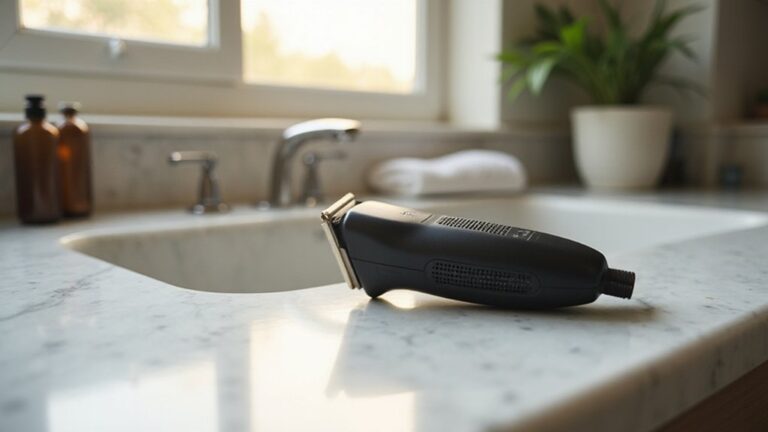
You’ll sanitize your hair clippers by first brushing away hair and debris after each use. Next, spray or soak detachable blades in 70–90% isopropyl alcohol for 30–60 seconds. Apply the five-drop oiling method to reduce friction and prevent rust. Store clippers in a dry, climate-controlled environment with desiccant packs. Monthly deep cleaning involves detaching blades, using compressed air, and soaking in alcohol. This routine prevents bacterial colonies like Staphylococcus aureus from establishing themselves within hours—and there’s much more to mastering professional-grade maintenance.
Basic Cleaning: Remove Hair and Debris Between Cuts
Because hair buildup dulls blades and causes skin pinching, you’ll want to brush your clipper blades immediately after every cut. Use your supplied clipper brush or fade brush—professional-grade maintenance tools like Gold BaBylissPro or Black Andis models work exceptionally well for this task. Next, brush all hair and debris from your entire clipper body with multiple passes, targeting areas where hair clogs movement mechanisms. Use the pointy brush end for tight spaces and stubborn bits. A hair dryer on full blast effectively clears remaining loose debris. Finally, perform a post-cleaning brush to remove any lingering small hair particles. Regular maintenance prevents fungal and bacterial growth that can develop on clippers between uses. Manufacturer-recommended specialized clipper oils like Wahl Premium Blade Oil reduce friction and extend blade life when applied after cleaning. For optimal blade longevity and performance, consider applying clipper oil after the brush cleaning to lubricate the blades and remove any remaining microscopic debris. This straightforward routine prevents blade dullness, maintains clipper performance, and eliminates the need for disassembly between cuts.
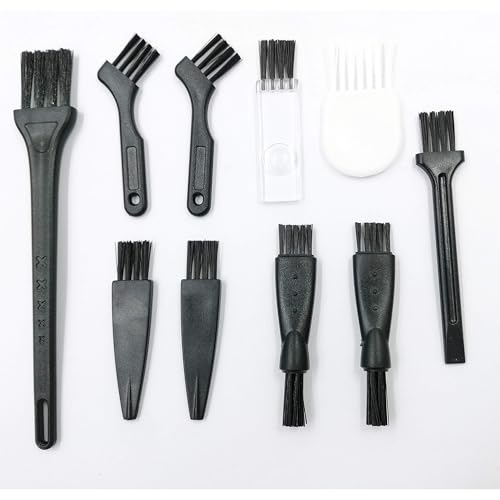
Electric razor cleaning brush

Specially designed to clean the nooks and crannies of clippers and trimmers
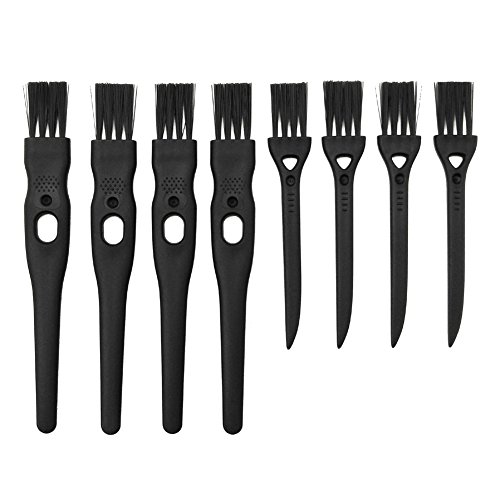
Very convenient to clean shaver / razor.
Spray, Soak, or Chill: Disinfecting Blades
Once you’ve removed visible hair and debris, you’ll disinfect your clipper blades using one of several effective methods: spraying, soaking, or UV exposure.
Spray methods deliver quick disinfection. Apply 70–90% isopropyl alcohol or EPA-registered sprays like Clippercide directly onto running clippers for 3–5 seconds, ensuring coverage between teeth. Aerosol products require 10 minutes of contact time for full sanitization.
For soaking, submerge detachable blades in 70% isopropyl alcohol for 30–60 seconds. Alcohol effectiveness peaks at 70% concentration—it penetrates cell walls more thoroughly than 99% due to slower evaporation. For non-detachable blades, wipe them with alcohol-soaked cloth. Timely sanitization reduces risks of spreading bacteria and germs between clients. Just as with electric razors, applying lubricant oil after disinfection can help maintain blade performance and extend their lifespan. Regular oiling also helps reduce friction and prevent pulling or snagging during use.
UV exposure in enclosed sterilizer cabinets kills microbes through light exposure, offering an alternative method many professionals combine with alcohol treatments for thorough disinfection.

Blade coolant, disinfectant, lubricant, cleaner and rust pre-treatment expertly packaged into a single, convenient aerosol can

5-IN-1 FUNCTIONALITY: Cool Care Plus offers coolant, disinfectant, lubricant, cleaner, and rust prevention in one convenient spray, perfect for clipper maintenance.

Clipper Cool Spray Can: Top-of-the-line product for blade maintenance to help you achieve professional results when you clip, trim, and groom your dogs, cats, horses, livestock, and more
The Five-Drop Oiling Method
After disinfecting and drying your clipper blades, you’ll need to apply oil to keep them running smoothly and prevent pulling. The five-drop method guarantees consistent lubrication techniques across your blade assembly. Power on your clippers and apply three drops to the center of the moving blade, then place one drop at each rear corner. Let the clipper run for several seconds to distribute oil through the blade mechanism. This oiling importance cannot be overstated—proper lubrication prevents hair pulling and maintains cutting effectiveness. Once circulation completes, wipe excess oil using a neck strip. Excess oil attracts debris and causes blade gumming, compromising performance. Apply this method before every use, increasing frequency during extended sessions or high-volume cutting to maintain peak blade longevity and smooth operation. Professional trimmers like the Andis T-Outliner feature high-speed magnetic motors that require consistent maintenance to preserve their precision cutting capabilities. Developing a consistent maintenance routine helps unlock your creative potential as a barber or stylist by ensuring your tools perform optimally. For enhanced sanitation and cooling during intensive use, consider using Cool Care spray as a disinfectant and rust preventative alongside your regular oiling routine.

Rust Prevention – Prevents rust from forming & helps extend the life of the clipper & blades; can also reduce the likelihood of blades becoming dull
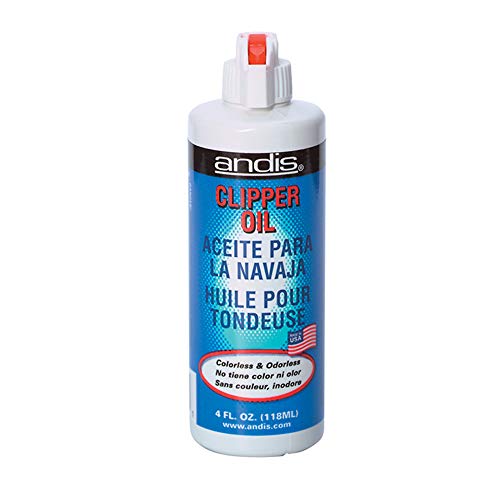
Cutting machine oil to lubricate and clean the blades

Rust Prevention – Prevents rust from forming & helps extend the life of the clipper & blades; can also reduce the likelihood of blades becoming dull
Drying and Storage Prevents Rust
Maintaining your clippers’ longevity extends far beyond proper oiling—you’ll also need to focus on drying and storage practices that prevent rust formation. After cleaning, wipe blades thoroughly with a soft cloth, paying special attention to pivot joints and blade edges. Open and close your clippers during drying to eliminate trapped water. Proper blade spacing during assembly ensures optimal cutting performance and reduces moisture retention in hard-to-reach areas.
For storage solutions, keep your clippers in a dry, climate-controlled room away from bathrooms where humidity and steam accelerate corrosion. Use a breathable leather case rather than plastic sleeves, and include desiccant packs to absorb excess moisture. Never soak your clippers, as residual water promotes rust. Store them with a protective case and inspect regularly for early rust signs. Regular oiling with specially formulated lubricant reduces friction and prevents corrosion during storage periods. Professional-grade shear oil should be applied to the pivot area and blade edges after drying to maintain rust protection and smooth operation. These drying techniques and storage solutions work together to extend your tool’s lifespan considerably.

Dimensions: 10.24*7.48*3.54 inches. Compatible with Hatteker/ Andis/ Oster/ EHJYO/ Suttik/ Karrte and most hair clippers and its scissors, combs, charging cables, and other accessories

【OPTIMAL SIZE & DESIGN】 Measuring 9.25" X 5.5" with a height of 2.75", this RED by Kiss Travel Pouch is perfect for storing essential items. Its compact design ensures it fits easily in luggage or bags, making it ideal for travelers and busy professionals.

Universal Compatibility - Designed to fit most professional cordless clippers , Perfectly stores clippers, trimmers and accessories with organized compartments for guards, scissors, combs, charging cables and clipper oil and more (case only - tools not included).
Monthly Deep Cleaning for Peak Performance
While daily maintenance keeps your clippers functional, a thorough monthly deep clean restores them to peak performance by removing embedded debris and disinfecting the blade assembly. Start by powering off and unplugging your clippers, then detach the blade set for complete access.
Use a stiff brush to meticulously remove accumulated hair, applying compressed air for stubborn particles in blade gaps. Repeat brushing 2-3 times to dislodge remaining debris. During blade inspection, check for product residue or buildup requiring attention. This prevents corrosion and wear that can compromise your tool’s durability over time.
Dip blades into 70% isopropyl alcohol 2-3 times for thorough disinfection. Apply clipper-specific spray like Blade Ice sparingly, avoiding motor contact. For optimal hygiene, consider soaking detachable parts for deep disinfection before final rinsing. Clean the exterior housing and moving parts with a slightly damp cloth, as proper sanitizing tools ensures you maintain hygienic grooming equipment.
Finish by applying three drops of clipper oil to the blade top edge and one drop at each end. Run your clippers for 10 seconds to distribute oil evenly, then wipe excess away.

TRUSTED BY PROFESSIONALS: From the makers of Barbicide, Clippercide is the industry-standard choice for professional barbers, stylists, and groomers. Trust the brand that has set the gold standard in salon hygiene to protect your tools and your clients


Why Daily Maintenance Prevents Infection
Because bacteria colonies can establish themselves on clipper blades within hours of use, you’ll need to clean and disinfect your clippers after every single client to prevent serious infections. Daily maintenance directly supports infection prevention by eliminating pathogens before they proliferate and cross-contaminate between clients.
Research shows bacteria grew on 51% of clipper blades from veterinary clinics, demonstrating how quickly contamination occurs. Pathogens like Pseudomonas, Staphylococcus aureus, and E. coli thrive on unsanitized tools, potentially transmitting serious conditions including impetigo, tinea capitis, and blood-borne infections. In institutional settings like correctional facilities, head shaving practices make clipper sanitation even more critical given the volume of clients processed daily.
Establishing consistent hygiene standards through daily cleaning prevents these risks. You’ll remove debris, apply EPA-registered disinfectants for proper contact time, and maintain wet saturation on all client-contacted surfaces. This routine protects both you and your clients from preventable infections. Proper clipper maintenance is especially important when using longer guard settings like the #16 that may accumulate more visible debris and hair buildup between uses.