You shouldn’t throw used safety razor blades in the trash—they’ll injure sanitation workers and contaminate recycling equipment. Instead, reseal blades in their original packaging or wrap them securely in paper and tape. Store them in a puncture-resistant metal container with a tight-fitting lid. Once full, seal the container and drop it off at hospitals, pharmacies, or licensed medical waste facilities near you. You’ll find several safer disposal methods and local program options that follow proper safety protocols.
Why Trash Disposal Isn’t Safe for Razor Blades
Discarding safety razor blades in standard household or commercial trash creates preventable injury risks across multiple exposure points. You expose sanitation workers to serious lacerations when blades puncture through trash bags during collection. At home, you risk cuts when loose blades contact your hands while emptying receptacles or compacting trash. Toddlers and pets encounter dangerous sharp edges when accessing bathroom wastebaskets. Improperly discarded blades also disrupt recycling equipment and harm wildlife in waste streams. General trash lacks the puncture-resistant containment required for blade disposal. Unlike professional beard trimmers that require proper maintenance and cleaning, safety razor blades need specialized sharps containers for safe disposal. If you travel by plane, be aware that TSA regulations for razors require proper handling of blades during transport. The Martor USA Blade Recycle Program offers SAFE BOXES and BLADE BOX containers specifically designed to secure used blades for responsible disposal and environmental protection. Current regulatory standards and best practices mandate that you use designated sharps containers with proper labeling and sealing. This approach protects both home safety and sanitation workers throughout the waste handling chain.
Repackage Blades in Original Protective Wrapping
The original packaging that arrives with your replacement blades serves as your first line of defense for safe blade containment and disposal. You’ll find this reusable packaging features a dedicated slot specifically designed for storing used blades after you’ve removed them from your razor.
To repackage a blade, you insert the used blade into its individual wrapper slot and fold the ends securely on all sides. Snap or fold the wrapper closed to seal it fully, matching the factory’s protective configuration exactly. Wrapping blades securely with tape helps prevent accidental injury during the disposal process. Proper drying and maintenance of your blades can also extend blade longevity, allowing you to maximize usage before disposal. For those using safety razors with butterfly designs, the blade-changing mechanism is particularly convenient for safely removing and repackaging used blades.
Many packages include a back slot for internal blade storage. You push each used blade down into this designated compartment and continue using fresh blades while storing worn ones safely inside. Once you’ve used all blades, you dispose of the entire filled container, ensuring disposal safety throughout the process.

SEALED DESIGN MUCH SAFER: ZOMCHI Blade Bank with its SEALED DESIGN, The used blades can only slip into the bank through the only Opening Gap at the top of the storage case, which could not only avoid escaping of razor blades and effectively protects users getting hurt when disposal the used razor blades, also can keep children safe although they have touched the Blade Bank in case.
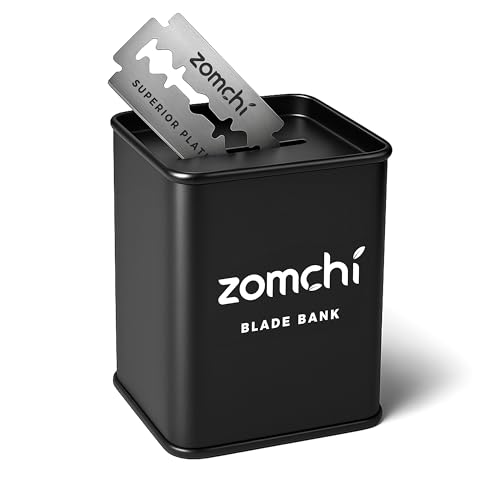
SEALED DESIGN MUCH SAFER: Zomchi Blade Bank with its SEALED DESIGN, The used blades can only slip into the bank through the only Opening Gap at the top of the storage case, which could not only avoid escaping of razor blades and effectively protects users getting hurt when disposal the used razor blades, also can keep children safe although they have touched the Blade Bank in case.

Safely dispose of used blades: This sturdy, compact Blade Bank allows you to conveniently and safely dispose of old, dull razor blades
Wrap and Secure Blades Without Original Packaging
When you’ve discarded your original packaging, you’ll need an alternative containment method that meets the same safety standards. Begin by wrapping the exposed blade head in paper or tissue as your initial safety measure. This blade wrapping prevents direct contact during handling but serves only as an interim step.
Next, fold all wrapper ends closed completely, then secure the bundle with tape applied to every edge. Tape reinforcement guarantees your wrapping stays intact throughout transport and storage, protecting handlers, pets, and children from serious injury. Never rely on wrapping alone—the tape sealing is critical for compliance with safe disposal practices. Safety razors require the same careful handling as cartridge razors to prevent skin trauma during disposal. Proper storage in a dry location away from heat and humidity will help maintain the integrity of your wrapped blades. Consider using a razor blade disposal bank as a dedicated long-term solution for storing multiple used blades safely.
This combined approach creates a secure, contained unit suitable for temporary trash storage until you transfer it to proper disposal channels.
Choose a Metal Blade Safe or Disposal Container
Once you’ve securely wrapped and taped your used blades, you’ll need a proper containment vessel that meets safety and recycling standards. When choosing blade safes, prioritize puncture-resistant metal containers that prevent injuries to handlers and protect recycling machinery. Dedicated commercial options like the Rockwell Blade Safe or Me Mother Earth blade banks offer secure drop slots and mail-back programs, eliminating transport risks.
Key disposal container features include tight-fitting lids that prevent blade protrusion and sturdy construction supporting safe handling. DIY alternatives using repurposed tin cans work if you cut appropriate slots and verify local metal recycling acceptance. Safety razors offer environmental benefits compared to disposable cartridges, making proper blade disposal an important part of sustainable grooming practices. Before placing your container in recycling streams, seal it thoroughly with tape and confirm municipal regulations regarding DE razor blade disposal. Many cities have scrap metal recycling programs that accept properly prepared blade containers. Metal safes remain preferable to plastic for environmental sustainability and recycling efficiency, supporting the environmental sustainability goals that make safety razors a responsible grooming choice.
Seal Your Container Before Throwing It Away
After you’ve selected your blade safe or disposal container, sealing it properly becomes critical to prevent injuries and contamination during handling and transport. You’ll need to use duct tape or strong adhesive to secure your container completely, ensuring no sharp objects can protrude or create exposure risks. Container sealing must be thorough—tape all openings, slits, and seams to meet OSHA’s leakproof requirements. If you’re mailing your sealed container to a recycling program, place it in an envelope or box for additional protection. For trash disposal, wrap individual blades in masking tape before sealing your final container. Always verify your city’s regulations on sealed container disposal guidelines. Some companies offer mail-back recycling services for blades as an alternative to curbside disposal. Popular blade brands like Astra, Wilkinson Sword, and Shark often include disposal guidance with their products to help users manage sharp waste responsibly. These disposal precautions protect sanitation workers and prevent accidental injuries throughout the waste management process.

The Excell ET-605K (7605K) EZ-CUT Bag Sealing Tape Dispenser is a premium tape dispenser and bag sealer that includes a built-in trimmer.
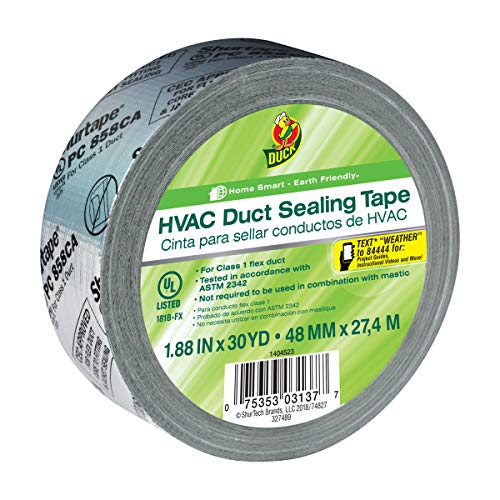
Heavy-duty tape that works on both rigid and flexible ductwork
Find Sharps Collection Programs and Drop-Off Locations Near You
Where can you safely dispose of your used razor blades? You’ll find multiple local collection options throughout New York State. All hospitals and nursing homes must accept home-generated sharps free of charge—contact their Sharps Coordinator for specific drop-off times. Many pharmacies and healthcare providers operate voluntary sharps collection programs; call ahead to confirm acceptance and hours. Alternative venues include health clinics, community organizations, and police stations offering convenient drop boxes. Licensed medical waste disposal companies provide pickup and mailback services with DOT-compliant transportation and proof of destruction documentation. For women who prefer electric options, electric face shavers offer a safer alternative that eliminates the need for blade disposal altogether. The AIDS Institute Provider Directory lists additional ESAP disposal sites. Proper disposal practices reduce the risk of injury or disease transmission from needle sticks and other sharps. Proper handling of sharp implements requires understanding the techniques for safe blade management to prevent accidental cuts during disposal. Since facility information changes frequently, contacting venues directly before visiting guarantees you’ll access operational disposal programs meeting your needs.

DURABLE AND HIGH QUALITY – The durable and high-quality sharps container is constructed of puncture and impact resistant material.

【Durable and High Quality】: Made of puncture resistant and impact resistant materials, this sturdy sharp tool container is durable and of high quality.

CDC APPROVED 5.4 Quart container. SMOOTH ACTION rotating lid - touchless disposal, 10" high x 12" wide x 4.5" deep
Transport and Recycle Metal Blade Containers Safely
Safely transporting razor blades requires proper containment in puncture-resistant, tightly sealed metal containers before you take them to recycling facilities or mail-back programs. You’ll maximize efficiency by collecting blades in bulk within your blade storage system, justifying a dedicated recycling center trip. Seal your full tin securely with tape to prevent accidental opening during transport. Before heading to the facility, contact your local center to confirm they accept used blades as scrap metal and verify their regulations for DE blade acceptance. Some centers recycle PTFE coatings by burning them off, while others decline polymer-coated blades entirely. Understanding your recycling methods beforehand guarantees compliant disposal and prevents transport complications. Proper preparation and precision in your blade disposal routine, much like refining your shaving technique, ensures safety throughout the process. If your local center cannot process your blades, Terracycle provides a free mail-back recycling service that accepts razor blades with difficult-to-recycle materials like Teflon coatings.
Mistakes That Injure People (and How to Avoid Them)
Because safety razor blades pose immediate laceration hazards, improper handling and storage create preventable injuries across workplaces and healthcare settings. You must avoid leaving blades loose on surfaces or tossing them directly into trash, where they penetrate bags and injure sanitation workers. Never handle blades bare-handed; instead, use tweezers, forceps, or scraper handles for all blade handling operations. Don’t store knives with extended blades in accessible areas, and always inspect tools before use to prevent unexpected failures. You should never use dull blades, which require excessive pressure and increase laceration risk. Safety razors with quality construction like those made from biocompatible stainless steel maintain sharper edges longer and reduce the need for frequent blade replacement. Specialized disposal containers from safety suppliers are available to prevent inadvertent contact with improperly discarded blades. Enforce strict safety practices by wearing appropriate personal protective equipment—70% of hand injury victims wore no gloves. Implement immediate containment protocols and maintain compliance through proper training to eliminate these preventable workplace injuries.
Set Up a Blade Disposal Station in Your Bathroom
Now that you’ve committed to safe handling practices, establishing a dedicated blade disposal station in your bathroom eliminates the most common injury vectors before they occur. Select a station location near your shaving area to enable immediate blade deposit post-use, reducing contamination risks in trash receptacles.
Choose a container matching your blade types—metal banks accommodate double-edge, single-edge, straight, and Demaplane blades with capacities reaching 300 units. Position countertop units measuring 2.75 x 2.75 x 2.8 inches for accessibility, or utilize drawer-fit banks for concealment while maintaining convenience. Free-standing stands designed for safety razors can vertically hold razors while covering exposed blade edges, providing both organization and protection during storage. For those seeking precision grooming beyond traditional shaving, electric trimmer options like the Manscaped Lawn Mower series offer alternative approaches to personal grooming. Popular models like the King C. Gillette Double Edge Safety Razor pair well with dedicated disposal stations to maintain a complete shaving setup.
Prepare your station by securing the lid, adding base weights for stability, and stacking new blades flat in the dispenser. Slide used blades into the safe’s slot, preventing direct contact. Once full, tape metal containers shut and transfer to approved recycling or sharps programs per municipal guidelines.

Blade Disposal Case; Enables Safe Removal And Disposal Of Used Razor Blades Into A Compact Size Case; Easily Fits In Any Work Space Of Barbers And Professional Stylists

ORGANIZED BLADE STORAGE: Keeps used blades neatly collected in one safe place for a tidy shaving setup