
You’ll want to start by selecting a trimmer with skin-safe blade technology and protective guards. Prepare your skin by exfoliating and applying hydrating lubricant, then begin with the longest guard setting. Trim slowly in the direction of hair growth while keeping skin taut, cleaning your blades frequently to prevent blockage. For sensitive areas like the scrotum, use minimal pressure and a fully charged device. Apply moisturizer immediately afterward and monitor for irritation. Understanding the complete process will help you refine your technique for best results.
Choose the Right Pubic Hair Trimmer
Since selecting an appropriate trimmer is foundational to safe grooming, you’ll want to prioritize devices with blade technology specifically designed for sensitive skin, protective comb attachments, and ergonomic construction that allows precise maneuvering in delicate areas.
Among best trimmer brands, the Gillette Intimate Pubic Hair Trimmer features SkinFirst blade technology to prevent nicks, while the Manscaped Lawn Mower 5.0 Ultra combines ceramic blades with dual functionality. The Braun All-in-One Series 9 offers 40 adjustable length settings for customizable trimming techniques. The Manscaped Lawn Mower 4.0 is highest rated for comfort and skin safety due to its ceramic blades that minimize the risk of cuts and irritation during grooming.
For budget-conscious consumers, the OneBlade 360 and Manspot Trimmer deliver comparable performance at lower price points. Look for waterproof, cordless models with 90-180 minute battery life to accommodate extended grooming sessions without interruption. Proper preparation with warm water and exfoliation helps soften facial hair and reduce skin irritation before trimming. Using skin-friendly tools over traditional razors helps you avoid razor burn, bumps, and irritation during sensitive area grooming.

Safe and Efficient Trimming: PRITECH razors for men uses ceramic blades with built-in protection. On the surface where the blade contacts the skin, we have implemented a chamfered design, ensuring that it never cuts, pulls, or irritates the skin, and guarantees efficient hair trimming. This body trimmer for men equipped with 3 adjustable comb attachments and 5 lengths (1.5mm, 3mm, 6mm, 9mm, 12mm), it meets your diverse trimming requirements

NO PULLING. NO PINCHING. NO CUTS. Gives a razor-smooth finish every time. Our skin-friendly electric shaver for women features precision ceramic blades with the fast-moving cutter trims hair at 100x per second, while R-shaped rounded tips and a protective guard ensure gentle contact with your skin—wrapped in soft, warm-touch silicone for a gentle, comforting feel. Whether you're using it as a intimate razor for women pubic hair or a facial hair remover for women, it's designed to leave zero irritation behind. Just smooth, happy skin from your face to below the belt.

BEAUTY AWARD WINNING: Winner of the 2025 Allure Best of Beauty Awards
Prepare Your Body and Tools for Trimming
Once you’ve selected your trimmer, proper preparation of your body and tools determines whether your grooming session remains safe and effective. Start by exfoliating skin to remove dead cells and soften hair, reducing resistance during trimming. Next, cleanse area thoroughly with warm water and pH-balanced cleanser to eliminate dirt, oil, and bacteria that can cause razor burn or infection.
Pat the region completely dry to prevent trimmer slips and guarantee precise clipping without moisture interference. Inspect your trimmer for cleanliness and charge level, verifying sharp blades won’t pull hairs or cause cuts. For the closest results with minimal irritation, consider that blade sharpness and exposure significantly impact grooming comfort and safety. Finally, apply a hydrating lubricant like shave gel or conditioner to protect skin and enable effortless hair combing in one direction. Using a designated trimmer for pubic area ensures you maintain blade sharpness and reduce the risk of dull blades causing ingrown hairs. Consider using specialized manscaping devices with skin-friendly designs like rounded blades and adjustable guards rather than standard facial shavers, which are unsuitable for sensitive contoured areas.

Smooth and Comfortable Shave: Say goodbye to the pain and discomfort of traditional shavers with the MANSPOT Manscape Hair Trimmer for Groin & Pubic & Ball of Men Women. Its anti-cut blade and high-power motor make your shaving routine faster, smoother, and more comfortable than ever before. No more nicks, snags, or burns, just a clean and confident look.


Body, Pubic, Groin&Bikini- OLOV trimmers were designed for below-the-waist grooming but work great on your not so private parts too
Start With Long Hair: Use Gradual Guard Settings
If you’re starting with longer pubic hair, you’ll want to begin with your trimmer’s longest guard setting to avoid cutting too short initially. Guard lengths typically range from 0-8 or 10, with higher numbers leaving more hair intact. Start with a 6mm guard on body trimmers for the bikini line, then progress to shorter settings like 3mm as you become comfortable.
This gradual trimming technique prevents bulk removal in one pass, reducing irritation on sensitive skin. Work systematically through small sections, pulling skin taut with your free hand to prevent folds from entering the guard. Trim in the direction of natural hair growth to minimize ingrown hairs and irritation. For optimal results, look for trimmers with powerful motors that deliver consistent cutting performance across various hair densities. Take your time shifting between guard lengths for best control and safety. Remember that closed taper lever positions will yield shorter hair lengths than open positions on the same guard number, so adjust accordingly for your desired trim length. For optimal results, consider starting with longer settings on trimmers designed specifically for body grooming to ensure safety and precision.

Designed for Manscaped 5.0 Only – Perfect Compatibility Specifically engineered for the Manscaped Lawn Mower 5.0 trimmer, these replacement clipper guards fit securely and precisely. Please note: NOT COMPATIBLE with 2.0 / 3.0 / 4.0 models.

✨ LADYSPOT Skin-Protective TECH: Help reduce nicks and cuts. This women trimmer shaver trimmer features advanced Aerospace-grade hypoallergenic ceramic blades that glide effortlessly, ensuring a silky-smooth finish without any irritation.

IN THE BOX PLUS – Includes six replacement guide combs (1/2/3/4/5/6 mm), one body comb, one protective cap, and a clear acrylic organizer stand.
Perfect Your Trimming Technique: Pressure, Direction, Blades
Apply light, consistent pressure while using short strokes. Keep skin taut to prevent accidental cuts and guarantee even trimming. Excessive pressure irritates delicate tissue unnecessarily.
For shaving techniques, trim in the direction of hair growth to reduce irritation and ingrown hairs. Dermatologists recommend with-the-grain shaving on the mons pubis and bikini line. You can employ a two-pass method for closer results, but prioritize safety over closeness. Specialized grooming tools like the Manscaped Lawn Mower series feature ceramic blades specifically designed for safe scrotum trimming in sensitive areas.
Maintain blade sharpness and clean your trimmer every 2-3 strokes to prevent hair blockage. Sharp, clean blades accomplish the job with minimal pressure, protecting your skin care by reducing trauma and infection risk. Consider using skin-safe blade designs specifically engineered for sensitive genital grooming to further minimize irritation and cuts.

FOR THE DEDICATED MERIDIAN USER: with this single replacement blade you can feel fresh and confident trimming for 3 months straight.

FOR THE DEDICATED MERIDIAN USER: with this single replacement blade you can feel fresh and confident trimming for 3 months straight.

SpotGlide Blade Technology: Unlike others in the industry, MANSPOT's SpotGlide Blade Technology features a wider 40mm ceramic blade designed to cover more area in fewer passes, reducing friction and irritation in sensitive areas including the groin. Rounded tip guards and a hypoallergenic steel and ceramic blade combination help minimize nicks and discomfort for a clean, comfortable result, no razor burn, no regrets.
Safely Trim Sensitive Areas: Scrotum and Shaft
The scrotum and shaft require heightened caution during grooming because their delicate skin lacks the thickness found elsewhere on your body, making them more susceptible to cuts, irritation, and infection. Your safety practices must prioritize specialized trimming tools designed for intimate areas, never repurposing facial razors or standard clippers. Use a fully charged electric trimmer with skin-safe blades and guards to minimize contact with vulnerable tissue. Move slowly with minimal pressure, directing the blade carefully along loose scrotal skin to prevent snags. Pull skin taut gently without excessive force, maintaining visibility with a mirror throughout the process. Rinse your trimming tools frequently during use to maintain hygiene and reduce infection risk. Disinfecting your tools before and after grooming helps prevent bacterial transfer and keeps your skin safe from potential infections. For those seeking longer-lasting results, consider exploring hair removal alternatives like waxing or electrolysis that may provide extended smooth skin between grooming sessions. After grooming, apply a non-scented moisturizer to help skin retain moisture and support the healing process of your freshly groomed skin. These methodical safety practices considerably decrease complications while achieving desired grooming results.

2-IN-1 FACE AND BODY GROOMING: This bikini trimmer for women includes a body hair trimmer and face shaver. Use the body head for bikini line, pubic hair, legs and underarms, and the facial head for peach fuzz and quick touch-ups.
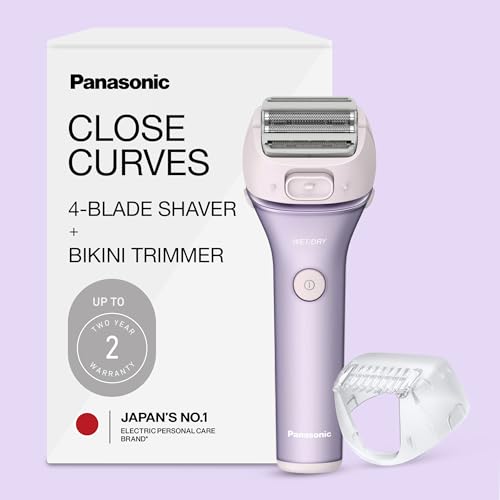
A Safe and Gentle Electric Razor for Women: Experience easy, curve-hugging, smooth shaving with this bikini trimmer for women, featuring a reusable, rechargeable design that minimizes skin irritation and reduces disposable razor waste
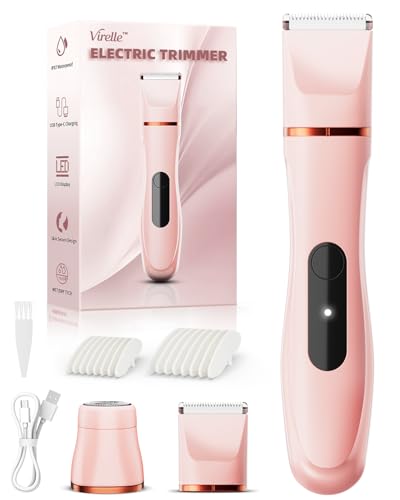
2-in-1Electric Razors for Women- This women's electric shaver comes with 2 interchangeable heads for ultimate versatility. The standard head allows for quick, precise trimming of larger areas like the bikini zone, underarms, legs, and arms. The shaving head delivers ultra-smooth results—perfect for gentle facial hair removal. A shaver specially designed for women, ensuring perfectly smooth skin.
Stop Bleeding and Treat Nicks Immediately
Despite your careful technique and specialized tools, minor nicks and cuts can still occur during intimate grooming. Quick bleeding control prevents infection and promotes faster healing.
Apply firm pressure with toilet paper for five minutes to stimulate clotting. If bleeding persists, hold a cold compress against the wound—ice constricts blood vessels effectively. You can also use a styptic pencil or alum block, which contracts vessels and stops flow immediately.
For natural remedies, apply raw honey for 10-15 minutes; its antibacterial properties aid healing. Alternatively, cayenne pepper sprinkled on the cut stops bleeding within minutes. Alcohol-free antiseptics should be used when available to prevent infection without causing additional irritation to sensitive intimate areas. Using specialized shave sets designed for grooming can also help minimize the risk of cuts and nicks during the process. Maintaining sharp clipper blades ensures cleaner cuts with less trauma to the skin.
Once bleeding stops, clean the area with mild soap and water, then pat dry. Apply antibiotic ointment like Bacitracin or Neosporin to prevent infection. Monitor the wound for signs of complications.
Aftercare: Moisturize, Monitor, and Know When to Trim Again
Once you’ve stopped the bleeding and cleaned the area, your aftercare routine becomes essential for preventing infection and minimizing irritation. Apply alcohol-free moisturizer or specialized eczema-formulated lotion while skin’s still damp to lock in hydration. Post-shave balms offer additional calming benefits. Wear loose, breathable cotton underwear for at least 24 hours to prevent friction-induced irritation.
Monitor irritation symptoms closely: redness, itching, bumps, or ingrown hairs warrant immediate attention. Avoid tight clothing and additional grooming if irritation appears. Let skin recover fully before retreating the area. Establishing personal growth habits around consistent self-care routines helps you develop discipline and accountability in maintaining your grooming schedule.
Trim every 7–12 days based on your hair growth rate and comfort level. Frequent trimming prevents excessive regrowth and reduces irritation risk, while spacing appointments appropriately allows your skin adequate recovery time between sessions. For optimal results, consider using foil shavers designed specifically for body grooming, as they deliver close, nick-free shaves that minimize irritation compared to clippers. Use dedicated groin wash when rinsing the area post-trim to maintain optimal hygiene and skin health.