Yes, your eyebrows will grow back after shaving. The razor blade only cuts hair above your skin’s surface, leaving follicles completely intact and functional. You’ll notice visible regrowth within 2-3 weeks, with noticeable thickness restoration occurring between 4-8 weeks. Complete regrowth typically takes 3-6 months. Shaving is actually less damaging than plucking or waxing since it doesn’t disturb the follicle itself. However, several factors can influence your regrowth timeline and thickness.
Yes, Eyebrows Grow Back After Shaving
If you’ve ever worried that shaving your eyebrows might prevent them from growing back, you can rest easy—they will. Scientific research confirms full regrowth occurs after shaving, with studies showing no cases of shaving-induced growth failure. Your regrowth expectations should remain optimistic because shaving cuts hair above the skin while leaving follicles intact underneath.
Understanding effective shaving techniques matters for best results. The hair growth cycle—anagen, catagen, and telogen phases—continues normally after shaving. Your eyebrow follicles remain unaffected by the razor, allowing new hair to emerge through its natural 2-3 month cycle. Unlike plucking or waxing, which can damage follicle roots, shaving preserves the foundation necessary for consistent regrowth. For optimal results, consider using quality grooming tools like those designed with sharp adjustable blades that provide precision without irritation. Maintaining a professional appearance with proper grooming practices ensures your eyebrows look their best as they regrow. Full regrowth duration may vary based on individual hair characteristics. You’ll experience complete restoration without complications.
How Long Does Eyebrow Regrowth Take?
Since eyebrow hair grows approximately 1mm per week—or about 0.14-0.16 millimeters daily—you’ll likely notice stubble within a few days of shaving. Visible regrowth typically emerges within 2-3 weeks, though this timeline varies considerably based on follicle health and genetics. Most individuals achieve noticeable eyebrow thickness restoration within 4-8 weeks, with experts estimating 5-6 weeks for complete regrowth. However, full recovery can extend to 3-6 months depending on individual circumstances. Your hair’s anagen phase—the active growth stage lasting 30-45 days—directly influences overall regrowth duration. Hormonal fluctuations, nutrition, shaving technique, and overall health substantially affect your timeline. Similar to how defining your neckline can impact beard appearance and density, maintaining proper aftercare and supporting follicle health through adequate nutrition optimizes your regrowth rate. For sensitive eyebrow areas, using razors designed for sensitive skin can minimize irritation during the regrowth process and support healthier follicles. Using face serums to nourish follicles during recovery can enhance the speed at which your eyebrows return to their original fullness and appearance.
Why Shaving Can’t Stop Your Eyebrows From Growing Back
Despite persistent myths suggesting otherwise, you can’t permanently stop your eyebrows from regrowing after shaving. Your shaving technique only affects the hair shaft above your skin’s surface. The follicle itself—located deep within your dermis—remains completely intact and unharmed.
When you shave, you’re simply cutting hair, not damaging the dermal papilla or bulb responsible for growth initiation. Your follicle health remains unchanged because shaving doesn’t alter follicle physiology or interrupt your hair’s natural growth cycle. For precise grooming work, tools with high-speed magnetic motors like professional trimmers deliver reliable performance without affecting underlying follicle health.
Active follicles continue their anagen phase unaffected by surface cuts. Unless you have underlying medical conditions like alopecia areata or nutritional deficiencies, regrowth proceeds normally. The 1999 clinical trial definitively proved this: all five patients achieved complete brow regrowth within six months, with no permanent follicle damage. Research demonstrates that full regrowth occurs even after complete eyebrow shaving, confirming the resilience of hair follicles to this cosmetic practice.

2-in-1 Multifunctional Hair Trimmer: Made of high quality stainless steel sharp blade, Yunmiss nose hair trimmer can effectively and comfortably remove unwanted hair from your nose, ears, eyebrows and face. To meet your different needs in a device implementation

Multifunctional Grooming Tool for Face & Nose: Discover the 2026 upgraded Mendaping 2-in-1 nose and facial hair trimmer designed for women. This versatile beauty device handles nose hair, ear hair, eyebrows, beard edges, and unwanted facial fuzz with precision—helping you stay fresh and confident wherever you go

Precise Eyebrow Trimmer for Women: Effortlessly shape your brows with this eyebrow razor . It removes unwanted hairs from the top, bottom, and between your brows instantly and painlessly. Perfect for daily grooming or special occasions like weddings, work, or parties, giving you clean, defined brows every time.
How Eyebrow Hair Actually Grows (The Three Phases)
Understanding your eyebrow growth cycle requires knowing that each hair follicle progresses through three distinct phases: anagen, catagen, and telogen.
During anagen, the active growth phase lasting 30 to 45 days, your follicles produce new cells at approximately 0.12 to 0.16 millimeters daily. Roughly 90% of your eyebrow hairs remain in this phase, making it essential for achieving fuller brows. The anagen duration directly determines your maximum eyebrow length. Applying brow serums with peptides, biotin, or castor oil can stimulate growth during this critical stage.
Catagen follows as a brief 2 to 3 week shift where follicles shrink and detach from blood supply. Growth slows considerably during this intermediate stage. Like grooming tools designed for sensitive skin-friendly applications, understanding how your follicles respond during this phase helps prevent unnecessary damage. Proper technique during eyebrow maintenance can reduce irritation similar to how protective guards on safety razors minimize contact with delicate skin.
Finally, telogen—the resting phase spanning 2 to 4 months—allows old hairs to shed naturally. About 10-15% of your hairs exist here simultaneously.
Your complete eyebrow growth cycle lasts 12 to 15 weeks. Hair growth factors including genetics, nutrition, stress, and hormonal changes influence these eyebrow follicle cycles greatly.
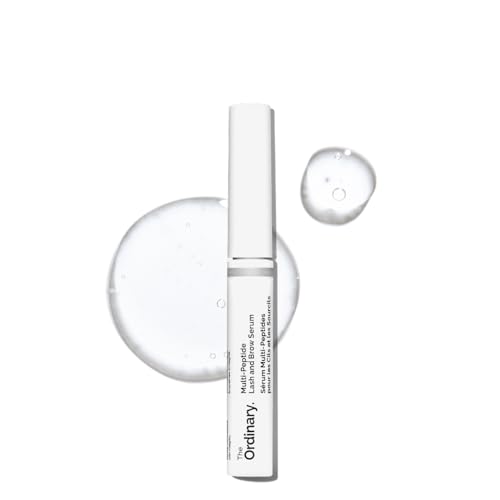
THICKER, FULLER LASHES & BROWS: Multi-Peptide Lash and Brow Serum supports thicker, fuller, and healthier-looking lashes and brows.
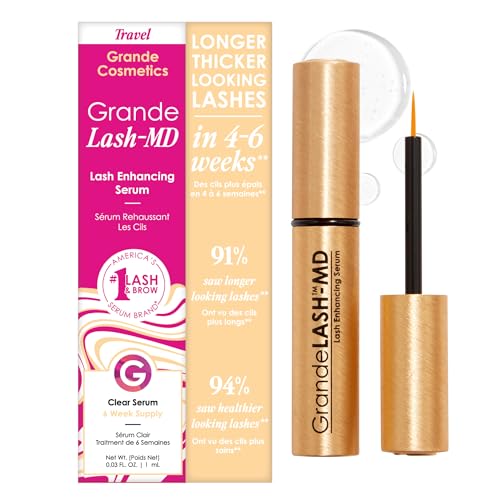
LASH ENHANCING SERUM: Get naturally long eyelashes for a dramatic look or a more youthful appearance

Helps to promote the appearance of naturally fuller, bolder looking brows
Myths About Shaved Eyebrows: Debunked
When you shave your eyebrows, you’re removing only the hair shaft while leaving the follicle intact—a distinction that debunks several persistent myths about regrowth. Contrary to popular belief, your eyebrows will grow back normally within 3-6 months, even after complete shaving. The regrowth may appear coarser initially due to blunt tips, not actual thickening. Your growth rate remains constant at 0.14 mm daily—shaving doesn’t accelerate it.
Proper shaving techniques preserve follicles, unlike plucking or waxing, which damage them. However, aggressive shaving or poor tools may temporarily slow recovery. For optimal results, consider using safety razors with gentle blade exposure designed for sensitive areas, which feature pivoting mechanisms that minimize irritation and nicks. For ideal eyebrow care during regrowth, apply nourishing serums with peptides and vitamin E, massage gently to boost circulation, and maintain a protein-rich diet. Avoid plucking and harsh chemicals during this period. Incorporating jojoba oil into your post-shave routine will nourish hair follicles and support faster, healthier regrowth.
Medical Conditions That Slow Eyebrow Regrowth
While shaving itself doesn’t prevent eyebrow regrowth, various medical conditions can greatly impede or halt the process entirely. Thyroid disorders like hypothyroidism prematurely push follicles into resting phases, causing thinning that takes 3-6 months to recover post-treatment. Autoimmune effects prove particularly problematic—alopecia areata directly attacks follicles, while frontal fibrosing alopecia causes permanent scarring and eyebrow disappearance. Nutritional deficiencies in zinc, biotin, iron, and protein disrupt normal hair production, slowing growth markedly. Dermatological conditions including psoriasis and tinea capitis block follicles through inflammation or infection. Chemotherapy damages fast-growing cells, requiring 1-2 years for full recovery. For those concerned about additional trauma during regrowth, selecting razors with anti-irritation barriers and flexible pivoting heads can help protect sensitive facial skin. Once thyroid hormone levels stabilize with proper treatment, hair follicles can gradually resume their normal growth cycles, though regrowth remains slow. For individuals with sensitive skin or inflammation-related conditions, using electric shavers for sensitive skin may help minimize additional irritation during the regrowth period. If you’re experiencing slow regrowth beyond typical timelines, underlying eyebrow disorders warrant medical evaluation to identify treatable causes.

Biotin, Collagen & Keratin — a beauty multicomplex featuring Biotin, Collagen, Keratin, Hyaluronic Acid, Vitamin B-complex, Vitamins A & E, and natural botanical extracts. Each serving is designed to provide well-rounded nutritional support to complement your beauty routine.

SUPPORTS BEAUTIFUL HAIR; GLOWING SKIN; AND HEALTHY NAILS (1): Hair Skin & Nails Rapid Release Softgels contain biotin; vitamins; minerals; antioxidants and other nutrients consistently found in healthy hair; skin and nails

Natural Hair, Skin, and Nail Supplement - Treat your hair, skin, and nails to the nutritional support you need to shine! Nutrition plays a vital role in fueling a flawless beauty routine. However, nutritional excellence is hard to achieve from just foods alone. A daily dose of our proprietary formula can help supply your body with key nutrients to fill in nutritional gaps not provided by your diet and may address healthier Hair, Skin and Nails
5 Ways to Speed Up Eyebrow Regrowth
If you’ve shaved your eyebrows and want to accelerate regrowth, you don’t need to wait passively for nature to take its course. Natural serums containing biotin and sodium hyaluronate stimulate follicles and demonstrate measurable results within 8-12 weeks. Simultaneously, implement dietary changes by increasing iron, protein, and biotin intake through leafy greens, fish, and nuts. These nutritional adjustments provide essential building blocks for hair regrowth.
Complement these approaches with daily massage using a spoolie brush to enhance blood flow to follicle areas. Apply nourishing oils like castor or vitamin E oil, which contain compounds that strengthen hair roots. Like the surgical stainless steel blades found in quality grooming tools, high-quality oils are engineered to provide optimal results for your skin. Consider biotin supplements as part of your regimen, as biotin positively impacts eyebrow density and growth. For precise grooming during regrowth, electric trimmers like those designed for detailed eyebrow work can help maintain clean lines without disrupting new hair growth. Dermarolling can further improve topical product penetration. Consistent hydration—eight glasses daily—supports follicle health. These evidence-based strategies work synergistically to expedite eyebrow recovery after shaving.

Get Longer Thicker Brows Naturally: Formulated with advanced natural ingredients, including swertia japonica extract, peptides, and amino acids, to enhance the natural growth of eyelashes for a fuller, longer and healthier look

Strengthens each strand so your brows stay flexible, not brittle—helping them keep their length through every cleanse and every styling moment.

LONGER, FULLER LASHES & BROWS – Achieve naturally beautiful, thicker lashes and brows with our eyelash enhancing serum, infused with peptides, biotin, and botanical extracts. Strengthens, lengthens, and reduces breakage for thicker, fuller lashes and brows. The fine-tip applicator ensures smooth, mess-free application along the lash line and brows for optimal absorption and faster results.
When to Consult a Doctor About Slow Eyebrow Growth
Accelerating eyebrow regrowth through serums, nutrition, and massage works well for most people, but persistent slowness despite these efforts warrants medical evaluation. You should schedule a consultation with your dermatologist if you’ve noticed thinning beyond the outer third of your brows or patchy loss patterns. Your doctor can identify possible diagnoses like thyroid disorders, PCOS, alopecia areata, or nutritional deficiencies that commonly cause eyebrow thinning. Consultation necessity increases if you’re experiencing concurrent symptoms—hair loss elsewhere, skin inflammation, or recent medication changes. Additionally, if you’ve begun new treatments like isotretinoin or hormone therapy, professional assessment helps determine whether your eyebrow loss stems from temporary medication effects or underlying health conditions requiring intervention. Early diagnosis enables targeted treatment. Just as individuals with sensitive skin require tailored shaving approaches to minimize irritation, those experiencing eyebrow thinning benefit from personalized dermatological assessment. Foil shavers demonstrate how metal foil protection can prevent skin damage during grooming, similarly emphasizing the importance of protective approaches when addressing facial hair concerns. Understanding the eyebrow growth cycle can help your dermatologist assess whether your hair follicles are progressing normally through the anagen, catagen, and telogen phases or if an underlying condition is disrupting this natural process.

Promotes Longer and Thicker Eyebrows: The Eyebrow Growth Serum is designed to strengthen and magnify your eyebrows, resulting in longer, fuller, and thicker brows. It provides extra volume and enhances the appearance of your eyebrows.

Organic castor oil cold pressed: 100% pure, cold pressed, unrefined castor oil for hair growth support; naturally conditions scalp, strengthens hair follicles, reduces breakage, and promotes visibly thicker, fuller hair.

GET FULLER, HEALTHIER-LOOKING LASHES & BROWS NATURALLY: Terez & Honor’s Enhancing Eyelash and Brow Serum helps boost the appearance of longer, thicker lashes and brows without the need for false lashes. This drug-free formula is designed to give your lashes and brows a natural, fuller look over time.