You’ll maintain a shaved head by shaving twice weekly—the preference of eighty percent of men—using quality razors and sulfate-free products. Exfoliate two to three times weekly to remove dead skin, then apply lightweight moisturizer with SPF protection immediately after shaving. Protect your scalp from UV damage with wide-brim hats and broad-spectrum sunscreen, reapplying every two hours. Stay hydrated and wear moisture-wicking headgear to control sweat buildup. Master these fundamentals, and you’ll uncover deeper strategies that transform your routine.
Determine Your Ideal Shaving Frequency (Weekly or Twice-Weekly)
Finding your ideal shaving schedule depends on several interconnected factors that’ll determine how often you actually need to shave. Your hair growth rate, influenced by genetics and health, typically extends about half an inch monthly. If you’ve got slower growth, twice-weekly shaving maintains a clean appearance while allowing scalp recovery between sessions. However, faster hair growth paired with your preference for ultra-smooth results might require three to five times weekly maintenance. Consider your scalp sensitivity too—irritated skin benefits from spacing shaves at least every other day. Eighty percent of men adopt the twice-weekly approach, balancing personal grooming expectations with skin health. Applying shaving gel and allowing it to sit for a few minutes before shaving can help minimize irritation and improve your overall shaving experience. For the closest shave possible, many users consider the trade-offs between straight razors and safety razors based on their skill level and maintenance commitment. Regular exfoliation removes dead skin cells, reducing ingrown hairs risk and promoting healthy skin development. Ultimately, your ideal frequency hinges on hair growth patterns and desired aesthetic.
Choose Your Razor, Cream, and Pre-Shave Products
The right razor makes all the difference between a comfortable shave and scalp irritation. You’ll find several razor types suited for head shaving: electric shavers like the Philips Head Shaver Pro 7000 Series offer independent flexing blades that hug your scalp, while safety razors such as the Leaf Razor provide adjustable blade options for customized performance. For sensitive skin, the Gillette SkinGuard delivers built-in lubrication and guard protection. Electric razors with flexible heads are particularly effective for maintaining scalp comfort during regular grooming sessions. If you prefer maximum closeness, consider that powerful motor technology in advanced electric shavers can deliver superior results for dense hair growth.
Pair your chosen razor with quality shave products. Pre-shave products soften hair and prepare your scalp, reducing friction during shaving. Select a cream or gel that hydrates rather than dries your skin. A thick, quality shave cream is preferred over soap, gel, or oil, as thicker lather aids effective shaving and ensures smooth blade glide. Post-shave, apply moisturizer and sunscreen to protect your exposed scalp from UV damage and dehydration. This combination guarantees comfort and scalp health.

NO NEED FOR SHAVING CREAM or SHAVING GEL — Lather and shave in one easy step with the Schick Intuition Sensitive Care Refills

Effortless Shave: HeadSlick shave cream is specially formulated to provide a lubricated shave, ensuring an effortless blade glide over your scalp.

REFRESH AND REVIVE: Packed with curated ingredients including honey and bee pollen to satisfy the most stringent of skincare needs, our shave cream boasts a light, fresh, fragrance and an even lighter, yet effective feel. It ensures your razor glides effortlessly and evenly while leaving nothing but touchably soft and moisturized skin behind.
Cleanse Your Scalp With Gentle, Sulfate-Free Products
Your shaved head’s health depends on one critical choice: switching to sulfate-free shampoos that won’t strip away your scalp’s natural oils. These formulas use mild surfactants like coconut-derived ones that cleanse without over-drying, which matters even more when your scalp’s constantly exposed.
Look for shampoo ingredients that actively protect your bare scalp. Micellar technology gently removes buildup while calming irritation. Tea tree oil and niacinamide balance your scalp and shield it from environmental damage. Zinc pyrithione at 1% addresses flaking conditions effectively. Products containing pure aloe vera provide essential hydration to keep your exposed scalp from becoming dry and uncomfortable. For women maintaining shaved areas, rechargeable trimmers with 360-degree flex blades offer convenient upkeep between full shaves.
Massage your chosen product into wet scalp for two minutes, then rinse thoroughly. This approach maintains moisture balance and reduces irritation—essential for daily use on freshly shaved skin. For optimal scalp health, ensure your post-wash routine includes air-drying to prevent excess moisture from causing irritation. You’ll notice reduced dryness and better scalp equilibrium within weeks.

[ HELPS ELIMINATE DANDRUFF SYMPTOMS ] Experience up to 100% flake removal* with 1% Pyrithione Zinc shampoo for dandruff, effectively reducing itchy scalp and irritation for a comfortable, healthy-looking scalp. *when regularly used as a system

[ GENTLE SHAMPOO FOR SENSITIVE SCALP ] Free from sulfates, MIT, dyes, parabens, and fragrances, this cleansing shampoo is allergy-tested and suitable for sensitive scalp.

MAXIMUM CARE, MINIMAL INGREDIENTS - The first-ever anti-dandruff shampoo with only 9 ingredients. This dermatologist-tested formula is sulfate-free, silicone-free, and dye-free, providing gentle dandruff protection with minimal additives.
Exfoliate to Remove Dead Skin and Buildup
Exfoliating your shaved scalp removes the dead skin cells and buildup that accumulate beneath the surface, which is especially critical since you’re constantly exposing fresh skin through shaving. Chemical exfoliants like salicylic acid and glycolic acid break down cellular bonds effectively, while physical options featuring sugar or coffee crystals work through gentle abrasion.
Apply a nickel-sized amount and massage in circular motions, focusing on trouble zones like your crown and neck. For chemical exfoliants, leave them on for 10-15 minutes before rinsing thoroughly. Perform exfoliation 2-3 times weekly before shaving to enhance scalp health and improve razor glide. Regular exfoliation also boosts blood flow to support overall scalp health and enhance the appearance of your head. Just as proper technique is essential for effective results in any grooming task, consistent exfoliation using proper positioning and rotation ensures even coverage across your entire scalp.
These exfoliation techniques prevent ingrown hairs, razor bumps, and flakiness while promoting a smoother shave. Always follow with immediate moisturizing and SPF protection to maintain superior scalp condition.

Deep Scalp Exfoliation – Experience a salon-level scalp exfoliant that works like a face peel for your head. This hair exfoliator for scalp blends AHA, BHA, and rosemary to act as an exfoliating scalp scrub and effective scalp build up remover,.

PROMOTES HAIR GROWTH - 10 minutes to a healthier scalp, this treatment helps to boost healthy hair growth & plump roots from the first use; A gentle exfoliating scrub formulated with both chemical and physical exfoliators to help remove product build-up and dead cells and leave hair looking healthy; This unique formulation also helps to protect and balance the scalp microbiome and keep the hair follicles clean

2-IN-1 SCALP SCRUB & SHAMPOO - NatureLab.TOKYO dual-action scalp detox scrub uses sugar crystals to gently exfoliate and lift away buildup, excess oil, and product residue. It works as a scalp cleanser and shampoo in one. After use, you will have a clean foundation for healthier-looking hair with no dryness or irritation.
Get a Smooth, Clean Shave: The Right Technique
Once you’ve prepped your scalp through exfoliation, you’re ready to execute a shave that’ll deliver smooth results without irritation. Your scalp preparation directly impacts shaving success—ensure your head is either completely dry or freshly showered with softened bristles.
Apply shaving gel generously and work in divided sections: front, sides, and back. This systematic approach prevents missed patches. Use light, even pressure with strokes that match your shaver type—circular motions for rotary shavers, upward and downward strokes for foil shavers.
Master your shaving angles by working with the grain first, then against it on your second pass for peak smoothness. Reapply gel between passes to prevent razor burn. Pay special attention around your ears and neck, folding ears down to avoid nicks. Finish with a cool water rinse to close pores. An electric head shaver is recommended for safety and speed, as manual razors carry a risk of painful nicks and cuts. Top performers like the Brio Raze Head Shaver deliver both efficiency and reliability for consistent results. For those preferring a stubble style rather than a completely clean shave, specialized shavers with advanced spacer technology can maintain a consistent short growth length for a neatly groomed appearance.
Apply Aftercare Products Immediately After Shaving
The moment you finish rinsing your head with cool water, you’ve got a narrow window to lock in moisture while your pores remain open and receptive. This post-shave hydration window is critical—apply your balancer immediately using cotton rounds for even coverage, then air-dry it completely before layering additional products.
Your freshly shaved scalp is vulnerable to irritation and dryness. Start with a lightweight, oil-free moisturizer containing aloe vera or willow bark extracts to soothe and hydrate. Follow the H.E.O. layering rule: humectants first, then emollients, then oils. Allow skin to air dry after applying your balancer to maximize its effectiveness. Maintaining a consistent 30-degree angle with your razor during shaving helps minimize irritation and prepares your skin better for aftercare. For optimal results, use slow, controlled strokes and light pressure to avoid irritating sensitive scalp skin.
Finish with a few drops of jojoba oil or an African oil blend as your occlusive layer. This moisture-locking strategy prevents dryness from setting in and strengthens your skin barrier during the critical post-shave period.
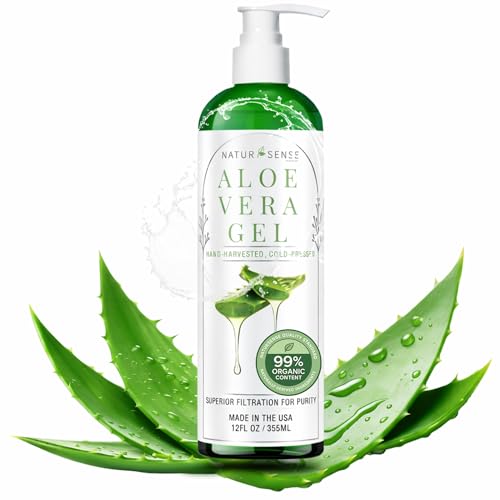
LIGHTWEIGHT HYDRATION, NO STICKY FILM – A thin, water-light aloe vera gel that absorbs fast and leaves skin fresh, not tacky. Made with 99% cold-pressed organic aloe leaf juice; the other 1% is a plant-based thickener, stabilizers and a gentle preservative. No alcohol, no dyes, no added fragrance.

SOOTHE & STRENGTHEN: 3.3-fluid ounces of Maui Moisture Scalp Care Soothe & Revive Hair Serum with Rosemary Oil helps to prevent scalp dryness while strengthening your curly hair

POND’S GEL MOISTURIZER – Loved for generations, this refreshing POND’S Aloe Gel delivers 24-hour soothing hydration and leaves skin looking dewy, soft, and luminous—so you can feel confident, from early mornings to winding down at night.
Prevent Irritation, Ingrown Hairs, and Razor Burn
Maintaining a shaved head requires three core strategies: using sharp razors with proper technique, exfoliating regularly, and selecting gentle products that won’t compromise your scalp’s barrier. Sharp blades prevent tugging that causes razor bumps, while shaving in hair growth direction minimizes cuts. Use short strokes with light pressure to reduce scalp trauma. Exfoliate once or twice weekly to remove dead skin and prevent ingrown hairs—debris-clogged follicles breed irritation. For skin sensitivity concerns, choose mild, fragrance-free cleansers with salicylic acid to keep follicles clear. After shaving, apply alcohol-free products containing aloe vera or chamomile that soothe without irritation. Pat products gently onto your scalp rather than rubbing aggressively. Cool water rinses calm skin and close pores effectively, reducing redness and discomfort. Consider using electric shavers designed for sensitive skin, as they cut hair at or above the skin surface to eliminate razor burn and micro-trauma unlike traditional blades that tug and pull follicles. Models like the Panasonic Arc5 offer powerful motors and wet shaving capabilities ideal for maintaining bald scalps without irritation. Bald scalp skin lacks the protective barrier that hair provides, making it more vulnerable to environmental factors like sun exposure and wind that can intensify irritation.

Medline Remedy Phytoplex Cleansing Foam contains a beneficial blend of proprietary Phytoplex botanicals to leave skin clean, nourished and hydrated | Can be used to gently cleanse and condition both skin and hair

MAXIMUM OTC STRENGTH - 2% PYRITHIONE ZINC: The FDA limits pyrithione zinc to 2% without a prescription - this formula is already there. Many dandruff shampoos use lower active levels; this cleanser delivers 2% pyrithione zinc. If you've tried other zinc products without results, you may benefit from a higher-strength 2% pyrithione zinc formula. DERMAdoctor delivers the highest concentration allowed over the counter, in a soap-free formula gentle enough for daily facial use.

🛀 RICH LATHER WITHOUT SULFATES — Powered by coconut-derived Sodium Cocoyl Isethionate (SCI), this sulfate free shampoo bar creates a creamy, satisfying lather that lifts dirt and buildup without stripping your scalp's natural protective oils.
Moisturize Daily to Keep Your Scalp Hydrated
Your shaved scalp loses moisture rapidly after hair removal, making daily moisturizing essential for maintaining soft, hydrated skin and preventing dryness, itchiness, and peeling. Apply lightweight moisturizers formulated with natural ingredients like aloe vera, hyaluronic acid, or jojoba oil immediately after showering while your skin remains damp—this timing maximizes absorption.
Use a pea-sized amount, massaging it across your entire scalp with gentle circular motions for 5-10 minutes to boost circulation. Daily hydration becomes non-negotiable in dry climates or after outdoor exposure; consider twice-daily applications when needed. For maximum protection during intense sun exposure, layering your moisturizer with SPF 30+ sunscreen helps maintain hydration while shielding your scalp from UV damage. Many dermatologists recommend products with sensitive skin ingredients similar to those found in specialized body grooming products to prevent irritation on delicate scalp areas. For convenient scalp maintenance, consider using electric shavers with pop-up trimmers that allow precise grooming without additional tools.
Complement your topical routine by drinking at least 2 liters of water daily to support internal hydration. This thorough approach prevents the tight, uncomfortable sensations that often follow shaving, keeping your scalp comfortable and healthy.
Protect Your Scalp From Sun Damage Year-Round
Since your scalp’s protective hair barrier no longer exists, you’re now facing direct UV exposure that demands year-round vigilance. Your thin scalp skin becomes vulnerable to sunburn, peeling, and increased skin cancer risk—particularly dangerous during spring and summer months.
Invest in wide-brim hats with UPF 50+ ratings, which filter 98% of UV rays without reapplication. Apply broad-spectrum SPF 50 sunscreen generously to your entire scalp before sun exposure, reapplying every two hours or after sweating and swimming. Early detection of skin changes is critical, so monitor your scalp regularly for new sores or moles that appear unusual. Consider using specialized grooming products with anti-friction technology designed to protect sensitive skin during maintenance routines. Removing your natural hair barrier also increases infection control risks, so maintain proper hygiene throughout your grooming routine.
Limit direct sun exposure to 10-30 minutes per session, staying in shade during peak UV hours between 10 a.m. and 4 p.m. Layer your defense strategy by combining protective hats, high-SPF sunscreen, and UPF-rated clothing. This all-encompassing approach shields your scalp from cumulative damage year-round.
Control Scalp Sweat and Shine Between Shaves
A shaved head exposes your scalp to sweat buildup and oil accumulation that you’ll notice far more readily than when hair masked these issues. You’ll want to implement a multi-pronged approach to manage both problems effectively.
Scalp antiperspirants containing aluminum chloride work directly at the source, minimizing perspiration during the day. Apply these targeted products to sweating areas for maximum control. Complement this with shine control through mattifying products like moisturizers with mango butter or exfoliators containing glycolic acid and bamboo powder.
Establish a cleansing routine using pH-balanced washes and exfoliate two to three times weekly to unclog pores and reduce oil buildup. Incorporate peppermint or tea tree oil shampoos to combat bacteria and irritation. Many people report that maintaining a shaved head actually provides increased confidence and freedom from the daily grooming demands associated with disguising hair loss. Like facial shaving, maintaining a shaved head requires protective care to keep your exposed scalp healthy and comfortable. It is essential to gradually introduce and patch-test new topical products to avoid potential skin irritation before committing to regular use. Lifestyle adjustments—staying hydrated, avoiding spicy foods, and wearing moisture-wicking headgear—significantly reduce sweat production between shaves.