No, shaving peach fuzz won’t make it grow back thicker. You’re experiencing a tactile illusion—blunt hair tips feel coarser than naturally tapered ends, heightening your sensitivity to regrowth. Your hair follicles remain structurally unchanged after shaving; dermatologists confirm that only internal factors like hormones affect actual hair growth characteristics. Once regrowth reaches sufficient length, your peach fuzz returns to its original softness. Understanding the differences between shaving, dermaplaning, and root-removal methods reveals why some techniques genuinely alter hair density.
The Myth: Why Shaving Peach Fuzz Seems to Make It Thicker
When you shave peach fuzz, you’re creating the illusion of thicker hair through a simple mechanical principle: the blade cuts each strand at skin level, leaving behind a blunt tip rather than the naturally tapered end. This blunt tip feels noticeably coarser against your skin during the regrowth phase, triggering your hair perception to shift dramatically. You’ve suddenly become acutely aware of stubble you didn’t notice before removal.
The myth origins trace directly to this tactile experience. Your heightened sensitivity to the regrowth emphasizes the blunt end sensation, convincing you that something’s fundamentally changed. However, the follicle itself remains completely unaffected. Once your hair reaches its original length, it returns to its naturally soft appearance, but by then, the misconception has already taken root. The actual hair texture and color remain unchanged after shaving, regardless of how different the regrowth may initially feel. Whether you choose wet or dry shaving, neither method will permanently alter your hair’s growth characteristics. Interestingly, some institutions like correctional facilities use head shaving as part of prison intake procedures for entirely different reasons related to sanitation and security rather than cosmetic outcomes.

✂️ COMPLETE HAIRCUT KIT – EVERYTHING INCLUDED: No need to buy extra tools. This all-in-one set includes scissors, thinning shears, razor comb, cape, neck duster, comb, clips, cleaning cloth, and storage bag—perfect for easy home haircuts.

This is a 7 in 1 men's beauty hair clipper kit. You can use various accessories to shave and remove annoying ear hairs, eyebrows and hair.
This is a 7 in 1 men's beauty hair clipper kit. You can use various accessories to shave and remove annoying ear hairs, eyebrows and hair.
What Dermatologists Actually Know About Regrowth After Shaving
Board-certified dermatologists confirm that shaving doesn’t alter your hair follicle structure or growth patterns. Your vellus hair returns exactly as it existed before removal—identical in thickness, color, and texture. The hair follicle remains biologically unchanged regardless of removal method used.
When your peach fuzz regrows within 3-4 weeks, you might perceive it as softer initially since it’s pushing through your skin’s surface. This sensory difference creates the false impression of textural change. However, medical literature establishes that your hair’s fundamental biological properties remain scientifically unaffected by surface-level removal. Just as brushing with proper technique helps distribute natural oils and maintain hair health, protecting your skin during regrowth supports optimal conditions for your vellus hair. Only internal factors like hormonal changes can impact hair growth characteristics, not external removal methods. Just as regular maintenance of grooming tools helps preserve their effectiveness, consistent care of your skin and hair supports optimal growth conditions.
Why Shaved Peach Fuzz Feels Coarser When It Grows Back
Because shaving cuts hair at the skin’s surface rather than tapering it naturally, you’re left with blunt-tipped strands that feel noticeably coarser during regrowth. This texture perception isn’t due to actual changes in your hair’s thickness or composition—the follicle remains unaffected by shaving. Instead, you’re experiencing a tactile illusion as the uniform blunt ends push through your skin. The sensation feels stubby and rough until your hair lengthens enough to develop its natural taper. Your hair growth rate stays constant; what changes is how you perceive it. This coarse feeling typically subsides within a few weeks as the tapered tip reforms, explaining why the myth of thicker regrowth persists despite dermatological evidence to the contrary. Hair typically grows at a rate of half an inch to one inch per month on the scalp, which remains consistent whether you shave or not. Since vellus hair removal does not result in thicker hair, the perceived coarseness you experience is purely a sensory phenomenon rather than an actual biological change. For best results and to minimize irritation during regrowth, proper shaving technique—including using a clean razor, shaving cream, and shaving in the direction of hair growth—can help reduce the stubble sensation.
Dermaplaning vs. Shaving: Which Method Affects How Hair Feels
While the blunt-tipped sensation you’re experiencing isn’t a sign of actual thicker hair, you might wonder whether the method you choose for removal affects how your regrowth feels. Both dermaplaning and standard shaving techniques remove hair at the skin’s surface, leaving identical regrowth. However, dermaplaning offers distinct advantages beyond hair removal. This professional method combines precision with exfoliation benefits, removing dead skin cells alongside vellus hair using a sterile surgical scalpel. Standard shaving techniques employ drugstore razors designed for body hair, providing no exfoliation benefits. For those seeking optimal results, many professionals recommend tools that prioritize ergonomics and battery life similar to what barbers consider when selecting their equipment. Professional barbers often recommend precision shaving tools that deliver superior results compared to standard consumer razors. While neither method alters hair texture, dermaplaning’s dual action improves skin quality, texture, and product absorption. Regular dermaplaning treatments promote a brighter complexion with consistent use over time. Ultimately, your regrowth feels identical regardless of removal method—the difference lies in accompanying skincare advantages, not hair characteristics.
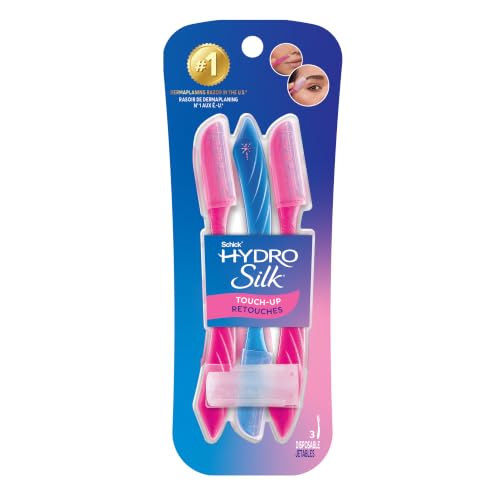
QUICK EASY TOUCH-UPS – Schick Hydro Silk Touch-Up is a versatile beauty tool that works as an eyebrow shaper, facial razor and dermaplaning tool to remove fine hairs.
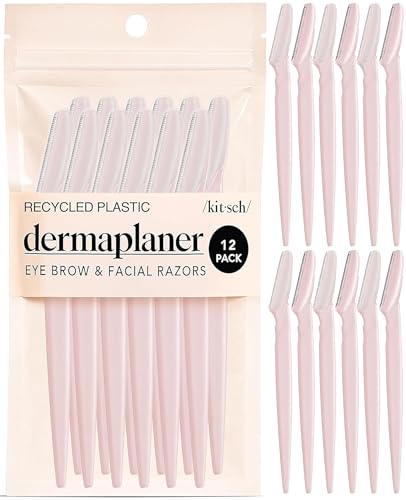
GENTLE EXFOLIATION & FACIAL HAIR REMOVAL: Achieve smoother, glowing skin with the Kitsch dermaplane razor for women face. This facial razor gently removes dead skin cells, peach fuzz, and buildup, helping improve skin texture and reveal a fresher, brighter look.
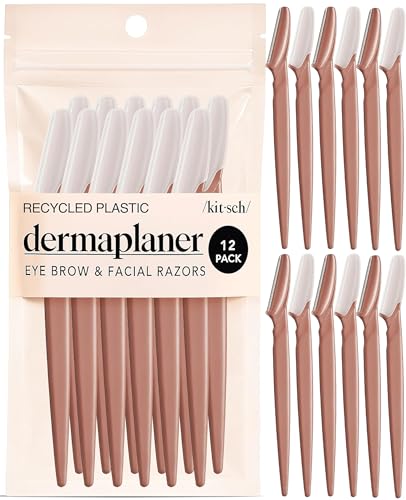
GENTLE EXFOLIATION & FACIAL HAIR REMOVAL: Achieve smoother, glowing skin with the dermaplane razor for women. Featuring 100% stainless steel blades, this facial razor gently removes dead skin cells, peach fuzz, and buildup, improving skin texture and revealing a fresher, brighter look. Perfect as a face razor or face shaver for women.
Root Removal: How Waxing Actually Can Thin Hair Over Time
Unlike shaving, which creates the optical illusion of thicker hair through blunt-edged regrowth, waxing removes hair from the root and can actually produce finer strands over time through cumulative follicle trauma. When you wax consistently every 4-6 weeks, you subject your follicles to repeated mechanical stress that weakens them progressively. This follicle-weakening process reduces hair density and produces thinner regrowth with each session. The waxing benefits extend beyond immediate smoothness—you’re synchronizing your hair growth cycles, which prolongs smoothness intervals. Over multiple sessions, typically 6-12 for noticeable hair thinning, you’ll observe softer skin texture and lighter hair. For those with sensitive skin, it’s important to choose appropriate hair removal methods, as conditions like eczema can affect how your skin responds to waxing or other treatments. Unlike permanent solutions like laser hair removal, these results remain temporary, but the cumulative effects demonstrate that waxing genuinely thins hair rather than stimulating thicker growth. Science confirms that waxing does not alter hair structure at the follicle level, meaning the thinner appearance results purely from mechanical stress and repeated removal rather than biological changes to the hair itself.

HARD WAX KIT FOR HOME USE: Maxpearl hair removal waxing kit contains everything you need to create your own mini waxing studio at home, including a digital wax machine, 4 bags non strip wax beads and 20pcs wooden spatulas-10pcs for small areas, 10pcs for large areas, 10 nose wax sticks for nose hair waxing. They are great for both beginners and estheticians.
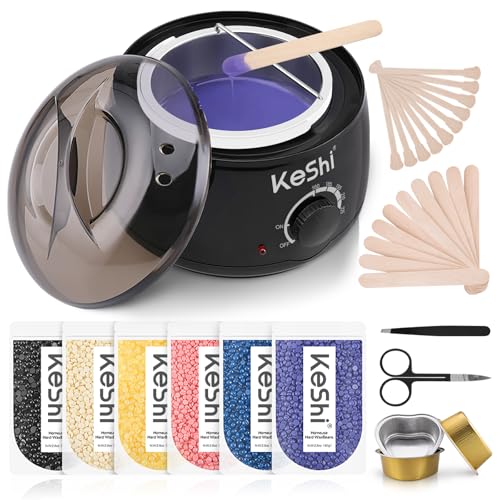
COMPLETE 500ML WAXING KIT: Everything you need for at-home waxing in one box: 1 × 500ml electric wax warmer with aluminum pot, 6 × 80g hard wax bead bags (480g total), 20 applicator sticks, 3 small waxing bowls for small areas waxing, tweezers, scissors and a step-by-step guide. No separate wax warmer or wax strips needed to get started.

【All-in-One Waxing Kit】Easy waxing at home, the TIKESI wax kit contains everything you need. wax machine 500ml(1 unit), 5 bags wax beads(14 oz), 1 pre-waxing spray, 1 after-waxing spray, 10 small waxing sticks, 10 big waxing sticks, 5 waxing protection rings, and 1 user manual. Up to 98% of unwanted body hair can be removed with this eyebrow waxing kit.