A foil shaver uses oscillating blades vibrating up to 14,000 times per minute behind a thin, perforated metal foil to cut your hair at skin level while protecting your skin from direct blade contact. The foil’s micro-perforations lift and trap short stubble efficiently, delivering precision cuts without aggressive tugging. You’ll experience reduced nicks, razor burn, and irritation—making foil shavers ideal for sensitive skin and daily grooming. Understanding how to maximize your shaver’s performance requires exploring technique, maintenance, and whether this technology truly matches your individual needs.
What Is a Foil Shaver?
A foil shaver is an electric razor that uses oscillating blades moving thousands of times per minute to cut hair at skin level—all while a thin, perforated metal foil keeps the blades from touching your skin directly. This foil technology represents a significant advancement in shaving accessories, combining safety with precision cutting.
Hair enters through the foil’s tiny perforations and gets captured at the surface level, where oscillating blades slice it flush with your skin. The design prioritizes both efficiency and comfort, eliminating the cuts and irritation associated with traditional razors. Many models feature a center pre-trimmer bar that lifts longer hairs before the main blades cut them, delivering a closer finish. High-speed motors power these oscillations, with some achieving up to 14,000 revolutions per minute for peak performance. Foil shavers like the Braun Series 9 PRO+ maintain a slight edge in closeness compared to rotary alternatives, and they work exceptionally well for sensitive skin grooming when designed with protective features. Regular cleaning with included brushes or self-cleaning stations ensures your foil shaver maintains optimal performance over time.
Why Foil Shavers Work Better for Sensitive Skin
Now that you understand how foil shavers function, you’ll want to know why they’re particularly suited for sensitive skin. The thin foil barrier creates essential distance between sharp blades and your skin surface, dramatically reducing nicks and cuts. This protective design proves especially valuable for sensitive skin prone to irritation and razor burn.
Unlike rotary shavers’ broader contact area, foil shavers deliver gentler shaving techniques through their streamlined construction. The smooth gliding motion eliminates tugging sensations that typically aggravate sensitive skin conditions. Additionally, foil shavers cut hair at less aggressive angles, minimizing ingrown hair formation and inflammatory responses. Most users experience noticeable improvements within an adjustment period of 2-4 weeks as their skin adapts to this gentler method. For optimal results, using shaving cream or preshave oils can further mitigate irritation risks and enhance the protective benefits of the foil design.
You’ll experience fewer irritation episodes with proper shaving techniques, making daily use feasible without cumulative skin damage. Proper preparation such as exfoliating and softening facial hair with warm water before shaving is essential for minimizing irritation and achieving better results. The hypoallergenic foil materials accommodate all skin types, offering you a reliable, comfortable shaving solution.
How Foil Shavers Capture Hair (The Mechanism)
Through a precision-engineered combination of foil design and blade mechanics, foil shavers lift and cut your hair with remarkable efficiency. When you press the shaver against your skin, the foil’s pressure causes your skin to deform slightly, lifting hairs from their follicles. Your hairs then poke through the foil’s micro-perforations, where they’re trapped and guided toward the oscillating blades beneath.
The cutting mechanism relies on a scissor-like action: your stationary foil edge works against the rapidly moving inner blade, which oscillates thousands of times per minute. This shearing motion severs hairs precisely at skin level. The foil’s hole pattern is strategically sized to capture short stubble effectively while maintaining a protective barrier. For users with coarser facial hair, understanding cutting power and blade technology becomes essential when selecting the right foil shaver for your needs. Modern shavers commonly use DC motors powered by rechargeable batteries to achieve this rapid oscillation. Foil shavers are particularly effective for individuals with sensitive skin who require gentleness without compromising on shave quality. This hair capture system delivers the smooth, close shave you’re seeking while safeguarding your skin from direct blade contact.
Foil vs. Rotary: Which One Should You Choose?
How do you know which shaver type matches your shaving needs? Your choice hinges on several technical factors affecting shaving efficiency and personal grooming outcomes.
Choose foil shavers if you prioritize precision styling, maintain sensitive skin, or shave daily. They deliver closer shaves with minimal irritation thanks to their thin foil buffer. You’ll appreciate the straight-line motion for detailed work around sideburns and the upper lip. Foil shavers require straight line movements to achieve optimal results and maintain control during grooming. Top performers like the Braun Series 9 Pro excel at delivering comfort while maintaining precision on flat facial areas.
Select rotary shavers if you’re managing coarse, thick hair or hard-to-reach contours like your neck. Their independent heads navigate multi-directional growth patterns effectively, reducing ingrown hairs by cutting further from your skin surface. Rotary shavers are particularly effective for coarse beard management on areas requiring flexible head positioning.
Test both types to assess personal comfort. Most men find foil shavers superior overall, though rotary suits those shaving infrequently with moderately fast-growing beards.

World's #1 Foil Shaver Brand. The perfect holiday gift.

Professional Foil Shaver: Engineered for barbers, delivers an ultra-smooth, bump-free finish on face, head, neck, and hairline. Perfect for blending bald fades or finishing close cuts.
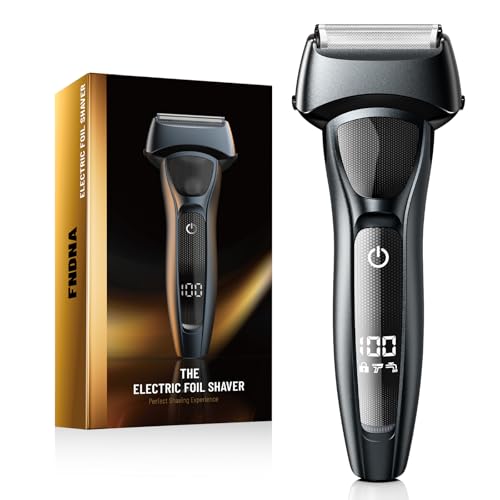
Skin‑Friendly Shaving Technology – Engineered with a responsive floating foil that smoothly tracks the curves of your face, neck, and jawline. The hypoallergenic design reduces friction and prevents razor burn, giving you a comfortable, irritation‑free shave even on sensitive skin
Is a Foil Shaver Right for Your Shaving Needs?
Since foil shavers excel at specific grooming scenarios, determining whether one suits your needs requires evaluating your skin sensitivity, shaving frequency, beard characteristics, and styling priorities. If you’ve got sensitive skin or acne-prone complexions, a foil shaver’s protective barrier greatly improves your user experience by minimizing irritation and ingrown hairs. Daily shavers benefit from the high vibration rate and quick dry-shave capability, eliminating prep time.
However, cost comparison reveals a higher initial investment, though foil longevity—12–18 months versus frequent razor cartridge replacements—justifies long-term savings. You’ll experience a 2–3 week adjustment period as your skin adapts. The oscillating blades operate at 10,000–14,000 vibrations per minute to efficiently cut hair without requiring shaving cream preparation. For those seeking precision detailing and crisp lines similar to professional grooming tools, consider how foil shavers compare to edge-up trimmers designed for specific styling demands.
Consider whether you prioritize precision detailing or prefer handling longer stubble. Foil shavers dominate close, short-hair scenarios but underperform on coarse growth. Match the technology to your specific grooming demands for ideal results.

CLOSE, CLEAN SHAVE: 3 blade free floating system follows facial contours for a flawless finish and includes a middle trimmer to cut difficult hairs along with 2x SensoFoil shaving elements for ultimate closeness and skin comfort

Skin Friendly Foil System: Dudes, meet your no-yank zone! These grooming beasts rock precision titanium blades with built-in smart sensing tech – bye-bye beard tugging. The floating head design? Lets your portable razor glide like butter on facial contours. Smooth operator status: unlocked

4-Blade Floating Precision: Engineered with 4 independent floating blades, the foil shavers for men contour to the jaw, chin, and neck in a single pass, capturing flat-lying hairs that fixed-heads miss. Each flexes for consistent skin contact
Get the Closest Shave: Technique and Tips
Mastering foil shaver technique separates mediocre results from genuinely close shaves. Hold your shaver at a precise 90-degree angle, applying only light pressure to prevent irritation. Use short, circular or vertical strokes, moving slowly across your face for complete coverage.
Shave against your hair’s grain direction for ideal closeness—achieving 0.1-0.5mm stubble. Stretch skin taut with your free hand to maximize foil contact. Target areas with multiple passes, hitting dense spots like your jawline and neck from different angles.
Before shaving, soften stubble with a warm towel and apply protective products like pre-shave oil, especially if you have sensitive skin. Similar to clipper work, achieving smooth blending requires repeated passes with adjusted techniques and tools. Top foil shavers like the Braun Series 9 PRO+ feature synchronized shaving elements that enhance comfort and closeness for all skin types. Remove foil head and brush away trapped hair after each shaving session to maintain optimal shaver performance. Adjust your shaving frequency based on growth rate and skin tolerance. After shaving, use moisturizer or aftershave balm to soothe skin effectively.

Frictionless Glide – Smooths your shaver's path across the skin, allowing foils, rotary heads, or traditional blades to glide effortlessly with minimal pressure.
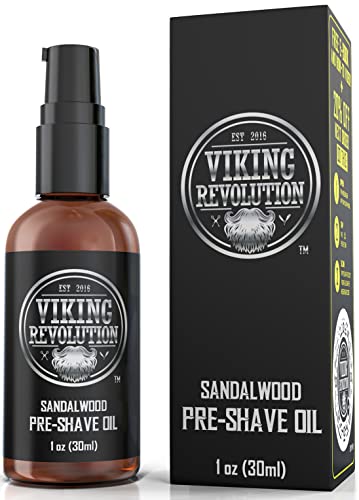
Silky Smooth Shave- Apply our pre-shave oil before your shaving regimen to leave your skin incredibly soft.

NATURAL FORMULA FOR SCALP CARE. Specially designed for head shaving, our blend of natural oils softens hair and protects the scalp. Rich in antioxidants and vitamins, it nourishes and conditions the skin, ensuring a healthy, great-looking scalp.
Three Shaving Mistakes That Cause Irritation
Even with proper technique, you’ll sabotage your shave if you’re making common shaving mistakes that trigger irritation. First, excessive pressure forces skin through foil perforations, causing severe razor burn. Your electric shaver’s efficient cutting technology requires no added force—let the blades do the work. Second, shaving against hair growth pulls follicles and creates inflammation. Move with your hair’s natural direction using light, short strokes. Third, skipping skin preparation clogs foil heads with dead skin and oil, forcing razors to tug rather than cut cleanly. These mistakes compound skin sensitivity issues considerably. Replace dull blades promptly, exfoliate beforehand, and always follow shaving with cool water and moisturizer to minimize irritation risk. Like quality grooming tools that feature self-sharpening high-carbon steel blades, maintaining sharp razors ensures cleaner cuts and reduces the need for excessive pressure. For those with sensitive skin prone to razor bumps and ingrown hairs, using electric razors with sonic technology can significantly reduce irritation by capturing more hair in fewer passes. Genetic factors might also influence hair thickness and skin sensitivity, which means some individuals will experience more severe reactions to aggressive shaving techniques than others.
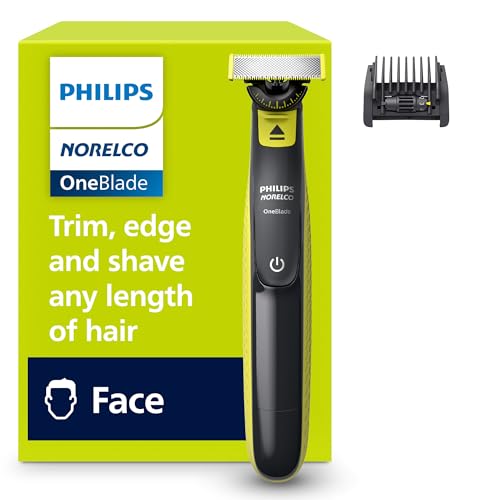
OneBlade Technology: Fast-moving cutter moves 12,000x/min on longer hair; the Dual Protection system with glide coating and rounded tips supports a more comfortable shave

Essential electric shaver for women and girls is designed for shaving sensitive skin on legs

A Safe and Gentle Electric Razor for Women: Experience easy, curve-hugging, smooth shaving with a womens electric razor for bikini area in a reusable, rechargeable design that minimizes skin irritation while reducing disposable waste
Replace Your Foil and Blades: Timing and Signs
To maintain your foil shaver’s peak performance, you’ll need to replace both the foils and blades regularly—most manufacturers recommend doing so every 12–18 months, though your actual replacement timeline depends on individual usage patterns and maintenance habits. Daily shavers experience faster wear than occasional users, while coarser facial hair accelerates degradation. Your maintenance practices greatly impact longevity; consistent cleaning, lubrication, and proper storage extend component lifespan considerably. Watch for declining shaving closeness, increased irritation, longer shaving times, and visible damage as replacement indicators. Replace foils and blades together rather than individually, since foil wear isn’t always visually apparent. Dull blades lead to a less close shave, reducing comfort and requiring additional passes over the same areas. To further enhance your shaving experience and minimize irritation during the replacement process, consider using a quality shaving cream or gel designed for your skin type. For those with particularly sensitive neck areas, specialized razors with pressure sensors can help prevent over-shaving and reduce irritation when replacing worn components. Purchasing genuine manufacturer parts guarantees prime performance and reliability, keeping your shaver functioning efficiently without requiring complete replacement.

Restore pro-level cutting power – Bring your ProFoil back to peak performance with a precision replacement foil and cutter designed for barbers, stylists, and serious groomers who rely on clean, consistent results.

Packaging Includes: 1 foil head and 2 cutters.

【Precisely Compatible】 This replacement head compatible with Babylisspro FX3/FXX3S professional high speed double foil shaver. Utilizing a precise 1:1 mold design, the clips fit tightly, allowing the shaver to restore its optimal shaving performance.