Zero gapping trimmers compress your clipper springs to achieve approximately 0.2mm gap between moving and stationary blades. This precise adjustment prevents hair catching and skin contact, delivering sharper cuts with fewer passes. You’ll experience improved cutting efficiency, enhanced client comfort, and professional-grade fades and tapers. The process requires thorough blade cleaning and regular maintenance for ideal performance. Mastering proper adjustment techniques will transform your trimming results considerably.
What Zero Gapping Does (and Why It Matters)
When you zero gap your trimmers, you’re compressing the clipper springs to reduce the gap between the moving blade and stationary blade—aligning them as close as possible without direct contact. You’ll apply pressure on top of the blades while moving from the guard area toward longer lengths, creating tension that pushes them together more firmly. This precision alignment typically achieves gaps of approximately 0.2mm or slightly larger, preventing skin contact while eliminating spaces where hair becomes caught.
The result? Remarkably improved cutting efficiency. You’ll need fewer passes over the same area to achieve desired results, reducing the workload on your blade mechanisms. You’ll also execute fades, tapers, and ultra-sharp lines with minimal effort, making thick, dense, and curly hair considerably more manageable throughout your cuts. Models like the Panasonic ER-GB42 demonstrate how bare blade cutting to minimal gaps enables precise edging for professional results. To maintain peak performance, regularly rinse your trimmers under warm water to remove hair and debris that can compromise cutting precision. Proper blade maintenance and sharpening ensures optimal performance, especially when working with dense hair types that demand precision cutting.

Premium Titanium Blades: Mens hair clippers designed for smooth, quick, and precise clipping performance on all types of hair with high quality long lasting high-carbon enhanced self-sharpening precision premium titanium stainless T-blades, The tip part adopts safe R outlineing obtuse angle design, the professional edgers clippers satisfy any styling needs,such as lining, sculpt contours, and dry shaving.

【 SUPREME TRIMMER FOR MEN 】T Shaper Trimmer is a High performance Cord/Cordless Trimmer for use on Head, Beard, Body, Mustache & All hair Types. A professional & Affordable Barber Trimmer to solve your Grooming needs. All in One Trimmer

CUTTING-EDGE "DLC" BLADE: Our hair liner features the latest Diamond-Like Carbon (DLC) coated blades which triples sharpness, accuracy, and durability for anti-jam+zero-pull cutting through dense hair. Engineered for corrosion resistance and reduced friction, the blades stay significantly cooler during use. Combined, these features transform grooming into a supremely comfortable luxury ritual.
Why Zero Gapping Works Better (and Who Benefits Most)
Now that you understand how zero gapping compresses your blade springs to achieve that critical 0.2mm alignment, you’re probably wondering why this precision matters so much—and who’ll actually see the biggest payoff from making the adjustment.
You’ll experience immediate improvements in cutting precision, especially when handling thick or curly hair that typically resists standard clippers. The elimination of pulling and tugging directly enhances client comfort during appointments. Professional barbers benefit most, gaining the ability to execute fades, tapers, and close shaves with superior control. Specialists working with dense hair types require fewer passes, streamlining their workflow considerably. The closest cut possible makes zero gapping clippers particularly valuable for precision grooming work. Proper blade maintenance extends the life of your trimmer and ensures consistent performance over time. If you regularly perform detailed facial or head work, zero gapping reduces strain while delivering smoother finishes that justify premium pricing and build client loyalty.
Master the Adjustment (Step-by-Step)
Getting zero gapping right requires methodical attention to five core preparation steps that’ll set you up for success. You’ll power off and unplug your trimmer, then clean the blades thoroughly with the provided brush. Remove all guards and attachments, working in adequate lighting to see clearly.
Next, locate the screws on your trimmer head’s backside and slightly loosen them while holding blades steady. For blade maintenance, brush excess hair from the drive unit. Consider using sharpening stones periodically to maintain blade sharpness alongside your zero-gapping routine. Regular zero-gapping maintains trimmer performance and should be done approximately once a week to keep your tool in optimal condition. Applying clipper oil after adjustment helps reduce friction and extends blade longevity.
Your alignment techniques involve pushing the cutting blade flush against the stationary blade, ensuring they’re close without touching. Hold this position while gently tightening screws with three fingers, alternating between them for balanced securement. Finally, test your trimmer on an inconspicuous area, listening for a smooth hum and checking for snag-free gliding.
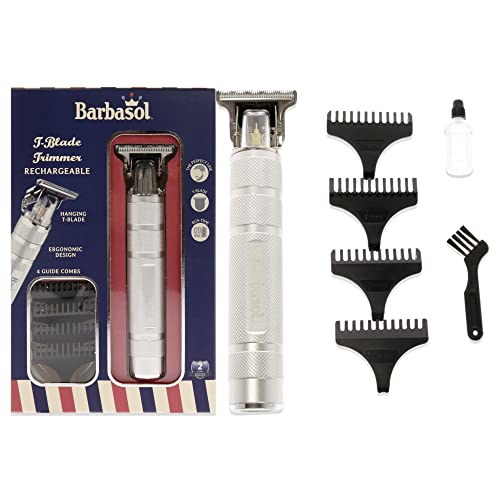
Zero-Gapped Design For The Perfect Trim: Our Zero-Gapped format creates an ultra-close trim that’s crisper, cleaner and creates a better outline to your beard or facial hair.

Titanium Ceramic T-Blade: Our professional cordless hair trimmer features Titanium Ceramic blade with a 360° R-shaped edge, ensuring a skin-friendly experience. Perfect for haircuts, body hair trimming, detailed lining, beards, and sideburns. Ideal for home use or as essential barber supplies

Level Up Your Arsenal - We got the dynamic duo of barber tools for you right here. This premium barber accessories set features our 1-Minute Blade Modifier paired with the 10-Second Blade Setter tool.
Mistakes That Ruin a Cut (and How to Sidestep Them)
Even after you’ve mastered the adjustment process, common mistakes can undo all your careful work and compromise your cutting results. Over tightening blades reduces cutting efficiency and creates excess resistance during operation. You’ll throw alignment out of balance if you tighten unevenly on one side. Poor blade alignment stems from uneven pressure during tightening, producing unusual operating noises and causing blades to catch or snag on skin. Before adjusting, clean accumulated hair and debris that hinder precise positioning and affect gap measurement accuracy. A digital gap tool ensures you achieve the exact zero gap needed for optimal blade performance. Maintaining the original cutting angle during blade sharpening helps preserve blade integrity and prevents misalignment issues. During use, apply consistent pressure—excessive force tugs and damages skin, while insufficient pressure fails to deliver sharp lines. Always test on inconspicuous areas first using the finger glide method to confirm proper gap. Finish with clipper spray lubrication for peak performance. Understanding contraband concealment prevention through proper grooming tools helps maintain security standards in controlled environments.
Which Blade Types Work Best for Zero Gapping
Once you’ve avoided the common pitfalls that compromise your cuts, you’ll find that blade selection makes all the difference in achieving true zero-gap performance. T blade materials vary greatly in their capabilities. Carbon-steel T-blades deliver ultra-sharp cuts with high accuracy, while high-carbon precision ground blades handle every beard density effectively. DLC titanium options enhance durability and comfort during extended use. For sensitive skin areas, consider complementary products like shave gels and serums to optimize your grooming results alongside proper blade selection. Specialized trimmers with ceramic blade technology provide skin-friendly cutting surfaces that prevent irritation during grooming.
Blade compatibility matters equally. You’ll want T-blades designed specifically for your clipper model—whether you’re using Wahl, Andis, BaBylissPRO, or Gamma+ equipment. Wahl’s T-wide blades work seamlessly with their Pro-Set Tool for zero-gapping. Matching your blade material and model guarantees the best alignment and eliminates gaps between cutting surfaces, preventing hair trapping and delivering the precision lines you’re after. Professional barbers consistently choose zero-overlapped stainless steel blades for their superior precision and accuracy in detail work.

PROFESSIONAL TRIMMER: Use for crisp, clean lines, dry-shaving, and sharp edges with zero overlap blades. Works as a hair, beard, sideburns, and mustache trimmer. All-in-one device, suitable for all ages.

FITS YOUR FAVORITES: Replacement blades for the Andis T-outliner, Andis Blackouts, Andis GTX, and Andis T-outliner Trimmers, cordless and corded are available.

Carbon-Steel Shallow-Tooth GTO Blade delivers ultra-precise, close cuts with sharper, cleaner lines -- ideal for outlining, edging, and detail work on sensitive skin with reduced razor bumps