You’ll find BaByliss trimmer blades differ in tooth density, material, and cutting capability. Fine tooth blades deliver precision for detailing and sensitive skin, while deep tooth blades excel at bulk removal on coarse hair. Standard blades balance speed and control for versatility. Materials range from graphite’s durability to titanium’s hypoallergenic properties. Zero-gap design guarantees sharp styling lines and reduces catching. Matching blade type to your trimmer speed and hair texture optimizes performance and longevity. Understanding these distinctions helps you select the ideal blade for your specific cutting needs.
Blade Tooth Types Explained: Fine, Standard, and Deep
When you’re selecting a BaByliss trimmer blade, understanding tooth configuration is crucial because it directly impacts your cutting precision and results. You’ll encounter three distinct types: Fine tooth blades feature shorter teeth with increased density per inch, delivering crisp lines ideal for detailing and edge work across all hair textures. Standard tooth blades position teeth between fine and deep spacing, offering versatility for both edging and bulk removal while accommodating various skin sensitivities. Deep tooth blades utilize longer teeth with wider gaps, enabling rapid bulk removal and performing effectively on coarse, thick hair. Each configuration maintains zero-gap design with 360° exposed T-blade exposure. Coated blades help reduce heat generation during extended use, keeping both you and your clients comfortable throughout longer styling sessions. For comprehensive grooming beyond beard maintenance, consider all-in-one trimmer options that provide versatile solutions for head-to-toe grooming needs. Professional barbers frequently choose BaBylissPRO models for their superior blade sharpness and reliability in delivering consistent results. Your blade maintenance remains consistent across types, though selecting the right tooth pattern guarantees you achieve peak cutting precision for your specific application and client needs.

Professional Quality: This BaBylissPRO trimmer blade features Metal Injection Molded (MIM) deep-tooth titanium T-blade construction for ultra-precise cuts, clean lineups, fades, and reliable performance on coarse or thick hair.


Choose the Right Tooth Type for Your Hair
Your hair texture and trimming objectives should dictate which tooth type you’ll select, as each configuration delivers distinct advantages for different applications. If you’re working with thick or coarse hair, deep tooth blades excel at bulk removal with their 2.0mm tooth depth and wider gaps. For precise edging and detailed fades, fine tooth blades provide superior control and work effectively on sensitive skin. Standard tooth blades offer versatile blade compatibility across all hair textures and skin sensitivity levels, making them your go-to option when handling mixed or varied client needs. Match your selection to trimmer speed capabilities—graphite deep-tooth configurations support up to 7200 rpm for peak performance, similar to how high-speed electric shavers achieve up to 70,000 cross-cuts per minute for superior cutting efficiency. Both coatings provide corrosion resistant protection to extend blade life and maintain cutting performance over extended use. Regular maintenance of your trimmer blades through proper cleaning and drying will preserve their sharpness and prevent rust buildup. Consider skin sensitivity alongside hair texture to guarantee comfortable, efficient results.
Find Compatible Blades for Your BaByliss Trimmer Model
How do you know which blade’ll work with your specific BaByliss trimmer? Start by consulting your trimmer’s replacement guides—they’re your definitive source for blade compatibility information. For FX787 models, you’ll find that FX707Z, FX707G2, FX707B, FX707B2, and FX707RG2 blades all fit seamlessly across the line. The FX708Z blade comes standard with FX Trimmer models in silver and gold variations. All outliner trimmer blades remain interchangeable within the FX787 family, simplifying your selection process. The Ultra Thin Zero-Gap adjustable blade design ensures precision cuts across all hair textures for professional results. Like comparing grooming devices with incremental refinements, blade upgrades between trimmer models often offer modest improvements rather than dramatic changes. When selecting a trimmer, consider skin-friendly tools that help avoid razor burn and irritation during grooming. Before purchasing replacement blades, always verify compatibility by checking manufacturer guides specific to your model. This guarantees you’re getting the right blade for your trimmer’s specifications and your trimming needs.
What Zero-Gap Design Does (and Why It Matters)
The zero-gap design fundamentally transforms your trimmer’s cutting capability by allowing you to position the moving top blade with precision against the stationary bottom blade, eliminating the spacing that exists in standard factory settings. This zero gap advantage enables exceptionally close cuts that achieve sharp styling lines and precise fades impossible with standard factory configurations.
You’ll experience cleaner edge definition and reduced catching when blades glide smoothly across skin. The precision cutting capability allows you to create intricate design patterns and detailed work that expands your creative styling options. Routine maintenance checks are essential for achieving consistent zero-gap performance over time. Like specialized grooming tools designed for pubic and scrotum trimming, zero-gap trimmers require proper blade alignment to prevent nicks and irritation. Many high-end cordless foil shavers integrate pop-out trimmers for similar precision styling capabilities.
Beyond performance, zero-gap advantages extend to durability. You’ll enjoy less frequent blade replacements and reduced maintenance intervals, ultimately decreasing operational costs while maintaining consistent performance quality across extended use periods.

Titanium Ceramic T-Blade: Our professional cordless hair trimmer features Titanium Ceramic blade with a 360° R-shaped edge, ensuring a skin-friendly experience. Perfect for haircuts, body hair trimming, detailed lining, beards, and sideburns. Ideal for home use or as essential barber supplies

360 Extreme Visibility – Exposed skeleton trimming head design provides a clear line of sight during use to achieve clean and crisp precision lines.

Premium Titanium Blades: Mens hair clippers designed for smooth, quick, and precise clipping performance on all types of hair with high quality long lasting high-carbon enhanced self-sharpening precision premium titanium stainless T-blades, The tip part adopts safe R outlineing obtuse angle design, the professional edgers clippers satisfy any styling needs,such as lining, sculpt contours, and dry shaving.
Blade Performance Across Hair Types
Because different hair types demand specific cutting characteristics, BaByliss engineered distinct blade tooth configurations to maximize performance across the spectrum of hair textures you’ll encounter. Fine tooth blades excel with delicate hair and sensitive skin, delivering precision without irritation. Standard tooth blades provide versatility, balancing speed and detail for most users regardless of texture sensitivity. Deep tooth blades tackle thick, coarse hair with 2.0mm deeper teeth, enabling rapid bulk removal without clogging. For users with irritation-prone skin, selecting a trimmer with appropriate blade design becomes essential to minimize discomfort during grooming.
Your trimmer maintenance tips include matching blade selection to hair type for best results. Implement blade care guidelines by cleaning zero-gap designs after each use, preventing hair buildup that compromises cutting efficiency. The zero-gap deep-tooth blades featured in high-performance skeleton trimmers are constructed from durable graphite to enhance precision grooming capabilities. For sensitive areas, using skin-friendly designs with rounded blades minimizes the risk of irritation during grooming. Pairing the correct blade configuration with your client’s hair texture ensures superior performance and extends blade longevity.
Graphite vs. Steel vs. Titanium: Which Material Lasts Longest
While selecting the right blade tooth configuration optimizes cutting performance for your client’s specific hair type, the underlying material composition determines how long that blade will actually maintain its effectiveness. Graphite durability excels through natural lubrication and stability under high temperatures and chemicals, requiring minimal maintenance. Steel offers high hardness for frequent use but demands regular oiling and remains prone to chipping. Titanium performance stands out with its hypoallergenic properties and superior heat management, while DLC titanium coatings exceed natural diamond in hardness. The Graphite 2.0’s deeper teeth handle coarse hair without quick dulling, extending longevity markedly. For maximum lifespan, titanium and DLC-coated options outperform uncoated steel, though graphite’s natural lubrication reduces overall maintenance demands considerably. Premium trimmers like those featuring high-carbon steel blades deliver the precision and durability that professional barbers depend on for consistent results. Many professional barbers recognize that a well-maintained blade serves as a confidence and style tool that enhances their craft and client satisfaction. Busy barbers benefit from frequent blade changes to maintain optimal cutting performance and prevent the motor noise that develops over extended use periods.

2 HEADS: One for ears and nose, the other for precise eyebrow grooming.
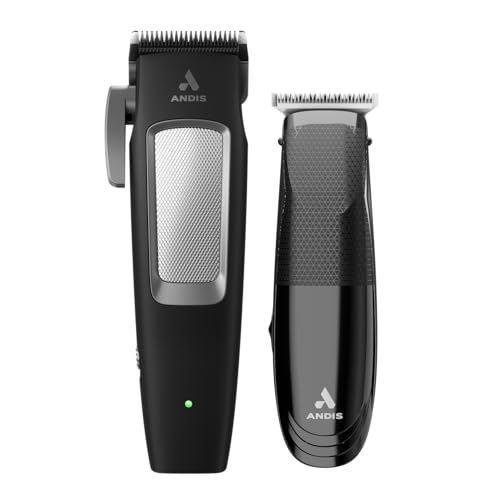
Complete 23-piece clipper and trimmer combo powered by lithium-ion technology, delivering up to two hours of fade-free performance for all hair and beard grooming needs.

This is the standard tooth T-Blade for BaBlissPRO models: 799, 787, 729, and 726
Match Your Blade to Cutting Speed and Technique
Once you’ve selected your blade material and tooth configuration, matching that blade to your cutting speed and technique becomes essential for achieving ideal results. Deep tooth blades accelerate bulk cutting on coarse hair, pairing well with high-rpm trimmers like 7200 rpm models. Fine tooth blades prioritize precision over speed, supporting vertical fade and taper motions for detailed work. Standard blades balance speed and control for general outlining and designing techniques. Your cutting techniques directly influence blade selection—deep tooth facilitates scooping for sharp lines on thick hair, while fine tooth excels at tapered blends. Professional barbers consistently emphasize the importance of zero-gap blades for precision work across all cutting techniques. For women’s facial hair removal, selecting the right tool requires similar attention to blade quality, as hypoallergenic heads and precise cutting configurations minimize skin irritation during delicate work. Consider your blade materials’ durability alongside your chosen technique to optimize trimmer performance and consistency across varied hair types.
When to Replace Your Trimmer Blade
How do you know when it’s time to swap out your trimmer blades? Several signs of replacement emerge when your blades lose effectiveness. You’ll notice dull, uneven cutting performance and increased completion time for haircuts. If you’re experiencing pulling or snagging sensations, excessive heat, noise, or scalp nicks, replacement is overdue.
Blade longevity factors depend heavily on usage frequency. Daily professional use demands replacement every 3-6 months, while weekly trimming extends lifespan considerably. Physical damage—rust, bent teeth, or misalignment—accelerates deterioration. Monitor blade condition continuously; smooth cutting indicates proper function. Regular maintenance routines, including cleaning and oiling, can significantly prolong blade life even with consistent professional use. Applying specialized clipper oil before and after each use reduces friction between blades and keeps them sharper longer. Cleaning clippers after every 2-3 uses prevents fungal and bacterial growth that can compromise blade performance and hygiene standards.
Replace blades in complete sets rather than individually. Keep spare sets readily available for each tool type to maintain consistent performance and sanitation standards throughout your professional practice.

FITS YOUR FAVORITES: Replacement blades for the Andis T-outliner, Andis Blackouts, Andis GTX, and Andis T-outliner Trimmers, cordless and corded are available.

【Why Replace The Blade】:Trimmer usage over time will cause the blade to gradually dull. We recommend replacing your blade every 2-3 months to keep it sharp and efficient.

Item Package Dimension:3.75 inches L x4.75 inches W x0.75 inches H
Extend Blade Life: Cleaning and Storage Tips
Three fundamental practices—cleaning, oiling, and proper storage—form the foundation of blade longevity and performance. You’ll extend your trimmer’s lifespan considerably by brushing debris after each use and performing thorough cleaning every 1-2 weeks with blade wash solution. Apply 3 drops to your top blade edge and 1 drop to each end before and after use, running the clipper for 10 seconds to distribute oil evenly. For optimal hygiene and performance, lubricate blades monthly with oil like vegetable or clipper-specific drops applied while running the trimmer briefly before wiping excess.
Your blade maintenance practices must include proper storage solutions. Store cleaned, disinfected, and dried blades in protective cases, ensuring they’re parallel and flush. Wipe excess oil before storage to prevent dust attraction and corrosion. Never store wet blades. Professional sharpening services should be scheduled regularly to restore cutting performance when signs of dullness appear. By following these systematic approaches, you’ll maintain peak cutting performance and prevent premature blade degradation.