You’ll determine if a buzz cut suits you by evaluating your face shape—ovals, squares, and diamonds work best—and examining your hair type and scalp visibility. Consider your lifestyle demands and comfort with facial exposure. Check your head shape for symmetry, as prominent features become more visible. Factor in maintenance costs and your commitment to trims every 2-3 weeks. Understanding these elements reveals whether this style genuinely matches your profile.
Face Shape Compatibility: Which Profiles Suit Buzz Cuts
Your face shape determines whether a buzz cut will enhance your features or work against them. Face shape compatibility is essential for achieving ideal results.
Oval, square, and diamond faces gain significant buzz cut benefits. These profiles feature angular structures that the cut accentuates naturally. Oval faces maintain balanced proportions with versatile styling options. Square faces highlight your jawline and cheekbones through textured buzz variations. Diamond faces benefit from short lengths that soften pronounced cheekbones. Pairing your buzz cut with facial hair like stubble can add texture and definition to enhance your natural features further. Just as selecting the right tools matters in grooming, choosing appropriate blade width and design ensures better control and results for your specific needs.
Round faces present challenges. The buzz cut lacks angular texture, making your face appear wider rather than slimmer. You’ll achieve better results with fade or undercut styles instead.
Heart-shaped faces require caution. The cut risks exposing your forehead excessively. Consider textured crew cuts that add top volume and balance your wider forehead with a narrower chin.
Assess your face shape first before committing to a buzz cut.

Hair Clipper:Heavy-duty gear for proper powerful cut, with stable and steady control. The R shaped rounded edge design prevents from accidentally hurting skin.

Cordless Convenience – Color Pro Cordless is rechargeable and wireless. Cord/Cordless allows you to use the clipper on battery or when it's charging.

Lifestyle Match: Is a Buzz Cut Right for Your Schedule?
Beyond facial compatibility, a buzz cut‘s practicality hinges on how well it aligns with your daily demands and activity level. If you’re juggling demanding schedules, a buzz cut delivers exceptional grooming efficiency—you’ll eliminate time-consuming styling routines and frequent salon appointments altogether.
Your lifestyle integration improves greatly with this cut. Athletes benefit from reduced hair interference during intense workouts, while professionals appreciate the minimal morning preparation required for polished appearances. Travel becomes hassle-free without packing styling products or tools. Like the cost-effective benefits of double edge safety razors, buzz cuts offer long-term value through reduced spending on haircare products and frequent salon visits. Regular trims are necessary to maintain that fresh, polished appearance and ensure even hair growth throughout the style. To keep your scalp healthy between cuts, establish a consistent daily moisturization routine with lightweight products formulated for short hair.
Consider your climate too. Hot weather demands comfort that longer styles can’t provide; buzz cuts keep your head cool and minimize sweat buildup. Whether you’re managing an active lifestyle or prioritizing convenience, a buzz cut streamlines your grooming demands and adapts seamlessly to your commitments.
Hair Type Assessment: How Texture Affects Your Results
While lifestyle compatibility guarantees you’ll actually maintain a buzz cut, the success of that choice ultimately depends on how your hair’s natural texture responds to extreme shortness.
Your hair thickness directly determines how your scalp appears post-buzz. Coarse, thick strands create denser coverage, while fine hair reveals more scalp visibility. Texture variations matter greatly too. Straight hair shows uniform stubble with minimal texture variation, whereas curly and coily types expose fragile textures and highlight density differences. Type 4 coils display the most dramatic changes, with rapid, uneven regrowth patterns due to extreme shrinkage. For optimal results with these hair types, selecting appropriate professional-grade balding clippers designed for precise, even cuts can significantly improve your overall appearance.
Consider your porosity levels. Curlier textures retain moisture poorly, potentially causing dryness and breakage as new hair emerges. To combat this, using beard oil or conditioner can help hydrate and soften emerging hair, preventing the brittleness common in regrowth phases. Your hair’s elasticity capabilities determine how well strands can stretch and recover during the regrowth phase without permanent damage. Assess whether your specific hair type can withstand this vulnerability before committing to the cut.

PRO TESTED, CREATED FOR ALL - Our Novah barber kit has been tested in some of the best barbershops around the world to do what they do best. Our barber clippers professional sets are being used worldwide to give zero gap cuts to the men who walk the walk. We have brought our most trusted professional cordless hair clippers to now be available to all

Color Coded Guide Combs – Finding and remembering everyone’s favorite hair length is easier than ever. Corresponding the correct comb to the right cutting length is simple with our easy to see attachment guards

【ALL-IN-ONE 3-IN-1 GROOMING KIT】 This Mens Grooming Kit and Hair Trimmer can handle all your grooming needs. It includes a hair clipper with 11 guide combs(1.5mm, 3mm, 4.5mm, 6mm, 9mm, 12mm, 15mm, 19mm, 22mm & left/right ear taper) , a Zero Gapped T-blade trimmer (nose/ear trimmer, beard trimmer, 3 guide combs), a double-blade foil shaver with a transparent hygiene cap, 10 ml blade oil, blade cleansing brush and even a barber cape. Whether you're fading your haircut, manscaping, or all of the above, this grooming kit for men can handle it.
Scalp and Head Shape: What Gets Exposed and Revealed
Once you’ve committed to a buzz cut, the head shape you’ve always kept hidden becomes your most prominent feature. Your skull’s proportions—measured by the cephalic index—directly determine how flattering short hair’ll be on you. If you’ve got a dolichocephalic skull with a cephalic index below 75, the elongated shape may appear even lengthier without hair coverage. Conversely, brachycephalic heads with indices above 80 display broader, rounder proportions that often benefit from exposed scalp.
Beyond overall head shape, scalp symmetry matters considerably. Plagiocephaly or asymmetrical features become immediately visible without hair’s camouflaging effect. You’ll want to assess whether your forehead peaks centrally, whether your ears align symmetrically, and if posterior flattening exists. For those concerned about precision assessment of scalp features, nose hair trimmers with LED light can help identify asymmetrical details that might be relevant when evaluating overall facial balance. Just as guide combs for even lengths help achieve consistent results with beard trimming, understanding your head’s natural symmetry provides a baseline for evaluating how a buzz cut will frame your features. The cephalic index calculation uses skull diameter measurements to establish baseline proportions that influence how head shape appears when fully exposed. Understanding these structural elements helps you decide whether a buzz cut enhances or emphasizes your natural head geometry.

【Versatile Trimming Tool】 Made of high-quality stainless steel, this cordless Ear and Nose Hair Trimmer can effectively and comfortably remove unwanted hair from your nose, ears, eyebrows, beard, and face. One-button design is easy to use and suitable for men and women. Let you show the most confident side anytime, anywhere.

Multipurpose Trimmer - Perfect for facial hair detailing with the detail & rotary heads; great for any area needing light hair removal such as nose, ear, brow, sideburn, toes, & touch-ups on the neckline

【Versatile Trimming Tool】 Made of high-quality stainless steel, this cordless Ear and Nose Hair Trimmer can effectively and comfortably remove unwanted hair from your nose, ears, eyebrows, beard, and face. One-button design is easy to use and suitable for men and women. Let you show the most confident side anytime, anywhere.
Buzz Cut Maintenance: What Regular Upkeep Involves
Understanding your head shape helps you decide whether to get a buzz cut, but maintaining one requires consistent effort to keep it looking sharp. You’ll need to establish a trim frequency of every 2-3 weeks to prevent uneven growth and maintain definition. This regular schedule adapts based on your individual hair growth rate and seasonal preferences. Most buzz cuts use clipper guard numbers between #1 and #2 to achieve that classic close-cropped look.
Equally important is scalp care. You should wash your hair with lukewarm water and specialized shampoo containing vitamins B5, C, and E to nourish your scalp. Apply lightweight moisturizers to prevent dryness and flaking, and incorporate scalp masks for extra hydration when needed. Avoid daily hot water washes, which irritate sensitive scalp tissue. Using professional cordless clippers and cleaning your tools after each use guarantees peak performance and longevity. Applying sunscreen to your exposed scalp prevents uncomfortable sunburn and protects your skin health. Consider incorporating scalp massages into your routine to promote blood flow and maintain optimal scalp health.

High Quality: Constructed from robust nylon material. Flexible and sturdy like the original.

【Complete Set for Versatile Styling】 This clipper guard kit includes 10 colorful guide combs in full sizes (1.5mm, 3mm, 4.5mm, 6mm, 10mm, 13mm, 16mm, 19mm, 22mm, 25mm) to meet a wide range of haircut lengths, from precise trims to longer cuts. It also comes with 2 black ear taper combs (left & right) for clean edging around the ears. The set is equipped with a cleaning brush, blade oil, and a convenient storage bag, making organization and maintenance easy. Multiple size options allow you to achieve buzz cuts, fades, layered trims, and various hair lengths with confidence.
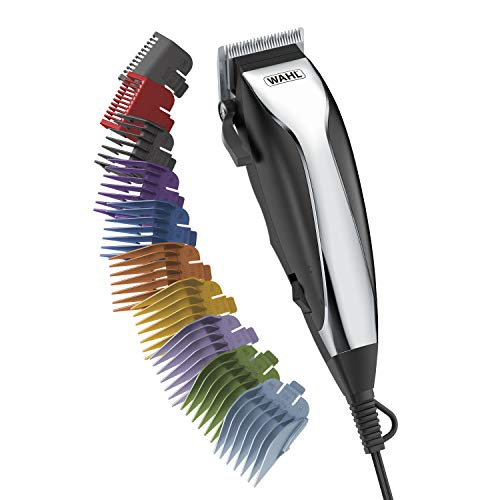
Multi-Cut Hair Clipper - Heavy duty motor for exceptional power and no-snag cutting; features an adjustable taper lever for easy blending and fading. This results in a very strong audible hum, but is completely normal to its operation. Don’t settle for a weak clipper.
Facial Feature Readiness: Confidence and Comfort Check
Before you’ll need to assess whether your facial features and personal comfort level align with this bold style. Your confidence indicators matter greatly—lean faces with strong jaws and pronounced cheekbones indicate strong candidacy. You’ll also want to evaluate your comfort assessment factors: active lifestyle compatibility, heat sensitivity, and psychological readiness for dramatic change.
Consider whether you’re willing to expose your ears and forehead completely. If you have a round or heart-shaped face, facial hair addition can considerably improve the overall appearance by adding definition. Different guard lengths work better for specific face shapes, so consulting with your barber about the best option for your features is essential. Your grooming tolerance for frequent trims is equally critical, as buzz cuts demand consistent maintenance to preserve their sharp appearance. Regular trims are necessary to maintain a sharp look and ensure the uniform length remains even across your scalp. Keeping your scalp healthy during frequent trims involves proper skin preparation with warm water to soften the area before any cutting begins.
Honestly evaluate your comfort with minimal feature concealment before committing to this transformative cut.
Budget Check: What Maintenance Actually Costs You
While you’re evaluating whether a buzz cut aligns with your lifestyle and comfort level, you’ll also need to contemplate the financial implications of maintaining this style. A $30 trimmer investment pays dividends quickly when you eliminate biweekly $40-60 salon visits—potentially saving $90 monthly. Your cost comparison reveals substantial long-term savings: professional maintenance drains your budget, while home clipping eliminates recurring expenses entirely.
Budget alternatives exist depending on your commitment level. You can purchase quality trimmers once and maintain cuts independently, or visit barbers occasionally for precision work. Either approach costs considerably less than frequent professional services. Professional barbers often recommend Wahl and Oster clippers for their durability and close-cutting capability, making them worthwhile investments for long-term home maintenance. Similar to how cartridge razors require initial investment but deliver long-term savings through responsive pivot designs and durable construction, quality clippers prove economical over time.
Beyond haircuts, you’ll notice product savings. Buzz cuts eliminate styling product needs and reduce conditioner requirements. You’ll only invest in basic shampoo, scalp care for dry skin, and occasional sunscreen—minimal expenses compared to longer styles. This cost-effective approach allows for a focus on basic skincare rather than extensive grooming product expenditures.

Cordless Convenience – The Home Pro Cordless is a rechargeable haircutting kit, offering maximum flexibility. Switch between cordless use for portability or plug it in to continue cutting while charging.

💇♂️Professional Hair Clipper and Trimmer Set-- The large hair clipper can be used to shave both hair and beard, while the small trimmer is equipped with a T-shaped blade for zero-gap trimming of sideburns and edges around the ears. You can easily get the haircut you want at home, just like in a hair barbershop

[37-50DB Low Noise] Featuring high-tech silent technology that allows the haircut kit to produce only 37-50DB decibels when in use, the safe R-shaped blades and slight vibration will create a more comfortable and quieter environment during the grooming process. It helps eliminate unwanted distractions and makes the shaving process more relaxing and enjoyable. It is a good choice for creating a peaceful atmosphere and is safe for pets
Growing Out From a Buzz Cut: The Real Timeline
After you’ve committed to the buzz cut, you’ll face the inevitable question: how long does it actually take to grow it back out? You’ll experience roughly ½ inch of hair growth monthly, yielding 6 inches annually. This timeline varies based on genetics, which greatly influences your growth rate.
For alteration styles, expect 3-4 months to reach pre-buzz cut length. Within 12 months, you’ll achieve bob-length styling even with slower growth. Reaching man bun length requires approximately 24 months of consistent growth. Remember that individual genetics can cause significant variations in how quickly your hair extends during this restoration period.
Maintaining sharp appearance during this phase demands biweekly barber visits. Request tapers at temples and neck while keeping sides short until your top lengthens sufficiently. This strategic maintenance prevents an unkempt appearance during your regrowth period.
Final Suitability Checklist: Should You Go Short?
Now that you understand the commitment required for growing out a buzz cut, you’re ready to assess whether this style genuinely suits you. Evaluate your face shape, hair type, and scalp condition against compatibility guidelines. Consider your lifestyle—does your schedule accommodate regular trims? Assess your confidence level honestly. You’ll experience an emotional transformation when exposing your facial structure completely, so make certain you’re comfortable with that exposure. Remember that straight hair creates a polished look while curly hair offers a textured appearance, so your natural hair type will influence the final aesthetic.
Dispel common buzz cut myths that suggest it doesn’t suit everyone. The reality? Your jawline strength, head proportions, and personal style preference matter most. To maintain your buzz cut’s appearance between trims, consider investing in a quality rotary shaver like the Philips Norelco Series 5000, which is designed for regular grooming and comfort. Proper scalp care after trimming, such as using cold-water rinses, helps maintain skin health and comfort. If you’ve confirmed low-maintenance preferences, accept scalp visibility, and match the minimalist aesthetic, you’re ready. Trust your assessment and commit fully to the style.