To shave your balls with an electric razor, you’ll need to select either a foil or rotary shaver designed for sensitive skin. Trim long hairs to 1 cm first, then take a warm shower to soften hair and open follicles. Apply pre-shave lubricant, prop one leg up for access, and use your non-dominant hand to keep skin taut. Shave in the direction of hair growth with light pressure and short strokes. Afterward, apply moisturizing aftershave and treat any nicks with antibiotic cream. For thorough techniques that’ll minimize irritation and prevent ingrown hairs, the details below’ll guide you through every step.
Choose the Right Razor for Sensitive Shaving
Selecting an appropriate razor is essential for minimizing irritation when shaving the genital area, as the skin there’s considerably more delicate than facial skin. You’ll find two primary shaver types suited for sensitive regions: foil shavers and rotary shavers.
Foil shavers like the Braun Series 9 prioritize comfort and gentleness, effectively preventing ingrown hairs and razor burn. They’re ideal if irritation prevention is your primary concern. Rotary shavers, particularly the Philips Norelco i9000 Prestige Ultra, offer superior contouring for irregular areas while maintaining excellent post-shave comfort.
For maximum skin sensitivity protection, consider dedicated pubic trimmers featuring ceramic blades or low-nickel steel. The Laifen P3 Pro offers an all-metal build with low-nickel blades specifically designed to reduce allergic reactions and irritation on sensitive skin. Ceramic blades stay sharper longer and generate less heat, reducing irritation risk. Additionally, look for devices with protective comb attachments or closer-spaced guards that minimize direct blade contact with delicate tissue. Sharp blades are essential to avoid hair pulling and ensure a close shave when dealing with sensitive genital skin. Many top-rated options like the Meridian The Trimmer feature adjustable length settings to minimize irritation while providing versatile grooming capabilities.

2-IN-1 FACE AND BODY GROOMING: This bikini trimmer for women includes a body hair trimmer and face shaver. Use the body head for bikini line, pubic hair, legs and underarms, and the facial head for peach fuzz and quick touch-ups.

Safe and Efficient Trimming: PRITECH razors for men uses ceramic blades with built-in protection. On the surface where the blade contacts the skin, we have implemented a chamfered design, ensuring that it never cuts, pulls, or irritates the skin, and guarantees efficient hair trimming. This body trimmer for men equipped with 3 adjustable comb attachments and 5 lengths (1.5mm, 3mm, 6mm, 9mm, 12mm), it meets your diverse trimming requirements

Complete with All Essential Accessories: This women's grooming kit comes with a full suite of professional accessories - including 3 specialized trimmer heads (hair, foil, facial), 2 adjustable hair guards, a cleaning brush and USB charging cable. Everything you need for precise head-to-toe hair removal is conveniently included in one box.
Prep Your Skin and Trim Long Hairs First
Once you’ve selected your razor, you’ll need to prepare your skin and hair for the shaving process itself. Start with trimming techniques using electric clippers to reduce pubic hair to 1 cm or less, preventing shaving difficulties and minimizing nicks on loose skin.
Next, take a steamy shower to open hair follicles and soften coarse pubic hair. Use moisturizing body wash to cleanse the area thoroughly. Apply a pre-shave lubricant—either clear oil for visibility or quality shaving cream with natural oils—to create a protective lather. For best results, glide the razor gently in the direction of hair growth to minimize irritation and razor bumps.
Proper skin preparation is critical. Softened hair allows your razor to glide easily, reducing cuts, burns, and rashes. Consider using an electric shaver with accessible design features to help maintain control during grooming. Approximately 25% of groomers experience irritation without adequate prep. Clean, softened skin minimizes ingrown hairs and guarantees ideal results. Regular grooming routines help maintain skin health and prevent common irritation issues that can arise from infrequent or improper shaving techniques.

Body, Pubic, Groin&Bikini- OLOV trimmers were designed for below-the-waist grooming but work great on your not so private parts too

Gentle Trimming for Sensitive Skin Areas: Designed for delicate areas, this bikini trimmer helps reduce irritation during grooming. Suitable for pubic hair, bikini line, underarms and body hair, providing a more comfortable trimming experience for everyday care.rience.

Body, Pubic, Groin&Bikini- OLOV trimmers were designed for below-the-waist grooming but work great on your not so private parts too
Master the Positioning and Stretching Technique
How do you position yourself for safe, effective shaving? Start by propping one leg on the toilet or bathtub edge to gain ideal access. This body posture establishes a stable foundation for controlled razor movements. Using your non-dominant hand, gently pull the scrotal skin taut to eliminate wrinkles and folds that catch the blade. Begin at the back portion of the scrotum—the most challenging position—working methodically forward. Maintain consistent skin tension throughout the process by sustaining light, controlled pressure with your stretching hand. Keep your dominant hand steady, positioning the blade parallel to skin at a comfortable angle. This coordinated technique minimizes irritation and cutting risk while maximizing shaving effectiveness and precision. Electric trimmers are safer than razors for sensitive areas, as electric trimmers reduce hair without causing the skin trauma associated with traditional shaving methods. For optimal results, consider using dedicated grooming tools specifically designed for sensitive skin to further reduce the risk of irritation. Taking breaks during the process can help alleviate anxiety and allow you to maintain better focus and control throughout the shaving session.
Shave in the Right Direction With Controlled Strokes
With your body positioned and skin properly tensioned, you’ll now execute the actual shaving strokes that determine both safety and results. Guide your razor forward from the back of the scrotum toward the shaft, following the direction of hair growth. This approach minimizes pulling and reduces irritation considerably.
Keep your strokes short and controlled, maintaining a blade angle parallel to your skin’s surface. Avoid tilting the razor, which exposes the blade directly to delicate tissue. Use light pressure throughout—let the electric razor do the work rather than forcing contact. Developing creative problem-solving approaches to personal grooming challenges ensures you find techniques that work best for your unique needs.
These shaving tips prove essential for uniform results. Single passes typically suffice with electric trimmers because specialized intimate grooming products feature anti-friction technology that reduces skin dragging and irritation. Slow, steady motion prevents snagging loose skin and guarantees consistent coverage without nicks or cuts. Regular cleansing keeps skin healthy and prevents infections after shaving.
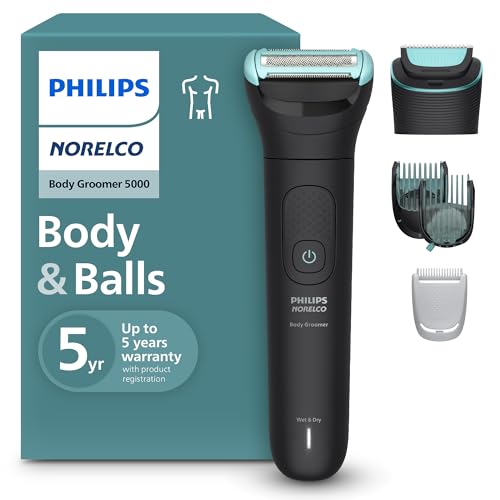
Dual Grooming Heads: Switch between full-body trimming and a close, skin-friendly shave

✨𝑩𝑬𝑪𝑨𝑼𝑺𝑬 𝑳𝑰𝑭𝑬 𝑫𝑶𝑬𝑺𝑵’𝑻 𝑷𝑨𝑼𝑺𝑬 𝑭𝑶𝑹 𝑯𝑨𝑰𝑹 - The dress is waiting. The beach bag is packed. Your workout gear is laid out. But are you ready? Unwanted hair has a way of stealing confidence at the worst moments. BYART electric razor for women helps you take control, so you can slip into that party dress, glide along the sand in your bikini trimmer, or move through your workout routine with flawless confidence.
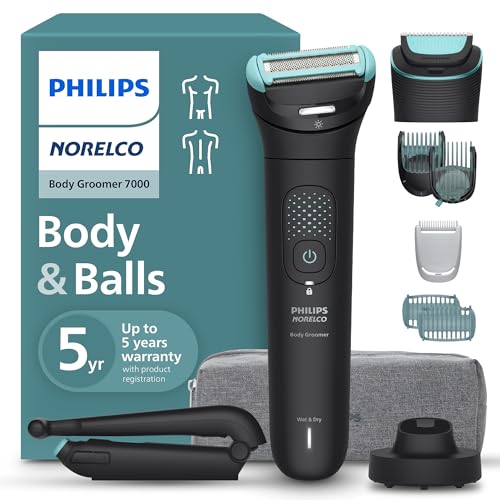
Dual Grooming Heads: 2D flexing shaver and trimmer support close, comfortable full-body grooming
Inspect Your Work and Touch Up Missed Spots
After you’ve completed your initial shaving passes, a thorough inspection guarantees you’ve achieved complete coverage and identifies any areas requiring touch-ups. Implement systematic inspection techniques by positioning yourself before a larger mirror while using a hand mirror to compare shaved and unshaved sections. Guarantee sufficient lighting throughout your assessment to identify any remaining hair patches.
During touch up techniques, maintain gentle pressure with short strokes to avoid nicks on sensitive tissue. Stretch skin taut to flatten the surface and facilitate precise hair removal. Electric razors are typically less irritating than manual blades due to protective features like rounded tips that reduce the risk of cuts and nicks. Pause between passes to evaluate whether additional shaving’s necessary. Clean your trimmer every 2-3 strokes to prevent blade clogging. Pat the area dry afterward for accurate visibility of any remaining stubble. After completing your final passes, apply moisturizing aftershave lotion to soothe freshly shaved skin and prevent irritation. Using high-quality grooming products will help minimize adverse outcomes and irritation during this final inspection phase. This methodical approach guarantees ideal grooming results without excessive irritation.
Treat Nicks and Razor Burn Immediately
Immediate post-shave care prevents minor cuts and razor burn from developing into prolonged irritation or infection. You should apply a cold compress using clean cloth around ice cubes to restrict blood flow and provide immediate relief from burning sensations.
For nicks treatment, use topical antibiotic cream to accelerate healing in this sensitive area. You can reduce razor burn inflammation by applying hydrocortisone cream, which alleviates redness and itching. Natural astringents like diluted tea tree oil or witch hazel extract offer antimicrobial and anti-inflammatory benefits. Since electric shavers can cause irritation through excessive pressure and dull blades, ensuring proper maintenance and technique during shaving helps minimize post-shave complications. For those prone to razor bumps, selecting razors with ultra-thin foils that prevent direct blade contact with skin can significantly reduce irritation risk.
Following these applications, moisturize with fragrance-free products containing chamomile or oatmeal. Wear loose cotton underwear to avoid additional irritation while healing progresses. These interventions address razor burn effectively and minimize infection risk. Avoid tight clothing and friction to prevent worsening of razor burn during the healing process.

ACTIVE INGREDIENT: Amazon Basic Care Maximum Strength Hydrocortisone 1 Percent Anti-Itch Cream contains vitamins A, D and E plus aloe, with the active ingredient hydrocortisone 1 percent; compare to Cortizone 10 Plus Maximum Strength active ingredient
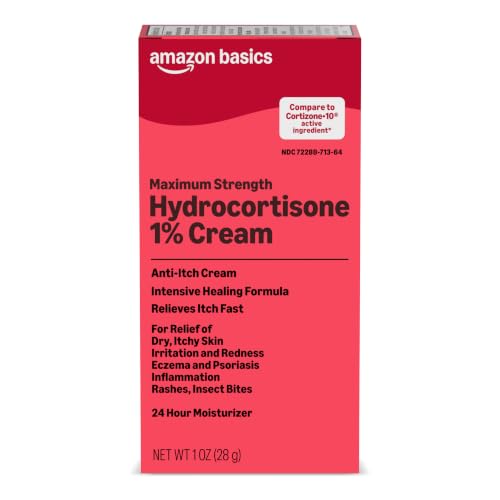
ACTIVE INGREDIENT: The active ingredient in this anti-itch cream is hydrocortisone 1 percent; compare to the active ingredient in Cortizone 10 Intensive Healing Formula

FIRST AID: Antiseptic Burn Cream provides First Aid relief and pain relief from minor cuts, scrapes, and burns.
Cool and Moisturize After Shaving
Once you’ve finished shaving, you’ll want to rinse the area thoroughly with cool water to remove all residual shaving cream and product buildup. Cool water reduces inflammation and closes pores, providing immediate post-shave relief to your freshly abraded skin.
Pat the area dry with a clean, soft towel using gentle motions rather than rubbing, which risks additional irritation. Complete drying prevents bacterial growth and maintains skin balance. Maintaining cleanliness of towels prevents bacterial contamination that could compromise your healing skin.
Apply soothing moisturizers specifically formulated for intimate areas immediately after drying. Choose products containing aloe vera or tea tree oil to restore hydration that shaving removes. If specialized intimate moisturizers aren’t available, alternatives like Vaseline or zinc paste work effectively. For optimal protection, consider using products with floating foil technology designed for sensitive skin during future grooming sessions.
Avoid tight underwear and strenuous activity for several hours post-shave. Loose, breathable clothing reduces friction on vulnerable skin and facilitates proper healing.

Organic Feminine Moisturizer: Hydrate and rejuvenate your most intimate areas with VMAGIC, a ph balanced, organic vulva balm and feminine health care product that moisturizes, soothes, protects and calms sensitive, tender vulvar skin for a joyful return to pain-free intimacy
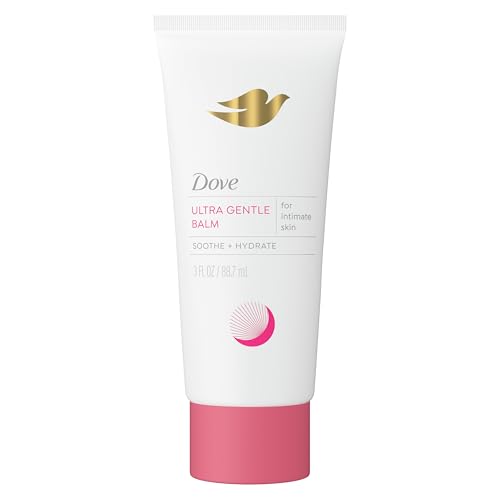
SOOTHES & MOISTURIZES: Dove Ultra Gentle Vulva Balm for Women helps relieve dryness and discomfort while leaving delicate intimate skin feeling soft, smooth and comfortable throughout the day.

Moisturizes: use this soothing moisturizer daily to help reduce ITCH (due to dry skin). can be used after shaving, as well as between shaves
Prevent Ingrown Hairs and Irritation Long-Term
While proper post-shave care addresses immediate discomfort, you’ll want to establish long-term practices that minimize ingrown hairs and chronic irritation. Implement a consistent skincare routine that includes gentle exfoliation two to three times weekly to prevent follicle obstruction. Trim regularly rather than shaving closely, as this reduces the risk of hair retracting beneath the skin surface. Keep your electric razor’s blades clean and sharp; dull blades cause tugging that promotes ingrown hair development, so consider using figure-eight sharpening motions with appropriate grit stones to maintain blade effectiveness. Maintain daily hygiene by washing the area and keeping it dry to inhibit bacterial growth. Additionally, always shave in the direction of hair growth and use fewer passes with proper blade angle. Safety razors with single blades provide cleaner cuts with less friction compared to electric razors, making them an alternative worth considering if irritation persists. For sensitive skin specifically, razors with reduced blade gaps are particularly effective at minimizing irritation while delivering close shaves. These systematic practices greatly reduce long-term irritation and ingrown hair complications.