You’ll likely benefit from shaving your balding head. Over 80% of men experience male pattern baldness, and research shows shaved heads rank as the second most attractive male trait. You’ll gain psychological relief from hair loss anxiety while boosting perceived confidence, intelligence, and success. Shaving won’t thicken your hair—that’s a myth. You’ll save significant time and money by eliminating grooming expenses. However, you’ll need proper scalp maintenance, sun protection, and specific shaving techniques to keep your head healthy and looking sharp.
Should You Shave Your Head? Key Factors to Consider
Since more than 80% of men experience male pattern baldness at some point, you’re likely weighing whether shaving offers a viable solution to hair loss. Your decision hinges on understanding the psychological and practical implications of this grooming choice.
Consider that balding acceptance doesn’t require complete head shaving. Research shows men with shaved heads appear more dominant and confident than those with thinning hair, yet this perception shift comes with tradeoffs. You’ll gain maintenance savings through eliminated styling, products, and salon visits, while reducing stress about disguising hair loss. By age 50, nearly 85% of men will face the decision to shave their heads, making this a common life milestone to navigate. Studies indicate that psychological benefits of shaving extend beyond appearance, helping men take control over hair loss anxiety rather than allowing it to dictate their self-image. Proper post-shave scalp care, including moisturizing and sun protection, ensures your newly shaved head remains healthy and comfortable.
However, evaluate potential drawbacks: increased sunburn risk, dry scalp sensitivity, and the reality that shaved heads may appear 5-10 years older. Weigh these factors against your personal confidence and lifestyle before committing to this grooming choice.

Intensive Scalp Moisture: Delivers long lasting moisture to relieve dryness and flaking while helping improve overall scalp comfort, softness, and appearance for a healthier looking scalp

Post shave moisture lotion, leaves a matte finish - 5 oz

MOISTURIZING HAIR SCALP TREATMENT – Head & Shoulders Royal Oils Daily Moisture Scalp Cream is a leave-in, daily hair treatment to seal in moisture and prevent flakes and itch*. Use it to wash less, extend the life of your style and have healthy hair and scalp.
The Confidence Boost: Why Psychology Matters
Hair loss triggers significant psychological distress—anxiety, depression, embarrassment, and diminished self-esteem commonly follow androgenic alopecia diagnosis. You’ll find that shaving your head proactively reverses these patterns by restoring control over your appearance. Rather than passively accepting hair loss, you actively reshape your narrative, which research demonstrates enhances dominance perception and self-confidence.
This psychological shift operates through two mechanisms. First, you eliminate appearance-related anxiety, freeing mental resources for meaningful pursuits. Second, you challenge societal beauty standards, which strengthens emotional resilience strategies. Men who embrace baldness report reduced frustration, jealousy, and depression symptoms compared to those fighting hair loss. Psychoanalytic therapy reveals that hair loss connects to deeper themes of identity and vulnerability rooted in early life experiences. Maintaining proper beard trimmer maintenance and skincare hygiene supports the physical aspect of your grooming transition.
Self-acceptance practices—consciously reframing baldness as intentional—build personal agency. You perceive yourself as stronger and more competent, translating into improved social interactions and career performance. Proper preparation and aftercare recommendations ensure your shaving routine supports healthy skin during this confidence-building transition. The confidence boost isn’t superficial; it’s grounded in reclaimed autonomy.
How Shaved-Head Men Are Perceived in Dating and Careers
While the psychological benefits of shaving your head are substantial, understanding how society actually perceives bald men proves equally important to your decision. Research demonstrates that shaved heads rank as the second most attractive male trait, with 40% of women finding them appealing. In dating perceptions, bald men with beards show 15% higher attractiveness ratings than their beardless counterparts. Beyond romance, career advancement prospects improve considerably. Studies reveal that shaved-head men are perceived as 13% more likely to appear wealthy and successful, particularly when sporting facial hair. Additionally, you’ll likely benefit from perceptions of increased dominance, intelligence, and honesty. These professional and social advantages suggest that embracing baldness strategically positions you favorably across multiple life domains. Maintaining a well-groomed appearance requires proper maintenance tools and specialized grooming products to keep your scalp looking sharp and healthy. Regular oiling with clipper-specific oil helps reduce friction and extend the life of your grooming equipment. Notably, younger generations like Gen Z finds baldness attractive, which indicates a broader cultural shift toward greater acceptance of bald men in contemporary society.
Shaving Won’t Make Hair Grow Back Thicker
Why does shaving your head create the persistent illusion that your hair grows back thicker? The answer lies in understanding follicle facts and debunking common shaving myths.
When you shave, you remove hair above the skin’s surface. The razor never reaches your living follicle beneath—the biological structure that determines thickness, growth rate, and density. Your genetics, hormones, and follicle architecture remain completely unchanged.
The illusion emerges because new growth has blunt tips instead of tapered ends, feels coarser, and appears darker without sun exposure. Uniform short length temporarily masks thinning. For those with sensitive scalps, choosing razors designed for sensitive skin can help minimize irritation during the shaving process. To further prevent discomfort, proper shaving technique and aftercare are essential for maintaining scalp health. Dermatologists confirm: shaving produces zero impact on follicle function or hair characteristics. Hair loss is affected by genetics and hormones, not by your grooming choices.
Don’t let shaving myths mislead you. Your follicles remain unaffected by razors. If you’re experiencing genuine hair loss, explore evidence-based treatments instead.
The Time and Money You’ll Actually Save
Beyond the follicle myths lies a compelling financial reality: shaving your head eliminates substantial recurring expenses while reclaiming significant time. You’ll discontinue costly barber visits every few weeks, replacing them with affordable electric shaver maintenance. Your grooming routine simplifies dramatically—eliminate shampoo, conditioner, and specialized hair products entirely. Instead, you’ll use basic facial cleanser for scalp care, reducing product spending to near zero. For scalp maintenance, consider applying SPF moisturizer to protect against sun damage and keep skin healthy.
The time savings prove equally significant. You’ll shorten shower duration without shampooing requirements and eliminate daily styling rituals. No more bad hair days or brushing routines consume your morning. These cost benefits accumulate substantially over months and years. Professional shaves cost considerably less than full haircuts, and you’ll perform maintenance every three to four days with minimal effort. For optimal results, consider models with powerful motors and precision control to ensure smooth, irritation-free shaving on sensitive scalp skin. After the initial investment in an electric shaver, your ongoing expenses virtually disappear compared to traditional hair maintenance. Your simplified grooming routine delivers both financial and temporal advantages.

7D Flexible Floating Head System: Multi-angle rotating heads adapt to head contours with rounded blade edges designed for skin comfort, featuring a larger shaving area compared to traditional rotary shavers based on internal laboratory testing compared to basic 7-head shavers

Magnetic Removable Design: Experience hassle-free maintenance with our innovative magnetic removable head system for bald head shavers for men. Simply detach the shaving head with one click, rinse under running water, and reattach in seconds. The advanced magnetic connection ensures secure attachment while enabling quick cleaning
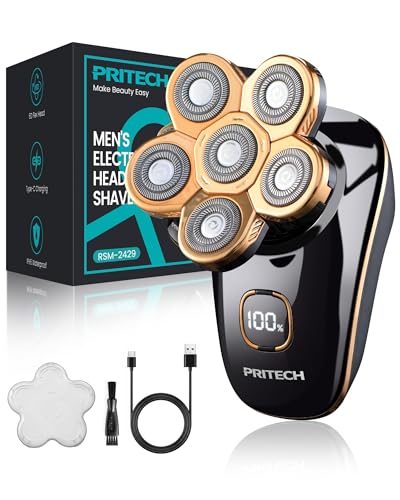
Fast & Efficient Shaving:Can you shave your head in just a few minutes? Absolutely. With 6 floating rotary heads and a powerful motor that captures more hair with each pass, this head shavers for bald men quickly delivers a smooth, bald look — without multiple strokes
Shaved Head Styles: Highlighting Your Best Features
Now that you’ve embraced the practical benefits of shaving your head, you’ll want to maximize your appearance by strategically highlighting your best features.
Facial hair becomes your primary styling tool. A well-groomed beard, goatee, or mustache defines your face structure and draws attention to favorable features. For round faces, structured facial hair creates angularity and balance.
Your clothing fit directly impacts proportions. Opt for tailored, slim-cut garments that create vertical lines and prevent a disproportionate appearance. Fitted shirts and suits with proper shoulder and sleeve length establish authority and polish.
Color contrast matters greatly. Wear hues that complement your skin tone, rebalancing your overall composition. These strategic choices—combined with maintained facial hair and properly fitted clothing—create a cohesive, confident appearance that emphasizes your strengths.

【Soft Stretch Fabric】This long sleeve dress shirt comes in the perfect amount of stretch, allowing for comfortable mobility. The elastic fabric fits all body types with no restrictions.This classic shirt is a newly developed product that is made from high-quality fabric, known for its excellent wrinkle resistance and easy care.
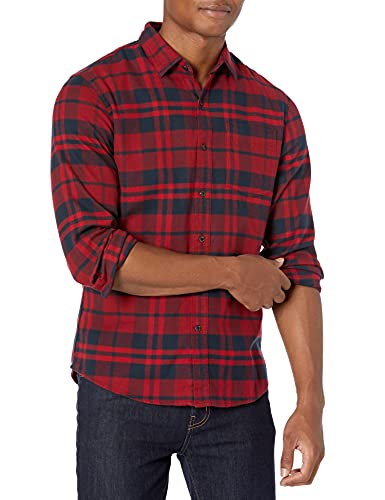
SLIM FIT DESIGN: Discover the sleek look of a slim fit flannel shirt, featuring a tailored silhouette that hugs the body

SLIM FIT: Slim fit through the shoulders, sleeves, chest, and waist
Maintaining Your Shaved Head: Schedule and Technique
Maintaining that polished shaved head you’ve committed to requires a deliberate schedule and proper technique tailored to your hair growth rate and skin sensitivity. Most men establish ideal shaving frequency between two to three times weekly, though fast hair growth may necessitate daily shaving with proper moisturizing. Clean your scalp with warm water before each session, then use a wet shave to minimize irritation. High-quality razors provide closer, longer-lasting results. Incorporate exfoliation techniques one to two times weekly to prevent ingrown hairs and dead skin accumulation. Replace dull blades every one to three weeks depending on frequency. For the smoothest finish, work slowly in steady strokes across your scalp to avoid mistakes or irritation. To further protect your scalp, apply moisturizer immediately after shaving and adjust your routine seasonally—increase hydration during winter months and cleansing frequency during summer heat. Using Dare 2B Bald Moisturizing Scalp Lotion post-shave prevents dryness and irritation while enhancing your scalp’s natural luster.
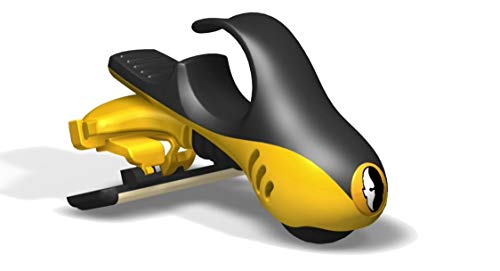
MOTO Razor - Award-winning design (Red Dot Design Award Winner 2017, A'Design Award Winner 2018)

COMPLETE MEN'S SHAVING KIT: The Gentleman Jon Shaving Kit for Men is a comprehensive set that includes a safety razor, badger hair brush, alum block, shave soap, stainless steel bowl, and five razor blades - everything needed for a luxurious, comfortable and smooth wet shave experience. With its compact design, our product is also a suitable travel companion to those who value traditional shaving, ensuring a neat shave even while on the go.

COMPLETE MEN'S SHAVING KIT: The Gentleman Jon Shaving Kit for Men is a comprehensive set that includes a safety razor, badger hair brush, alum block, shave soap, stainless steel bowl, shaving stand, canvas & leather dopp kit, and five razor blades - everything needed for a luxurious, comfortable and smooth wet shave experience. With its compact design, our product is also a suitable travel companion to those who value traditional shaving, ensuring a neat shave even while on the go.
Scalp Protection: Sun, Irritation, and Aftercare
Your shaved head‘s exposure to ultraviolet radiation fundamentally changes your skin cancer risk profile. Without hair protection, you’re considerably more vulnerable to squamous cell carcinoma, basal cell carcinoma, and melanoma on your scalp. UV rays alter the DNA in your scalp’s skin cells, accelerating the development of precancerous lesions and malignant tumors.
Daily scalp sunscreen application is essential. Use broad-spectrum SPF 30+ (97% UVB protection) or SPF 50 (98% protection), applying two teaspoons generously across your entire head. Reapply every two hours, though reapplication challenges make sunscreen alone insufficient for complete cancer prevention. Regular maintenance of your scalp’s health through consistent sun protection routines helps prevent cumulative UV damage.
Combine sunscreen with protective hats—baseball caps cover only 25% of your head, so choose wide-brimmed options instead. When maintaining your scalp’s appearance, use dedicated tools with skin-safe blades to minimize irritation during grooming. Monitor your scalp for redness, flaky patches, or rough texture indicating precancerous actinic keratoses. These warning signs demand immediate attention and professional evaluation, as irritation management and early detection prevent progression to invasive skin cancers.

SPF 30 SCALP & HAIR MIST. We want to make sure we've got you covered from head to toe, so we created a lightweight, fast-drying scalp mist that won't weigh your hair down or make it feel greasy

HEAT PROTECTION SPRAY FOR HAIR – Protect your hair from everyday heat styling and sun exposure with this advanced SPF 30 Sunscreen Spray. Designed to help shield strands from blow dryers, curling irons, and flat irons while providing broad spectrum UV protection for healthier-looking hair indoors and outdoors.

DAILY SPF 30 HEAD AND FACIAL MOISTURIZER: Protect, enrich, and experience vibrant, healthy skin. Our daily moisturizer with SPF 30 broad spectrum sunscreen protection is specially formulated to tone and hydrate for unbelievably smooth, incredibly soft skin day in and day out.