Yes, you’re shaving your pubic hair—and you’re far from alone. About 50.5% of U.S. men engage in regular grooming, with rates peaking at 73% among men aged 25-34. You’re likely motivated by sexual preparation (73%), hygiene concerns (61%), or routine maintenance (44%). While trimming and shaving both have 99.4% lifetime prevalence, shaving carries higher injury risks. Your grooming frequency varies based on relationship status and personal preference. Uncover which method works best for your needs.
How Many Men Groom Their Pubic Hair?
Pubic hair grooming among U.S. men is remarkably common, with roughly half of all men reporting regular maintenance through trimming, shaving, or waxing. Current grooming statistics reveal that 50.5% of men engage in regular pubic hair grooming, while 46.7% report lifetime removal experience. Within the past month alone, 29.2% of men have removed pubic hair.
Age trends considerably influence grooming prevalence. You’ll find the highest rates among men aged 25-34 years, where 73% maintain their pubic hair. This prevalence decreases substantially with age, declining by approximately 5% annually. College-aged men report grooming rates around 63.6%, reflecting broader patterns among younger demographics. As you progress through life stages, you’re statistically less likely to engage in regular pubic hair grooming. More than 25% of male groomers experience injury risks during the grooming process, underscoring the importance of proper technique and caution when maintaining pubic hair.

SpotGlide Blade Technology: Unlike others in the industry, MANSPOT's SpotGlide Blade Technology features a wider 40mm ceramic blade designed to cover more area in fewer passes, reducing friction and irritation in sensitive areas including the groin. Rounded tip guards and a hypoallergenic steel and ceramic blade combination help minimize nicks and discomfort for a clean, comfortable result, no razor burn, no regrets.

Body, Pubic, Groin&Bikini- OLOV trimmers were designed for below-the-waist grooming but work great on your not so private parts too

OneBlade Technology: Fast-moving cutter (100x per second) powers through hair of any length; protector and rounded tips guard sensitive skin
Why Men Decide to Groom?
While grooming practices vary considerably among men, research identifies several distinct motivations that drive these personal hygiene decisions. You groom primarily for sexual activity preparation, with 73% of men aged 25 to 34 doing so specifically before sexual encounters. Hygiene concerns motivate 61% of men, while 44% cite routine personal maintenance. Your grooming motivations also stem from social influences—pornography accessibility correlates with increased grooming trends, as hairlessness dominates adult content. Conformity to aesthetic standards drives your decisions through media exposure and peer influence rather than formal education. Partner preferences profoundly shape your grooming habits; you demonstrate higher preference than women for hairless sexual partners. Sexual confidence and attractiveness improvements further reinforce these grooming decisions across demographics. A nationally representative survey of U.S. adults aged 18 to 65 years found that 50.5% of men reported regular pubic hair grooming. To maintain grooming effectiveness, consider investing in quality tools with sharp motors and adjustable settings that provide precision similar to top-rated beard trimmers. Proper maintenance of grooming tools through regular oiling ensures your clippers remain effective and hygienic for these personal care routines.
Trimming vs. Shaving vs. Waxing: Which Method Works Best?
When you’re deciding how to groom, you’ll encounter three primary methods—trimming, shaving, and waxing—each with distinct advantages and drawbacks.
Trimming techniques dominate at 99.4% lifetime prevalence among men, offering low-risk maintenance with minimal injury potential. You’ll find trimming particularly suited for routine care, with approximately 50% of men adopting it regularly.
Shaving safety remains a concern; while equally prevalent at 99.4%, shaving correlates with higher injury rates and STI associations, especially when targeting sensitive areas. However, 73% of men choose shaving specifically for sexual preparation. To minimize irritation and razor burn, using a sharp, clean razor with short, gentle strokes in the direction of hair growth is essential for optimal results. For sensitive areas, specialized body groomers with rounded blades and adjustable guards provide safer alternatives to standard razors.
Waxing benefits include longer-lasting results, adopted by 27% for full removal. You’ll notice younger men favor waxing for aesthetic-driven grooming preferences. Male beauty influencers on social media have contributed to the normalization of waxing as a viable grooming option.
Hygiene considerations favor trimming, with 61% citing cleanliness as motivation. Your grooming preferences ultimately determine which method aligns best with your priorities.

【All-In-One Mens Grooming Kit】MAXGROOM trimmer for men includes: 1 V-shaped body hair trimmer head,1 U-shaped beard trimmer head with adjustable guide comb (2-6 mm) for beard trimming, 1 T-shaped hair clipper head with 4 guide combs (3/6/9/12mm) for hair styling and haircutting, 1 beard shaver head, 1 nose & ear trimmer head and 1 comb. From your face and beard to body, groin, pubic and balls, this single kit delivers unmatched versatility and performance.
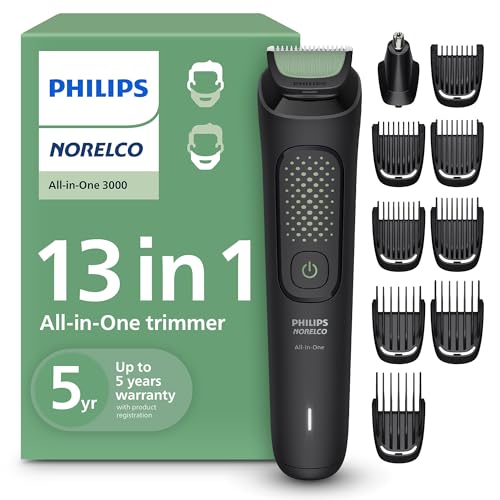
Skin-Friendly Blades: Rounded comfort-blade tips feel gentle on skin for a quick, comfortable trim when shaping beard or hair
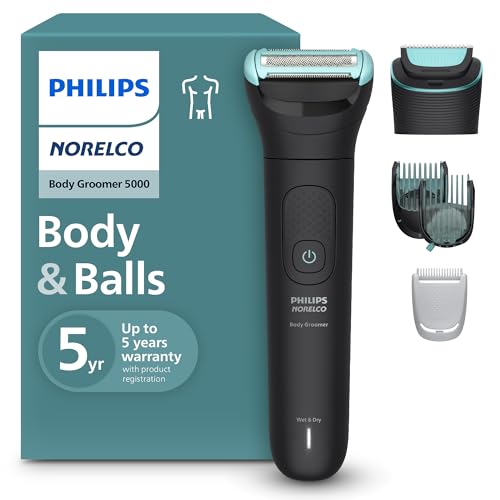
INTERCHANGEABLE, DUAL TRIMMER & SHAVER HEADS for efficient body hair trimming and a close, skin-friendly shave for a versatile men's body groomer
How to Choose Your Grooming Style
How do you decide which grooming style best suits your preferences and lifestyle?
Start by identifying your priorities. If you value convenience, trimming at 3-6mm offers a clean appearance with minimal maintenance and reduced ingrown hair risk. Prefer complete smoothness? Brazilian removal delivers that result, though it requires regular upkeep. Consider combination approaches—trimming above while shaving below—for customized results. Over 30% of adults groom weekly, demonstrating that regular grooming habits are common among those maintaining their preferred style. For those selecting a trimmer, features like waterproof design and nick prevention can significantly enhance the grooming experience in sensitive areas.
Your grooming preferences shouldn’t exist in isolation. Cultural influences shape what you perceive as attractive or appropriate. For long-term hair reduction, laser hair removal offers superior results with 70-90% reduction over multiple sessions, ideal for those seeking a permanent solution. Current trends increasingly favor flexibility and personal choice over rigid standards, particularly among younger demographics and queer communities embracing diverse body hair practices.
Ultimately, choose based on your comfort level, maintenance tolerance, and what makes you feel confident. Your grooming style should reflect your values, not external pressure.

Multifunctional Body Grooming Kit: This men's hair trimming kit features 7200 RPM high-performance motor, which delivers powerful trimming performance and precision trimming close to the skin. It works effectively on the chest, underarms, back, arms, legs and pubic hair, meeting all your daily grooming needs with ease.

Safe and Efficient Trimming: PRITECH razors for men uses ceramic blades with built-in protection. On the surface where the blade contacts the skin, we have implemented a chamfered design, ensuring that it never cuts, pulls, or irritates the skin, and guarantees efficient hair trimming. This body trimmer for men equipped with 3 adjustable comb attachments and 5 lengths (1.5mm, 3mm, 6mm, 9mm, 12mm), it meets your diverse trimming requirements

Best Tools and Techniques for DIY Grooming
Once you’ve chosen your grooming style, selecting the right tools becomes essential for safe, effective results. Electric trimmers represent your safest option, with 42% of male groomers preferring them for trimming above the penis, scrotum, and penile shaft. They’re associated with lower STI risk compared to alternative methods.
Manual razors and scissors offer alternatives, though manual razors link to increased infection odds, particularly with high-frequency use. Scissors provide controlled trimming without full removal, preferred by 52% seeking a neat appearance. Research shows that extreme groomers face significantly higher STI risks, making tool selection and grooming frequency critical considerations for sexual health.
DIY techniques dominate grooming practices, with 81.1% of adults self-grooming at home. Weekly grooming frequency ranks highest at over 30% among adults. When selecting grooming tools, prioritize safety and frequency alignment to minimize injury and infection risk while maintaining your desired aesthetic. For those using manual razors, proper lubrication and preparation significantly reduces skin damage and irritation in sensitive areas.

Versatile Men's Grooming: This manscape trimmer handles chest, stomach, armpit, back, arm, leg, groin and pubic hair, plus a nose & ear trimmer attachment. Two guide combs (3–6mm/9–12mm) let you customize your ideal length

【Multifunctional Body Grooming Kit】This all in one multi groomer is designed for below-the-waist grooming but work great on your not so private parts too! It can quickly and comfortably shave on the nose, body and below-the-waist areas without any residue. A black matte appearance, advanced and textured body trimmer is good for our lover, boyfriend, father.
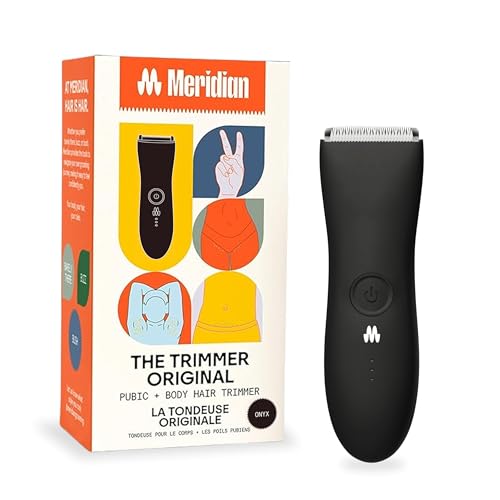
SMOOTH RESULTS, NO OVERTHINKING: Tackle body hair with confidence—chest, legs, and underarms. This men’s body hair trimmer features a ceramic blade for controlled, comfortable trimming on all hair types, helping skin feel smooth with less hassle.
Mistakes That Cause Razor Burn and Ingrown Hairs
While selecting the right tool greatly reduces injury risk, improper technique and neglected aftercare remain the leading causes of razor burn and ingrown hairs among male groomers. You’ll experience significant irritation if you shave against hair growth; instead, follow the direction of growth using short, gentle strokes. Dull razors intensify razor burn risk substantially, so rinse your blade every 2-3 strokes and maintain sharp tools. Over 80% of groomers report genital itching from preventable mistakes.
For irritation prevention, shave on clean, wet skin with adequate lubrication. Afterward, rinse with cold water, pat dry, and apply anti-chafing products immediately. Moisturize regularly and use salicylic acid treatments like PFB Vanish to combat bumps. Electric razors with advanced blade technology can also significantly reduce the risk of irritation compared to traditional razors. Models featuring micro-tweezers effectively remove even fine hairs with minimal discomfort. Research indicates that lacerations remain the most common injury among frequent groomers, highlighting the critical importance of proper blade maintenance and technique. These grooming mistakes prove avoidable through disciplined aftercare and proper technique.

✔ Material: synthetic rubber,soft and elastic,black color.

For Norelco and Philips Smarttouch and Speed-XL Shavers (see below for model numbers)

RazorPit Saves You Money up to 90% on Razor Blades
How Often You Should Groom?
The frequency of pubic hair grooming varies considerably among men, with approximately half reporting regular maintenance on a daily, weekly, or monthly basis. High-frequency groomers perform trimming daily or weekly, representing 22% of the male population. You’ll notice significant age differences in grooming frequency, with peak rates of 73% among men aged 25-34. As you advance in age, grooming frequency typically decreases, with odds ratios suggesting a 0.95 decline per year. Your grooming frequency likely depends on your lifestyle and sexual activity level. If you’re single, you may increase grooming efforts by 57% compared to when partnered. Rather than committing to daily maintenance, establishing a weekly or monthly routine helps prevent razor burn and ingrown hairs while maintaining adequate hygiene. Using an electric trimmer or styler is recommended as the safest method for home grooming to avoid irritation and cuts. For women seeking similar grooming solutions, waterproof electric shavers designed for sensitive areas offer comparable benefits with curve-hugging foils and hypoallergenic materials. Studies show that personal comfort and hygiene are the primary motivations for 60% of men who engage in pubic hair removal.
Why Grooming Improves Comfort and Hygiene
By reducing friction during sexual activity and minimizing skin irritation in sensitive genital regions, pubic hair grooming delivers tangible comfort benefits that extend beyond aesthetics. You’ll find that shorter hair acts as a natural lubricant equivalent, decreasing discomfort during intimate contact and physical activities.
The hygiene benefits you gain from grooming are equally significant. Pubic hair traps dirt, debris, and microorganisms; trimming reduces this accumulation substantially. You’re also addressing high-sweat areas—above the penis, scrotum, and penile shaft—where sebum from hair follicles can impede skin ventilation. By grooming these zones, you promote better airflow and reduce bacterial buildup. Regular cleaning with proper hygiene practices further prevents pathogen transmission and maintains the health of the genital area. Specialized tools like skin-safe trimmer blades are designed to minimize irritation while effectively removing hair in these delicate regions. Trimming is recommended over shaving to eliminate hiding spots for pathogens while reducing risks such as cuts or ingrown hairs.
Fifty percent of men who regularly groom report enhanced genital comfort, demonstrating the practical value of routine maintenance in your daily cleanliness regimen.
Natural Grooming Wins: Why Preferences Are Shifting
As cultural attitudes toward body hair continue to evolve, you’re witnessing a marked shift away from the stringent grooming standards that dominated previous decades. Nearly half of U.S. adults now prefer natural descriptions, rejecting the bare aesthetic that once seemed mandatory. This transformation reflects broader body positivity movements that challenge outdated beauty norms.
You benefit from understanding that cultural acceptance of diverse grooming choices has legitimized personal preference over prescribed standards. Men increasingly embrace trimming rather than complete removal, with 47.25% maintaining hair while grooming for tidiness. This balanced approach preserves pubic hair’s protective biological functions—reducing irritation, ingrown hairs, and uncomfortable regrowth—while maintaining hygiene. The 3-6mm trim represents an ideal compromise between cleanliness and natural protection, aligning grooming practices with both health outcomes and authentic self-expression. For those pursuing grooming, electric razors offer a safe and specialized approach designed specifically for sensitive areas, with foil shavers particularly recommended for preventing razor bumps on delicate skin. Gay and bisexual men demonstrate significantly higher rates of pubic hair removal at 76.5%, compared to heterosexual men at 44.6%, indicating that sexual orientation substantially influences grooming decisions.