
You’ll get ideal results by exfoliating first, then selecting a sharp, waterproof trimmer with the appropriate guard length for your desired look. Position the trimmer parallel to your skin, moving in the direction of hair growth with light pressure. Trim in the shower where moisture softens hair, then moisturize immediately with anti-inflammatory products. Clean your trimmer after each use and allow 48 hours between sessions. These fundamentals set the foundation for irritation-free grooming, though mastering long-term maintenance reveals additional considerations worth exploring.
Prep Your Skin and Pick the Right Trimmer
Before you trim, you’ll want to exfoliate your skin to remove dead cells and prevent razor bumps. Use a gentle exfoliation mitt or sugar scrub in the shower, massaging the bikini line thoroughly. Leave the scrub on for 10 minutes to maximize chemical exfoliation benefits. Exfoliate a couple of times a week before trimming to reduce razor bumps and ingrown hairs most effectively.
For product selection, choose a sharp, new trimmer blade specifically designed for delicate bikini area skin. Verify your trimmer is waterproof for safe shower use and compatible with sensitive skin types. Confirm the blade is clean to prevent bacterial contamination and potential irritation. Like professional barbers who rely on precision trimmer blades, selecting quality equipment ensures optimal results for sensitive areas. Look for trimmers with 360-degree flex blades for enhanced maneuverability in hard-to-reach areas.
Before trimming, apply shave butter or gel to soften hair and protect the area. Trim long hairs first to prepare the region for effective, precise trimming. Proper preparation minimizes cuts, irritation, and ingrown hairs while guaranteeing ideal results across all skin types. Wait until the end of the shower for trimming to allow warm water to hydrate the hair for easier grooming.

2-IN-1 FACE AND BODY GROOMING: This bikini trimmer for women includes a body hair trimmer and face shaver. Use the body head for bikini line, pubic hair, legs and underarms, and the facial head for peach fuzz and quick touch-ups.

Smooth, Comfortable Shaving: The Freebird shaver for women features 5 flexible rotary blades that glide over curves and contours for a close, smooth shave. Designed to help reduce nicks and irritation on legs, body, and sensitive areas.
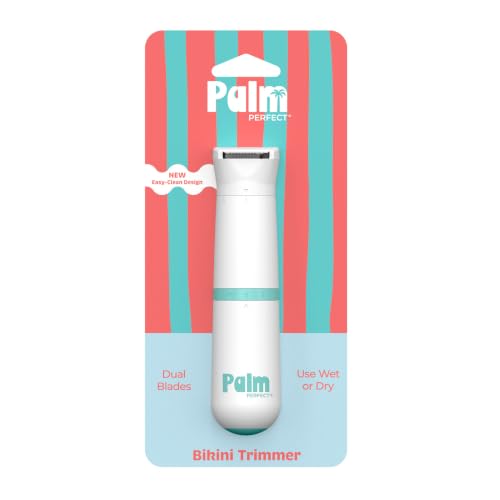
FLAUNT YOUR CONFIDENCE: The PalmPerfect cordless bikini trimmer gives you a bikini line as smooth as tanning oil, providing precise and comfortable results every time.
Choose Your Guard Length for the Look You Want
Once you’ve prepped your skin and selected your trimmer, you’ll want to adjust the guard length to match your desired aesthetic. The Francesca Bikini Trimmer offers three distinct guard length options, each delivering a specific trim style.
The no-guard setting provides an extremely close shave with minimal hair remaining. For a shorter, groomed appearance, the 3mm guard length leaves approximately 3mm of hair. If you prefer a longer, fuller look, select the 6mm guard length, which maintains approximately 6mm of hair.
Note that this trimmer won’t leave skin completely hairless—it’s not a direct razor replacement. For longer-lasting results beyond trimming, consider exploring professional hair removal options like laser treatment or electrolysis. The adjustable guards guarantee safe, even trimming across sensitive bikini line areas. Like foil shavers, bikini trimmers use high-speed reciprocating blades to cut closer and more precisely than manual methods. The stainless steel and ceramic blades deliver precision cutting for optimal results. Choose your guard length based on your preferred grooming outcome before beginning your trimming session.

✨ LADYSPOT Skin-Protective TECH: Help reduce nicks and cuts. This women trimmer shaver trimmer features advanced Aerospace-grade hypoallergenic ceramic blades that glide effortlessly, ensuring a silky-smooth finish without any irritation.

Keep your bikini line in shape - trim thicker hair with less cuts and irritation

Body, Pubic, Groin&Bikini- OLOV trimmers were designed for below-the-waist grooming but work great on your not so private parts too
Use the Right Angle and Technique for Even Results
With your guard length selected, proper technique determines whether you’ll achieve smooth, even results or encounter irritation and ingrown hairs. Position your trimmer parallel to skin at a slight angle matching hair growth direction. Before trimming, comb hair in the same direction to guarantee uniform blade contact. Maintain a steady technique with slow, deliberate strokes for precision on curved bikini surfaces. Apply only light pressure—this prevents cutting hair below the skin line and reduces blade clogging. Avoid pulling skin tight, which increases ingrown hair risk. Your steady hand position and consistent trimmer angles yield even coverage without tugging or nicks. Move deliberately in the growth direction for uniform results across the entire area. Starting with a shower to soften hair and cleanse the bikini area helps remove dead skin cells that can clog blades and cause irritation. For optimal results, choose trimmers with flexible hybrid heads and skin-safe blade designs that protect sensitive genital skin during grooming. Using specialized body groomers with skin-friendly designs like rounded blades ensures safer grooming on sensitive contoured areas.

Discover easy, quick and comfortable shaving, even on hard to reach areas: this cordless electric lady shaver gently removes hair as short as 0.2 mm for that smooth feel

NO PULLING. NO PINCHING. NO CUTS. Gives a razor-smooth finish every time. Our skin-friendly electric shaver for women features precision ceramic blades with the fast-moving cutter trims hair at 100x per second, while R-shaped rounded tips and a protective guard ensure gentle contact with your skin—wrapped in soft, warm-touch silicone for a gentle, comforting feel. Whether you're using it as a intimate razor for women pubic hair or a facial hair remover for women, it's designed to leave zero irritation behind. Just smooth, happy skin from your face to below the belt.

Dual-Head Electric Razors for Women – All-in-One Solution for Face & Body Unlike single-function trimmers, this 2‑in‑1 design features a precision wide trimmer head for fast full‑body grooming (legs, arms, underarms) and a hypoallergenic foil shaver head for sensitive areas (bikini line, upper lip, chin). Flip between the two heads instantly — no attachment swapping needed, seamless transition from body to face
Trim in the Shower for Softer Hair and Better Control
Because shower moisture softens hair and reduces trimming resistance, you’ll achieve better results when trimming in wet conditions. The dampness lowers ingrown hair risk by softening hair follicles, enabling smoother cutting action.
Select a trimmer rated IPX7 for immersion protection up to one meter, which sustains effectiveness for approximately thirty minutes underwater. Shower benefits extend beyond softening—wet conditions enhance your grip on the device, while ergonomic designs aid navigation around curves. Rounded teeth protect sensitive skin during wet operation. Ceramic blades reduce irritation and maintain their sharpness throughout your shower grooming routine. Look for models with long battery life to ensure your trimmer stays powered throughout your grooming session. Electric trimmers cut hair at or above the skin surface to eliminate razor burn, nicks, and micro-trauma that traditional blades can cause.
These trimming tips prove practical: use your trimmer’s precise head to maintain accuracy when wet, and choose comb attachments like 3mm for exact results. Battery-powered cordless models guarantee convenient operation, while washable heads maintain hygiene post-shower. You’ll experience minimal irritation compared to dry razor methods.

Ultimate 5-in-1 Grooming Kit: Transform your routine with five interchangeable heads, including a high-performance foil shaver, a specialized bikini trimmer, a rotary razor, a body hair trimmer, and precise nose & ear hair trimmers. This comprehensive hair trimmer effectively handles everything from fine peach fuzz to thick pubic hairs.

Complete with All Essential Accessories: This women's grooming kit comes with a full suite of professional accessories - including 3 specialized trimmer heads (hair, foil, facial), 2 adjustable hair guards, a cleaning brush and USB charging cable. Everything you need for precise head-to-toe hair removal is conveniently included in one box.

✨𝑩𝑬𝑪𝑨𝑼𝑺𝑬 𝑳𝑰𝑭𝑬 𝑫𝑶𝑬𝑺𝑵’𝑻 𝑷𝑨𝑼𝑺𝑬 𝑭𝑶𝑹 𝑯𝑨𝑰𝑹 - The dress is waiting. The beach bag is packed. Your workout gear is laid out. But are you ready? Unwanted hair has a way of stealing confidence at the worst moments. BYART electric razor for women helps you take control, so you can slip into that party dress, glide along the sand in your bikini trimmer, or move through your workout routine with flawless confidence.
Clean Your Trimmer Right After Each Use
Immediate post-use maintenance extends your trimmer’s lifespan and guarantees peak performance. Your cleaning routine should begin by powering off the device completely to prevent accidental activation during trimmer maintenance.
Next, detach the trimming heads and use the included brush to remove hair from the blades. Wipe away loose hairs from the trimming head thoroughly.
If your trimmer is waterproof, rinse detachable heads under warm running water to eliminate excess hair. Avoid immersing the main appliance unit. For intimate grooming, consider using electric razors designed specifically for sensitive areas to ensure maximum safety during maintenance and use.
Never use corrosive detergents, scouring pads, acetone, alcohol, or bleach, as these damage blades and motors. Instead, use only gentle cleaning methods like soap and water or mild solutions to maintain your trimmer’s integrity. Regular inspection of blades for damage or rust will help you identify when blade replacement is necessary.
Finally, air-dry all attachments completely before reattaching them. Store your trimmer in a cool, dry location away from sunlight, with its protective cap secured.

3-IN-1 GROOMING WITH HYPOALLERGENIC ATTACHMENTS: Customize your routine with three versatile attachments designed to prep, shape, trim, and shave the bikini area with comfort and control, helping minimize irritation on sensitive skin
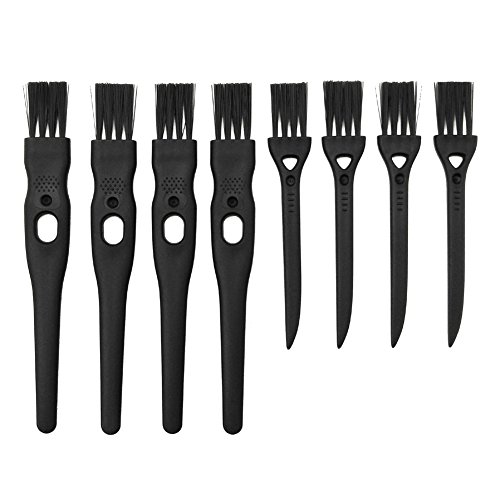
Very convenient to clean shaver / razor.

3-in-1 Multi-Functional Grooming Kit: This womens electric razor includes 3 interchangeable heads: a body shaver for arms, legs, underarms, and bikini line; a nose hair trimmer for women; and an eyebrow razor for shaping brows and facial hair removal. It’s an all-in-one hair removal device designed for smooth, precise, and painless grooming
Moisturize and Watch for Irritation After Trimming
After you’ve finished trimming, moisturizing your skin is essential to prevent irritation and maintain a healthy barrier. Apply after-shave serums or oils with anti-inflammatory ingredients immediately post-trimming. Coconut oil and aloe vera provide antiseptic, soothing relief, while products containing hyaluronic acid and shea butter lock in moisture effectively.
Monitor irritation signs closely, including red bumps, burning sensations, and intense itching. Razor bumps or pimples indicate you need to adjust your moisturizing techniques. Inflammation and redness from ingrowns require spot treatments with tea tree oil or ingrown concentrators. Exfoliating before trimming can reduce tugging and prevent many of these irritation issues from developing in the first place. Using body trimmers with guards rather than foil shavers significantly reduces the risk of ingrown hairs and nicks on coarse, curly pubic hair. Proper grooming techniques also enhance sexual sensitivity by maintaining healthy skin.
Continue daily moisturizing even on non-trimming days using serums, oils, or lotions. If persistent irritation develops despite consistent aftercare, consider alternative hair removal methods to protect your skin’s integrity.
How Often to Trim: Build Your Maintenance Schedule
Finding the right trimming frequency depends on your hair growth rate, skin sensitivity, and desired aesthetic. You’ll achieve smooth results by trimming every 2-3 days, while a tidy appearance requires trimming every 3-5 days. Your maintenance routine should account for individual variables: armpit hair grows 50% faster than leg hair, so you may need more frequent attention in that area. If you’ve gone over a week without trimming, use your trimmer before attempting a full shave. Establish a consistent 4-6 week cycle to gradually reduce regrowth speed. Allow at least 48 hours between shaves for skin healing. For sensitive skin conditions like eczema or psoriasis, reduce shaving frequency to prevent irritation and allow adequate recovery time between sessions. Using skin-friendly trimming tools rather than traditional razors can help minimize razor burn, bumps, and irritation across all grooming areas. Many people who maintain regular trimming schedules report increased confidence and freedom with their grooming routine. Adjust your trimming frequency seasonally, reducing sessions during winter to minimize skin stress and irritation.