
You’ll experience reduced friction during intimacy and heightened sensation as hair-free skin becomes more exposed. Many groomers report feeling more confident and sexy with complete hair removal, reflecting personal aesthetic preferences. However, shaving carries notable risks—25.6% of groomers sustain injuries, while razor techniques cause 90.7% of grooming-related complications including infections and folliculitis. Understanding these trade-offs helps you weigh whether the confidence boost justifies the potential skin damage and recovery concerns specific to your body.
Should You Shave Pubic Hair? What to Consider First
Whether you’re considering pubic hair removal, it’s important to weigh both the perceived benefits and documented risks before making a decision. While 59% of women report that grooming makes them feel cleaner, pubic hair actually provides protective functions—its follicles produce sebum that inhibits bacterial growth and guards against infections like UTIs and yeast infections.
Your choice shouldn’t rest solely on hygiene perceptions. Consider partner preferences, as research shows women are considerably more likely to groom when their partners prefer depilation. However, weigh this against grooming-related injuries, which include lacerations sometimes requiring emergency care. To minimize these risks, using specialized manscaping devices with skin-friendly designs can reduce the likelihood of cuts and discomfort compared to standard razors. For those seeking gentler options, cordless face shavers offer travel-friendly designs and waterproof features that can make the process safer and more convenient. Studies show that younger women under 24 are more likely to choose Brazilian or full shave options, often influenced by peer and partner expectations rather than health considerations.
Ultimately, this decision is personal. Medical professionals debate pubic hair’s hygiene implications, with some emphasizing its protective role. Make an informed choice based on your health priorities rather than external pressures or misconceptions about cleanliness.

𝗕𝘂𝗶𝗹𝘁 𝗳𝗼𝗿 𝗠𝗲𝗻’𝘀 𝗕𝗼𝗱𝘆 & 𝗚𝗿𝗼𝗶𝗻 𝗚𝗿𝗼𝗼𝗺𝗶𝗻𝗴 - Designed as a body trimmer for men, this 2-in-1 grooming kit helps trim body hair, groin hair, pubic hair, chest, underarms, beard, nose and ear hair with one compact tool. A practical choice for everyday manscaping and full-body grooming
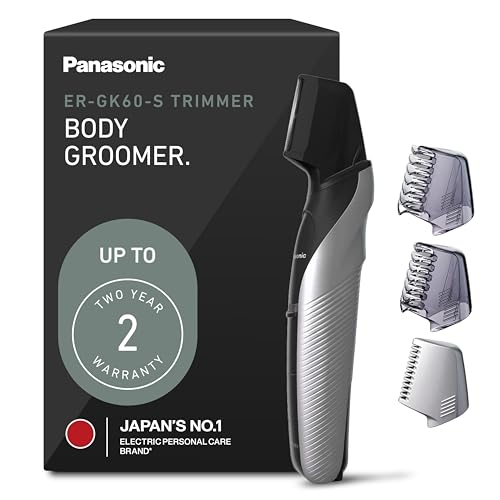
The Mens Trimmer that Goes Everywhere: Chest, legs arms, groin and more, the ER-GK60-S Panasonic body groomer gently trims as close as .01mm for a smooth feel all over

THE HANDYMAN: Our precision compact electric foil face shaver is equipped with a dual-action SkinSafe blade head that includes a long-hair leveler and a foil shaver blade.
How Shaving Changes Friction, Comfort, and Sensation
Beyond the hygiene considerations outlined above, shaving pubic hair directly affects the physical experience of your body—altering friction dynamics, comfort levels, and sexual sensation in measurable ways.
Friction reduction from hair removal exposes delicate genital skin to increased contact irritation. However, sensation heightening occurs simultaneously, with studies linking grooming to self-reported heightened sexual functioning and amplified touch sensitivity. This paradox creates competing effects: while some experience enhanced pleasure, comfort disruption affects 60% of groomers through abrasions and ingrown hairs. Pubic hair also traps pheromones that may enhance partner attractiveness through increased chemical signaling. Alternative methods like trimming with disinfected scissors offer a gentler approach to shaping without the irritation risks associated with razors.
Irritation amplification represents a significant concern, particularly with non-electric razors used by 69.3% of people. Injury prevalence reaches 25.6% of groomers, manifesting as cuts, burns, and rashes. Complete grooming elevates complication rates substantially, with obesity tripling injury likelihood. Proper preparation techniques such as softening skin with warm water before grooming can significantly reduce irritation and improve the overall experience.
Aesthetic and Personal Preference Benefits
Why do aesthetic considerations drive pubic hair removal decisions for millions of people? You likely recognize that grooming choices reflect personal expression and evolving beauty standards. Research indicates that 64.3% of women prefer complete removal, citing aesthetic appeal as a primary motivation. This preference strengthens among younger demographics, influenced greatly by social media, beauty trends, and cultural messaging around femininity and youthfulness.
You may find that removing pubic hair aligns with your sense of normalcy and attractiveness. Studies show women who groom report feeling sexier and more confident in their appearance. Your grooming habits represent autonomous choices about your body presentation, whether you maintain specific styles or pursue complete removal. These decisions ultimately reflect your individual values and aesthetic preferences rather than external pressure alone. Proper grooming also requires appropriate tools and regular maintenance after each use to ensure hygiene and skin health. Beyond personal confidence, grooming motivations also include practical considerations like preparation for sexual activity, which influences aesthetic choices across different age groups and relationship statuses. Historical perspectives reveal that body hair viewed as unclean has shaped modern grooming expectations across generations.

THE ULTIMATE DUO FOR WHEREVER YOU SHAVE: Contains a Venus for Pubic hair and Skin Razor plus a Venus Extra Smooth Sensitive Razor. This smooth duo is designed for everywhere you choose to remove hair.

Complete with All Essential Accessories: This women's grooming kit comes with a full suite of professional accessories - including 3 specialized trimmer heads (hair, foil, facial), 2 adjustable hair guards, a cleaning brush and USB charging cable. Everything you need for precise head-to-toe hair removal is conveniently included in one box.

3-IN-1 MULTIFUNCTIONAL BODY TRIMMER - Qreeyx Men's body hair trimmer set includes 3 interchangeable trimming heads: body trimmer, foil shaver and nose hair trimmer. Effortlessly trim body hair, groom sensitive areas (groin/balls), and detail nose/ear hair with one compact device, meeting all your daily grooming needs
Why Shaving Carries Real Injury and Infection Risks
While aesthetic preferences drive many grooming decisions, the physical toll of pubic hair removal deserves serious consideration. Injury prevalence is significant—25.6% of groomers sustain injuries, with cuts being the most common. Razor shaving accounts for 90.7% of complications, including epidermal abrasion, lacerations, and ingrown hairs.
Beyond visible damage, infection risks escalate substantially. The tiny tears razors create compromise your skin barrier, increasing susceptibility to UTIs, vaginitis, and yeast infections. Secondary infections like folliculitis and cellulitis develop when grooming injuries become contaminated. Research shows groomers face nearly twice the odds of reporting STI history, with extreme groomers at four times greater risk. Skin-contact infections including chlamydia, herpes, and HPV exploit these vulnerabilities more readily. To minimize these risks, proper technique is essential—using a clean razor, shaving cream, and shaving in the direction of hair growth can help reduce irritation and injury. Maintaining your razor through regular cleaning and maintenance extends its safety and effectiveness for grooming. According to national survey data, 84% of women reported a history of grooming, demonstrating how widespread these practices are despite documented health risks. Understanding these documented risks helps you make informed decisions about your grooming practices.

MOISTURIZING+ FORMULA - Formulated with 5 powerful moisturizing, and vitamins-rich agents that dramatically improves your intimate shaving experience; Jojoba Oil / Avocado Oil / Aloe Vera / Shea Butter / Maca Root.

ALL-NATURAL SHEA BUTTER: This shave creams contains wild grown, sustainably sourced 100% natural shea butter. eos Shave Cream + eos Body Lotion are paraben, phthalate, and gluten-free. Leaping bunny certified. No products tested on animals

MOISTURIZING+ FORMULA - Formulated with 5 powerful moisturizing, and vitamins-rich agents that dramatically improves your intimate shaving experience; Jojoba Oil / Avocado Oil / Aloe Vera / Shea Butter / Maca Root.
Safer Grooming Methods: Comparing Your Options
Given the documented risks associated with razor shaving, you’ll find several alternative methods that substantially reduce injury and infection likelihood. Trimming techniques using electric trimmers or scissors with guards eliminate blade contact with skin, minimizing irritation and cuts. For armpit grooming specifically, electric razors like the Philips Norelco OneBlade 360 offer flexible blades designed for contoured areas while reducing the risk of nicks and irritation. Waxing options performed by trained professionals remove hair from the root, delivering longer-lasting results while reducing re-growth irritation compared to shaving. Chemical depilatory creams specifically formulated for sensitive areas dissolve hair without cutting or yanking, though patch testing is essential. Professional laser hair removal destroys follicles gradually, eventually reducing maintenance needs entirely. Sugar waxing offers a gentler at-home alternative using natural ingredients. When using electric trimmers for detailed grooming, removing the comb attachment allows you to define precise outlines around sensitive areas for a sharp appearance. Trimming also reduces the risk of infection compared to shaving due to the absence of open cuts on skin. Each method carries distinct advantages and considerations—selecting the right option depends on your pain tolerance, budget, and desired maintenance frequency.

Safe and Efficient Trimming: PRITECH razors for men uses ceramic blades with built-in protection. On the surface where the blade contacts the skin, we have implemented a chamfered design, ensuring that it never cuts, pulls, or irritates the skin, and guarantees efficient hair trimming. This body trimmer for men equipped with 3 adjustable comb attachments and 5 lengths (1.5mm, 3mm, 6mm, 9mm, 12mm), it meets your diverse trimming requirements

NO PULLING. NO PINCHING. NO CUTS. Gives a razor-smooth finish every time. Our skin-friendly electric shaver for women features precision ceramic blades with the fast-moving cutter trims hair at 100x per second, while R-shaped rounded tips and a protective guard ensure gentle contact with your skin—wrapped in soft, warm-touch silicone for a gentle, comforting feel. Whether you're using it as a intimate razor for women pubic hair or a facial hair remover for women, it's designed to leave zero irritation behind. Just smooth, happy skin from your face to below the belt.

OneBlade Technology: Fast-moving cutter (100x per second) powers through hair of any length; protector and rounded tips guard sensitive skin
Best Practices for Safe Shaving (or When to Skip It)
If you’ve decided that shaving is your preferred method, several evidence-based techniques can substantially reduce your injury and infection risk. Proper skin preparation—including cleansing and exfoliation—minimizes infection risk and razor bumps. Using sharp, new shaving tools with multi-blade designs reduces tugging and irritation. Apply shaving cream for lubrication, hold skin taut, and shave with hair growth direction. Rinse your blade after each stroke and avoid repeated passes over the same area. For those using electric shavers, consider models with wet/dry functionality that allow you to apply shaving cream or gel for enhanced skin protection and comfort during the shaving process.
However, skip shaving if you have a weakened immune system, recent gynecological surgery, or highly sensitive skin prone to rashes and ingrown hairs. Trimming offers a safer alternative in these situations. Electric trimmers and stylers provide the safest home method to avoid razor rash and irritation on delicate areas. Standing while shaving provides better control and visibility to prevent accidents. Monitor post-shaving for infections, redness, or ingrown hairs, and exfoliate regularly to prevent complications.

Essential electric shaver for women and girls is designed for shaving sensitive skin on legs

2-IN-1 FACE AND BODY GROOMING: This bikini trimmer for women includes a body hair trimmer and face shaver. Use the body head for bikini line, pubic hair, legs and underarms, and the facial head for peach fuzz and quick touch-ups.

3 BLADES FOR SMOOTH AND SILKY RESULTS: Women’s electric shaver with advanced 3 Blade System for a close shave that helps prevent irritation in sensitive areas.
What’s the Right Choice for Your Body?
Choosing a hair removal method requires weighing your lifestyle, skin type, pain tolerance, and budget against the benefits and drawbacks of each option. Shaving offers unmatched accessibility and affordability, costing just $120–$250 annually while demanding minimal skill. If you’re frequently mobile or prefer quick maintenance every 2–4 days, shaving frequency aligns perfectly with an active lifestyle.
However, your skin types matter considerably. Those with sensitive skin benefit from shaving’s pain-free approach and reduced ingrown hair risk compared to waxing. Conversely, individuals seeking longer-lasting results may prioritize alternative methods despite higher costs and discomfort levels. Pubic hair patterns and characteristics vary significantly based on genetics and ethnicity, which can influence how your skin responds to different removal methods. Waxing can provide results lasting several weeks, making it appealing for those who prefer less frequent maintenance routines. Unlike shaving, which requires regular upkeep, some alternatives like waxing allow for maintenance trims every 3-4 weeks or longer intervals between treatments.
Ultimately, shaving represents the best choice if you value convenience, immediate results, and affordability without tolerating pain or scheduling complications.