You shouldn’t use a foil shaver on your pubic hair because the design creates significant risks for sensitive genital skin. Foil shavers generate thermal stress and oscillation trauma that cause razor burn, ingrown hairs, and nicks. Their larger heads require skin tautness, increasing irritation. Additionally, sharing facial shavers with intimate areas raises hygiene concerns. Specialized trimmers with ceramic blades, rotary designs, and protective guards offer safer alternatives engineered specifically for delicate tissue protection.
Why Electric Shavers Aren’t Safe for Pubic Hair
While foil shavers work well on facial hair, they aren’t designed for pubic skin‘s unique demands and pose several safety concerns. Your pubic skin sensitivity creates heightened vulnerability to razor burn, ingrown hairs, and nicks when you use facial electric shavers. Foil shaver risks escalate because their close cutting at 0.1–0.5mm depths promotes ingrown hair formation, particularly with curly pubic hair. The larger foil heads require you to pull skin taut, increasing irritation potential across delicate tissue. Standard facial foil shavers frequently cause rashes, bumps, or cuts despite careful application. Additionally, you encounter hygiene complications when you share facial shavers with pubic areas, as blade bacteria transfer compromises intimate health. For sensitive pubic grooming, skin-safe blades and combs specifically designed for intimate areas provide better protection against cuts and irritation than generic facial shavers. You need tools specifically designed for pubic grooming to minimize irritation and infection risks effectively. Specialized trimmers like the Gillette Intimate Men’s Manscape Pubic Hair Trimmer offer SkinFirst Technology that prevents nicks in sensitive areas, making them far superior to standard facial shavers. Body trimmers with guards provide superior protection compared to foil shavers by reducing skin contact while maintaining effective hair removal.

OneBlade Technology: Fast-moving cutter (100x per second) powers through hair of any length; protector and rounded tips guard sensitive skin

NO BURNS. NO BUMPS. NO BS: Forget the fear of nicks. Our ceramic blade trims just above the skin—no irritation, no redness, no razor burn, and no ingrown hair. It’s smooth sailing from top to below the belt.

How Foil Design Creates Problems on Sensitive Skin
Because foil shavers generate considerable heat during operation, you’re exposed to thermal stress that exacerbates irritation on sensitive pubic skin. The foil design traps friction heat against your skin, contributing to inflammation and razor burn. Approximately one-third of users experience irritation directly linked to these thermal effects.
Oscillation trauma compounds this problem. Rapid foil oscillations scrape your skin surface, causing mechanical disruption that heightens transepidermal water loss. Your perifollicular skin—highly vascular and sensitive—reacts strongly to foil movement. Research shows 41% of men with sensitive skin report post-shaving redness and burning.
Additionally, clogged foils worsen both issues. Dead skin and oil buildup force repeated passes, increasing micro-trauma and inflammatory response on already-compromised pubic skin, creating a cycle of escalating irritation. Specialized body trimmers with rounded blades for safety are specifically designed to handle sensitive genital areas more effectively than traditional foil shavers. In contrast, single-edge safety razors require fewer passes and provide greater control to avoid cutting below the surface. Proper shaving technique can help minimize some of these adverse reactions, though the inherent design limitations of foil shavers remain problematic for genital area use.
Best Tools for Pubic Hair Grooming
Given the thermal stress and mechanical trauma associated with foil shavers, specialized trimmer types offer a clinically superior alternative for pubic hair grooming. You’ll benefit from ceramic or plastic blade designs that minimize nicks and cuts on delicate tissue. Rotary trimmers provide gentler contact than foil heads, making them ideal for frequent grooming sessions. Models like the Philips Norelco OneBlade Intimate deliver ultra-short finishes with precision control in sensitive areas. You should select trimmers featuring protective comb attachments and adjustable guards that enable customized length settings. Electric razors with dual blade technologies can prevent ingrown hairs and irritation in sensitive grooming areas. For best results during grooming frequency adjustments, start with longer settings before progressing shorter. Regular maintenance with quality clipper oil and proper disinfection keeps your trimmer blades sharp and prevents bacterial growth that can cause skin irritation. Dermatologist-tested technologies and waterproof designs enhance safety and comfort, ensuring your grooming routine remains effective while protecting vulnerable skin from irritation and injury. Enhanced hygiene is achieved with less hair, leading to reduced sweat and odor that accumulates in grooming maintenance intervals.
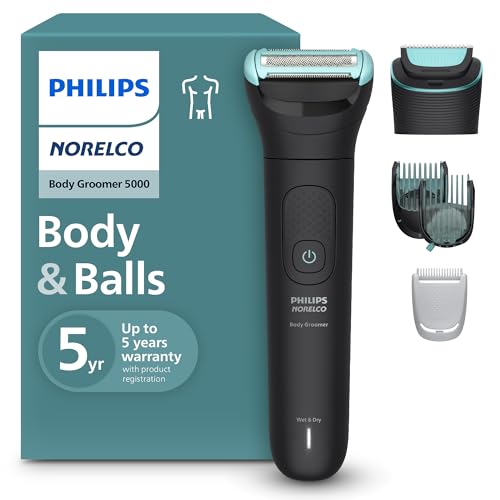
INTERCHANGEABLE, DUAL TRIMMER & SHAVER HEADS for efficient body hair trimming and a close, skin-friendly shave for a versatile men's body groomer

INTERCHANGEABLE, DUAL TRIMMER & SHAVER HEADS for efficient full body trimming with the skin protection you need and a close, yet comfortable shave

3-IN-1 GROOMING WITH HYPOALLERGENIC ATTACHMENTS: Customize your routine with three versatile attachments designed to prep, shape, trim, and shave the bikini area with comfort and control, helping minimize irritation on sensitive skin
Prep Your Skin for Safe Shaving
Proper skin preparation noticeably reduces infection risk and minimizes irritation when using a foil shaver on pubic hair. You should cleanse the intimate area with pH-neutral wash and warm water, removing dead skin cells and bacteria that could enter micro-cuts. Pat your skin dry thoroughly before proceeding.
Next, take a warm shower to soften hair follicles and relax skin tissue. Trim excess length with a dedicated trimmer to prevent blade clogging and hair pulling during shaving. Following the principle of starting with clean, softened skin ensures optimal results and reduces complications. Sharing razors with others can heighten infection risks, so always use a clean, personal blade. Foil shavers are unsuitable for pubic hair grooming compared to specialized body groomers designed specifically for sensitive contoured areas.
You’ll then apply appropriate shaving products suited to your skin type—hydrating gels with aloe vera work well for sensitive areas. Stretch skin taut gently using a mirror for visibility, ensuring peak blade contact while minimizing nicks and ingrown hair formation.

Essential ingredients for your feminine care: Our triple-action intimate wash gently cleanses sensitive intimate areas by delivering protective tea tree oil, nourishing prebiotics and pH balancing lactic acid in one gentle, daily cleanser

Fragrance Free Feminine Cleanser: Cleanse and refresh your most intimate areas with Vmagic Gentle Feminine Wash, formulated with gentle, naturally derived ingredients to cleanse without stripping, rinse residue-free, and help support the natural pH of your intimate environment

Monistat Feminine Wash with Boric Acid is a fragrance-free wash that gently cleanses away feminine odor and discharge without irritation
Step-by-Step Safety Razor Technique
Now that you’ve prepared your skin, mastering the correct safety razor technique is critical for preventing nicks, ingrown hairs, and irritation in this sensitive area. Hold your safety razor at a 30-degree angle to the skin, maintaining consistency throughout each stroke. Pull the skin taut to minimize trauma and enhance blade glide across curved zones. Use short, gentle strokes following hair growth direction, beginning with downward passes on the pubic mound. Apply minimal pressure—let the razor’s weight do the cutting work. Rinsing your blade under warm water after every 2-3 strokes prevents clogging and irritation while ensuring the blade remains sharp throughout your grooming session. To further protect delicate tissue, avoid excessive pressure which can push skin tissue into blade contact areas and cause razor burn. After shaving, apply clipper oil or a comparable post-shave moisturizer to soothe the skin and maintain blade conditioning. These safety razor techniques and ideal shaving angles work synergistically to deliver close results while protecting delicate tissue from unnecessary trauma.

【Premium Metal Construction】 Crafted from high-quality metal materials, double edge safety razor is built to last. Its corrosion-resistant and rust-proof properties ensure a long lifespan, saving you from the hassle of frequent replacements. Plus, with 10 stainless steel blades included, you can enjoy uninterrupted shaving sessions without worrying about running out of blades anytime soon.

THE PERFECT SHAVE: Make skin irritations and ingrown hair a problem of the past. With the metal razor, you will achieve the closest shave effortlessly.
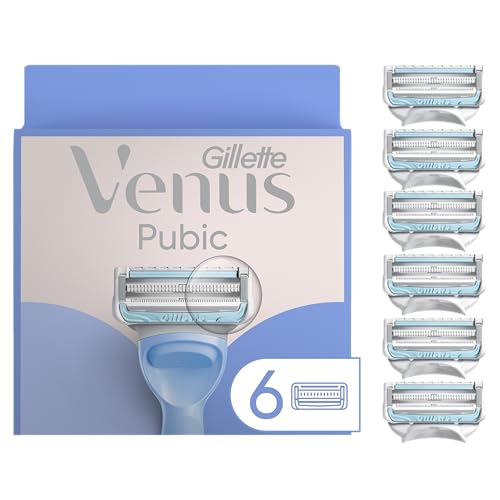
DON’T SETTLE FOR SHAVE BUMPS AND INGROWNS. These razors have a patented Irritation Defense Bar for a smooth shave with blades that barely touch the skin
Brands and Razors Designed for Sensitive Areas
Selecting the right tool greatly impacts your shaving safety and comfort in genital regions. Unfortunately, extensive clinical data specifically addressing foil shavers for pubic hair remains limited in current literature. Most grooming tools marketed for sensitive skin target facial applications rather than intimate areas. When selecting equipment for genital shaving, you’ll find that body-specific trimmers and electric shavers designed for sensitive skin offer safer alternatives than traditional foil shavers. These specialized grooming tools typically feature protective guards and reduced blade exposure, minimizing irritation risk. Dermatological guidance emphasizes that sensitive skin in genital regions requires equipment engineered specifically for body grooming rather than facial use. Materials such as stainless steel or titanium are particularly recommended for intimate area razors as they are less likely to cause allergic reactions or irritation. Popular options like the Philips Norelco OneBlade Intimate and Manscaped Lawn Mower 5.0 Ultra are specifically engineered with ceramic or foil blades designed to reduce cuts and irritation in sensitive areas. Budget-friendly alternatives such as the Philips Norelco Series 5000 also provide reliable performance suitable for sensitive skin applications. Consult product specifications and dermatological recommendations to identify tools explicitly designed for intimate area maintenance.

Essential electric shaver for women and girls is designed for shaving sensitive skin on legs

Complete with All Essential Accessories: This women's grooming kit comes with a full suite of professional accessories - including 3 specialized trimmer heads (hair, foil, facial), 2 adjustable hair guards, a cleaning brush and USB charging cable. Everything you need for precise head-to-toe hair removal is conveniently included in one box.

2-in-1Electric Razors for Women- This women's electric shaver comes with 2 interchangeable heads for ultimate versatility. The standard head allows for quick, precise trimming of larger areas like the bikini zone, underarms, legs, and arms. The shaving head delivers ultra-smooth results—perfect for gentle facial hair removal. A shaver specially designed for women, ensuring perfectly smooth skin.
Post-Shave Care to Prevent Irritation
Since pubic skin’s heightened sensitivity demands immediate protective intervention, you’ll want to implement a systematic aftercare protocol following shaving. Apply cool compresses immediately post-shave to reduce inflammation and facilitate skin healing. Pat the area dry gently—avoid rubbing, which exacerbates irritation.
For irritation relief, use fragrance-free lotions containing aloe vera, chamomile, or shea butter. Unscented aloe vera gel provides ideal cooling effects, typically clearing irritation within one hour. Consider colloidal oatmeal formulations for their soothing properties. Hydrating products formulated for irritated skin can aid recovery and support the healing process.
Wear breathable cotton underwear to minimize friction against freshly shaved skin. Refrain from additional shaving until complete healing occurs. Proper preparation before shaving, such as exfoliating and softening facial hair with warm water, helps minimize irritation and prevents complications. Daily moisturization with gentle, alcohol-free products supports ongoing skin healing. If inflammation persists, apply over-the-counter hydrocortisone cream to accelerate recovery and prevent complications. You can also discontinue any subscription services for grooming products that may no longer suit your skincare needs during the healing process.
Signs of Infection or Damage Requiring Medical Care
While most post-shave irritation resolves within hours to days with proper aftercare, you should watch for signs indicating infection or tissue damage that warrant professional evaluation. Persistent redness, warmth, swelling, and tenderness beyond three days suggest bacterial colonization. Purulent drainage indicates active infection, particularly from Staphylococcus aureus. You’re at elevated risk for folliculitis complications—furuncles, carbuncles, or abscesses—when lesions worsen rather than improve. Seek medical care if skin irritation accompanies systemic symptoms like fever or lymphadenopathy, signaling deeper infection. Additionally, painful lesions exhibiting prolonged healing timelines or scarring development require dermatological assessment. Differentiation from sexually transmitted infections presenting with genital lesions is critical. Immunocompromised individuals warrant earlier intervention to prevent secondary infections and serious complications. To reduce infection risk in the genital area, maintain skin cleanliness using clean washcloths and towels, similar to prevention strategies recommended for other body regions prone to folliculitis. Regular maintenance of your shaving device through periodic cleaning and lubrication helps prevent bacterial buildup that can compromise skin health. Foil shavers with protective guards limiting blade contact may help minimize tissue trauma compared to traditional blades that tug and pull follicles.
Common Mistakes to Avoid When Grooming Pubic Hair
How do you minimize grooming mishaps in the pubic region? Avoiding common mistakes to avoid requires deliberate technique modifications. First, don’t rush—slow, controlled strokes prevent nicks on delicate tissue. Second, prepare adequately by trimming before shaving, showering beforehand, and exfoliating gently to remove dead skin. Third, apply minimal pressure; excessive force irritates sensitive skin and causes the dermis to fold into blade paths. Instead, stretch skin taut and use light contact. Fourth, employ proper grooming techniques: maintain mirror visibility, work in small sections, and use clean, disinfected tools. Using a pubic hair trimmer first provides a safer preliminary step before any closer grooming method. Models like the Panasonic ER-GB42 with bare blade cutting offer precision for detailed edging in sensitive areas. Finally, implement rigorous aftercare by applying moisturizer immediately post-grooming and wearing loose clothing to minimize friction. Avoid applying hair removal products directly to genitals, and soothe the area with cold compresses or fragrance-free moisturizer to reduce post-removal irritation. These evidence-based practices considerably reduce irritation, infection risk, and cosmetic irregularities during pubic hair management.