While you can technically cut yourself with an electric razor, they’re substantially safer than blade razors—causing only 0.7% of grooming injuries versus 83% for traditional blades. You’ll reduce your risk by holding the device at a 90-degree angle, applying minimal pressure, and maintaining proper blade condition. Damaged foils and dull blades increase injury likelihood, so regular maintenance is essential. Understanding specific techniques and safety features helps you achieve nick-free results consistently.
Yes, Electric Razors Can Cut You: But How Rare Is It?
While electric razors can cut you, they’re responsible for fewer grooming injuries than you’d expect. Despite 285.5 million electric grooming products in use, they’re implicated in only 0.7% of pubic hair grooming injuries overall. Non-electric razors account for 83% of injuries, making electric razor safety considerably superior. You’re more likely to experience lacerations, rashes, or unspecified injuries from traditional blades. Electric shavers reduce cut probability because they lack exposed blades. Nicks remain possible with excessive pressure, but the overall risk is substantially lower than conventional shaving methods. Models equipped with flex foil technology and surgical stainless steel blades provide additional safety by adapting to facial contours and minimizing sharp contact with skin. For individuals with sensitive skin prone to razor bumps and ingrown hairs, electric shavers with adaptive technology like those featuring intelligent sonic capabilities can further minimize irritation while maintaining safety. Research shows that waxing remains the safest hair removal method available, with significantly fewer injury reports compared to all razor types.
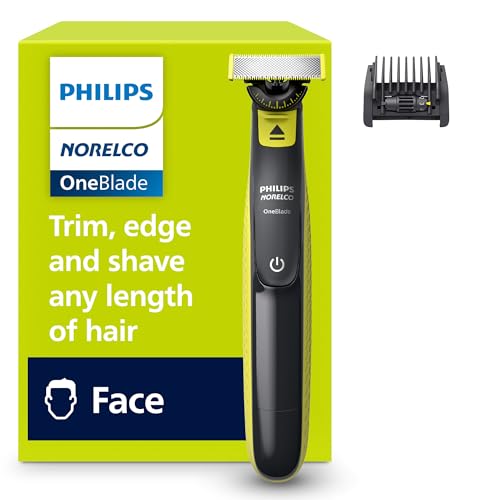
OneBlade Technology: Fast-moving cutter moves 12,000x/min on longer hair; the Dual Protection system with glide coating and rounded tips supports a more comfortable shave

PIVOT & FLEX FOIL TECHNOLOGY: Shaver adjusts to facial contours for a close, comfortable shave. Use short circular strokes and light pressure. Best results when used daily for the first few weeks.

From the #1 electric shaver brand¹: Shaver 2400 Series gives you a fast, clean shave even on sensitive skin thanks to 27 self-sharpening ComfortCut blades and 4D Flex Heads
Electric vs. Blade Razors: Why Electric Causes Fewer Injuries
Electric razors markedly outperform traditional blade razors in injury prevention because of their fundamentally different cutting mechanisms. You’ll find that electric shavers cut hair between a perforated foil and oscillating blades, similar to scissors, while safety razors expose sharp blades directly at your skin surface. This design difference creates significant safety comparisons: electric razor advantages include avoiding direct skin contact, which substantially lowers cut probability. Additionally, multi-blade safety razors can pull hair below your skin through the hysteresis effect, increasing irritation risks. You won’t experience nicks even when shaving body hair with electrics, whereas blade shavers demand precise technique and steady strokes to prevent injuries on curved areas. For optimal results with blade razors, shaving with the grain using short, gentle strokes minimizes irritation and ingrown hairs. For you, the protective foil design provides measurably superior injury prevention. Foil shavers are particularly recommended for very sensitive or acne-prone skin due to their design limiting blade contact with your skin. Electric razor heads typically last 12–18 months before requiring replacement, which means consistent protection over an extended grooming period.
When Electric Razors Cause Cuts (and How to Prevent Them)
Despite their superior safety profile, electric razors can still cause cuts and irritation when specific conditions align—and you’ll want to understand the primary culprits.
Damaged foils expose underlying blades, enabling direct skin contact and cuts. When protective foils deteriorate or wear down, you’re forced into excessive passes that heighten abrasion risk. Dull blades compound this problem by yanking hair instead of cleanly shearing it, causing hair pulling and folliculitis.
Excessive pressure amplifies these dangers. Pressing forcefully against your skin creates micro-scrapes and allows epidermis to poke through foil perforations, risking cuts and inflammation. Underpowered motors struggle with dense hair and force users to compensate with additional pressure, worsening skin damage. Budget-friendly razors like the Braun Series 5 (5100) and Philips Norelco Series 5000 offer reliable performance that reduces the risk of motor-related compensation injuries. Most electric razors rely on rotating or oscillating blades that operate at thousands of RPM, so a properly functioning motor ensures consistent cutting without requiring excessive pressure.
Dry skin preparation worsens outcomes. Shaving unprepared skin without lubrication greatly increases skin irritation and redness, even on resilient skin types.
To prevent cuts, replace worn foils promptly, use light gliding motions, and always prep your skin adequately before shaving.
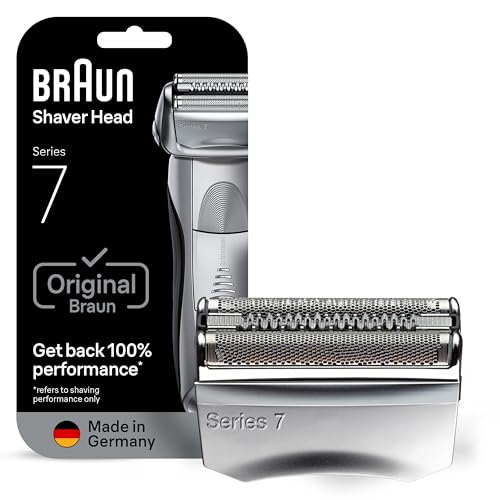
PEAK PERFORMANCE: To maintain your best shave, we recommend replacing the shaver head every 18 months

Is made of premium Hard EVA to provide durability and a long-lasting performance. Soft inside can reduce shaver damage, so you can rest assured that the use of.
Electric Razor Techniques for Safe, Nick-Free Shaving
Since proper technique matters as much as equipment quality, mastering key fundamentals will substantially reduce your risk of cuts and irritation. Hold your shaver at a 90-degree angle, applying minimal pressure while stretching skin taut with your free hand to upright hairs. Use back-and-forth strokes for foil shavers or circular motions for rotary models, moving gently without repeating over the same area.
Implement heat management by shaving sensitive neck areas first while your shaver remains cool, then work deliberately to minimize motor heat buildup. Prioritize shaver maintenance by cleaning after each use and replacing blades per manufacturer guidelines to guarantee sharp, safe performance. Regular cleaning with warm soapy water and proper blade disinfection removes hair clippings and bacteria that accumulate during use. To ensure optimal blade performance, maintain proper blade spacing and check that your blades are sharpened at the correct angle to reduce tugging and irritation. A fully charged battery prevents tugging that demands excessive pressure, further reducing nick risk. During the initial transition period, expect gradual technique refinement as your skin adjusts to the electric shaver over one to two weeks.

1. Perfect Compatibility & Effortless Installation Designed for the Freebird Shaver for men, these replacement blades ensure a perfect fit for Free bird shaver models, including the popular Freebird Flex Series shaving kit. Easily install your new shaver head replacement in minutes for a hassle-free grooming upgrade. They are your ideal one blade replacement heads and razor refills for men.

SAFETY TIPS ONLY – This purchase contains 6 single use safety tips (approximately a 2-month supply). If you don’t have the SIMA yet, get it today so you can safely and effectively sonic dermaplane at home today.

Precision Blades for Shaving: Our replacement blades are designed for the free bird PRO shaver for bald head, ensuring a close, smooth shave. Compatible with the free bird shaver, these blades make part of the flex series shaving kit for men to maintain a polished look.
Who Benefits Most From Electric Razors?
Who’s most likely to benefit from switching to an electric shaver? You’ll find electric razors particularly advantageous if you’re managing regular facial or body hair removal. Men’s grooming demands favor electric shavers for their precision trimming and skin protection features. Women’s empowerment through normalized body hair removal options positions you as a growing market segment experiencing 7.39% annual growth. You’ll especially benefit if you’re younger, urban, or professionally employed—convenience matters when you’re balancing fast-paced lifestyles. High disposable income enables your access to premium models with advanced motors. If you prioritize efficiency and prefer non-harming solutions, electric shavers deliver what you’re seeking. For sensitive areas like those requiring body hair management, laser hair removal offers a superior long-term alternative to consider alongside electric shaving options. The rising focus on personal hygiene and skin health has made electric shavers increasingly popular among consumers concerned about safer grooming alternatives. Regular maintenance through proper blade cleaning prevents skin irritation and keeps your grooming tools performing optimally. Your adoption patterns drive regional growth, particularly across Asia-Pacific markets where urbanization and e-commerce accessibility enhance your purchasing options.