After each haircut, you’ll need to disconnect your clippers and brush away hair debris with a specialized cleaning brush, focusing on the blade edges. Apply a disinfectant spray like Wahl Cleaning Spray to eliminate bacteria, then add three drops of clipper oil across the top blade edge and run the unit for 10 seconds. Wipe away excess lubricant to prevent skin irritation. For best performance, you’ll want to perform deep cleaning weekly and remove blades periodically for thorough soaking in cleaning solution—techniques that’ll extend your clipper’s lifespan considerably.
Signs Your Hair Clippers Need Cleaning Now
Everyone who uses hair clippers regularly will eventually notice telltale signs that indicate immediate cleaning is necessary. Performance indicators include uneven cuts, hair tugging, or a pulling sensation during operation—all suggesting blade dulling from debris accumulation. You’ll observe mechanical issues like unusual rattling, loose blade alignment, or overheating components. Visual inspection may reveal rust, discoloration, or visible buildup on blade surfaces. Hygiene concerns manifest as unpleasant odors, skin irritation, or red spots on clients. Another warning sign is when the motor powers on and off unexpectedly, indicating internal debris interference. Regular oiling with specially formulated lubricant reduces friction between blades and prevents these performance issues from occurring. After disinfecting, proper maintenance with clipper oil application helps prevent these mechanical issues from developing. Cleaning frequency depends on usage patterns: daily users require weekly maintenance, while occasional users should clean after every 2-3 sessions. When your clippers bend hair instead of cutting cleanly or produce patchy results, immediate blade inspection and thorough cleaning become non-negotiable for ideal performance and sanitation.
Supplies for Cleaning Clippers: Brushes, Oils, and Disinfectants
Professional clipper maintenance requires specific supplies that address distinct cleaning functions: debris removal, lubrication, and sanitation. You’ll need specialized brush types with sturdy nylon bristles to remove hair from clipper nooks and crannies—options like the Scalpmaster 5¾-inch brush or Andis Blade Brush effectively clear debris. For oil application, blade oil maintains peak performance by ensuring smooth blade gliding post-cleaning. Apply it after every cleaning session to keep your trimmers in top shape year-round. Regular oiling also helps reduce friction and prevents pulling or snagging during cuts. To prevent overheating and maintain optimal clipper function, lubrication is critical during extended use sessions. Sanitation demands professional-grade disinfectants like Barbicide or H-42 Virucidal cleaner. Ship Shape Cleaner breaks down product buildup accumulated throughout the day, while clipper spray combines both oiling and sanitation functions. Stock disinfectant wipes for quick tool wipe-downs between clients, ensuring infection prevention. Dawn dish soap is effective for breaking down oils and removing residue from your clippers during deep cleaning sessions.

Specially designed to clean the nooks and crannies of clippers and trimmers

High Quality: Cleaning brushes are made of premium nylon bristles and sturdy plastic handle. The bristles are sturdy and non-shedding can withstand heavy use.

【10PCS Quality Barber Accessories Cleaning Supplies】: These hair clipper blade cleaning brushes are made of high-quality plastic handle and nylon bristles, high quality ABS handle makes it easy to clean, perfect for travel or normal use at home or hair salon.
How to Clean Hair Clippers After Each Haircut
After each haircut, you’ll need to complete a systematic four-step maintenance routine to preserve blade sharpness and prevent bacterial contamination. First, remove hair clippings using the supplied stiff brush, focusing on blade edges and the lever mechanism. This cleaning frequency prevents performance-degrading buildup. Second, cool overheated blades with specialized spray like Blade Ice for 30 seconds to dissipate cutting friction. Third, apply disinfectant spray such as Wahl Cleaning Spray to eliminate bacteria and maintain sanitary conditions. Finally, complete blade maintenance by adding three drops of clipper oil across the top blade edge, running the unit for 10 seconds, then wiping excess lubricant. This routine helps prevent skin irritation and other health risks associated with poorly maintained equipment. Using manufacturer-recommended specialized oils ensures your blades remain properly lubricated and resistant to the heat generated by high-speed blade operation. Regular maintenance after each use ensures optimal hygiene and performance throughout the life of your clippers. Never store wet blades, as moisture causes corrosion and premature wear.
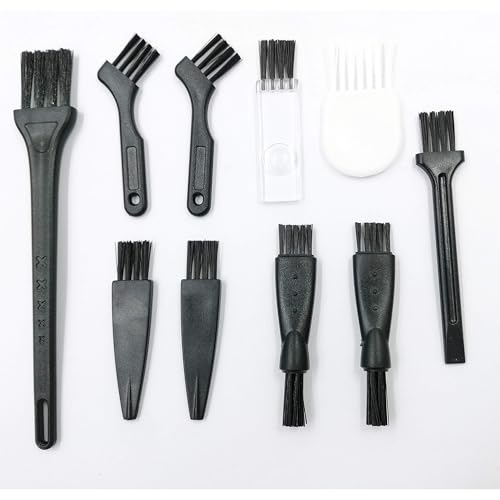
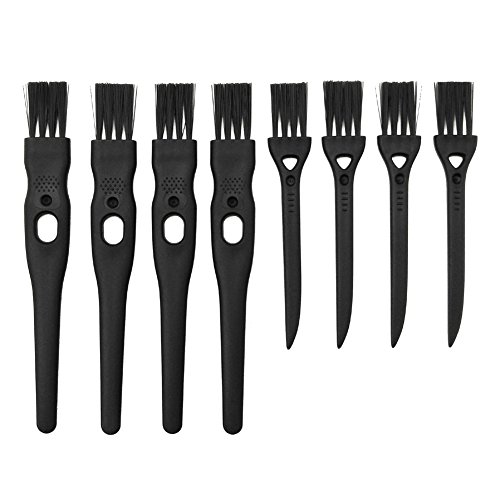
Very convenient to clean shaver / razor.
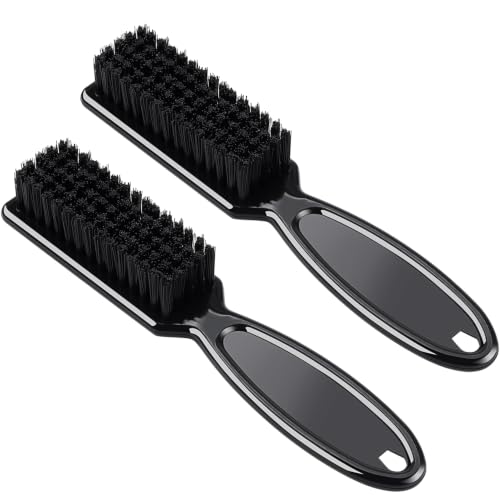
Sturdy Bristles: the cleaning brush can be applied as a brush for edges or to clean clippers and trimmers, study bristles make it nice for clipper cleaning, also suitable for fades and tapers
How to Deep Clean Clippers Weekly or Monthly
While daily maintenance keeps your clippers functional, weekly or monthly deep cleaning guarantees long-term performance and hygiene standards. Your cleaning frequency depends on usage—home users should perform weekly deep cleans, while professionals require sessions every 2-3 days. Follow this maintenance schedule: power off and unplug clippers, then meticulously brush away debris. Unscrew blades for monthly vacuuming inside the housing. Submerge running clippers in clipper spray bath 2-3 times to dislodge embedded hair buildup. After brushing remaining particles, apply the 5-point oiling system using clipper-specific oil. Disinfect with 70% isopropyl alcohol or cooling spray, ensuring proper contact time. Wash attachments in hot water monthly. For stubborn buildup around blade gaps, consider soaking components in warm soapy water and gently scrubbing with a soft-bristled brush to reach crevices. When reassembling your clippers, maintain proper blade spacing of about 1-2 credit card thicknesses between the cutter and comb blade to ensure optimal performance. Regular deep cleaning prevents corrosion and wear that can compromise blade performance over time. Store with desiccant packs to prevent moisture damage, extending clipper life to 7-8 years.

5-IN-1 FUNCTIONALITY: Cool Care Plus offers coolant, disinfectant, lubricant, cleaner, and rust prevention in one convenient spray, perfect for clipper maintenance.

Blade coolant, disinfectant, lubricant, cleaner and rust pre-treatment expertly packaged into a single, convenient aerosol can

TRUSTED BY PROFESSIONALS: From the makers of Barbicide, Clippercide is the industry-standard choice for professional barbers, stylists, and groomers. Trust the brand that has set the gold standard in salon hygiene to protect your tools and your clients
How to Remove and Clean Detachable Blades
Detachable blade systems require more thorough cleaning than fixed blades, but they offer superior access to accumulated debris. Press the release button on your clipper’s back to detach the blade attachment. Remove the plastic guard, then slide the blade halfway out to access buildup underneath. Use a stiff brush to remove hair clumps from both surfaces and moving parts. Target the area beneath the plastic retaining piece with gauze for precision cleaning. Wahl’s professional clippers feature self-sharpening blades that maintain their edge through regular maintenance and proper care. Wipe down all surfaces, then use canned air to clear remaining particles. Since these clippers are often waterproof for easy wet or dry cleaning, you can rinse detachable parts under running water to remove loose hair and debris before drying on a towel. Apply lubricant drops to the blade’s underside, moving it back-and-forth for even distribution. Add drops to the front side as well. Your cleaning frequency should include lubrication after every session. This practice prolongs the clipper’s life and maintains optimal cutting performance. Reattach the blade securely and run the motor briefly to spread oil throughout the mechanism.

Custom-designed for one is all pet grooming kit, these replacement blades are perfectly compatible with Oneisall Pet Grooming Kit(models:P2/A11/X2), ensuring a seamless fit with your existing grooming tools for a consistent trimming experience

What you get: when get the package, you will have 1 piece of black haircut cleaning brush, 1 piece of black razor brush, 1 piece of black barber cleaning brush and 1 piece of drawstring black storage bag, the various styles and different size will meet your different needs

6-in-1 Professional Grooming Kit: This 6-in-1 men's grooming kit is designed to meet all your precision trimming needs. The kit includes a professional men's beard trimmer, men's hair clippers, a precision nose hair trimmer, a fine-tip mustache trimmer, a body hair trimmer, and a variety of comb attachments and cleaning brushes. From hair styling to facial and body grooming, this set has everything you need-no need to use multiple devices
How to Disinfect Clipper Blades With Alcohol
Disinfection with isopropyl alcohol addresses pathogens that resist standard commercial sprays, providing thorough sanitization between clients and extended storage periods. Use 70% isopropyl alcohol rather than 99% concentrations—the lower percentage penetrates microbial cells more effectively and doesn’t evaporate before completing disinfection.
For proper sanitation techniques, immerse detached blades in a cup of 70% solution, or spritz directly onto attached blades between cuts. After application, wipe blades clean to remove residual alcohol and debris. This blade maintenance protocol requires follow-up lubrication to prevent friction damage and preserve cutting performance. Regular maintenance using proper cleaning tools ensures optimal performance and extends the lifespan of your clippers. Specialized grooming tools designed with anti-friction technology can further enhance blade performance and durability during the disinfection and maintenance process.
Alternatively, distilled white vinegar provides comparable sanitization when alcohol isn’t available. For clippers with non-detachable blades, use a dip method where you submerge only the blade portion while keeping the motor dry. Integrate alcohol application after brushing off hair buildup, then apply commercial cooling spray and lubricating oil to complete your disinfection routine.
Oiling Hair Clippers to Prevent Rust and Friction
After disinfecting your clipper blades, proper lubrication becomes essential for maintaining peak performance and preventing premature wear. Understanding oil types guarantees superior results—clipper-specific blends combine mineral oil with corrosion inhibitors, while synthetic options provide enhanced temperature resistance. Wahl clipper oil repels hair debris effectively, and sewing machine oil offers suitable viscosity as an alternative.
Apply 2-3 drops between blades after every few haircuts, using proper application techniques: distribute oil evenly across cutting surfaces, then run clippers briefly to spread lubricant. This creates a protective barrier against rust and moisture while reducing metal-to-metal friction that causes overheating. Regular oiling minimizes blade dulling, eliminates track marks, and guarantees smoother cutting through thick hair. Accumulation of hair clippings between the blades can damage cutting surfaces if left untreated, making routine maintenance critical. Always verify blade alignment post-application for even performance. Similar to how electric shavers require light pressure application to prevent damage, clipper maintenance demands careful attention to avoid compromising your tools’ longevity. For users with limited dexterity, ergonomic clippers designed with accessible controls can make maintenance tasks more manageable.

Rust Prevention – Prevents rust from forming & helps extend the life of the clipper & blades; can also reduce the likelihood of blades becoming dull
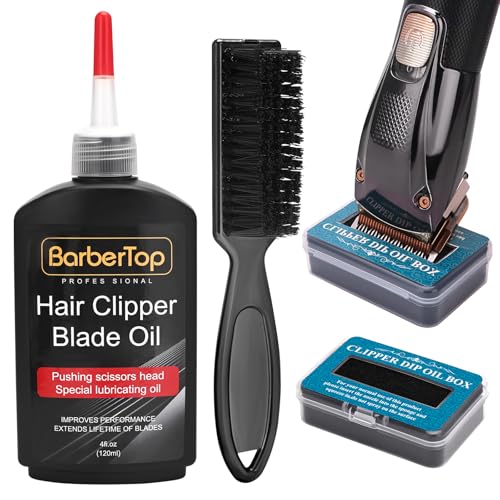
BarberTop: Our brand's Hair Clipper Oil is colorless and odorless, gentle on skin, rust-preventive, and cooling. It delivers convenient and efficient performance, significantly extending the lifespan of your tools.

Extends Blade Life: Specially formulated hair clipper oil; blade oil helps extend the life of clipper and trimmer blades
Water Submersion and Other Cleaning Mistakes to Avoid
While proper lubrication protects your clippers from friction damage, improper cleaning methods can cause even more severe problems. Never submerge your clippers in water, as water exposure compromises blade integrity and creates corrosion risks on metal components. Most professional clippers aren’t waterproof, and moisture trapped in internal mechanisms promotes rust formation requiring extensive drying protocols or professional repair.
Avoid using clippers on wet hair, which causes blades to snag and clump, reducing cutting precision. Wet conditions strain the motor and require multiple passes, accelerating blade wear. Water interferes with smooth blade movement and degrades sharpness over time. Professional trimmers like the Andis T-Outliner rely on high-speed magnetic motors to maintain consistent cutting performance, which water damage can severely compromise. Similar to how traditional manual razors require proper lubrication to prevent blade tugging and skin damage, clippers need dry conditions to function optimally.
Manufacturers explicitly design professional clippers for dry-cutting techniques only. Always dry hair thoroughly before clipping and use approved cleaning methods that prevent moisture infiltration while maintaining peak performance. After each use, remove hair from the blades and follow your manual’s specific blade care instructions.
How Often Should You Clean Your Clippers?
Establishing a consistent cleaning schedule directly impacts clipper performance and longevity. Your cleaning frequency depends on usage intensity. After every cut, brush hair off blades and apply oil. For professional use, disinfect after each service using 70% isopropyl alcohol. Perform deep cleaning daily at your workday’s end with a stiff brush and disinfectant solution. Heavy users should deep clean every 2-3 days, while weekly maintenance suffices for moderate use. These maintenance tips include washing attachments monthly in hot water and vacuuming inside the clipper housing. Apply clipper oil using the 5-point system—never substitute with alternatives. Resharpen blades annually, similar to how safety razor blades require regular replacement to maintain optimal cutting performance. An old toothbrush provides an effective tool for removing debris from blade teeth during routine cleaning. Proper clipper maintenance also supports your overall grooming routine, much like how beard oil and conditioner are essential for maintaining healthy facial hair growth. Following this regimen prevents rust, reduces premature wear, and extends your clippers’ lifespan to 7-8 years.
Fixing Clippers That Still Cut Poorly After Cleaning
Even after thorough cleaning, your clippers may continue to deliver subpar results, indicating underlying mechanical or maintenance issues that require targeted troubleshooting. Start with blade adjustment techniques: loosen the screws slightly, reposition the blades for proper alignment, then alternate tightening to prevent deflection. Visually inspect the blade length for evenness and test by running the clipper over your finger to verify smooth movement.
If alignment doesn’t resolve the issue, implement sharpening methods. Disassemble the blades completely, brush off residual hair buildup, and sharpen every 3-4 uses for ideal performance. Apply 1-3 drops of quality clipper oil to the blade center, ends, and heel after sharpening. Run the clipper briefly to distribute oil evenly, then wipe excess to prevent dust accumulation and guarantee restored cutting efficiency. Oiling every 2 uses helps prolong the lifespan of your clippers and maintains optimal performance between sharpening sessions.