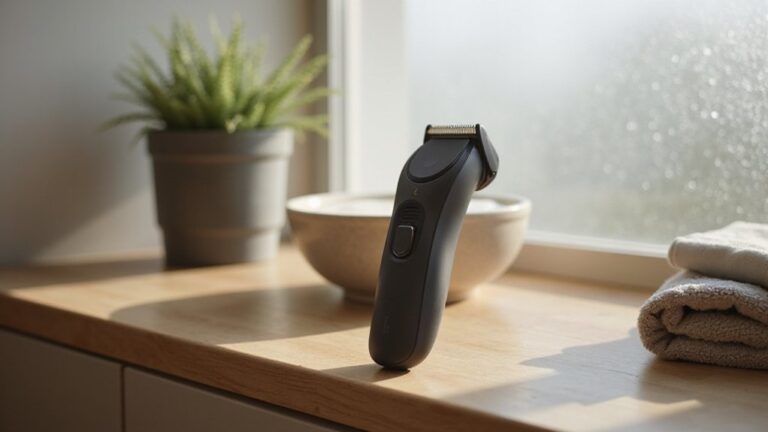
You’ll shape your beard by strategically trimming five key areas. Start with your neckline foundation—draw a “C” curve from two fingers above your Adam’s apple to your earlobes. Next, fade your sideburns symmetrically using your earlobe as reference. Define your cheek line with a straight boundary from sideburns to mustache corner. Trim your mustache straight down using fine-tooth comb barriers. Finally, refine your overall outline with vertical lines below earlobes connecting to your chin. Uncover precise techniques for each area to avoid asymmetrical cuts and over-trimming.
Start With Your Neckline Foundation
Since the neckline establishes the foundation for your entire beard’s appearance, you’ll want to start by identifying your baseline: place two fingers directly above your Adam’s apple and draw an imaginary horizontal line from that point in a gentle “C” curve toward each earlobe. Tilt your head back slightly and trim downward from your jawline under your chin, ensuring the line remains parallel to your cheek for ideal balance. Your neckline curvature should reflect your face shape—rounded necklines suit round or oval faces, while straighter lines work better for boxed beards. These foundational shaping techniques prevent the common mistake of trimming too high, which creates an unflattering appearance. Using precision tools like the Laifen P3 Pro electric shaver will help you achieve crisp, clean edges that enhance the definition of your neckline. For sharper outlining and cleaner lines along your neckline, consider tools with zero-gap capable ultra-thin blades designed specifically for precision edge work. To maintain optimal performance and keep your shaver in top condition, incorporate regular maintenance into your grooming routine. Maintain everything below your Adam’s apple clean to establish a sculpted, professional foundation for your beard’s overall aesthetic.

Personalized Cutting and Sculpting: The precision beard trimmer for men has an adjustable dial with 19 settings to get the exact look you want; the included comb attachment raises flattened hairs for clean cutting
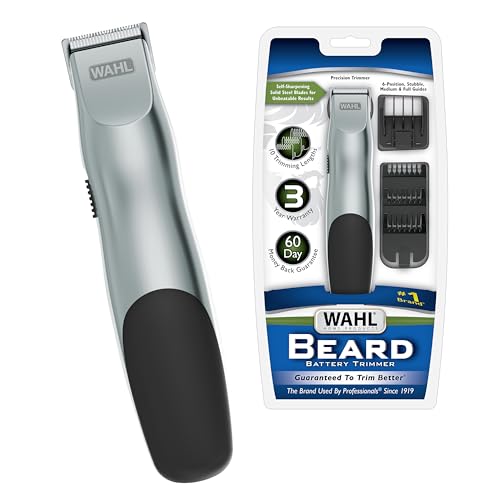
Precision Ground Blades – Our high-carbon precision-ground blades stay sharp longer, use in conjunction with our six-position beard regulator for multiple beard trimming lengths; Our beard guards vary in length from stubble to short and clean, to thick and even

Edging: Get crisp, clean lines & sharp edges with Wahl’s zero overlap blades; Blades are 0.2 millimeters and leave a crisp ash line for excellent line definition with the power of a full-size clipper in an easy to hold compact trimmer unit
Fade Your Sideburns Symmetrically
Once you’ve established your neckline foundation, you’ll create dimension and polish by fading your sideburns symmetrically. Start by using your earlobe as a reference point, ensuring consistent length on both sides. Apply identical fade techniques on each side by pulling a fine-tooth comb through hairs a few millimeters out, then trimming along the comb’s edge. Progress through your guard sizes methodically—longer guards down into the cheek, stepping shorter toward the sideburn top. Mirror your work frequently, checking alignment between sides. For optimal blending, remember that lower guard numbers yield closer cuts while higher numbers leave more length. Standard blades provide balanced versatility for detailed sideburn work and maintaining precise fade lines. Blend upward in overlapping strokes, each section shorter than the previous. The transition from longer to shorter guards creates no hard lines for a seamless, professional appearance. This sideburn symmetry prevents harsh lines while maintaining proper proportion with your beard length and overall facial shape.

Please note - this comb comes in two different sizes but they look exactly the same. If your model number is not listed below it will not be compatible. You will need the slightly smaller one made for different models.
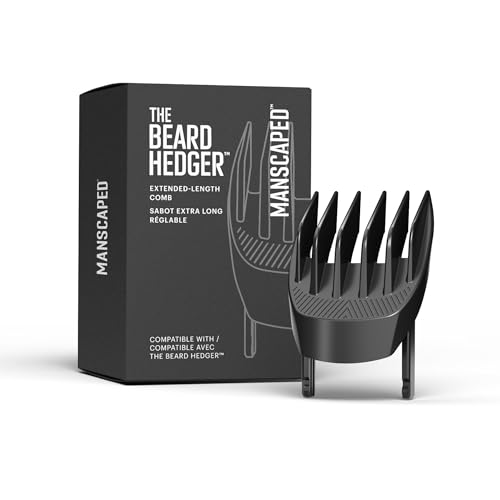
EXTENDED-LENGTH PRECISION: Designed for longer beard styles, this adjustable comb attachment allows you to trim and maintain beard lengths from 10.5mm to 20mm with consistent, even results.

SECURE LOCKING DESIGN & 8 LENGTH SETTINGS (1-8MM): The adjustment slider is intentionally designed with a snug fit for a secure lock. It may feel firm at first but will become smoother after several uses. Adjust from 1mm to 8mm with one guide comb.
Define Your Cheek Line
Your cheek line defines the boundary between your beard and facial skin, establishing the overall shape and polish of your style. You’ll visualize a straight line from your sideburns to your mustache corner, keeping it as high as possible for ideal definition.
Start by marking your intended line with a beard pencil, beginning higher than planned. Use an electric trimmer at its lowest setting for initial work, then refine with a razor for a clean edge. Apply short, gentle strokes while stretching your skin slightly, shaving in the direction of hair growth. For optimal results with longer beards, consider using a trimmer with multiple length settings to achieve precise control during this refinement stage.
Follow your natural facial contours and cheekbones closely. Round off the change from sideburns for a smooth curve, or maintain angular lines for a sharper appearance. A well-defined cheek line can prevent an unflattering appearance and significantly enhance the uniqueness of your overall beard aesthetic. This defined cheek line transforms a scraggly beard into a polished, intentional style.

Premium Titanium Blades: Mens hair clippers designed for smooth, quick, and precise clipping performance on all types of hair with high quality long lasting high-carbon enhanced self-sharpening precision premium titanium stainless T-blades, The tip part adopts safe R outlineing obtuse angle design, the professional edgers clippers satisfy any styling needs,such as lining, sculpt contours, and dry shaving.

Sensitive Skin Friendly – Quiet Yet Powerful: The T Shaper Professional Trimmer is trusted by barbers and perfect for anyone with sensitive skin or noise sensitivity. Ideal for detailed grooming on the head, beard, body, mustache, and more—works on all hair types.

【T-Style Zero-Gap Cutter Head】Adorned with a precision-crafted T-shaped stainless steel cutter head, 4cm wide, this clipper seamlessly blends artistry with function. Its razor-sharp blades glide through hair effortlessly, ensuring a smooth cut without any skin irritation. A protective cover shields the cutter head from wear, allowing for hassle-free cleaning under running water.
Trim Your Mustache for Balance
A well-groomed mustache requires deliberate trimming to maintain balance with your overall beard style. Start by combing your mustache straight down to reveal its natural contours. Using fine-tooth combs as barriers, trim from the center outward with small scissors, working along your lip line from middle to sides. These grooming techniques prevent over-trimming while ensuring symmetry. Apply short, controlled snips to remove only a few hairs at a time. Step back frequently to check balance from a distance, matching both sides by gradually shortening the longest disruptive hairs.
Your mustache shaping strategy should include light trims every one to two weeks, maintaining the shape you’ve established. Daily combing removes residue and prepares your mustache for maintenance snips on new unruly growth. For those with coarse or kinky beard texture, using an electric shaver designed for powerful performance can complement your trimming routine. Quality blade materials like stainless steel ensure precise cuts without irritation during your grooming sessions. Before trimming, always style with wax or balm to reveal the mustache’s true shape and prevent unintended length loss from cutting damp hair.

Iconic daily use pocket and travel comb, ideal for fine or thinning hair, as well as smaller beards and mustaches

ACE Classic Bobby Pocket And Purse Hair Comb: Our premium 5-inch hair comb will help you comb and detangle at home or on-the-go. Designed with fine comb teeth, hair can be styled and groomed with precision.
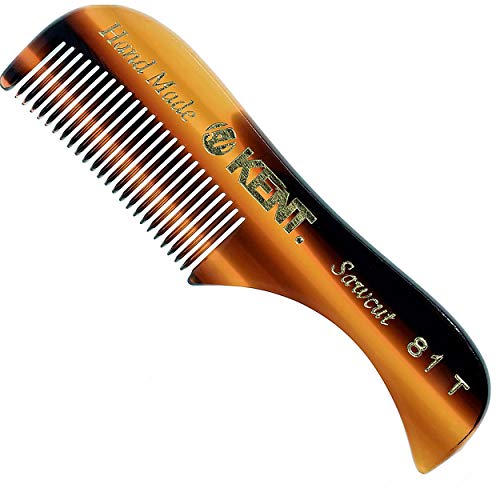
2.8" x 0.5" fine tooth comb and beard straightening comb and mustache comb for the perfect beard grooming kit for men. This travel comb sized Kent comb for mustache & beard, so you can groom your facial hair anytime, anywhere.
Refine Your Overall Beard Shape
Now that you’ve established your mustache shape, it’s time to refine your overall beard contours by addressing the key areas that define a polished appearance. Work freehand with your trimmer to create your desired shape after adjusting beard length. A triangular shape effectively slims your face, so define corners with vertical lines below your earlobes connecting to a horizontal chin line. Stretch your skin taut and use an inverted trimmer for curved lines that soften upon release. For optimal results on short whiskers, consider using a trimmer with adjustable blade settings that can deliver close, smooth cuts without irritation. Before trimming, prepare your beard by combing hairs in one direction to ensure even and controlled cuts. Maintain shape symmetry by outlining your jawline carefully, then clean below for a sharp finish. For precise detailing and micro-adjustments, the taper lever on professional clippers allows you to blend different lengths seamlessly. Consider your face shape—square faces benefit from short sides with fuller chins, while round faces require angled cheekbone definition. This strategic approach guarantees balanced, refined results.
Mistakes to Avoid When Shaping
Even with meticulous planning, you can easily derail your beard’s appearance through common shaping mistakes that undermine all your previous work. Rushing cheek line placement causes asymmetrical cuts, while neckline trimming errors create an abrupt or floating appearance. Over trimming risks include patchiness and unexpected shortening before adequate growth fills gaps—avoid trimming before thirty days.
Tool selection matters greatly; dull implements cause jagged cuts and irritation, while trimming against hair growth direction produces ingrown hairs. For sensitive skin, consider using electric razors designed for precision to minimize irritation during grooming. Quality grooming tools like those with sharp blades and linear attachments provide better control and cleaner cuts compared to dull alternatives. Symmetry mistakes stem from neglecting face shape research and skipping the beard-mustache shift intentionally. Establishing a consistent grooming routine helps maintain proper symmetry and prevents accidental overcorrections that compromise your beard’s overall structure.
Planning errors compound when you trim without mirrors or intentional perimeter focus. Account for growth considerations by resisting nitpicking sessions that remove excess material. Patience and precision prevent costly reshaping.
Best Tools and Prep Techniques
Having identified the mistakes that compromise your beard’s shape, you’ll now need the right equipment and preparation methods to execute your plan flawlessly. Start by selecting quality grooming tools suited to your needs—cordless trimmers like the Braun All-in-One Series 9 or Panasonic offer multiple length guards for versatile trimming techniques. Invest in shaping tools such as the Aberlite ClearShaper 2.0, which provides visibility and precise angles. The anti-slip rubber grip on quality shaping tools ensures stability during the grooming process.
Before trimming, prepare properly: wash and completely dry your beard to prevent slippage. Comb thoroughly with a boar’s hair brush to detangle and even out growth. For coarse beards, consider using a trimmer with powerful performance to ensure clean cuts through thick facial hair. To maintain optimal cutting performance, keep your trimmer blades in top condition by periodically using light pressure sharpening techniques to remove hair product buildup. Mark your desired shape using barber pencils or a white grease pen, outlining your neckline first to establish a clean foundation. Stretch skin taut during this process for accuracy.
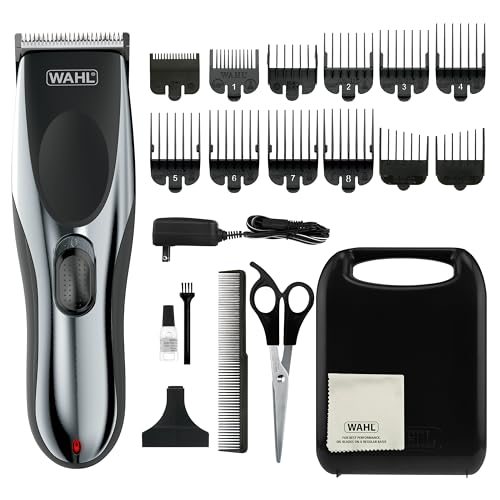
Long Run Time - These clippers feature convenient cord/cordless use options with 60 minutes of cordless run time. Long-lasting easy-to-clean stainless-steel precision blades enable no-snag cutting.

𝗔𝗹𝗹-𝗶𝗻-𝗢𝗻𝗲 𝗕𝗲𝗮𝗿𝗱 𝗧𝗿𝗶𝗺𝗺𝗲𝗿 𝗳𝗼𝗿 𝗠𝗲𝙣 - Our Electric Beard Trimmer Kit is the ultimate Men’s Grooming Kit, featuring multiple precision heads for beard, mustache, hair, nose, ear, and body. This all-in-one Beard Shaving Set keeps you perfectly groomed at home or on the go

Perfect Gift for Men: Creating a neat beard line will tidy up the look of the beard immensely. Get a perfect trim anytime at your own home — no need to spend more money on barbershops! Makes for great gifts for dad. Perfect fathers day gifts from daughter or wife.
Keep Your Beard Shape Between Trims
The maintenance window between full trims determines whether you’ll preserve your carefully crafted shape or watch it deteriorate into an unkempt mess. Establish consistent trimming frequency—every two to four weeks maintains your current length while every seven to ten days addresses length maintenance during growth phases.
Focus on high-maintenance areas weekly. Trim your mustache to prevent stragglers from covering your upper lip, and clean your neckline and cheekline with precision tools to maintain sharp definition. These targeted trims prevent bulk accumulation and wild hair proliferation. Investing in quality grooming tools such as clippers, scissors, and razors ensures you can maintain these areas effectively between professional visits. For the closest and most precise neckline work, consider using zero-gapped surgical blades that excel at creating sharp definition without irritation. Professional barbers favor clippers with adjustable blades and powerful motors for consistent results across different beard textures.
Regular maintenance delivers significant health benefits beyond aesthetics. You’ll prevent split ends from traveling up your hair shaft and stimulate thicker, fuller growth. Monthly check-ins let you address flyaways and preserve your shape’s integrity between thorough trims.