You’ll attract more attention with light stubble than clean-shaven or fully bearded faces, according to peer-reviewed research. Women aged 18–29 prefer clean-shaven looks at 87%, while women 45–60 favor beards more. The critical factor isn’t the beard itself—it’s maintenance. Well-groomed facial hair consistently outperforms unkempt alternatives across all demographics. Context matters too; clean-shaven faces dominate professional settings, while beards signal masculinity in casual environments. Understanding how age, grooming standards, and situational factors interact reveals why your specific approach should vary.
Beard Preferences by Study: What the Data Actually Shows
When you examine the scientific literature on facial hair preferences, the evidence reveals a clear hierarchy: stubble consistently outperforms both full beards and clean-shaven faces in attractiveness ratings across multiple studies. The 2016 Journal of Evolutionary Biology survey of 8,500 women ranked heavy stubble first, while the 2013 Behavioral Ecology study confirmed light stubble‘s peak appeal. Full beards ranked second, associated with higher masculinity perception and dominance signaling. Clean-shaven faces ranked last overall, though they appeal to 44% of women, particularly pregnant and postmenopausal participants.
Relationship context greatly influences these preferences. You’ll find that beards enhance long-term relationship attractiveness more than short-term appeal. These shifting standards suggest that evolving perceptions of masculinity continue to shape societal grooming norms and expectations. For those considering safety razors for achieving clean-shaven looks, options range from beginner-friendly choices to aggressive blade designs suited to different skin types and preferences. Maintaining a well-groomed beard requires consistent care including daily beard washing and conditioning to keep facial hair looking sharp and attractive. Grooming habits matter considerably—well-maintained facial hair outperforms unkempt appearance. Cultural influences and individual masculinity perception shape these attraction preferences significantly, demonstrating that preferences aren’t universal.
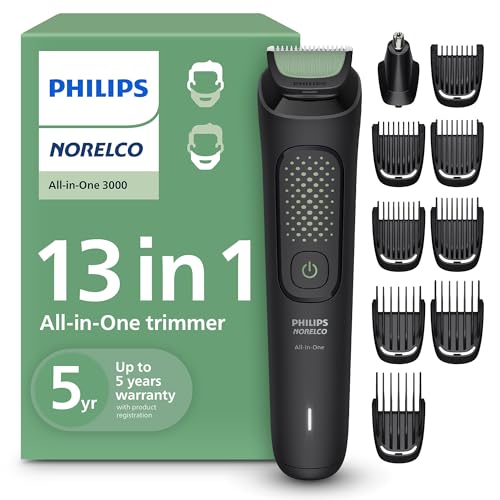
Skin-Friendly Blades: Rounded comfort-blade tips feel gentle on skin for a quick, comfortable trim when shaping beard or hair
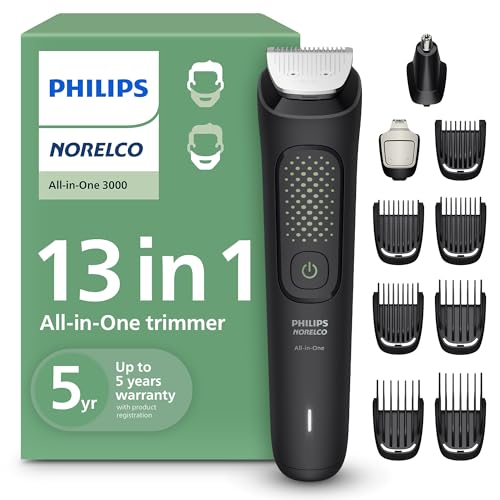
Full Metal Blades: Self-sharpening blades stay as sharp as day one and require no oiling for precise, low-maintenance grooming

Multifunctional Shaving Kit for Head to Body: This is a high quality all in one machine that includes 7 trimmer heads, 10 hair combs and a base. Covers all hair cutting tasks, from hair, face, beard, nose, ear, body, pubic area. This is professional men's grooming kit and gifts for him.
How Age Shifts Preferences: 18–29 vs. 45–60
Because facial hair preferences shift dramatically across the lifespan, you’ll find that women aged 18–29 overwhelmingly favor clean-shaven faces at 87%, while women aged 45–60 show considerably greater acceptance of full beards. This beard evolution reflects age-related changes in attraction dynamics. Younger women perceive bearded faces as older and higher status, yet rate them lower for attractiveness. Conversely, older women associate beards with enhanced masculinity and dominance signaling, correlating preferences with biological dimorphism indicators. Genetic factors account for 38% variance in these preferences, with heritability proving stronger in older demographics. Research indicates that bearded faces convey aggression more intensely across cultural groups, which may influence younger women’s rejection of facial hair. For those preferring clean-shaven looks, modern foil shavers offer smooth results without irritation, while electric face shavers provide additional precision and exfoliation benefits for optimal skin appearance. The shift demonstrates how you’d experience increasing tolerance for facial hair as you age, driven by hormonal perception changes and maturity signaling that resonate differently across life stages.
Stubble vs. Full Beard: Which Wins for Attraction
Where does stubble stand against full beards in attractiveness rankings? Research demonstrates stubble’s superiority in multiple 2013 and 2025 studies, particularly light stubble, which women rate most attractive for both short- and long-term relationships. You’ll find stubble advantages stem from its perceived balance—signaling confidence and rugged masculinity without the maintenance demands of full beards.
Full beards rank second, though they convey maturity and social dominance more effectively. The critical distinction lies in beard maintenance. Well-groomed full beards require oils, balms, and consistent neckline definition, whereas stubble provides a professional, low-maintenance aesthetic. Your grooming effort directly impacts attractiveness; unkempt facial hair considerably reduces appeal regardless of style. If you do maintain a full beard, using proper beard oils and balms can significantly enhance its appeal and comfort against sensitive skin. For those preferring stubble or short facial hair, pubic hair trimmers designed with precision guards can help maintain clean necklines and defined edges with confidence. Preferences vary widely across different age groups and demographics, with younger women often favoring beards while older women may prefer clean-shaven looks. Ultimately, you’ll attract more attention with neat stubble than neglected beards, though grooming quality determines your actual success.
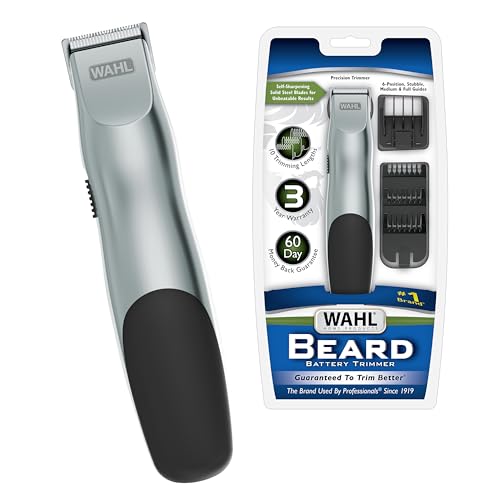
Precision Ground Blades – Our high-carbon precision-ground blades stay sharp longer, use in conjunction with our six-position beard regulator for multiple beard trimming lengths; Our beard guards vary in length from stubble to short and clean, to thick and even

All-in-One Grooming Kit: This beard trimmer for men includes 3 interchangeable heads (beard, foil, nose/ear) plus an upgraded 0.5–10 mm adjustable comb, ideal for beards of different lengths. Compact and portable, this mens grooming kit replaces multiple single-function tools, saving bathroom space, reducing travel load, and streamlining your daily grooming routine whether at home or on the go.

High Quality Components – Corded power allows for extreme strength heavy duty cutting from our high torque rotary motor & our precision drive components.
The Grooming Standard That Makes the Difference
Grooming quality matters far more than your choice between stubble and full beard. Research demonstrates that well-maintained facial hair consistently outperforms unkempt alternatives in attractiveness psychology studies. Your grooming habits directly signal self-care commitment and personal standards to potential partners.
Short, neatly trimmed beards rank higher in preference than longer, scraggly styles regardless of actual length preference. Hygiene standards prove equally critical—unwashed or greasy-appearing beards substantially reduce attractiveness ratings. Proper shampooing, conditioning, and beard oil application represent minimum maintenance requirements for positive perception. Tools like the Brio Beardscape V2 offer precision control to maintain optimal beard length and appearance. Regular disassembling and air drying of grooming tools after use prevents moisture-related rust and maintains their effectiveness.
Style maintenance communicates broader patterns of responsibility and maturity. Active grooming practices demonstrate masculine competence and health consciousness. Neglected facial hair functions as a visible marker of reduced personal investment in appearance standards, ultimately undermining attraction potential. Women’s preferences for facial hair vary widely, with some favoring thick groomed beards while others prefer stubble or clean shaves, reflecting subjective individual differences in attraction.
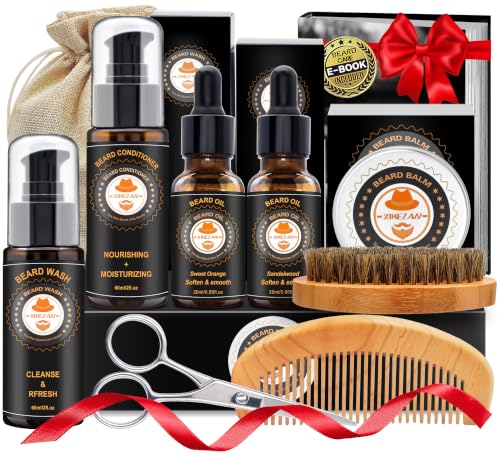
【The Ultimate Beard Grooming & Care Kit】Achieve a smooth, shiny, impeccably trimmed and styled beard with XIKEZAN's most complete 10 piece set. Designed for all beard types—long, short, thick, thin, coarse or tangled—this premium grooming set has everything you need for precise trimming and flawless daily care. Packed in a luxury gift box,it includes beard wash,conditioner,sweet orange & sandalwood beard oil,balm,comb,brush,scissors,travel storage bag and e-book.

Cedar & Sandalwood Beard Oils & Balm: Enjoy distinct aromas with our Cedar Beard Oil’s woodsy scent and Sandalwood Beard Oil’s warm fragrance. Our natural Sandalwood Balm styles, hydrates, and nourishes for perfect control and a non-greasy finish. Indulge in ultimate beard care
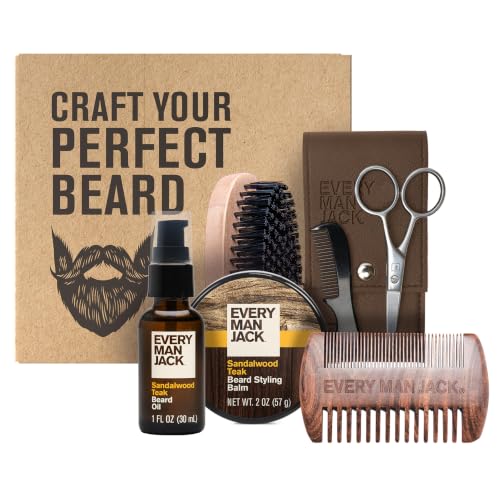
Complete Beard Kit: One box holds five pieces, a beard oil, a beard balm, a vegan beard brush, a beard comb and stainless steel scissors. A full beard maintenance kit for men, for work days and weekends outside
Full Beards vs. Clean Shaven: The Perception Factor
What does the research actually reveal about women’s preferences between full beards and clean-shaven faces? The data demonstrates contextual variation rather than absolute preference. Full beard perceptions shift considerably based on prevalence—they’re more attractive when clean-shaven faces dominate culturally, creating a rarity advantage. Conversely, clean shaven appeal peaks when beards become commonmon.
Age influences these perceptions greatly. Women aged 45-60 favor clean shaven at 91%, valuing approachability. Younger women (20s-30s) lean toward beards at 58%, perceiving them as signaling maturity and strength. Workplace contexts further complicate preferences, with 65% of 18-29 age group selecting clean shaven professionally. Maintaining a well-groomed facial appearance requires consistent grooming practices to ensure blades remain sharp and properly maintained for optimal results, with regular clipper maintenance and oiling essential for achieving the cleanest shaves. The survey of 108 women revealed that well-groomed facial hair emerged as the most preferred aesthetic across age ranges.
This competitive advantage stems from novelty perception rather than intrinsic superiority, suggesting preferences track cultural trends and personal exposure rather than universal standards.

Perfect Holiday Gift For Men - Viking Revolution Beard Kit for men is what your man needs to look smoking hot this holiday! This ultimate beard care kit contains Wooden Boars Hair Beard Brush, Double Sided Pocket Beard Comb, Sandalwood Beard Oil, Sandalwood Scent Beard Styling Balm, and Beard Scissors in a cool metal tin.
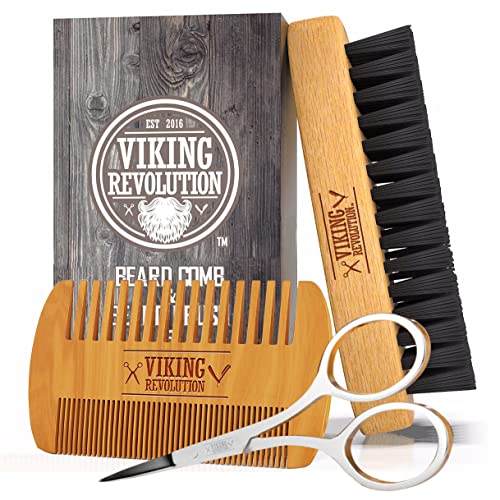
Look And Feel Your Best: With a high quality brush and double sided comb, get ready for a smooth, well-manicured beard free of tangles.

Complete Beard Kit for Men: Five products cover the full routine. A Beard + Face Wash, a Beard & Scruff Face Lotion, beard oil, beard butter and a wooden beard comb, ready for work days and weekends on the trail
Beards in the Workplace: Age-Based Divides
While beards enhance perceived expertise and trustworthiness in sales contexts, they simultaneously trigger contradictory workplace assessments that vary dramatically by industry and generational norms. You’ll find that younger entrepreneurs increasingly embrace facial hair as a cultural signal, whereas conservative sectors remain skeptical. Beard perception operates as a generational marker: established professionals view beards as signaling lower conformity and reduced approachability, while emerging leaders interpret them as indicators of permissive workplace dynamics. The data reveals that 90% of men can maintain facial hair if kept groomed, yet initial interviews still favor clean-shaven appearances to gauge organizational culture. Research on bearded faces demonstrates that beards obscure sadness while simultaneously enhancing the recognition of anger and aggression in professional settings. Your workplace dynamics ultimately depend on industry context and leadership preferences, making beard acceptance inversely proportional to institutional conservatism.
The 30-Year Cycle: Why Rarity Determines Attraction
Beyond workplace politics, attractiveness itself follows predictable biological patterns that explain why you’ll find beards cycling in and out of fashion roughly every three decades. This phenomenon reflects negative frequency-dependent sexual selection—your attraction intensifies toward rare traits. When beards dominated in 1970 at 58 percent prevalence, they signaled commonality rather than distinction. Today’s rarity appeal operates through beard psychology: uncommon grooming choices trigger heightened mate-selection interest because they signal genetic differentiation. You’re neurologically wired to perceive scarcity as advantageous. As beards become fashionable again among creators and consumers, the cycle reverses. The rarity appeal diminishes through widespread adoption, eventually making clean-shaven faces the attractive minority. This 30-year oscillation reflects evolutionary preferences for differentiation rather than fixed aesthetic standards. Research on similarity and attraction demonstrates that familiarity may encourage comfort, yet the constant cycling of facial hair preferences reveals that dissimilarity and novelty simultaneously drive aesthetic appeal through self-expansion opportunities. High-quality grooming tools like cordless shavers with trimmers can help maintain either aesthetic while minimizing irritation regardless of which facial hair style is currently in the rarity advantage. Proper grooming with skin-friendly tools can help maintain either aesthetic while minimizing irritation regardless of which facial hair style is currently in the rarity advantage.
Clean Shaven: When Less Actually Works Better
How does removing facial hair shift your professional standing? You’ll find that clean-shaven benefits extend directly into workplace perceptions. Seventy-five percent of women surveyed rated clean-shaven faces as most professional-looking, compared to just 16.67% for beards. This advantage particularly strengthens in sales and service roles, where approachability matters. You’re not sacrificing trust—light stubble edges you out there, but clean-shaven maintains viability across contexts. The trade-off? You lose the masculinity signal that beards provide, yet retain credibility. For short-term professional interactions, your clean-shaven appearance communicates competence without demanding the authoritative presence that longer facial hair projects. Your workplace perceptions improve measurably when you prioritize respectability over masculine signaling. However, studies indicate that men with light-heavy stubble receive the highest attractiveness ratings overall, suggesting that professional appeal differs from romantic desirability. Maintaining a clean-shaven look requires consistent grooming, and using electric trimmers can help you achieve a neat appearance while minimizing irritation. For body grooming needs, foil shavers are particularly effective at providing close, nick-free results on sensitive skin areas.

ULTRA THIN: Gold titanium foils for zero finishes, ideal even for the most sensitive skin.

Professional Foil Shaver: Engineered for barbers, delivers an ultra-smooth, bump-free finish on face, head, neck, and hairline. Perfect for blending bald fades or finishing close cuts.

THE HANDYMAN: Our precision compact electric foil face shaver is equipped with a dual-action SkinSafe blade head that includes a long-hair leveler and a foil shaver blade.
Matching Your Beard to Context, Age, and Trends
The professional advantage of clean-shaven faces doesn’t apply universally across demographics and social settings. Your beard adaptability depends on context and age dynamics. In workplace environments, younger women (18-29) accept beards at 65%, while older demographics (45-60) strongly prefer clean-shaven appearances, viewing facial hair as unapproachable. Relationship contexts shift preferences considerably—beards signal maturity and long-term commitment potential, whereas stubble works better short-term. Cultural interpretations matter greatly: younger generations embrace beards as trendy and confident, reflecting celebrity influence, while older cohorts associate them with outdated stereotypes. Postmenopausal women rate medium to full beards higher for perceived social status, as biological shifts during menopause alter their evaluation of masculine characteristics. Beyond aesthetic preferences, maintaining proper facial grooming contributes to improved hygiene and reduced bacteria buildup that women find attractive. Selecting the right beard trimmer for your style ensures you can maintain your chosen look with precision and consistency across different settings. You’ll maximize appeal by matching grooming choices to your target demographic and setting, recognizing that one approach doesn’t suit all scenarios.