You’ll establish your neckline two fingers above your Adam’s apple, then use an electric trimmer with short, light strokes following your hair’s growth pattern. Rinse thoroughly with warm water, then cool water to calm inflammation. Apply aftershave balm with soothing ingredients like aloe vera. Keep your blades sharp—dull blades cause irritation and tugging. Inspect your work under clear lighting for missed spots. Master these fundamentals, and you’re ready to explore advanced techniques for a truly polished result.
Establish Your Neckline First
Before you pick up your trimmer, you’ll need to define where your neckline should sit. Your neckline importance can’t be overstated—it separates beard hair from clean-shaven neck skin, defining your jaw structure and preventing a messy appearance.
Use this shaping technique: place two fingers above your Adam’s apple for beards over 3mm, or one finger width for shorter growth. Tilt your head forward to observe the natural crease where your neck meets your jaw. This positioning avoids the unflattering “chin strap” look while enhancing beard fullness. A common mistake is shaving too high or following the jawbone curve, which can result in an undesirable appearance.
Visualize a gentle U-shaped curve from earlobe to earlobe, similar to the U-shape angles recommended for beginners perfecting their overall grooming aesthetic. Keep this line parallel to your cheek line for balance. When defining your neckline, cutting against the grain will provide the cleanest and most precise edges for a polished finish. Mark your initial trim point straight across, then adjust based on your specific beard length and neck-chin boundary definition.
Gather Tools for a Safe Trim
You’ll need five essential tools to trim your neckline safely and effectively: an electric beard trimmer, precision scissors, a clear plastic shaping guide, a neckline template, and a beard brush or comb.
Start with a quality electric trimmer like the Philips Norelco 5500, which offers 40 adjustable lengths and DualCut steel blades for consistent results. Pair it with precision scissors for detailed work on stray hairs that require finesse.
Add an Aberlite Clear Shaper for visibility during alignment, guaranteeing you see exactly how much you’re cutting. The Aberlite FlexShaper 2.0 neckline template provides hands-free guidance, preventing uneven lines through its adjustable elastic headband. For sensitive skin areas on your neck, consider using electric razors designed for sensitive skin to prevent irritation and ingrown hairs. Unlike facial shavers, body-specific grooming models offer superior customization for varying hair lengths and hard-to-reach areas on the torso.
Finally, use a boar’s hair beard brush or comb for grooming essentials before trimming. This beard maintenance routine prevents pulls and enables safe access to neck areas. Always position your trimmer at the defined center spot and work downward to maintain a clean neckline. These tools collectively guarantee professional results.
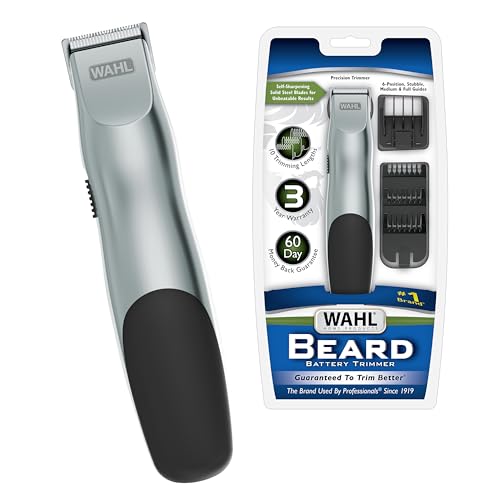
Precision Ground Blades – Our high-carbon precision-ground blades stay sharp longer, use in conjunction with our six-position beard regulator for multiple beard trimming lengths; Our beard guards vary in length from stubble to short and clean, to thick and even

GROOM YOUR BEARD TO THE PERFECT SHAPE - No more expensive shaves from the barber! Get perfectly symmetric beard trimming lines in a matter of minutes! Simply line up our Beard Shaping Tool and follow our included grooming kit guide to get professional accurate shave lines in no time!

【T-Style Zero-Gap Cutter Head】Adorned with a precision-crafted T-shaped stainless steel cutter head, 4cm wide, this clipper seamlessly blends artistry with function. Its razor-sharp blades glide through hair effortlessly, ensuring a smooth cut without any skin irritation. A protective cover shields the cutter head from wear, allowing for hassle-free cleaning under running water.
Trim the Neck Beard Base
With your tools ready, it’s time to establish your neckline’s foundation. Start by locating your neckline definition—place two fingers above your Adam’s apple to identify the midpoint, then envision a curved line connecting points between your ears. Stand straight and insert a tool into your jawline-neck crease, lifting your chin to view the reference line clearly.
Adjust your clippers two settings below your beard length for initial trimming tips. Begin clipping all hair below your imaginary neckline, starting from the middle above your Adam’s apple and working toward the sides. Use electric trimmers from both front and side profiles for thorough coverage. Stretch your skin taut when punching the initial line to create a soft, natural bend rather than a harsh edge. To minimize irritation and razor burn, make sure your clippers are sharp and clean before each use. For best results on the neck area, use short controlled strokes while mapping your growth pattern to account for irregular hair direction. Regular maintenance helps ensure your neckline stays clean and defined as your beard continues to grow.
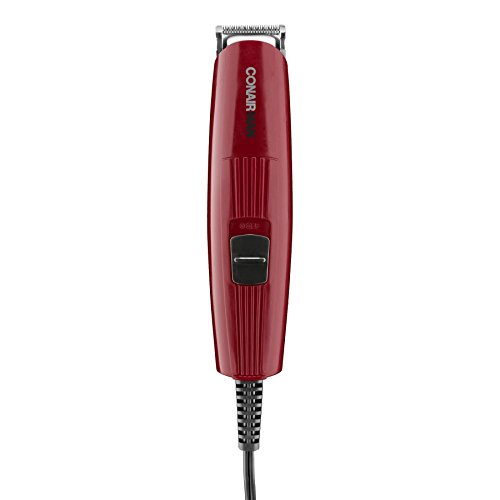
Corded Beard and Mustache Trimmer: A man's face is his statement and whether you're going bold look or staying subdued this corded men's trimmer has all the basics to give you a clean, comfortable shave.

PERFECT BEARD NECKLINE — NO GUESSWORK, NO MISTAKES Achieve a sharp, clean neckline every time with precision. Avoid trimming too high or uneven and get a professionally groomed look in minutes, all from the comfort of your home.

Precise & effortless styling: Braun’s All-in-One Trimmer Kit, Series 5, lets you effortlessly trim your beard, hair, ears, nose and body
Master the Shaving Technique
Now that you’ve established your neckline foundation, it’s time to refine it with precise shaving techniques. Use short, light strokes with minimal pressure, following your hair’s natural growth pattern. Start by shaving with the grain to minimize irritation, then rinse with warm water and re-lather before shaving across the grain for a closer finish.
Apply gel to any missed spots before reshaving gently. This methodical approach works for various beard styles, ensuring clean lines without cuts or discomfort. Follow the hair growth patterns on your neck carefully, adjusting pressure as needed around contours. Reapply product between passes to maintain hydration and reduce friction. For best results, consider using a dedicated beard wash beforehand to ensure your facial hair is clean and soft, making the shaving process smoother and more comfortable. Electric shavers with floating foil technology are particularly effective for sensitive neck skin, as they adjust to body contours while minimizing irritation. After shaving, maintain your razor’s performance by applying lubricant oil to the foils if using an electric shaver, which helps preserve cutting efficiency and extends the life of your tool. These shaving techniques prevent irritation while delivering the refined neckline you’re targeting.

Sensitive Skin Technology: Experience irritation-free grooming with advanced Foil Shavers featuring 0.05mm FlexSkin hypoallergenic foil and real-time beard density sensing. The precision blades dynamically adjust cutting force to eliminate tugging pain, while micro-bead coating reduces friction by 76 percent for smooth shaving

LED Display & Dual Speed: A built-in LED screen displays remaining battery level at a glance, eliminating guesswork that leads to mid-shave power loss. Paired with 2 selectable speed modes, this electric shaver adapts to different needs: the lower speed provides a gentle pass for sensitive skin, while the higher speed drives through thicker growth

[Powerful Magnetic Suspension Motor] Unlike traditional shavers with mechanical bearings, this foil shaver uses a magnetic suspension motor to spin freely at up to 14,000 RPM. It delivers consistent torque to cut through thick, coarse hair in one pass—no tugging, no stalling. The combination of high-speed, low-vibration cutting and premium blades creates a close, comfortable shave. It glides smoothly over sensitive skin, reducing redness and irritation that can come with repeated passes on traditional shavers.
Rinse Your Neck and Soothe Your Skin
Once you’ve completed your final shaving pass, rinsing becomes your next priority to remove loose hair, soap residue, and product buildup from your neck. Start with warm water for at least 30 seconds, then alternate with cool water to calm inflammation and close your pores. This temperature variation enhances the soothing effect considerably.
Pat your neck dry gently with a fresh, clean towel—avoid vigorous rubbing that irritates skin. Leave your skin slightly damp before applying aftershave balm, which you’ll massage upward from your neck’s base to promote circulation. A clean towel is essential to prevent bacteria spread and maintain proper hygiene during this drying phase. For optimal skin care, consider using balms with ingredients like aloe vera, chamomile, or witch hazel that are specifically formulated for sensitive skin and irritation-free grooming.
Select balms containing aloe vera, chamomile, or witch hazel for best skin soothing. For any nicks, apply a styptic pen before your balm. Electric shavers cut hair at or above the skin surface to eliminate razor burn, nicks, and micro-trauma that traditional blades can cause. Neck rinsing and skin soothing work together to minimize irritation, reduce redness, and prevent razor bumps effectively.
Keep Tools Sharp and Review Your Work
Maintaining sharp blades is essential to achieving a clean neck shave, as dull blades tug at hair, cause cuts, and leave your skin irritated and vulnerable to razor burn. Replace blades regularly and consider single-blade safety razors for peak control during neck work. When loading blades into your shavette, always start by lifting the lock mechanism and carefully positioning the blade on the designated notches to ensure proper protrusion and safe handling.
After trimming, inspect your neckline carefully under clear light. Wet your face and apply transparent shaving cream to reveal any missed spots or uneven patches. Use a neck brush to remove debris, ensuring you’ve got a clean view of your work. Regular neck brush cleaning prevents hair buildup that can obscure missed spots during final inspection. Lubricate your trimmer blades monthly with clipper-specific oil to maintain optimal performance and sharpness.
Check your clippers for remaining stubble before final cleanup. Rinse all tools immediately after use to prevent hair residue from clogging blades. Proper tool maintenance and sharpening blades directly impact your results, delivering consistently precise necklines with minimal irritation.

THE PERFECT SHAVE: Make skin irritations and ingrown hair a problem of the past. With the safety razor for women, you will achieve the closest shave effortlessly.

THE PERFECT SHAVE: Make skin irritations and ingrown hair a problem of the past. With the double sided razor, you will achieve the closest shave effortlessly.

Smooth & Precise Shave: Single blade design cuts cleanly at skin level, helping reduce the tugging and pulling that multi-blade razors can cause. Designed to minimize razor bumps and ingrown hairs on your face, legs, head, bikini area, and underarms.