You can sharpen clipper blades effectively without stones using sandpaper and a flat surface like glass or a mirror. Secure 150-grit sandpaper to your flat surface with tape, then position your blades and move them in a figure-eight pattern with light, even pressure. Follow up with 220-240 grit for finishing. For higher grits, wet the sandpaper first. Apply clipper-specific oil after sharpening. Test your results with the string test to verify cutting ability. There’s much more to master about proper technique and timing.
DIY Blade Sharpening: Sandpaper, Glass, and Flat Surfaces
When you’re ready to sharpen your clipper blades at home, you’ll need sandpaper, a flat surface, and basic tools—all readily available and affordable. Start with 150-grit sandpaper for initial sharpening, then progress to 220-240 grit for finishing. Secure your sandpaper to a glass or mirror surface with tape, ensuring it stays flat and stable during the sharpening process. For higher grits like 800 or 1000, wet the sandpaper first. Sandpaper types vary by grit, so choose accordingly for ideal results. This DIY approach to clipper maintenance costs only $4-5 for sandpaper packs from retailers like Walmart. Keep your work surface clean between grits to prevent contamination and maintain blade quality throughout your sharpening routine. Regular maintenance prevents fungal and bacterial growth that can develop on clipper blades over time. Before beginning the sharpening process, ensure the clipper is clean using a spray cleaner to assist in removing dirt and residue. After sharpening is complete, apply clipper oil] with 3-5 drops on the blades, run briefly to distribute, and wipe clean to protect the blades and motor.

High-Precision Abrasive Paper: This Shineboc sandpaper set comes with 21 sheets of 150 grit sandpaper, providing ample supply for demanding sanding tasks.

Great for general purpose sanding on a wide variety of materials including wood, paint, metal, fiberglass, and plastic

Boshcraft 150 Grit Sandpaper: With a full size of 9 x 11 inches sandpaper sheets of 150 grit, providing a moderate level of abrasion that is suitable for wide range of applications. 150 grit sandpaper is ideal for finishing, painting, or staining the wood, metal, plastic, and others.
Ceramic Stones vs. Alternative Abrasives: Which to Choose
Ceramic stones and diamond abrasives represent fundamentally different approaches to clipper blade sharpening, each with distinct advantages depending on your priorities. Ceramic advantages include minimal metal removal—only 0.69 mg versus diamond’s 7.62 mg in 400 strokes—which extends blade longevity considerably. You’ll achieve razor-sharp results with ceramic’s precise grain consistency, though you’ll invest more time in the process.
Diamond abrasives excel at rapid material removal and work exceptionally well on ceramic blades due to superior hardness. However, diamond drawbacks emerge with steel blades: they risk excessive wear and over-sharpening. Diamond requires high grits and gentle pressure to prevent chipping. Statistical analysis using ANOVA demonstrates that diamond-plated stones consistently outperform ceramic alternatives in sharpening efficiency measurements. Much like how rotary shavers adapt better to curved facial contours, diamond abrasives conform effectively to blade edge geometry during the sharpening process.
Choose ceramic for controlled, eco-preferred sharpening prioritizing blade preservation. Select diamond when speed and heavy material removal matter most. For optimal trimmer performance between sharpenings, maintaining your device through regular maintenance after each use ensures your blades stay in peak condition.
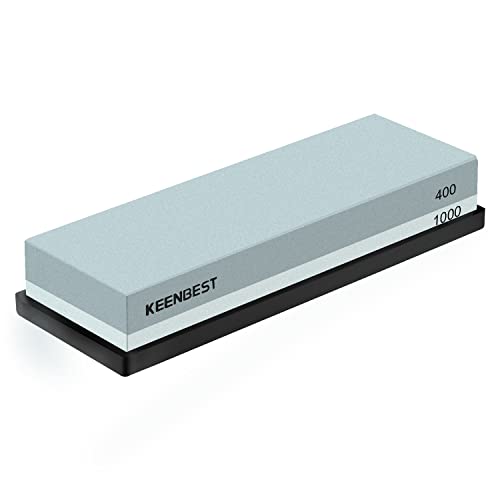
No oil needed, just put the stone into water for 10-15 minutes before using and they are ready to use. You can always adding water on it while sharpening, with water the lubricating effect of grinding will be great and helps you to save strength

【Complete Knife Sharpening Stone Kit】You don't need to be a Pro to sharpen your blades, all you need is the right tools & technique. All the sharpening tools you need are here, one affordable set for you: 400/1000 & 3000/8000 grit whetstone; Coarse flattening stone; Non-Slip Bamboo base; Knife sharpening angle guide; Leather strop, a simple instruction manual about how to use and what does every component do.

WHETSTONE KNIFE SHARPENER — NO SKILL, NO GUESSWORK Most people avoid whetstones because holding the correct angle is intimidating. The included angle guide locks your blade position automatically — making professional knife sharpening practically idiot-proof, even on your first try. No oil needed, no mess, no guesswork.
Master the Hand Lapping Technique
Now that you’ve selected your abrasive method, hand lapping offers you the precision needed to restore clipper blades to factory-fresh condition. You’ll position your blade on a flat surface with wet sandpaper, then move it in a figure-eight pattern using light, even pressure. This approach guarantees uniform contact between your blade’s cutting faces without creating gouges.
Focus exclusively on the cutting edges while progressing through grits as needed. Your lapping techniques demand consistency—avoid repeatedly hitting the same spot, which causes uneven wear. Check flatness regularly using a test plate with figure-eight motions. Lapping is a precision method that removes an even layer of metal, ensuring your blades maintain their structural integrity throughout the sharpening process. Remember to apply clipper-specific oil after sharpening to reduce friction and prevent future wear.
Hand lapping minimizes metal removal compared to grinding, directly extending blade life. Like proper grooming techniques that require avoiding irritation, this blade maintenance method delivers razor-sharp edges with flatness readings as precise as 0.00029mm, making it superior for achieving cutting efficiency while preserving your tools’ longevity.
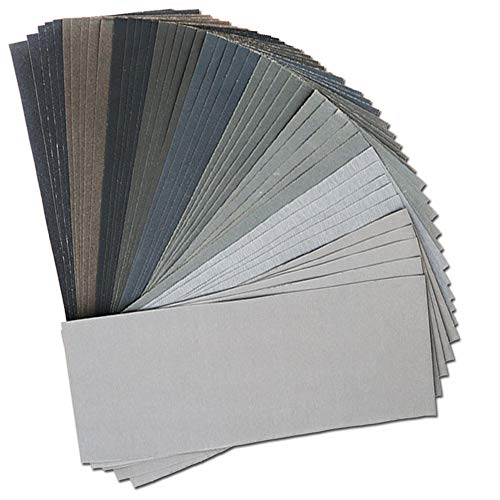
Wide Variety of Grit - Perfect selection of different grits, Including 5 sheets of each grit: 400/ 600/ 800/ 1000/ 1200/ 1500/ 2000/ 2500/ 3000, total 45 sheets.

Package include: 18 pieces high grit sandpaper assortment in grit 3000, 5000 and 7000, 6 pieces for each size
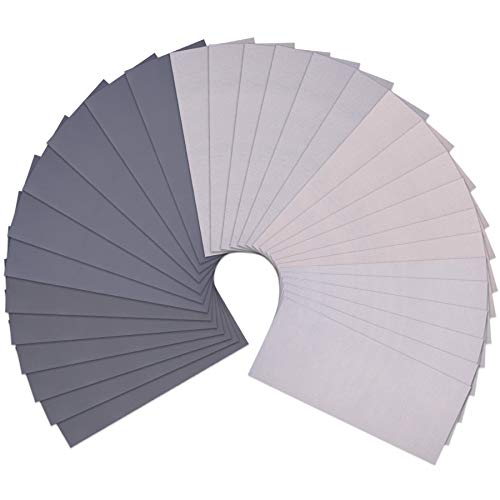
Package include: come with 30 pieces wet dry sandpaper assortment in 5 fine grit, offer 2000, 3000, 5000, 7000 and 10000 grit sandpaper for you, 6 pieces for each grit
Test Your Blades for True Sharpness
How do you know if your newly sharpened clipper blades are truly sharp? You’ll want to conduct proper blade testing to confirm your work.
Start with the string test method—feed cotton string between teeth to assess cutting capability. Progress to rabbit pelt testing, as the fine hair provides realistic conditions similar to actual grooming. Your blades should roll through smoothly without jamming. Regular blade maintenance prevents the dullness that compromises cutting performance.
For final validation, use synthetic fur testing. Drive your clippers quickly through thick costume fur, replicating groomer technique. The blade should cut cleanly across its entire width without fraying or resistance. Like electric shavers with self-sharpening blades, quality clipper maintenance ensures consistent performance over time.
Additionally, examine your rub block pattern. A straight, uniform line indicates proper sharpening and alignment. The rub block reveals the interaction of your two blades and ensures optimal functionality during testing. Curved or skewed patterns suggest misalignment requiring adjustment. These hair comparison methods confirm your blades perform reliably.
Mistakes That Destroy Hollow Grind Geometry
Even after you’ve mastered the fundamentals of blade sharpening, a single misstep can undo your work and compromise your clipper’s performance. The hollow grind is critical—you’ll destroy it by applying straight-across motions that flatten the blade instead of following the ridge. Pressing too hard during grinding transfers uneven metal removal, creating striped clipping patterns that weaken cut quality. Inconsistent disc wear compounds these problems, preventing proper hollow transfer across the entire blade. You’ll also compromise blade geometry by misplacing the comb or cutter during grinding, deforming support surfaces. Even minor cadence variations during sharpening misalign the cutting edge. Similar to how careful handling of sharp objects is essential when loading blades into shavettes, precision and attention to detail are equally critical during the grinding process. Using conventional wet stones can further damage your blades by eliminating the necessary hollow grind that prevents binding. A diamond-hard coated blade requires even more meticulous technique to maintain its cutting edge geometry during sharpening. These mistakes accumulate quickly, leaving you with blades that bind rather than cut cleanly.

Quick and easy

Secure Knife Clamp: A multi-angle clamp is included to hold the blade securely, making this Lansky knife sharpener kit simple to use. Keeping a consistent angle with this knife sharpener tool is much easier than with a traditional knife sharpening stone.

Diamond Sharpening Stone Set: Includes 3 Dia-Sharp whetstone knife sharpeners, a fine diamond knife sharpener for serrated edges, a 7-angle adjustable honing guide, and a rugged carrying case
How Often to Sharpen Clipper Blades
Determining the right sharpening schedule is essential to maintaining consistent clipping performance. You’ll typically need professional sharpening every 3-6 months, depending on your usage patterns and maintenance habits. Oster clippers generally maintain performance longer than competitive brands, lasting at least 6 months before requiring service.
Your sharpening frequency directly impacts blade lifespan. Watch for signs that you’re overdue: blades pushing rather than cutting cleanly, increased tension requirements, or noticeable drag during clipping. Don’t wait until these symptoms appear severely. Pulling or dragging sensations indicate immediate sharpening is needed to restore optimal cutting performance.
You can extend your blade lifespan considerably through proper maintenance. Regular oiling, disinfection after each use, and clipping clean coats reduces dulling greatly. Proper blade maintenance also helps prevent skin irritation that can occur when dull blades compromise cutting efficiency. When reassembling your clippers after sharpening, ensure proper blade spacing of about 1-2 credit card thicknesses between the cutter and comb blade to maintain performance. Maintaining minimal tension settings and rotating multiple blade sets allows you to sustain ideal performance while blades undergo professional reconditioning.
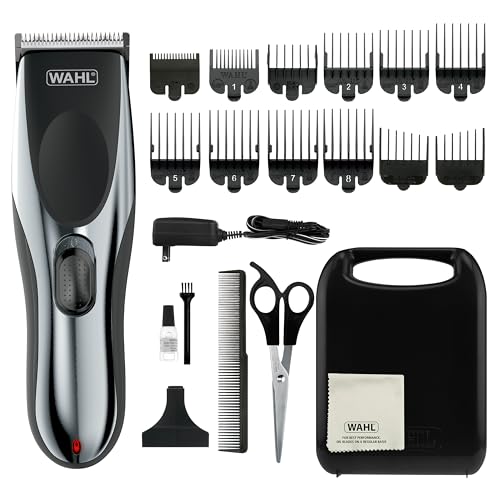
Long Run Time - These clippers feature convenient cord/cordless use options with 60 minutes of cordless run time. Long-lasting easy-to-clean stainless-steel precision blades enable no-snag cutting.
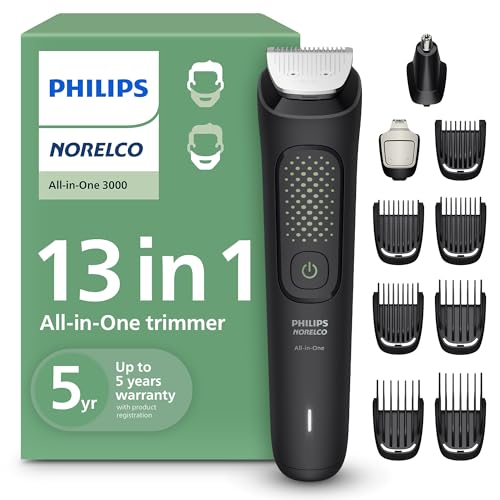
Full Metal Blades: Self-sharpening blades stay as sharp as day one and require no oiling for precise, low-maintenance grooming

Razor Sharp In An Instant - Spend more time perfecting those cuts and less time sharpening your trimmer blade. This premium blade modifier sharpens trimmer blades by up to 70% in 1 minute or less.