

Men’s razors aren’t ideal for your bikini area. Their smaller, squared heads and aggressive multi-blade design prioritize facial precision, not the curved contours you’re shaving. You’re more likely to experience irritation, ingrown hairs, and catching skin with men’s razors because they’re built for different anatomy. Women’s razors feature rounded heads, conditioning barriers, and gentler blade angles specifically designed for sensitive areas. Understanding why design matters—beyond marketing—helps you make the right choice for your grooming needs.
What Makes Women’s and Men’s Razors Different?
While razors might seem like simple tools, they’re engineered differently based on their intended use. Women’s razors feature larger, rounded heads designed for body curves, paired with curved handles angled for downward visibility during leg shaving. Men’s razors have smaller, squared heads optimized for facial contours with flatter handles built for mirror-based application and greater pressure.
Your shaving techniques influence these design choices. Men’s blades cut at aggressive angles close to skin for tight facial shaves, while women’s use less aggressive angles to minimize body skin irritation. Women’s razors include dual lubricating strips, whereas men’s feature precision trimmers for sideburns. The emphasis in razor design is on the areas being shaved rather than the user’s gender identity.
Your razor preferences matter too. Women’s razors average 66% higher pricing than comparable men’s models, partly due to additional cushioning and scent features rather than blade quality differences. Electric foil shavers offer an alternative approach with synchronized shaving elements that can provide precision for sensitive areas. For sensitive areas like armpits and bikini zones, specialized options like curved design trimmers with safety features can help prevent irritation and ingrown hairs.
Why Women’s Razors Work Better for Bikini Shaving
Women’s razors are engineered specifically for body shaving, and this design focus translates into distinct advantages for bikini area grooming. You’ll benefit from design advantages like rounded heads that navigate curved contours without catching delicate skin. The wider blade cartridges cover larger surface areas efficiently, reducing the passes needed for complete coverage.
Comfort features distinguish women’s razors greatly. Dual lubricating strips and moisture-rich conditioning barriers protect sensitive bikini skin from irritation and razor burn. The less aggressive blade angle accommodates finer bikini hair without unnecessary trauma to vulnerable tissue. Additionally, waterproof construction supports wet shaving in shower environments, minimizing friction-related discomfort. For optimal results, consider that specialized grooming tools like trimmers designed for sensitive areas can complement your shaving routine. Using men’s razors on the bikini area significantly increases the risk of ingrown hairs and bumps due to their aggressive cutting designed for coarse facial hair. Proper post-shave care using quality balms and astringents is essential for preventing razor bumps and achieving a pain-free shaving experience.
These engineering choices directly address bikini-specific needs, whereas men’s razors prioritize facial precision on flat surfaces, making them poorly suited for body grooming.
The Ingrown Hair Problem With Men’s Multi-Blade Razors
Men’s razors, designed primarily for facial shaving on flat surfaces, employ multi-blade cartridges that create a distinct problem when used on curved body areas like the bikini zone. The multi blade disadvantages stem from their “lift and cut” mechanism: the first blade tugs hair upward while subsequent blades sever it below the skin surface. This produces an extremely close shave but triggers hair regrowth issues, as cut hair becomes trapped beneath the skin, causing ingrown hairs and razor bumps. Research indicates curly hair—common in bikini areas—is 50 times more likely to become ingrown than straight hair. Additionally, dragging multiple blades across sensitive skin causes excessive irritation, a concern that has prompted some users to return to double-edged safety razors for their gentler approach. Proper preparation such as exfoliating and softening hair with warm water before shaving can help minimize irritation and ingrown hair issues. Electric shavers with foil heads offer an alternative solution for those seeking to minimize razor burn and ingrown hairs. These multi blade disadvantages make men’s razors poorly suited for bikini shaving, particularly for individuals with curly or coarse hair.

THE PERFECT SHAVE: Make skin irritations and ingrown hair a problem of the past. With the double sided razor, you will achieve the closest shave effortlessly.

THE PERFECT SHAVE: Make skin irritations and ingrown hair a problem of the past. With the black safety razor for men, you will achieve the closest shave effortlessly

CLEAN SHAVE: Traditional Wet shave is the secret of a clean shave. The close comb design provides gentle, close and smooth shave. It will eliminate the skin irritation. It's also perfect for bikini, underarm, facial and leg hair removal.
How to Shave Your Bikini Line Without Irritation
Since multi-blade razors create ingrown hairs and irritation in curved, sensitive areas, you’ll want to adopt a different approach that prioritizes preparation, technique, and proper tool selection. Start by prepping your skin—shower to soften hair, then apply fragrance-free shaving cream generously. Use a safety razor with a closed comb design, holding it at a 30-45 degree angle. These bikini shaving tips reduce friction and trauma. Pull skin taut and use short strokes following hair growth direction. For irritation prevention, rinse your blade frequently under warm water and avoid excessive pressure. Finish with cold water and apply soothing lotion or aloe. Replace dull blades immediately, as they increase friction and cause rashes. Consider using dedicated intimate grooming tools designed specifically for sensitive genital areas, which feature safety features like skin-safe blade designs to prevent cuts and irritation. Safety razors are an eco-friendly alternative to disposable razors, reducing landfill waste while offering cost-effective long-term value through inexpensive replacement blades. Keep skin stretched tight throughout the process to minimize nicks and ensure a smoother shave in this delicate area.

CLOSED-COMB SHAVING: The smooth safety bar has no open teeth and works with a slightly steeper blade angle to support a gentle shaving technique. It guides the double-edge blade around the cheeks, jawline and beard contours for clean, defined lines.

THE SMOOTHEST SHAVE for both men & women – Significantly reducing ingrown hair, skin irritations and razor burn often experienced with plastic cartridge razors, helping you finally achieve the smoothest, cleanest and closest shave.
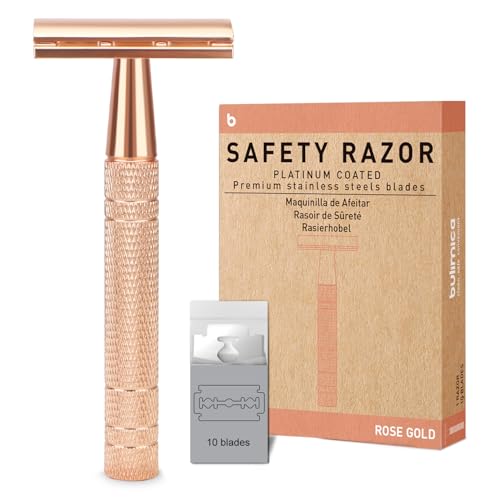
Precision Shaving for a Smooth, Close Shave: Achieve a precise, close shave with our single blade safety razor designed for men's facial shaving and women's body grooming, including legs, underarms, and other areas. The closed comb safety razor head glides smoothly along skin contours, helping reduce tugging and pulling. Enjoy a classic wet shaving experience that's perfect for both beginners and experienced shavers
Preventing Ingrown Hairs: Technique and Maintenance
Proper technique alone won’t prevent ingrown hairs if you’re neglecting the preparation and aftercare that work together to keep your skin healthy. Your prevention methods must address multiple factors simultaneously.
Exfoliate gently before shaving to remove dead skin cells that trap hair beneath the surface. Shave with the grain using short strokes to minimize irritation and reduce the hair’s curl potential. Post-shave, apply cold compresses for five to ten minutes to calm inflammation.
Implement consistent aftercare: moisturize daily with fragrance-free products and use anti-chafe treatments to reduce friction. Baby powder on dry skin absorbs moisture and plumps hair, preventing it from curling inward. Dedicate a separate razor to your bikini area to maintain blade sharpness, ensuring single-stroke cuts that won’t curl as they heal. Using a safety razor with a single sharp blade minimizes excessive irritation and produces cleaner cuts that are less likely to curl and cause ingrown hairs. For those with sensitive skin, choosing razors designed to reduce irritation can further support your prevention strategy. Electric razors are typically less irritating than manual blades due to protective features like rounded tips and safety guards that reduce the risk of cuts, nicks, and ingrown hairs.
Soothing Your Skin After Bikini Shaving
Once you’ve completed your shaving routine, your skin’s inflammatory response begins immediately, making post-shave care critical for comfort and healing. Your soothing techniques should prioritize anti-inflammatory ingredients. Apply aloe vera gel or witch hazel toner with aloe vera to cool razor burn effectively. For post shave care, consider serums containing lavender, tea tree oil, or hyaluronic acid, which combat irritation while supporting skin repair. Layer a lightweight moisturizer with colloidal oatmeal or shea butter to strengthen your skin barrier. If you experience significant redness, a thin hydrocortisone cream mixed with moisturizer applied twice daily reduces inflammation efficiently. For those seeking an alternative to traditional razors, electric shavers with self-sharpening blades offer a gentler option that cuts hair just above skin level to minimize irritation. To further protect your healing skin, use only unscented moisturizer products during recovery to avoid additional irritation from fragrances. Avoid heavy fragrances and friction-inducing activities immediately post-shave, allowing your skin adequate recovery time before resuming normal routines.
Are Safety Razors Better for Sensitive Areas?
When you’re shaving delicate bikini skin, a safety razor‘s single blade design may offer measurable advantages over multi-blade alternatives. Research demonstrates that single-blade razors cause 40% less skin impact compared to cartridge models, with infrared imaging confirming reduced redness area and severity.
For sensitive areas, safety razor benefits include lower incidence of ingrown hairs and razor bumps. The single blade stresses skin once per stroke, eliminating the multi-blade tugging that triggers trauma. Sharp blades reduce razor burn risk, while closed-comb models like the MÜHLE R89 minimize blade protrusion for gentler contact. Studies using multispectral near infrared spectroscopy show that redness decreases over time more rapidly with safety razors than cartridge alternatives. Razors with biocompatible stainless steel construction and adjustable aggression levels provide additional options for customizing your shave to your specific sensitivity needs. For the bikini area specifically, shorter-handle safety razors offer enhanced control over contoured spots that cartridge models struggle to navigate safely.
However, irritation reduction depends on technique mastery. You’ll need proper angle control to avoid cuts during the learning phase. Without correct application, even safety razors can cause burn or ingrowns on sensitive skin.

GENTLE BIKINI RAZORS: Gently remove unwanted hair along the bikini area for softer, smoother skin with About Body Bikini Shavers. Use with or without shaving cream for an effortless shave.

DON’T SETTLE FOR SHAVE BUMPS AND INGROWNS. These razors have an Anti-Irritation Barrier with blades that barely touch the skin to help protect against shaving ingrowns and bumps
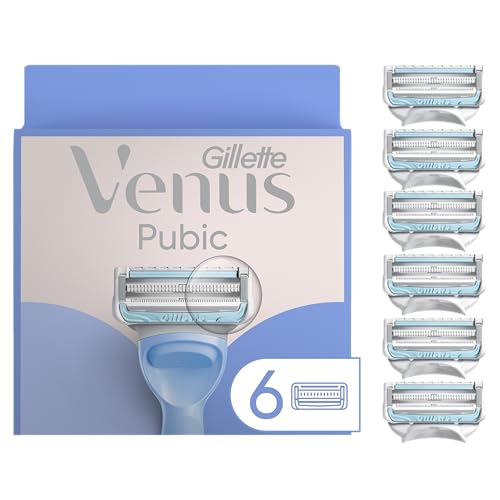
DON’T SETTLE FOR SHAVE BUMPS AND INGROWNS. These razors have a patented Irritation Defense Bar for a smooth shave with blades that barely touch the skin
When to Switch Razors: and When to Stick With What Works
Because your razor’s performance directly impacts skin health, recognizing when to replace it versus maintaining your current routine requires attention to specific warning signs. Monitor your razor longevity carefully—blades typically dull after 5-7 uses on curly pubic hair, causing increased irritation and reduced closeness without multiple passes. Persistent razor burn or redness signals replacement necessity. However, if your grooming frequency remains moderate and your current razor glides smoothly without tugging, maintain your routine. Sharp, clean blades with short strokes and rinsing every 2-3 uses work reliably. To prevent irritation, always apply moisturizer after shaving to lock in hydration and protect your skin. Post-grooming cold rinses and anti-chafing products enhance skin health. For additional skin protection and comfort, consider using wet shaving with foam or gel if your razor supports wet/dry functionality. Switch razors only when performance deteriorates; otherwise, consistency with proper technique and maintenance preserves skin integrity. Research shows that 84 percent of women prefer manual razors for bikini area grooming, suggesting that traditional razor options remain effective for most users when properly maintained.

DON’T SETTLE FOR BUMPS AND INGROWNS: These razors offer a smooth shave with blades that barely touch the skin

BEAUTY AWARD WINNING: Winner of the 2025 Allure Best of Beauty Awards

DON’T SETTLE FOR SHAVE BUMPS AND INGROWNS. These razors have an Anti-Irritation Barrier with blades that barely touch the skin to help protect against shaving ingrowns and bumps
Should You Use a Men’s Razor on Your Bikini Area?
Can you safely use a men’s razor on your bikini area? Yes, but it requires understanding razor preferences and debunking shaving myths. Men’s razors typically feature wider heads designed for larger facial surfaces, making them less precise for intimate areas. You’ll find women’s safety razors offer narrower comb designs that reach inaccessible spots more accurately. Both can work effectively with proper technique—holding the razor at 30 degrees, stretching skin taut, and using short strokes. The key difference isn’t gender marketing; it’s blade configuration and head size. A closed-comb safety razor with fresh double-edged blades works better regardless of labeling. Prioritize recessed blade design and weight distribution over product categorization. Electric razors with pivoting heads can also provide effective results for sensitive bikini area shaving. For optimal results, consider devices with adjustable combs similar to those found in body grooming systems designed for sensitive areas. Before shaving the bikini area, trim longer hair first to make the process more manageable and reduce strain on the razor blade. Your success depends on technique, preparation, and aftercare rather than whether you’ve chosen a “men’s” or “women’s” razor.

THE PERFECT SHAVE: Make skin irritations and ingrown hair a problem of the past. With the eco safety razor, you will achieve the closest shave effortlessly.

CUSTOMIZE YOUR SHAVE - Easily adjust the blade exposure by turning the knob on the bottom of the razor - Customize your shave by selecting your exposure of choice. The lower the setting, the less the blade exposure and the milder the shave. Find the setting that's just right for you

THE HANDLE: We design all of our products to be long-lasting, and this handle is no exception. The modern handle options include classic chrome, rose-gold metal, faux tortoiseshell, and black chrome.


