You can safely shave your face without thickening hair—that’s a myth stemming from blunt razor edges, not actual changes to your hair’s characteristics. Start by cleansing and softening your skin with warm water for 2-3 minutes. Apply pre-shave oil or gel, then use short downward strokes at a 45-degree angle, following hair growth direction. Rinse frequently and finish with cool water and alcohol-free moisturizer. Shaving frequency typically ranges from once to twice weekly depending on your growth rate. Understanding proper technique and common mistakes can greatly improve your results.
Facial Shaving Is Safe for Women (and Won’t Thicken Hair)
When you shave your face, you’re not altering your hair’s fundamental characteristics—you’re simply creating a blunt edge that feels coarser than the naturally tapered tip. This common misconception perpetuates shaving myths about thickened growth and increased density.
Scientific evidence conclusively demonstrates that shaving doesn’t change your hair’s diameter, growth rate, or actual color. The blunt tips merely create an optical illusion of thickness until hair fully regrows to baseline characteristics. Terminal hairs feel harder post-shaving because their naturally tapered ends are removed, but this is temporary.
Facial shaving remains safe and effective for women when performed correctly. Beyond hair removal, you’ll experience notable skin benefits: mechanical exfoliation removes dead skin cells, promoting a brighter, smoother complexion. This process stimulates collagen production and skin cell turnover, yielding firmer-appearing skin. For precise facial grooming, electric razors and trimmers offer efficiency and control compared to manual methods, with options like rotary and foil designs providing different approaches to sensitive facial skin. However, caution is advised for women due to their often fragile skin, as daily shaving may cause irritation or cuts that could lead to infections.
Choose the Right Tool: Razors vs. Trimmers vs. Dermaplaning
Which facial hair removal method you choose depends on your hair type, skin sensitivity, and desired results. Razor types offer immediate smoothness through close shaving at skin level, with options like the Tweezerman Rose Gold rated 4.9/5 for gentle peach fuzz removal. Trimmers provide pain-free, reusable precision for ongoing maintenance, reducing irritation over time and excelling at targeted facial hair removal on noticeable growth. Trimmer benefits include versatility for repeat use and reduced regrowth management compared to plucking. High-quality trimmers like the Wahl Pro Series feature diamond-hard coated blades that deliver superior cutting performance for precise facial grooming.
Dermaplaning devices simultaneously exfoliate and remove fuzz, improving skincare absorption while creating a smooth base for makeup. The Kitsch Pro Dermaplaning Tool, rated 4.5/5, exemplifies this dual-action approach. For those seeking longer-lasting results, at-home laser hair removal devices offer a more permanent solution by targeting hair at the root and slowing regrowth over time. Foil shavers designed for body hair, such as the Philips Norelco Bodygroom 7000 series, deliver close, nick-free shaves with versatile foil heads suitable for various body areas. Razors prove simpler and more affordable upfront, while dermaplaning and trimmers suit those seeking enhanced skin texture alongside hair removal.

2 in 1 Facial Hair Remover and Eyebrow Trimmer for Women: This hair removal device is effective for removing peach fuzz and fine hairs around the eyebrows, chin, and upper lip. With a single glide, it gently on the skin while effectively removing unwanted hair on both the face and eyebrow.

Gentle and Painless: Gurelax women facial hair remover fits the contours of your face to gently glide over skin to trim hair without pulling for a smooth complexion without stubble, nicks or redness. Facial hair remover’s rounded low-friction protection heads prevents skin damage.
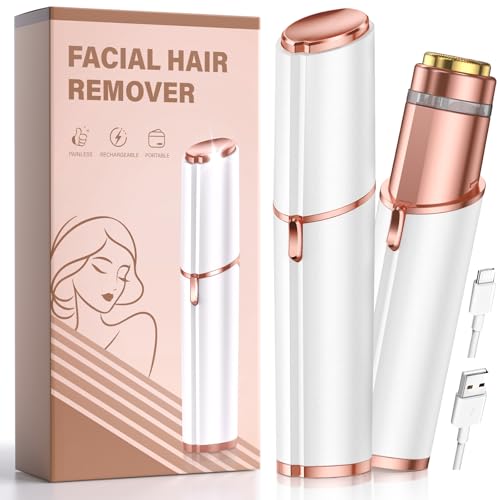
Precise & Effective Facial Hair Remover - Erase peach fuzz on lips, chin, neck, and cheeks effortlessly. Prep skin like a pro: gently rotate against hair growth direction before makeup for 3x better foundation adherence and 15-minute shorter routine.
How to Shave Your Face: A 5-Step Guide
Once you’ve selected your preferred hair removal method, proper technique becomes paramount to achieving smooth results while minimizing irritation and injury. Your pre shave preparation begins with thorough facial cleansing using a gentle cleanser, followed by complete drying. Hold skin taut with one hand to prevent nicks and guarantee ideal razor glide. Position the blade at a 45-degree angle and execute short, downward strokes following hair growth direction. Rinse the razor after each stroke, limiting passes over the same area to once or twice. Avoid sensitive zones like the nose and eyes. Complete your routine with immediate post shave care: rinse your face with cool water to close pores, then apply moisturizer or oil drops to lock in hydration, reducing razor burn and irritation. For optimal results and to prevent ingrown hairs, consider using a gentle face exfoliator during your preparation step before applying shaving gel. For those seeking a different aesthetic, spacer technology in specialized shavers can help achieve a controlled stubble look rather than a completely smooth finish.
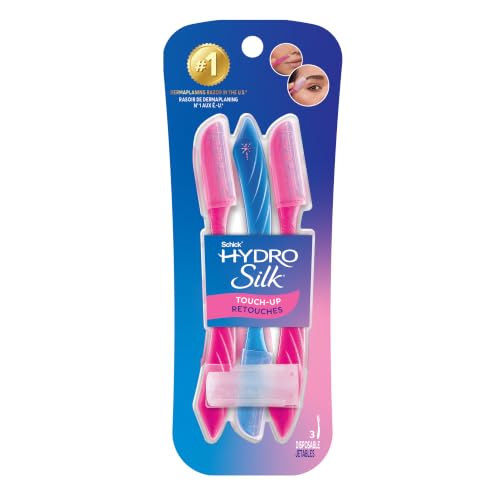
QUICK EASY TOUCH-UPS – Schick Hydro Silk Touch-Up is a versatile beauty tool that works as an eyebrow shaper, facial razor and dermaplaning tool to remove fine hairs.
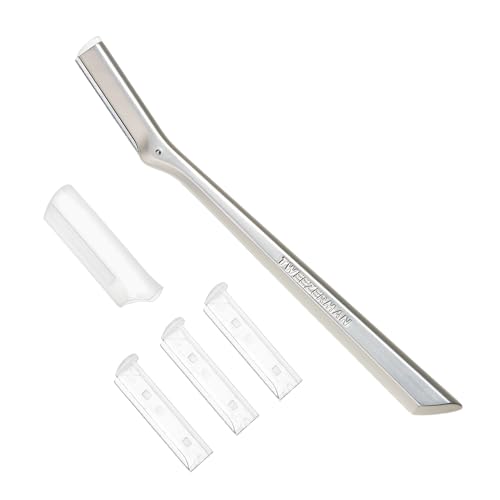
‘Allure Best of Beauty 2023 Winner’ - This facial razor provides easy removal of peach fuzz and gentle exfoliation of dull, dead skin.
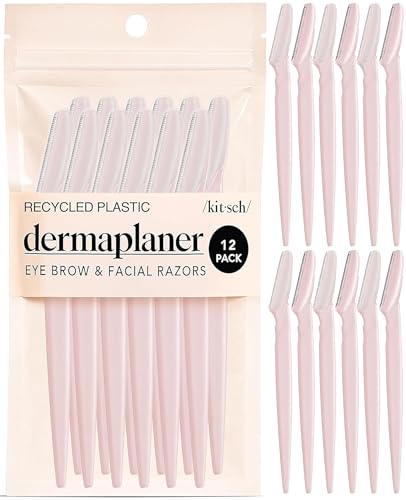
GENTLE EXFOLIATION & FACIAL HAIR REMOVAL: Achieve smoother, glowing skin with the Kitsch dermaplane razor for women face. This facial razor gently removes dead skin cells, peach fuzz, and buildup, helping improve skin texture and reveal a fresher, brighter look.
Prep, Frequency, and Aftercare: Do It Right
Because proper preparation directly impacts your shaving success and skin health, establishing a solid pre-shave routine is essential. Start by cleansing your face with a gentle cleanser, then apply warm water for 2-3 minutes to soften hair and skin. Next, apply pre-shave oil or gel to lubricate your skin and lift hairs for ideal glide. Always patch-test new shaving products on a small area first, especially if you have sensitive skin types.
Frequency depends on your individual hair growth rate and skin tolerance, ranging from daily to weekly. Most women shave 1-2 times weekly, though hormonal conditions like PCOS may necessitate more frequent sessions.
After shaving, rinse with cool water and apply alcohol-free moisturizer with aloe vera. Use anti-inflammatory products containing witch hazel to minimize redness and irritation. Regular maintenance of your shaving tools prevents bacterial and fungal growth while keeping blades sharp for optimal cutting performance. Professional barbers trust certain brands for their close-cutting capability and reliability.
5 Shaving Mistakes That Trigger Razor Burn and Ingrown Hairs
Several common shaving errors can compromise your skin’s integrity and lead to painful irritation. Using dull razors increases nicks, cuts, and razor burn risk—particularly problematic for women’s thinner, more delicate skin. Shaving against hair growth direction elevates ingrown hair development and friction-related damage. Skipping prep and lubrication removes your skin’s protective barrier; dry shaving without cleansing or cream intensifies irritation and infection risk. Applying excessive pressure during shaving generates unnecessary friction and inflammation. Additionally, overlapping strokes compound skin damage unnecessarily. Finally, shaving too frequently on fragile skin prevents adequate recovery time, perpetuating chronic irritation and ingrown hairs. For those with particularly sensitive skin, choosing a razor designed for sensitive skin can significantly reduce irritation and improve overall comfort. Safety razors minimize razor burn, bumps, and ingrown hair development compared to multi-blade cartridges, making them an excellent choice for women seeking gentler shaving solutions. Post-shave neglect—skipping moisturization—allows inflammation to worsen. Incorporating an alcohol-free moisturizer after shaving is essential for restoring your skin’s hydration and preventing prolonged irritation. Adopting proper technique with sharp razors, correct directional strokes, adequate lubrication, and minimal pressure prevents these common mistakes and protects your skin.
Facial Shaving vs. Waxing vs. Laser: Pick What Fits Your Life
You’ve got three primary hair removal options, each with distinct advantages and trade-offs that align differently with your lifestyle, pain tolerance, and skin characteristics.
Shaving delivers immediate results lasting 1-3 days, requiring minimal preparation and fitting seamlessly into your skincare routine. However, expect stubble regrowth and potential ingrown hairs. It’s important to note that hair thickness is genetically determined, so the common worry about shaving causing thicker regrowth is unfounded. For those seeking precision in facial hair removal, options like curve-sensing blade designs can provide exfoliation benefits while eliminating peach fuzz for radiant skin.
Waxing removes hair from the root, extending results to 3-4 weeks but involving moderate pain and setup time. This hair removal technique suits those tolerating temporary discomfort for longer-lasting smoothness.
Laser hair removal offers the most considerable long-term solution, greatly reducing growth after 6-8 sessions with results lasting months to years. Sessions take 5-30 minutes with low maintenance afterward, though it requires higher initial investment and works best on darker hair with fair-medium skin tones.

GENTLE EXFOLIATION & FACIAL HAIR REMOVAL: Achieve smoother, glowing skin with the dermaplane razor for women. Featuring 100% stainless steel blades, this facial razor gently removes dead skin cells, peach fuzz, and buildup, improving skin texture and revealing a fresher, brighter look. Perfect as a face razor or face shaver for women.
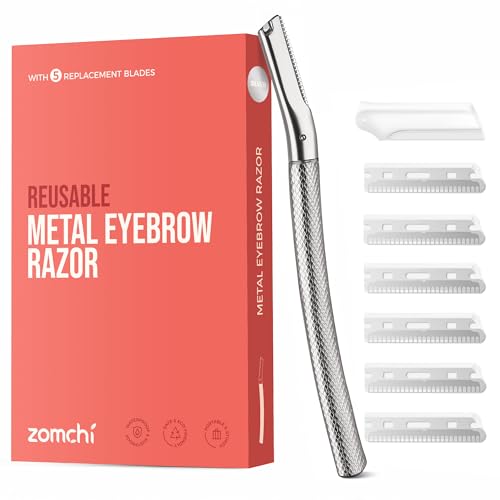
SMOOTH SHAVE WITH ZOMCHI FACIAL RAZOR: ZOMCHI's new and improved exfoliating and dermaplaning tool delivers a strong and lasting performance to shape your eyebrows, remove fine facial hairs, and smoothen your skin. Designed for both men and women, it ensures your face gets the best care with long-lasting results
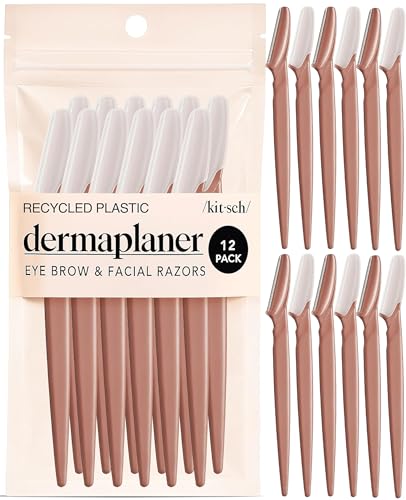
GENTLE EXFOLIATION & FACIAL HAIR REMOVAL: Achieve smoother, glowing skin with the dermaplane razor for women. Featuring 100% stainless steel blades, this facial razor gently removes dead skin cells, peach fuzz, and buildup, improving skin texture and revealing a fresher, brighter look. Perfect as a face razor or face shaver for women.
Should You Combine Shaving With Other Hair Removal Methods?
Wondering whether layering shaving with other hair removal techniques can accelerate results? Combining methods typically doesn’t enhance longevity and often increases skin irritation. Pairing shaving with waxing subjects follicles to repeated mechanical stress, risking inflammation. Dermaplaning alongside shaving causes over-exfoliation and heightened sensitivity. However, some combination methods prove beneficial when properly spaced. Shaving before laser hair removal exposes follicles for ideal targeting, with treatments spaced 4-12 weeks apart. Similarly, pre-treatment shaving preps skin for electrolysis without compromising permanent results. Electrolysis offers the only permanent facial hair removal solution when combined appropriately with pre-treatment shaving protocols. Avoid combining shaving with depilatories, as chemical residue on freshly shaved skin causes burns and increased absorption. Professional guidance recommends spacing treatments adequately to protect skin integrity while pursuing your desired hair removal outcomes. Proper blade maintenance ensures your shaving tools remain effective and safe for use across multiple hair removal sessions. Applying moisturizer afterward helps restore hydration and reduce irritation when combining multiple hair removal techniques.
When Hormones Are the Root Cause (Not Just Shaving)
While shaving addresses facial hair on the surface, coarse, dark growth that returns quickly often signals an underlying hormonal imbalance rather than normal vellus hair development. If you’re experiencing persistent facial hair, hormonal changes may be responsible. Androgens imbalance—primarily elevated testosterone from your ovaries or adrenal glands—drives terminal hair growth in male-pattern areas like your upper lip, chin, and jawline. Conditions like polycystic ovary syndrome, menopause, congenital adrenal hyperplasia, or Cushing syndrome can trigger excessive androgen production. Declining estrogen during perimenopause amplifies androgen effects on hormone-sensitive follicles. Studies show that grooming motivations often relate to hygiene concerns and routine care, yet addressing the underlying hormonal cause is essential rather than managing symptoms alone. For facial hair removal, it’s important to use specialized grooming devices designed for sensitive skin rather than standard razors to prevent irritation and ingrown hairs. Rather than relying solely on shaving, consult your healthcare provider to investigate hormonal causes. Blood tests and imaging can identify underlying conditions requiring medical intervention beyond surface hair removal.
Fix Razor Burn, Ingrown Hairs, and Sensitivity: Fast
Addressing hormonal imbalances takes time, but managing the immediate irritation from shaving doesn’t. You can rapidly resolve razor burn by applying cold compresses and aloe vera gel, which reduce inflammation within an hour. Hydrocortisone cream controls persistent redness effectively.
For ingrown hairs, exfoliate with retinoids, glycolic acid, or salicylic acid to clear follicles. Post-shave benzoyl peroxide applications decrease bump formation markedly. Apply cool damp cloths after shaving to minimize irritation.
To address sensitivity, you’ll find relief through natural oils—avocado, coconut, and jojoba—which moisturize without irritants. Tea tree oil diluted with water reduces inflammation, while witch hazel stops inflammatory responses. Shea butter and evening primrose oil ease redness via anti-inflammatory properties. Electric razors with ultra-thin foils can also minimize irritation by preventing direct blade contact with sensitive skin. For those seeking professional-grade options, foil shavers with stainless steel blades provide superior comfort and precision for sensitive skin. Maintaining razor hygiene by regularly cleaning and replacing blades every five to seven uses prevents future irritation and infection.
These interventions target your skin’s immediate needs while you address underlying causes.
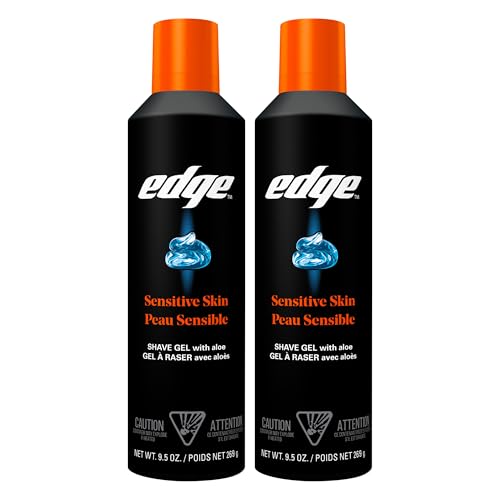
SENSITIVE SKIN PROTECTION: With Edge sensitive skin shaving cream for men, enjoy protection from nicks and cuts thanks to its effective formulation

Designed for Sensitive Skin: Vanicream is the #1 Dermatologist-Recommended Brand for Sensitive Skin*. This shaving cream creates a protective barrier between the razor and your skin to deliver a smooth, close, and comfortable shave for both men and women

PROTECT YOUR SKIN – Delivers a smooth, close and comfortable shave
When Professional Dermaplaning Beats At-Home Shaving
Because at-home shaving can’t replicate the precision and depth that professional dermaplaning delivers, you’ll notice significant differences in results. Professional benefits include sterile #10 scalpels applied with customized pressure and angles that remove thicker dead skin layers and vellus hair simultaneously. This controlled technique stimulates immediate cell turnover, revealing radiant skin within minutes.
Your skincare improvements extend beyond immediate results. Professional dermaplaning effects last 3-4 weeks compared to 1-2 days with at-home shaving, while boosting skincare absorption up to 4x longer. Trained professionals minimize infection risks and irritation through sterilized tools and expertise unavailable in home settings. The procedure stimulates collagen production, which is essential for restoring skin elasticity and firmness that naturally decreases with age. Unlike traditional at-home shaving methods that can cause razor burn and nicks, professional dermaplaning uses controlled techniques to prevent these common skin injuries.
For women over 40 addressing hormonal hair, fine lines, and dullness, professional dermaplaning complements anti-aging routines effectively. Repeated sessions reduce fine lines, wrinkles, scars, and hyperpigmentation more noticeably than generic at-home methods.
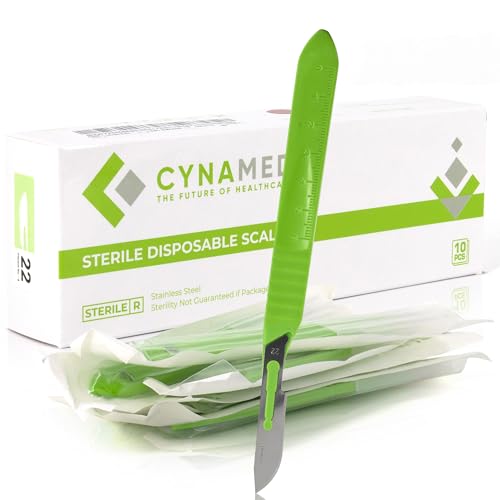
SUPERIOR STAINLESS-STEEL BLADE: Equipped with tempered Stainless-Steel blades with a plastic handle, our premium disposable scalpel knives allow for heavy duty use and a comfy grip for easy control.

Complete Dermaplaning Solution: This professional kit includes 4 essential tools: a Scalpel Handle No. 3, 100 quantity of individually sealed10R dermaplaning scalpel blades, a scalpel blade remover for safe disposal, and a hemostat for precise control. [100x 10R Blades, 1x Scalpel No. 3 Handle, 1x Scalpel Remover, 1x Hemostat Forceps]

Palm-sized: holds up to 300 blades