You’ll reduce cutting risk by starting with clean skin and trimming long hair first. Use a sharp, disinfected razor with fresh shaving cream, then follow hair growth direction with light pressure and short strokes. Pull skin taut gently to expose hairs without nicks. Shave this sensitive area last, rinse frequently, and finish with cold water and soothing balm. For thorough techniques that’ll further minimize injury, the details below cover what you need.
Prepare Your Skin and Tools the Right Way
Before you pick up a razor, you’ll want to cleanse your skin thoroughly to minimize irritation and infection risk. Start with a warm shower using antibacterial soap designed for intimate areas, which softens hair and skin. Wash your hands and sanitize all grooming tools beforehand to prevent bacterial infections.
Next, trim long pubic hair with scissors or an electric trimmer. This critical step reduces irritation and improves blade control during shaving. Using different razors for specific body areas can help prevent the spread of bacteria and cross-contamination. Consider selecting tools with flexible shaving heads designed to contour sensitive areas safely.
For pre-shave hygiene and product selection, apply a pre-shave oil or shaving cream containing hydrating ingredients like hyaluronic acid, aloe vera, or jojoba oil. Avoid alcohol-based products on sensitive skin. Use a fresh, sharp, disinfected razor blade—never a dull one. After each use, disinfect your blades with 70% isopropyl alcohol sprayed directly onto the blade until visibly wet, then air-dry before storage. Store your tools in a clean, enclosed case after disinfecting them post-use.

Ingrown hair treatment concentrate elixir oil that is all natural and time-proven to deliver smooth skin, free of unsightly and painful razor burns, razor bumps, and other irritations.

NOURIA Pre-Shave Elixir Oil contains HydroLock, meticulously formulated with concerted mix of 12 botanical and organic essence and extracts that are rich in deep-hydrating and long-lasting moisturization properties. It further fortifies your intimate skin for maximum moisture retention and prevents moisture loss. Nourishing areas normally forgotten or unnoticed. It reduces ingrown hair, razor burn, razor bump, itchiness and other irritations commonly associated with shaving.

Master Your Shaving Technique
Proper technique is your foundation for safe, effective shaving. You’ll minimize cuts by following your hair’s natural growth direction on initial passes, then adjust only when you’re comfortable with the razor’s control.
Pull skin taut before each stroke—this exposes all hairs and prevents nicks. Use short, controlled strokes with light pressure, rinsing your blade between passes to remove buildup. Your shaving products work best when you maintain continuous application for ideal glide without excessive pressure.
Hold your tool at a shallow angle for precision work. After each section, rinse immediately to assess progress and check for missed spots under good lighting. Consider using an electric trimmer for initial trimming to prevent clogging and irritation before proceeding with detailed shaving. For detailed work, a safety razor with closed-comb design provides forgiving control that reduces the risk of nicks in sensitive areas.
Pat the area dry gently without rubbing. Maintain skin hydration throughout by reapplying cream if needed before subsequent passes. Apply moisturizer afterward to soothe the skin and prevent irritation in this sensitive area.
Shave Sensitive Areas Safely
Why do sensitive areas require a fundamentally different approach to shaving? The intimate region presents unique challenges: delicate skin sensitivity and variable hair growth patterns demand specialized technique.
You’ll want to shave these areas last, after your body’s adjusted to the process. This sequencing reduces irritation risk remarkably. Trim hair first with a rounded-tip trimmer to improve visibility and control. Apply generous lather between each pass—don’t rush through multiple passes on one area.
Use light pressure, letting your razor’s weight do the work. You’re aiming for efficacy, not aggression. Avoid retracing the same spot repeatedly; this compounds skin sensitivity and increases cutting risk. Hold the safety razor at an angle of about 30 degrees to the skin for optimal results. Consider using tools with skin-safe blades and combs to prevent cuts and minimize irritation during sensitive area grooming.
Post-shave, rinse with cold water immediately, then apply soothing balm or alum block. For best results, use specialized manscaping devices designed with rounded blades and adjustable guards rather than standard facial shavers. Moisturize thoroughly. Remember: less frequent shaving preserves skin integrity long-term.

OneBlade Technology: Fast-moving cutter (100x per second) powers through hair of any length; protector and rounded tips guard sensitive skin
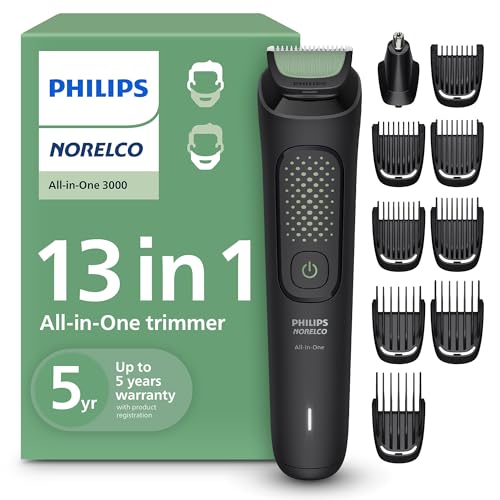
Skin-Friendly Blades: Rounded comfort-blade tips feel gentle on skin for a quick, comfortable trim when shaping beard or hair

Prevent Cuts and Common Injuries
Because intimate areas contain thin, mobile skin with minimal underlying tissue, you’re at heightened risk for cuts, abrasions, and irritation during grooming. Research from JAMA Dermatology indicates 25% of groomers sustain injuries like cuts, burns, or rashes.
Follow these injury prevention grooming tips: use only sharp, high-quality blades and replace dull ones immediately. Consider razors with skin-following pivots that enhance biocompatibility and reduce irritation on delicate areas. Employ light pressure—never force the razor. Apply short, controlled strokes following hair growth direction. Rinse your razor frequently rather than tapping it, which damages blade mountings and increases slipping risks. Tightening skin with one hand while shaving helps maintain control and prevents accidental slips across delicate areas.
Avoid shaving over broken skin or infections. Skip strenuous exercise and tight clothing post-shave, as friction irritates freshly shaved areas. Use an anti-slip mat to prevent accidents. Tools with adjustable guards and ceramic blades provide additional safety during intimate grooming. Don’t employ facial razors or cheap tools designed for less sensitive areas.

PROTECTION: The MÜHLE Safety Razor Blade guard protects the blade and prevents accidental cuts when storing your razor.

Secure and Easy Storage. Great for keeping your razor edges safe. A comfortable way of closing razor head blades on buttons keeps your blades serving you more than usual closing methods from the side. With this cover, you can keep your finger safe from the blade.

Westcott Ceramic Safety Cutter: This full-size safety cutter is designed to cut through the largest of boxes and allows you to open boxes with ease
First Aid: If You Cut Yourself
Despite your best efforts to prevent injuries, shaving accidents can still happen—and knowing how to respond immediately makes all the difference. Apply direct pressure with clean gauze for 10 to 15 minutes without checking the wound. If bleeding persists beyond 15 minutes, seek medical attention.
Once bleeding stops, clean the wound thoroughly with soap and lukewarm water for five minutes, then rinse under running water. Pat dry gently. For proper wound care, apply antibiotic ointment like Polysporin twice daily, avoiding the urethra. Using a dedicated body trimmer designed for sensitive areas can help prevent these injuries from occurring in the first place. To minimize further irritation, avoid shaving over areas with infections or pustules until the wound has fully healed. Manage pain and swelling with ice wrapped in cloth for 10 to 20 minutes, or over-the-counter pain relievers.
Consult a doctor if the wound hasn’t healed within a week, shows infection signs, or causes urinary pain. Consider using CUROXEN First Aid ointment, a fast-acting topical treatment made from all-natural ingredients that kills over 99.9% of harmful germs and promotes faster healing without synthetic drugs or petroleum products.