You can safely remove pubic hair by selecting a method that matches your skin sensitivity and lifestyle. Shaving‘s quick but requires daily maintenance. Trimming offers low-risk results without full removal. Waxing provides smooth skin for weeks, while depilatory creams work gently on sensitive areas. Laser removal delivers long-term reduction through multiple sessions. Each method carries distinct risks—irritation, infection, ingrown hairs—so proper technique, clean tools, and post-care matter greatly. Understanding the specifics of each approach helps you choose wisely.
Choose Your Method: A Skin-Type and Lifestyle Framework
When you’re deciding how to remove pubic hair, you’ll want to take into account your skin sensitivity, pain tolerance, and how long you’d like results to last. If you have sensitive skin, sugaring and depilatory creams offer gentler alternatives that minimize irritation. For those prioritizing convenience, depilatory creams work effectively for up to six days without chemical harshness. If you can tolerate discomfort, waxing removes multiple hairs simultaneously and lasts four weeks. Tweezing suits small touch-ups but proves inefficient for larger areas. Understanding your hair growth patterns matters too—sugaring removes hair in the direction of growth, reducing breakage and ingrown hairs. For permanent reduction, laser hair removal requires multiple sessions but delivers lasting results and can reduce hair growth permanently. Trimming offers a quick alternative, with one to one and a half inches being optimal for those seeking a groomed appearance without full removal. To minimize irritation when shaving, apply sensitive non-lathering shave gel before using a sharp razor with short, gentle strokes in the direction of hair growth. Match your choice to your skin type and lifestyle needs for ideal safety and effectiveness.
Shaving: Quick, Inexpensive, Daily Maintenance Required
Because shaving offers immediate results at minimal cost, it’s the most accessible pubic hair removal method—though it demands frequent maintenance. You’ll need to shave every few days to maintain smoothness, and 69.3% of groomers choose non-electric razors despite higher irritation risks.
Effective shaving techniques minimize injury and side effects. Use a fresh razor each time to prevent bacterial contamination. Shave on clean, wet skin with lubricant, always moving in the direction of hair growth. Proper preparation such as exfoliating and softening facial hair with warm water is essential for minimizing irritation and achieving better results. Follow these grooming tips: apply salicylic acid products afterward to prevent ingrown hairs and bumps, then moisturize. Razor use can create skin microtears that increase infection vulnerability, so those who shave frequently should be particularly vigilant about proper technique. While genital itching affects over 80% of shavers, proper technique reduces this considerably. For enhanced safety and comfort, consider using razors with ceramic or foil blades designed specifically for sensitive skin. However, frequent shavers face elevated injury risks and should consider alternative methods if grooming regularly.
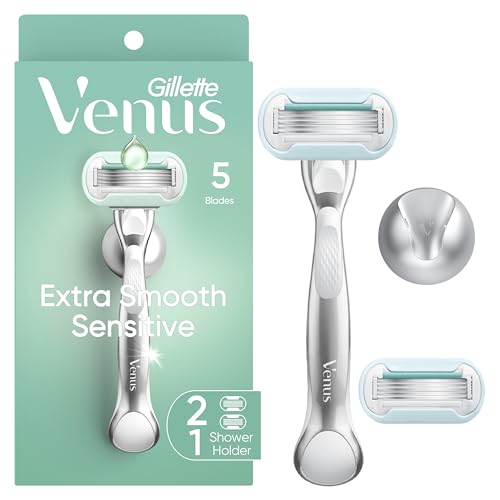
SMOOTH WITHOUT IRRITATION: The Venus Extra Smooth Sensitive Women’s Razor is specifically designed for sensitive skin and delivers a long-lasting shave

5 SHARP CURVE-SENSING BLADES – Disposable razors for women that follow all your curves (even your knee) for a smooth shave every time.

Shaving’s never been easier—Women’s razors with a built-in moisturizing bar let you lather and shave in one easy step, without the need for shave gel.
Trimming: Low-Risk Hair Reduction Without Full Removal
If you’re seeking a gentler alternative to shaving or waxing, trimming offers the lowest-risk approach to pubic hair management. This method shortens hair without cutting close to skin, making it ideal for sensitive skin prone to irritation, ingrown hairs, and infections.
You’ll need dedicated pubic hair trimmers with closely spaced blades and blade guards. Start with the longest guard setting if you’re trimming for the first time. Shower beforehand to soften hair, then thoroughly dry the area. Use short, controlled strokes in the direction of hair growth, pulling skin taut in loose areas for safety and precision. To achieve smooth transitions and avoid harsh lines, consider blending and tapering techniques along sensitive areas. Top-rated options like the Manscaped Lawn Mower 5.0 Ultra and Panasonic Body Groomer GK80 feature safety mechanisms for sensitive skin and adjustable settings for customizable results.
After trimming, rinse with cold water and apply unscented moisturizer containing aloe or vitamin E. Maintenance frequency depends on your personal preferences and desired length. Proper grooming can foster confidence and comfort in your personal choices regarding your appearance and body.
Waxing: Smooth Skin for Up to Four Weeks
For those prioritizing extended hair-free periods over frequent maintenance, waxing removes the entire hair follicle and delays regrowth for up to four weeks. You’ll experience smoother skin compared to trimming or shaving, reducing grooming frequency considerably. For sensitive genital areas, specialized tools like the Philips Norelco Bodygroom can complement your grooming routine by offering an alternative for maintenance between waxing sessions. Electric shavers designed for sensitive skin provide another maintenance option between depilation treatments.
However, waxing carries notable risks you should understand. Microtears from waxing techniques create entry points for sexually transmitted infections, including gonorrhea, chlamydia, herpes, and HPV. You may experience genital itching—the most common side effect at 26.9%—alongside folliculitis, rashes, and allergic reactions. Research from a private health clinic in Nice found that 93% of patients with STI-related Molluscum contagiosum had removed pubic hair prior to infection, demonstrating how skin aberrations increase infection risk.
Post wax care is critical. Cease grooming immediately if skin irritation develops, preventing infection spread. While women using waxing show decreased odds of high-frequency injuries, more research remains necessary before declaring waxing the safest depilation method. Assess your dermal tolerance carefully before proceeding.

WE'RE FAMOUS! Award-Winning Brand featured on CBS News, ABC, NBC, and Cosmopolitan, and viral on your favorite social media platforms.

WAXING KIT FOR WOMEN: Experience smooth, hair-free skin with our premium waxing kit. Effortlessly remove unwanted hair with Veet wax strips and achieve salon-like results at home.

PUBIC HAIR WAX STRIPS : The Flamingo pubic waxing kit is designed for an easy at-home hair removal experience. These no-heat pubic wax strips are formulated for even the finest of hairs, and come with instructions to make the process less intimidating
Depilatory Creams: Painless Chemical Removal for Sensitive Skin
While waxing offers extended hair-free periods, it carries infection risks through microtrauma that many find unacceptable. Depilatory creams present a gentler alternative using chemical ingredients like thioglycolic acid that dissolve hair without skin trauma.
These formulas work by breaking down keratin protein, weakening hair into a jelly-like consistency that you rinse away. Application tips guarantee ideal results: conduct a patch test first, apply a thick even layer to dry skin, and wait 5–10 minutes before rinsing with lukewarm water. Potential side effects include temporary itching and irritation, particularly for first-time users who may experience a sudden change in skin texture.
Products formulated for sensitive skin, such as Nair Sensitive Formula, effectively remove pubic hair without nicks or razor bumps. Regular maintenance prevents fungal and bacterial growth that can occur with improper hair removal techniques. For those seeking longer-lasting results, laser hair removal performed by professionals offers semi-permanent reduction, though depilatory creams remain a convenient at-home option. Hair regrows softer with tapered tips over 5–7 days. You’ll experience reduced irritation compared to shaving, though reapplication every 5–15 days maintains smoothness.
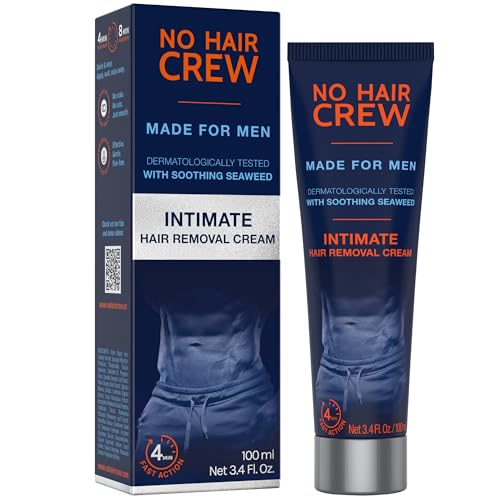
EFFECTIVE & SAFE FOR DIFFERENT BODY TYPES: Thin hair will need less time then coarse and thick hair. Experiment to find the right manscaping time for each body part! Recommended for men, but can be used by women.

1.76 oz Nair Prep & Smooth Face Hair Remover Sensitive Formula with soothing coconut milk and collagen, this dermatologist-tested facial hair removal cream helps prep skin for makeup

Gently and quickly remove unwanted hair
Electrolysis: Permanent Hair Destruction One Follicle at a Time
When you’re ready to move beyond temporary hair removal methods, electrolysis offers the only FDA-recognized permanent solution. A trained electrologist inserts a hair-thin needle into each follicle and applies electrical current to destroy hair growth cells at the base.
Three electrolysis modalities exist: galvanic electrolysis uses direct current to create a chemical reaction, thermolysis applies heat through high-frequency current, and the blend method combines both approaches for enhanced effectiveness on coarse hair.
Treatment effectiveness depends primarily on your electrologist’s skill rather than method selection. You’ll typically need six months to one year for complete treatment, with approximately 25% of hair possibly regrowing. Most recommended treatment plans lead to completion within 18 months to allow for adequate spacing between sessions. Regular maintenance between sessions, similar to how consistent equipment maintenance preserves tool effectiveness, helps ensure optimal results throughout your electrolysis course. Permanent hair removal through electrolysis can also contribute to improved hygiene by eliminating the ongoing need for temporary removal methods. The procedure causes minimal discomfort—you may experience slight tingling—with rare side effects and immediate return to normal activities.

Electrolysis Hair Removal Device for Beauty Salon: The electrolysis hair removal machine Comfortable hair removal in multiple parts, intelligent energy adjustment, efficient hair removal for both men and women. Suitable for hair removal in different scenarios.

Professional Hair Removal Device: The hair removal machine Comfortable hair removal in multiple parts, intelligent energy adjustment, efficient hair removal for both man groomer and women. Suitable for hair removal in different scenarios.
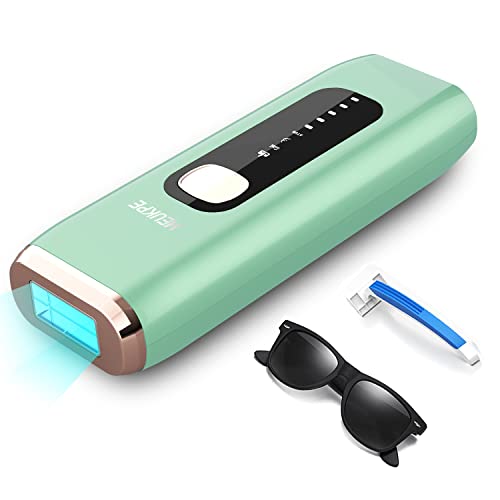
【Permanent IPL Hair Removal】: This is a professional grade IPL hair removal device that is easy to operate and use. Adopting advanced 3.0 IPL high-energy laser technology (600-1200nm red light wavelength), breaking the hair growth cycle, achieving permanent hair reduction, and achieving salon level effects; Say goodbye to hair removal wax - enjoy long-lasting smooth skin.
Laser Removal: Advanced Technology for Long-Term Hair Reduction
Laser removal represents an advancement in hair reduction technology that delivers more substantial long-term results than electrolysis, though it doesn’t offer the same permanence guarantee. You’ll typically need 4-6 treatment sessions spaced 4-6 weeks apart for ideal bikini area results, with most people requiring an average of 5.31 treatments for 75-100% clearance.
Modern laser technology uses wavelengths like the long-pulsed 755 nm with epidermal cooling, targeting darker hair most effectively. You can expect 10-25% reduction after one treatment, escalating to 70-90% with thorough programs. The procedure is well-tolerated, with minimal discomfort and transient side effects like erythema and perifollicular edema that resolve within days. Long-term adverse events remain minimal across body areas, making this approach particularly safe for sensitive regions. Results delay regrowth for months to years, though hormonal factors like PCOS may affect longevity. If you’re managing a subscription-based grooming service, you can cancel your plan anytime through your account settings to avoid unwanted charges. For those seeking alternative grooming methods between laser treatments, electric razors designed for sensitive areas can provide temporary hair removal without irritation.

【Effective IPL Hair Removal】They zap away unwanted hairs at their roots, which significantly slows down regrowth for smoother skin. With 5J/cm² high energy and a 600nm wavelength, the device delivers light deeper into the hair follicles, effectively damaging them to reduce hair growth over time. This offers longer-lasting results compared to shaving or waxing.

❄️ PAINLESS & EFFECTIVE: Advanced IPL tech glides smoothly with cooling contact, safe, effective & nearly painless hair removal sessions.

Effective IPL Hair Removal: Delivering 5J/cm² energy at 600nm wavelength deep into hair follicles to effectively disrupt growth. Enjoy smooth, hair-free skin with far longer-lasting results than shaving or waxing
Compare Methods: Which Is Cheapest, Fastest, and Most Lasting
How do you choose between pubic hair removal methods when they differ so dramatically in cost, convenience, and longevity? Shaving and trimming dominate due to affordability and speed—82% of women use razors within four weeks. You’ll spend minimal money and complete grooming quickly, though results last only days.
Waxing offers longer-lasting results, typically three to six weeks, but costs notably more and ranks as the most irritating method. Professional electrolysis and laser treatments represent premium alternative methods, used by only 2% of men in the past 30 days, yet provide semi-permanent hair reduction. For men seeking safer trimming options, devices featuring SkinFirst Technology and ceramic blades are specifically designed to prevent nicks and irritation in sensitive areas. Research indicates that genital side effects occur more frequently in women due to their higher grooming frequency across all removal methods. Using specialized manscaping devices with skin-friendly designs can help reduce irritation and prevent common complications like ingrown hairs and razor burn during at-home grooming.
Cost comparisons clearly favor basic methods: shaving remains cheapest. When weighing longevity against expense, you’ll find shaving ideal for budget-conscious maintenance, while advanced alternatives suit those prioritizing durability over cost.
Common Irritation and Infection: Prevention and When to Seek Help
Because pubic hair removal creates microtrauma to the skin, you’re at increased risk for several infections and irritations ranging from minor folliculitis to serious viral spread. Ingrown hairs, cysts, and bacterial folliculitis commonly develop post-removal, while molluscum contagiosum spreads through compromised skin barriers—93% of infected patients had removed pubic hair.
To minimize grooming risks, use clean tools and moisturize afterward. Recognize infection symptoms: persistent redness, pustules, or unusual lesions warrant professional evaluation. Understand that pubic hair provides bacterial barriers; removal doesn’t improve hygiene despite common misconceptions.
Seek dermatological advice if irritation persists beyond three days or if you develop spreading lesions. Extreme grooming frequency (weekly full removal) greatly increases recurrent UTI risk, suggesting natural hair offers protective microbial functions. Research from a French skincare clinic documented that scratching during hair removal may facilitate virus transmission and worsen infection outcomes.
Red Flags: When to Stop DIY and See a Professional
When should you abandon at-home pubic hair removal and consult a professional? Stop DIY treatments immediately if you experience persistent burns, blistering, or infection—these indicate serious burn risks that require medical evaluation. Discontinue use if you develop hyperpigmentation, texture changes, or uneven discoloration that doesn’t resolve within weeks. Seek professional help if you have darker skin tones, as home devices weren’t designed for your complexion and carry elevated burn risks. If you notice ingrown hairs, scarring, or skin sensitivity that worsens with each session, professionals can reassess your skin type and recommend safer alternatives. Licensed estheticians undergo training in skin biology and wax chemistry that enables them to adjust techniques based on individual skin reactions and prevent cumulative damage. Using fresh sharp blades and proper tools designed with features like flexible pivoting heads and anti-irritation barriers can reduce at-home complications, but professional guidance remains essential when irritation persists. Don’t delay consulting a dermatologist if symptoms progress beyond minor irritation. Professionals tailor treatments to your specific skin sensitivity and hair characteristics, preventing cumulative damage from improper at-home techniques.