When you trim an inch off the top, you’re removing roughly 1,000 strands per linear inch—approximately 1% of your total hair count. Your actual strand loss depends on hair color; blondes have around 150,000 strands while redheads average 90,000. Don’t worry though—regular trims won’t thin your hair permanently since they only remove dead ends without affecting growth cycles. Understanding how your hair density influences safe trim lengths reveals why some people can handle more aggressive cuts than others.
What One Inch Off Actually Costs You: The Hair Count
When you tell your barber to take an inch off the top, you’re not just removing length—you’re cutting through thousands of hair strands. Your scalp’s hair count depends on density; at 1,000 hairs per square inch, you’re removing approximately 1,000 strands per linear inch across your entire head. Since your average scalp spans roughly 120 square inches, that single inch trim impacts a significant portion of your total hair volume.
Understanding this trim impact matters for hair health and styling goals. You’re eliminating older, potentially damaged hair while promoting healthier growth. The hair count you’re removing represents roughly one percent of your total 100,000 strands, but concentrated removal at the top creates noticeable visual change. Regular trims maintain density and prevent split ends from traveling upward. Keeping your clippers or scissors clean through regular blade maintenance ensures sharp, precise cuts that minimize hair damage. For those seeking precise trims at home, cordless clippers with quality attachments offer convenient options for consistent maintenance between professional visits. This consistent maintenance is particularly important after age 40, when hair density typically decreases, making it essential to preserve the hair you have through proper grooming practices.

Cordless Convenience – Color Pro Cordless is rechargeable and wireless. Cord/Cordless allows you to use the clipper on battery or when it's charging.

BARBER-QUALITY CUTS, NO PULLING OR SNAGGING: Powered by a heavy-duty lithium-ion battery, this professional-grade electric hair trimmer glides smoothly through fine, thick, or coarse hair. It delivers consistent cutting power without the pulling, snagging, or uneven results of basic disposable trimmers so you can confidently execute buzz cuts, fades, and full haircuts at home.
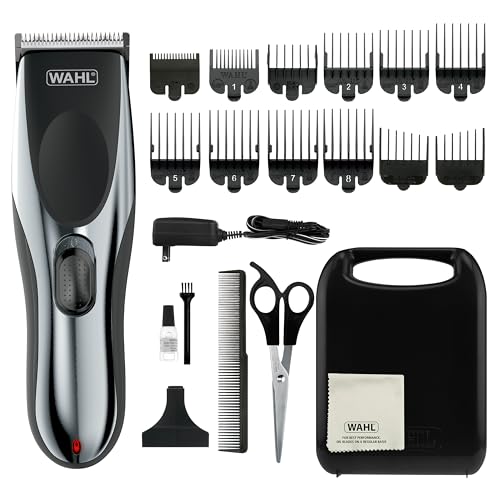
Long Run Time - These clippers feature convenient cord/cordless use options with 60 minutes of cordless run time. Long-lasting easy-to-clean stainless-steel precision blades enable no-snag cutting.
How Your Hair Color, Age, and Ethnicity Change the Number
Because hair follicle counts vary greatly across biological factors, that one-inch trim doesn’t impact everyone equally. Your hair color directly influences strand density—blonde hair averages 150,000 strands while red hair averages just 90,000, meaning redheads lose fewer hairs per inch despite thicker individual strands.
Age effects matter greatly. You’ll experience gradual thinning as you advance in years, with unevenly emerging sparse spots. However, your total follicle count remains relatively constant at approximately 100,000 throughout life. Hair grows about 6 inches per year, which means understanding your growth rate helps determine how often trims truly impact your overall hair length. For those with textured hair prone to sensitivity, proper grooming tools like electric head shavers designed for irritation-free performance can help maintain scalp health during frequent trims. Consider using sensitive skin grooming tools specifically designed to minimize irritation during maintenance routines.
Ethnicity shapes your baseline density too. If you’re Caucasian, you’ll likely have the highest average density among races. Asian descent typically shows lower density, while Afro-Caribbean hair falls between these ranges. These variations mean your one-inch trim removes a different absolute hair count than someone with different genetic background.
Why One-Inch Trims Don’t Cause Permanent Thinning
Though you might worry that regular trims gradually thin your hair, the reality hinges on understanding your hair’s natural growth cycle and how trimming actually works. Your follicles cycle asynchronously through growth phases, meaning hairs reach different lengths independently. When you trim one inch, you’re removing only dead ends—not affecting living follicles beneath your scalp.
This dispels common trimming myths. Your hair regrows from follicles regardless of where you cut the ends. What you perceive as thinning actually results from untrimmed wear and damage traveling up each shaft. Regular blunt cuts maintain density appearance by keeping ends aligned with root thickness. Since trims spare your follicles entirely, density remains unchanged. You’re simply preserving your hair’s health and structure through preventive maintenance. Just as electric razors require selecting the right tool for your specific needs, choosing the proper trimming technique for your hair type ensures optimal results. Similar to how dermaplaners and trimmers are recommended for facial hair removal based on effectiveness and ease of use, the right hair trimming tools can significantly impact your grooming outcomes. For those with extremely thick hair, thinning shears can be selectively used during trims to provide additional control over volume without affecting the overall density from regular one-inch cuts.
How Often Can You Safely Trim an Inch?
Now that you understand trims won’t thin your hair, you’ll want to establish a sustainable trimming schedule that keeps your ends healthy without sacrificing length. You can safely trim an inch every eight to twelve weeks if your ends remain healthy. This aligns with your hair growth rate of approximately half an inch monthly. However, adjust your trimming frequency based on your hair’s condition. If you experience breakage or damage, reduce the interval to every four to six weeks with smaller trims instead. Regular trims remove split ends that can travel up the hair shaft and cause further damage to your overall hair strength. Just as regular maintenance extends the life of hair clippers by reducing friction and wear, consistent trims prevent cumulative damage to your strands. Using quality tools like purpose-built clipper oils ensures your styling instruments remain in optimal condition for clean, healthy cuts. For best results, consult your stylist about your specific hair type and lifestyle. They’ll recommend whether full-inch trims work for you or if micro-trims better serve your goals while maintaining strand integrity.

Rust Prevention – Prevents rust from forming & helps extend the life of the clipper & blades; can also reduce the likelihood of blades becoming dull

Rust Prevention – Prevents rust from forming & helps extend the life of the clipper & blades; can also reduce the likelihood of blades becoming dull

Clipper Cool Spray Can: Top-of-the-line product for blade maintenance to help you achieve professional results when you clip, trim, and groom your dogs, cats, horses, livestock, and more
Understanding Hair Density: Why It Matters for Trimming
When you’re planning an inch-off-top trim, your hair density—the number of strands per square inch of scalp—becomes a critical factor in determining how much length you can safely remove without compromising volume. You can assess your density using the ponytail circumference test or scalp visibility method. Low-density hair requires conservative trims to prevent a sparse appearance, while high-density hair tolerates aggressive cutting without revealing scalp. For accurate density measurement, consider professional methods like trichoscopy if you’re unsure. Understanding your density guides styling tips tailored to your hair type. Most people shed about 100 strands daily, which is a normal part of the hair growth cycle. To maintain healthy hair and scalp condition, apply moisturizer afterward to prevent irritation and dryness following your trim. After trimming, use a hydrating after-shave serum to keep your scalp hydrated and promote skin health. Communicate your density level with your stylist before trimming, enabling them to adjust length reduction and cutting technique accordingly for ideal results.

MOISTURE BARRIER SUPPORT: Use Dove Density Boost Scalp + Hair Therapy 3-in-1 Scalp Serum to help alleviate dry scalp by supporting your scalp's protective moisture barrier with lightweight hydration

Spray Oil Conditioner: This coconut hair oil moisture boost provides instant hydration, soothing to scalp while deeply penetrating hair strands to help restore dry, damaged hair; a leave in conditioner hair and scalp oil that leaves hair smooth and silky

VISIBLE FULLNESS: Enhances hair density for hair that looks up to 4x fuller compared to unwashed hair; this conditioner visibly thickens fine strands and helps protect them from breakage during your routine.
When Should You Actually Worry About Trim Hair Loss?
Because you’ll naturally shed hair during and after a trim, distinguishing between normal hair loss and a sign of underlying problems requires careful observation of specific patterns. Monitor your scalp health closely during the weeks following your haircut. Normal hair shedding involves fifty to one hundred strands daily across your entire head. Excessive hair shedding concentrated at the scalp or along the hairline suggests potential issues like follicle damage from improper cutting techniques or underlying scalp conditions. You should worry when you notice bald patches emerging, persistent itching, redness, or flaking at the cut site. These indicators signal problems beyond routine hair shedding. Professional barbers who use precision tools like the straight razor can minimize scalp trauma and reduce excessive shedding compared to dull or improperly maintained cutting instruments. It’s important to note that hair color and thickness are controlled by hormones and genetics rather than cutting practices, since trimming only affects the hair shaft at the surface without altering the follicle beneath. Genetics and DHT sensitivity can also influence how your hair responds to physical stress from cutting. Consult a dermatologist if abnormal shedding continues beyond two weeks post-trim or worsens over time.