No, shaving won’t make your arm hair grow back darker—that’s a myth. When you shave, you’re creating a blunt edge on each hair shaft. Your regrowth appears darker because it lacks the sun-bleached characteristics of longer hair and reflects light differently. The newly emerged hair also hasn’t tapered naturally yet, intensifying its appearance. Hormones and genetics control your hair’s actual color and thickness, not blade contact. Understanding what’s really happening beneath the surface reveals even more about how your hair actually responds to shaving.
Why Shaved Hair Feels Coarser: The Blunt-Tip Illusion
When you run your hand over freshly shaved skin, the stubble feels noticeably coarser than your unshaven hair—but this sensation doesn’t reflect any actual change in your hair’s structure. Your razor creates a blunt edge by slicing the hair shaft at the skin surface, exposing the uniform diameter of the midshaft rather than the naturally tapered tip. This blunt edge produces a stubbly sensation that intensifies because shorter regrowth feels stiffer than longer hair.
Your sensory perception interprets this blunt tip as coarser texture. As your hair lengthens over days, the taper reforms and the stubble-like feel dissipates. Electric shavers can reduce this blunt-edge effect by cutting hair above the skin surface, minimizing the coarseness sensation during regrowth. Proper maintenance of electric shavers through regular disinfection and oiling ensures they continue to perform effectively. Scientific research confirms your hair width remains unchanged—the coarseness you detect is purely tactile illusion created by the blunt edge’s interaction with your skin and fingertips. The actual thickness and growth characteristics of your hair are determined by genetics and hormones, not by shaving frequency.
What Science Actually Says About Shaving and Hair Growth
Despite widespread belief that shaving stimulates thicker or faster hair growth, decades of clinical research consistently demonstrates that your razor has no effect on how your hair grows. The Journal of Investigative Dermatology and Mayo Clinic confirm that shaving doesn’t alter hair color, thickness, or growth rate. These shaving myths persist because of hair biology misunderstandings. Your hair follicle, which determines all hair characteristics, remains completely unaffected when you cut the shaft at skin level. Hormones and genetics—not razors—control hair production. The illusion of thicker regrowth stems from blunt edges and newly emerged hair lacking sun bleaching, not biological changes. Just as proper positioning and technique matter when using lawn care tools to achieve even results, understanding correct hair biology eliminates unfounded concerns about shaving’s impact on your arm hair growth. Switching to tools designed for precision, such as safety razors, can improve your shaving experience while maintaining healthy skin regardless of regrowth appearance. Clinical studies dating back to 1928 have consistently reaffirmed that no measurable difference occurs in hair regrowth regardless of shaving frequency.
The Stubble Phase: Why Regrowth Looks and Feels Different
Now that you understand shaving doesn’t change your hair’s actual properties, you’re probably wondering why your freshly shaved arm hair looks and feels noticeably different during regrowth.
The stubble appearance results from the blunt edge created by your razor. This straight cut reflects light differently than naturally tapered hair, making your regrowth look darker and feel coarser to the touch. The sensation of stiffness isn’t from structural changes—it’s because blunt-ended hair feels stiffer than tapered hair. To minimize irritation during this regrowth phase, using proper shaving technique and adequate lubrication can help reduce discomfort associated with the stubble stage. For beginners, electric razors with wet/dry operation provide flexibility in how you approach the shaving process during this sensitive phase.
Your regrowth timeline depends on your body hair’s natural growth rate, which is slower than scalp hair growth. For body hair, the anagen phase lasts only a few months compared to years for scalp hair, meaning your arm hair cycle moves at its own pace. As your hair extends beyond the initial shaved length, the natural taper gradually becomes visible again. This temporary visual and tactile difference resolves within days as your hair lengthens, revealing its actual texture and color.

【 Wet and Dry Shaver 】Our men's shaver offers the flexibility to be used dry or wet with foam or gel, and even in the shower. Whether you prefer dry comfort or wet convenience, our electric razor ensures easy cleaning between uses

SkinProtect Technology: Achieve a clean, gentle shave with 5D pivot contour and AntiCorrosion Shaving System

4-DIRECTION FLOATING ULTRA-ADVANCED SHAVING HEAD: The 3D rotary shaver head follows every contour of your face to remain in close contact with the skin for a fast shave that's also gentle on the skin
Does Shaving Change Hair Thickness or Color?
One of the most persistent myths about shaving is that it darkens or thickens your hair—a belief so widespread that you’ve likely heard it from friends or family members. However, clinical research definitively disproves this claim. Multiple studies, including foundational research from 1928 and contemporary work in the *Journal of Investigative Dermatology*, confirm that shaving doesn’t alter hair color, growth rate, or thickness. Your hair follicles remain unchanged below the skin’s surface, where genetics and hormones control these characteristics. What you’re actually experiencing is a visual illusion: freshly cut hair appears darker because it hasn’t yet been exposed to sun and styling products that lighten older strands. The blunt edge creates a coarser appearance, but this sensation is temporary and resolves as your hair grows. To achieve the smoothest results, proper technique is essential, including using sharp, clean razors with short, gentle strokes to minimize irritation, particularly when you have sensitive skin. The hair shaft is non-living tissue, so the act of cutting it sends no biological signals to your follicles to change their growth patterns.
When Does Stubble Stop Feeling Like Sandpaper?
If you’ve recently shaved, you’ve likely noticed that your skin feels prickly within just a few hours—a sensation caused by the angled cut ends of your hair creating sharp, coarse tips. This stubble texture peaks during the initial regrowth timeline, typically within the first few hours post-shave.
The sandpaper-like sensation diminishes as your hair lengthens. After approximately one week of growth, your stubble softens considerably as the blunt tips round out naturally. However, your regrowth timeline and stubble texture depend on several factors: hair density, follicle thickness, and your hair growth cycle phase. Maintaining skin hydration during this period can significantly improve how quickly the rough sensation subsides.
Sparser hair softens faster than dense growth. To accelerate the changeover, apply hydrating oils or quality moisturizers immediately after shaving. Regular exfoliation combined with consistent moisturizing further reduces prickliness and promotes healthier regrowth.

FINAL STEP FOR 72-HOUR HYDRATION: Our Body Cream soothes, moisturizes & smoothes dry skin, making it a great addition to your collection of body skin care products or personal care products

UNPARALLELED COMFORT AFTERSHAVE FOR MEN. Soothing Aloe Vera and Vitamin E in our post shave lotion calms skin irritation and redness. Ideal for sensitive skin. Loved for its cooling feel, perfect for everyday men's skincare.

Why Shaving Irritates Skin (And How to Prevent It)
When you drag a blade across your skin, you’re not just cutting hair—you’re creating microscopic trauma that compromises your skin barrier‘s integrity. Repeated friction damages your stratum corneum, weakening protection against bacteria and moisture loss. Dull blades worsen this damage, requiring increased pressure that escalates irritation.
Your shaving technique greatly impacts skin sensitivity. Shaving against the grain or too closely disrupts lipids and proteins essential for barrier function, while your skin pH rises, favoring infections. Dry shaving intensifies friction without lubrication protection. This cumulative damage from repeated shaving can develop into chronic irritant dermatitis if proper prevention measures are not implemented.
Prevent irritation by using sharp razors and applying lubricating gels. Shave with the grain using light strokes without force. Post-shave, moisturize with fragrance-free products to restore barrier function and reduce inflammation. Maintaining your razor in good condition, such as rinsing the shaver head under tap water after each use, helps preserve blade sharpness and hygiene.
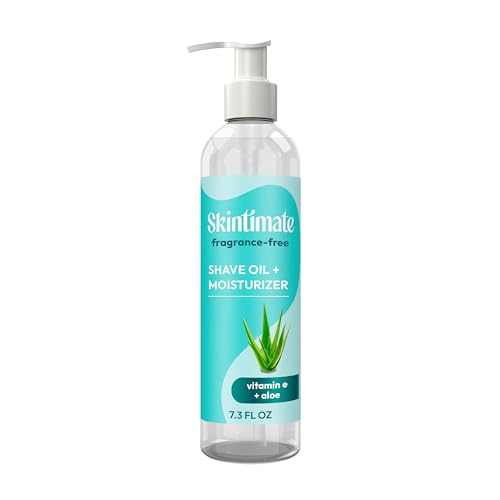
AWARD WINNING 2-in-1 SHAVE OIL – Skintimate shaving oil for women protects + softens skin. Can be used as shave prep & as a post-shave moisturizer for 24-hour moisturization.
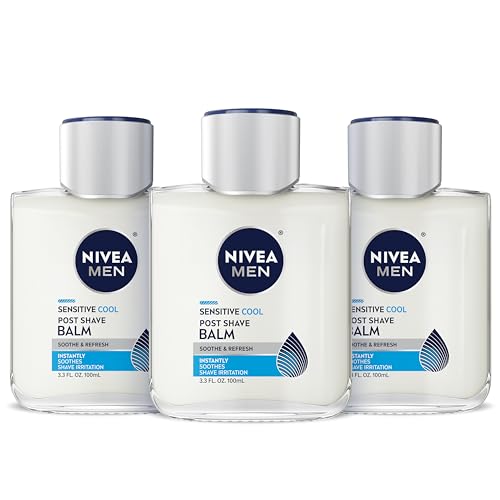
COOLING AFTER SHAVE BALM: Enriched with Seaweed extract and Chamomile extract, this soothing after shave for men feels instantly cool and comfortable on the skin

Moisturizes: use this soothing moisturizer daily to help reduce ITCH (due to dry skin). can be used after shaving, as well as between shaves
Hair Removal Alternatives to Shaving
Because shaving causes microscopic skin trauma and requires frequent reapplication, several alternatives offer varying degrees of permanence, cost-effectiveness, and safety profiles. Laser hair removal provides the most cost-effective long-term solution at €686 for three zones over three years, destroying hair follicles with precision and minimal discomfort. Waxing offers extended hair-free periods but induces skin dryness and erythema, costing 36.5% more than laser treatment. Sugaring benefits include gentler application yet requires monthly procedures at 2.6 times laser’s cost. Electrolysis efficiency reaches 80-90% permanent reduction through the galvanic method, though it’s tedious for large areas and risks scarring. Photo dynamic therapy achieves 75% hair reduction across multiple sessions, targeting hirsutism effectively without broader area suitability. For those seeking portable solutions, electric razors for women offer convenient alternatives that combine effectiveness with travel-friendly features. Unlike temporary depilation methods, epilation techniques such as threading and plucking remove the entire hair shaft along with the follicle, offering results that last between 2 to 12 weeks depending on individual hair growth cycles.

Effective IPL Hair Removal: Delivering 5J/cm² energy at 600nm wavelength deep into hair follicles to effectively disrupt growth. Enjoy smooth, hair-free skin with far longer-lasting results than shaving or waxing

【Effective IPL Hair Removal】They zap away unwanted hairs at their roots, which significantly slows down regrowth for smoother skin. With 5J/cm² high energy and a 600nm wavelength, the device delivers light deeper into the hair follicles, effectively damaging them to reduce hair growth over time. This offers longer-lasting results compared to shaving or waxing.

✅ 【High-Efficiency IPL Hair Removal】This laser hair removal device features high energy output and a 3-square-centimeter treatment window, doubling efficiency for more noticeable results that appear faster. In just four weeks, hair removal effectiveness can reach 97%.
Choosing the Right Hair Removal Method for You
Your ideal hair removal method depends on balancing efficacy, cost, skin sensitivity, and desired permanence. If you want quick arm hair removal with slower regrowth lasting four weeks, waxing benefits include proven effectiveness and affordability. However, you’ll experience temporary discomfort during application.
For gentler treatment, sugaring differences lie in its natural composition and skin-sparing adhesion. You’ll enjoy results lasting three to six weeks with minimal irritation, though costs typically exceed waxing. Many people also report increased confidence after choosing hair removal methods that align with their personal preferences. For those seeking precision grooming on sensitive areas, specialized trimmers with SkinSafe blades offer a safe alternative for detailed hair removal.
Seeking permanence? Electrolysis destroys follicles permanently across all hair and skin types, though it requires multiple sessions. The FDA recognizes electrolysis technology as the only method truly capable of permanent hair removal for everyone. Laser hair removal offers long-lasting reduction in fewer sessions but works less effectively on light hair.
Handheld IPL devices provide affordable home options at $80–$280, delivering gradual thinning with consistent use. Consider your pain tolerance, budget, and permanence expectations when selecting your method.
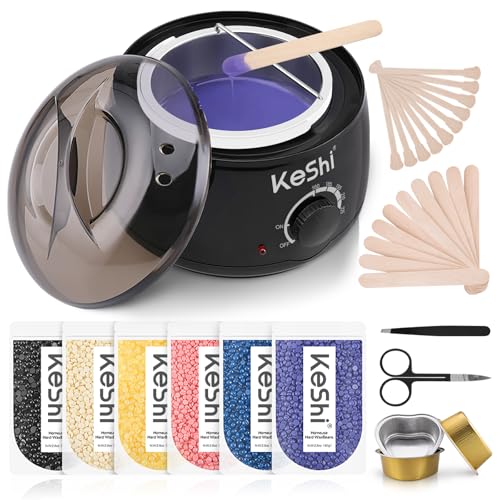
COMPLETE 500ML WAXING KIT: Everything you need for at-home waxing in one box: 1 × 500ml electric wax warmer with aluminum pot, 6 × 80g hard wax bead bags (480g total), 20 applicator sticks, 3 small waxing bowls for small areas waxing, tweezers, scissors and a step-by-step guide. No separate wax warmer or wax strips needed to get started.

36 MEDIUM + LARGE STRIPS: Perfect for waxing legs, arms, or pits
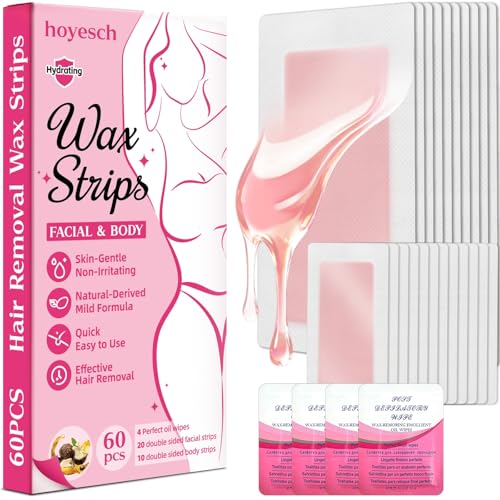
Natural extracts includes orchid, cherry blossom, shea butter. This combination delivers effective hair removal with premium wax strips while providing calming and restorative benefits. Paired with low-temperature hair removal technology, it significantly reduces pulling discomfort during the use of waxing strips, minimizes skin irritation, and further alleviates sensitivity for sensitive skin.For best results, cleanse the area thoroughly and apply a warm towel to open pores before waxing; after removal, soothe redness with ice or aloe vera gel.