
You don’t have to shave your pubic hair—it’s entirely your choice. However, close shaving carries health risks including skin tears, increased STI vulnerability, and persistent irritation. Trimming to 3mm offers a better balance, maintaining a neat appearance while preserving your body’s natural protective functions. Pubic hair reduces friction, traps harmful debris, and regulates moisture levels. The method you choose matters considerably for your comfort and skin health, so understanding your options can help you make the best decision for your body.
Grooming Is a Personal Choice: Not an Obligation
Whether you groom your pubic hair is entirely your decision. Research shows that 90% of Americans base their grooming choices on personal preference rather than partner expectations. You’re not obligated to follow grooming expectations or succumb to societal pressures about how your body should look.
The data reveals an even split: 52% prefer neat or smooth appearance while 48% prefer natural pubic hair. This indicates there’s no universal standard you must meet. About 9% of adults never groom, and that’s completely valid. Open discussions about grooming preferences with partners can foster healthy relationships and reduce unnecessary pressures about personal body autonomy.
If you do choose to groom, best practices include using sharp razors and shaving with proper technique to minimize irritation and razor burns. For those seeking alternatives to shaving, methods like hair removal creams offer convenient at-home options for smooth results without the blade. Your grooming choices should reflect what makes you comfortable, not external demands. Whether you shave, trim, wax, or leave your pubic hair alone, you’re making the right choice for yourself. Prioritize your own preferences over perceived obligations.
How Your Body Hair Actually Protects Your Skin
While you’re considering whether to remove your pubic hair, it’s worth understanding the protective functions it naturally serves. Your pubic hair provides dual defense mechanisms your skin relies on.
First, friction reduction occurs as hair-to-hair contact replaces skin-to-skin contact during sexual activity, minimizing irritation on delicate genital tissue. This natural buffering prevents chafing and abrasion that removal exposes you to.
Second, pathogen defense activates through multiple layers. Hair traps debris and harmful microorganisms before they reach your skin. Your hair follicles produce sebum, an oil that inhibits bacterial reproduction. Additionally, pubic hair helps regulate moisture levels in the genital area, creating an environment less conducive to bacterial overgrowth. This barrier considerably reduces your risk of infections including UTIs, STIs, and yeast infections. Hair removal can also increase vulnerability to ingrown hairs, which occur when removed hair grows back into the skin and becomes infected. Using an electric trimmer instead of razors is the safest approach if you do choose to remove hair, as it minimizes the risk of cuts and irritation on sensitive areas.
Removing this protective layer compromises these biological safeguards, leaving sensitive areas vulnerable to injury and infection.
Why Shaving Close Causes More Problems Than It Solves
Shaving your pubic hair close to the skin creates a cascade of problems that far outweigh any aesthetic benefits. Close shaving produces tiny skin tears that invite bacterial and viral entry, increasing your STI risk nearly twofold. You’re exposing delicate scrotal tissue to nicks and cuts vulnerable to infection. The dose-response relationship is clear: men removing all pubic hair 11+ times face a 1.97 adjusted odds ratio for grooming injuries, with frequent shavers experiencing 2.98 odds ratios for high-frequency complications. Repeated close shaving causes persistent skin irritation, razor burn, ingrown hairs, and folliculitis. Rather than solving aesthetic concerns, close shaving triggers a cycle of maintenance demands, physical discomfort, and genuine health risks that justify reconsidering your grooming frequency and extent. Research from UC San Francisco found that extreme groomers experience significantly higher rates of STIs compared to those who groom less frequently. For those who do shave, using specialized tools designed with dual blade technologies to prevent nicks and irritation can help reduce some grooming-related injuries. Moderate grooming approaches, such as trimming rather than shaving completely, can help you maintain improved hygiene without exposing yourself to the same level of injury risk and infection complications.

Safe and Efficient Trimming: PRITECH razors for men uses ceramic blades with built-in protection. On the surface where the blade contacts the skin, we have implemented a chamfered design, ensuring that it never cuts, pulls, or irritates the skin, and guarantees efficient hair trimming. This body trimmer for men equipped with 3 adjustable comb attachments and 5 lengths (1.5mm, 3mm, 6mm, 9mm, 12mm), it meets your diverse trimming requirements

SPECIALIZED MENS RAZORS FOR SHAVING FOR BODY GROOMING: GilletteLabs Body + Intimate Razor is purpose-built for full-body men's grooming with a shorter* handle (by 10mm) for body contours.*vs GilletteLabs Face Razor

SpotGlide Blade Technology: Unlike others in the industry, MANSPOT's SpotGlide Blade Technology features a wider 40mm ceramic blade designed to cover more area in fewer passes, reducing friction and irritation in sensitive areas including the groin. Rounded tip guards and a hypoallergenic steel and ceramic blade combination help minimize nicks and discomfort for a clean, comfortable result, no razor burn, no regrets.
The 3mm Sweet Spot: Groomed Without Sacrificing Health
After examining the risks of close shaving, you’ll find that trimming your pubic hair to 3mm offers an ideal balance between grooming aesthetics and physiological health. This length delivers substantial grooming benefits without compromising your body’s natural defenses. At 3mm, you retain protective hair that prevents friction irritation while maintaining a neat appearance that enhances aesthetic appeal. The hygiene importance of this moderate trim becomes evident: you’ll experience reduced sweat accumulation, improved ventilation, and decreased bacterial growth compared to longer hair or complete removal. Comfort reasons favor 3mm as well—you’ll avoid itching, chafing, and ingrown hairs associated with closer shaving. For optimal results, consider using electric razors for armpits and sensitive areas, which provide precision trimming without irritation. Like the maintenance trims every 3-4 weeks recommended for other grooming styles, regular upkeep at 3mm ensures consistent appearance and hygiene benefits. This sweet spot also supports health protection by preserving your skin’s barrier function and enabling easier inspection for irregularities. Regular grooming at this length can serve as therapeutic self-care, promoting both mental well-being and positive body image alongside the physical benefits. The irritation reduction and intimacy enhancement you’ll gain make 3mm the practical grooming standard.

OneBlade Technology: Fast-moving cutter works 12,000x/min on longer hair; Dual Protection with glide coating and rounded tips supports comfortable grooming

OneBlade Technology: Fast-moving cutter (100x per second) powers through hair of any length; protector and rounded tips guard sensitive skin

【Multifunctional Body Grooming Kit】This all in one multi groomer is designed for below-the-waist grooming but work great on your not so private parts too! It can quickly and comfortably shave on the nose, body and below-the-waist areas without any residue. A black matte appearance, advanced and textured body trimmer is good for our lover, boyfriend, father.
Comparing Hair Removal Methods: Cost, Speed, and Pain
Once you’ve settled on maintaining 3mm length, you’ll need to choose the method that best fits your lifestyle, budget, and pain tolerance. Shaving pros include speed and affordability, though you’ll repeat every 2-3 days. Waxing cons involve upfront costs and moderate pain, but results last 3-4 weeks. Cream efficiency offers painless application within minutes, yet lasts only 3-7 days. Laser cost accumulates across 4-6 sessions, delivering semi-permanent results. Threading precision targets small areas in 10-20 minutes professionally. Electrolysis duration spans 10-20 minutes per session with similar precision. For electric razor shaving, using specialized manscaping devices with skin-friendly designs and adjustable guards helps prevent irritation on sensitive areas. Consider frequency needs: daily maintenance favors shaving, while longer intervals justify waxing or laser investment despite higher initial expenses. Male waxing may result in finer and lighter hair regrowth over time with consistent treatment, reducing the need for frequent maintenance compared to other temporary methods. Trimmers with protective features like rounded blades and skin guards offer a safer alternative for maintenance grooming with minimal risk of nicks or ingrown hairs.

𝗕𝘂𝗶𝗹𝘁 𝗳𝗼𝗿 𝗠𝗲𝗻’𝘀 𝗕𝗼𝗱𝘆 & 𝗚𝗿𝗼𝗶𝗻 𝗚𝗿𝗼𝗼𝗺𝗶𝗻𝗴 - Designed as a body trimmer for men, this 2-in-1 grooming kit helps trim body hair, groin hair, pubic hair, chest, underarms, beard, nose and ear hair with one compact tool. A practical choice for everyday manscaping and full-body grooming

3-in-1 Grooming Solution: One versatile electric shaver combines shaving, nose trimming, and sideburn grooming, eliminating the need for multiple grooming tools and making daily care and travel more convenient. Tip: For longer beards, trim first, then shave stubble for a smoother, more comfortable experience.

4-DIRECTION FLOATING ULTRA-ADVANCED SHAVING HEAD: The 3D rotary shaver head follows every contour of your face to remain in close contact with the skin for a fast shave that's also gentle on the skin
Hair Removal Maintenance: How Often for Each Method?
The frequency you’ll need to maintain your chosen method depends entirely on which technique you’ve selected and how quickly your hair regrows. Shaving frequency ranges from several times weekly for clean-shaven aesthetics to every few days for stubble prevention, depending on your personal preferences. For those using safety razors, selecting the right blade type—such as Feather blades for the closest shave—can impact how often touch-ups are needed. Trimming schedules typically occur every two to four weeks using an electric trimmer, though many experts recommend starting with longer settings on trimmers for safety and to minimize irritation. Waxing intervals span 4-6 weeks consistently, with results improving 57% over initial sessions through regular maintenance. Laser sessions require six to eight initial treatments spaced 4-6 weeks apart, followed by maintenance sessions every 6-12 months. Since lasers target pigment in hair follicles, they can provide more sustained results compared to surface-level removal methods. Areas with hormonal growth patterns demand more frequent touch-ups. Select maintenance methods aligned with your lifestyle, hair density, and desired appearance to optimize results.
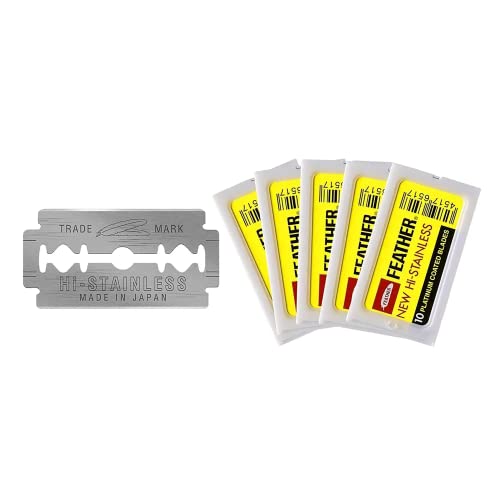
Fifty Count Of Double Edge Razor Blades; Our Razors For Men Feature A Fifty Count Of Double Edge Razor Blades; Feather Razor Blades Are Extremely Sharp And Will Give You A Great Shaving Experience


Model Number: ASTRA01
Dermatologist Tips for Safe Hair Removal
Regardless of which hair removal method you’ve selected, proper technique and aftercare markedly reduce your risk of complications like ingrown hairs, irritation, and infection. Dermatologists emphasize consistent exfoliation techniques using glycolic pads to prevent ingrown hairs, which commonly occur with shaving and waxing. Immediately after hair removal, you should apply moisturizer to restore your skin barrier and minimize irritation.
For laser treatments, consult a board-certified dermatologist to confirm your candidacy based on hair type and skin tone. If you’re considering waxing, verify estheticians use wooden sticks rather than metal spatulas. Before using depilatory creams, conduct a patch test to identify adverse reactions. Avoid waxing or aggressive shaving if you’re using antibiotics or tretinoin, as these medications thin skin and increase tearing risk. Electric razors with floating foil technology provide close contact with skin while minimizing irritation for sensitive areas. For those with particularly sensitive skin, consider safety razors like the Rockwell 6S which offer adjustable aggression and precision to reduce irritation. Wearing loose clothing after hair removal also helps prevent irritation and allows your skin to recover properly.
How to Choose the Right Method for You
Since each hair removal method carries distinct benefits and drawbacks, your choice depends on your pain tolerance, skin sensitivity, budget, and desired longevity. If you prioritize speed and minimal irritation, trimming techniques offer the fastest, safest option for neat grooming without ingrown hairs. For closer results with moderate commitment, shaving suits you if you’ll tolerate occasional nicks and follow proper skin preparation with petroleum jelly.
Consider wax alternatives like professional waxing if you want extended hair-free periods and don’t mind temporary redness. Those with sensitive skin should avoid depilatory creams due to chemical irritation risks. A dedicated pubic hair trimmer with ceramic blades provides superior durability and smoother cuts compared to general-purpose grooming tools. For optimal results, look for trimmers with integrated or pop-out trimmer designs that allow for precise grooming in sensitive areas. To maintain optimal trimmer performance, apply specialized clipper oil regularly to reduce friction and extend blade life. For permanent reduction, laser electrolysis requires professional administration but delivers long-lasting results, though effectiveness varies by hair color and texture. Consult a dermatologist before choosing, especially if you have keloid history or skin conditions.

2-IN-1 FACE AND BODY GROOMING: This bikini trimmer for women includes a body hair trimmer and face shaver. Use the body head for bikini line, pubic hair, legs and underarms, and the facial head for peach fuzz and quick touch-ups.

Complete with All Essential Accessories: This women's grooming kit comes with a full suite of professional accessories - including 3 specialized trimmer heads (hair, foil, facial), 2 adjustable hair guards, a cleaning brush and USB charging cable. Everything you need for precise head-to-toe hair removal is conveniently included in one box.

Safe and Efficient Trimming: PRITECH razors for women/men uses ceramic blades with built-in protection. On the surface where the blade contacts the skin, we have implemented a chamfered design, ensuring that it never cuts, pulls, or irritates the skin, and guarantees efficient hair trimming. This body trimmer for women equipped with 3 adjustable comb attachments and 5 lengths (1.5mm, 3mm, 6mm, 9mm, 12mm), it meets your diverse trimming requirements
Your First Steps Forward
Taking action begins with understanding that you’re joining roughly half of all men who maintain regular pubic grooming—a decision driven primarily by personal preference rather than external pressure.
Start by selecting grooming techniques that align with your comfort level and body type. Most men begin with trimming rather than complete removal, which reduces irritation risks while maintaining personal hygiene. About 81% of men perform DIY grooming, so you’ll likely manage this independently.
Establish a sustainable routine. Weekly grooming works well for most men, though frequency depends on your hair growth rate and preferred appearance. Begin with basic tools—electric trimmers or clippers—before exploring advanced techniques. Top retailers like Amazon and Target offer quality options ranging from budget-friendly models around $50 to premium choices with multiple attachments for precise cutting. Consider skin-friendly tools like electric trimmers that minimize razor burn, bumps, and irritation compared to traditional razors. This measured approach lets you develop confidence while minimizing potential skin complications. Research shows that trimmed pubic styles are preferred by 41% of women, making this a popular choice among men seeking a balanced grooming approach.