You’ll restore your electric razor’s performance by removing hair debris, then applying toothpaste to the blades while running the shaver against your palm for even pressure. For deeper restoration, use diamond paste on glass with twenty round-trip passes per blade side, starting with coarser grits before progressing to finer grades. Rinse thoroughly with hot water and apply manufacturer-recommended oil afterward. When sharpening no longer improves performance, replacement becomes necessary—though understanding the full spectrum of maintenance techniques can greatly extend your blade’s lifespan.
How to Sharpen Electric Razor Blades (Quick Fixes That Work)
You can restore your electric razor’s cutting performance without professional servicing by using several proven methods. The toothpaste method works effectively for both foil and rotary shavers. For foil models, disassemble the razor, apply polishing compound toothpaste, rub blades in circular motions, then rinse thoroughly. For rotary shavers, mix toothpaste with baking soda and water, run the shaver through the paste for 30-60 seconds, and rinse completely.
Glass honing offers another quick fix. Slide your cutter across a glass surface in figure-eight motions 50-100 times while keeping it lubricated. The cordless palm rubbing technique also delivers results: press your running razor against toothpaste in your palm, rotating to distribute paste evenly. Regular maintenance performed every few months ensures your shaver continues to perform optimally and prevents the buildup of hair and debris. For best results, apply lubricant oil to your blade after cleaning to extend its lifespan. Light, low-viscosity mineral oils like sewing machine oil work best for maintaining smooth blade operation.
These blade longevity tips and shaver hygiene practices remove microscopic oxidation rather than addressing actual dulling, restoring blades to near-new performance.
Should You Sharpen or Replace Your Razor Head?
When should you invest in a replacement head versus attempting to restore your current blades? You’ll want to monitor your replacement frequency based on performance decline rather than strictly adhering to Braun’s 18-month guideline. Sharpening temporarily improves dullness but doesn’t address underlying wear issues, particularly screen degradation. If you’re resharpening every two months, you’re extending blade life cost-effectively. However, once you notice performance decline persists after sharpening, replacement becomes necessary. Rotary shavers respond better to polishing than foil models, but both eventually require new heads. Consider sharpening your existing blades first—it’s inexpensive and effective short-term. The rough surfaces on sharpening heads act like sharpening stones to restore blade edges. You can recognize signs of dullness such as increased tugging or irritation to determine when sharpening is no longer effective. Reserve replacement for when sharpening no longer delivers noticeable improvements after multiple uses.

Suitable for S3 Shaves: The S3 32B electric razor replacement head is designed to perfectly fit all Series 3 shave razors head, including models 3000s, 310s, 3040s, 3050cc, 3010s, 3070cc, 3080s, 3090s, 350cc-4, 370cc-4, 380s-4, 3090cc, 320, 330, 340, 360, 380.

The authentic genuine Philips OneBlade blades

The authentic Philips Norelco OneBlade blades
The Toothpaste Method: Weekly Maintenance in 60 Seconds
Since toothpaste functions as a mild abrasive agent, it’ll effectively remove oxidation buildup from your blade’s microscopic edges without requiring specialized sharpening equipment. You’ll need only household items: toothpaste, water, and optionally baby oil.
Start by removing hair debris with a small brush, then disassemble your razor head. Rinse the blades with hot water and inspect for damage. Apply regular toothpaste generously to the blade area and screens, covering all gaps thoroughly. Turn on your shaver and maintain gentle pressure against your palm for approximately two minutes. When sharpening, ensure you maintain even pressure to avoid creating uneven wear marks on the blade surface. For best results, combine this maintenance approach with proper skin preparation to ensure your razor performs optimally during use.
Rinse completely with warm water, dry the components, then apply lubricating oil before reassembling. The toothpaste benefits extend your razor longevity through consistent weekly maintenance, preventing oxidation accumulation and maintaining efficient cutting performance effectively. Regular maintenance helps ensure that your electric shaver continues to operate at peak efficiency for years to come.
DIY Sharpening With Diamond Paste and Glass
For superior results beyond basic maintenance, diamond paste offers a professional-grade sharpening method that’ll restore your electric razor to like-new performance. You’ll apply minimal paste to a glass surface, which prevents spreading while containing the abrasive compound. Your sharpening technique involves twenty round-trip passes on each blade side, maintaining consistent blade-to-strop contact throughout. Start with coarser grits (6 microns) for dull edges, progressing sequentially to finer grades for refinement. Observable metal residue confirms effective material removal. For oil-soluble diamond paste, dilute with vegetable oil to achieve proper viscosity and prevent accumulation in blade crevices. Reapply fresh paste during extended sessions to maintain cutting effectiveness. Diamonds serve as the hardest material for sharpening electric razor blades effectively. However, be aware that electric razors typically feature hollow-ground blades that require special attention to maintain their cutting geometry. This methodical approach delivers superior edge refinement compared to stropping alone. After sharpening, apply manufacturer-recommended specialized clipper oils to protect your blades from rust and maintain optimal performance.

Designed for a close, comfortable Barber Grade quality shave

Easy application and fast drying formulation.

Easy application and fast drying formulation.
Sandpaper and Polishing Paste: Advanced Restoration Techniques
While diamond paste provides professional-grade results, sandpaper and polishing paste offer you a more accessible advanced restoration approach that’ll revive dull blades through systematic material removal and refinement. Start with 1000 grit wet/dry sandpaper on a flat glass surface, moving your cutter in circular motions for 20 seconds with minimal pressure. This removes microscopic metal debris and oxidation. Next, shift to polishing paste—either commercial rubbing compound or toothpaste mixed with baking soda and water. Work your shaver head across the paste-covered glass for 30 seconds to one minute, ensuring all blade holes receive coverage. Repeat until the head warms slightly, then rinse thoroughly with hot soapy water. For optimal results, consider using electric head shavers with ergonomic designs that make the restoration process more manageable during maintenance routines. After completing this restoration process, apply clipper oil to the blades to prevent oxidation and maintain optimal performance. Regular maintenance with this two-stage sandpaper grit and polishing paste method can extend the lifespan of your electric shaver blades while restoring blade sharpness systematically.
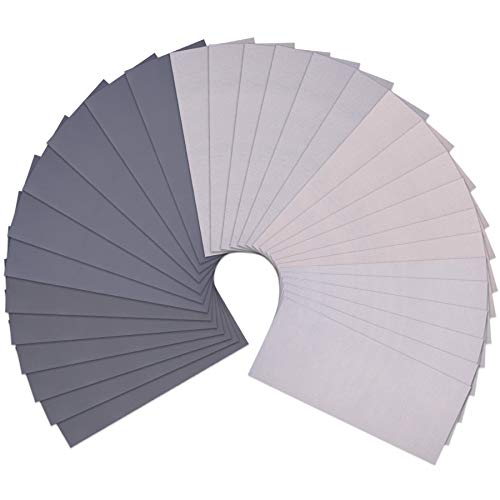
Package include: come with 30 pieces wet dry sandpaper assortment in 5 fine grit, offer 2000, 3000, 5000, 7000 and 10000 grit sandpaper for you, 6 pieces for each grit

【MEETS ALL YOUR NEEDS】Atosun high grit sand paper set contains 45pcs wet dry sand paper assortment in grit 120, 150, 180, 240, 320, 400, 600, 800, 1000, 1200, 1500, 2000, 2500, 3000, 5000, 3 sheets of each grit. Variety of sandpaper grit can meet most of your daily usage.

Variety Pack Box of 25 Dura-Gold Premium 5-1/2" Wide x 9" Long Wet or Dry Sandpaper Sheets. Pack includes 5 sheets each of 5 different sanding grits: 800, 1000, 1500, 2000, and 3000 Grit. These high-performance, durable wet or dry sanding sheets are flexible when used wet and will not fall apart, tear, or crumble while in use.