
You’ll master beard trimming by preparing your workspace and washing your beard thoroughly. Select the appropriate guard length—#0–#1 for stubble, #2–#3 for short beards, #4–#5 for medium styles, and #6+ for fuller lengths. Align your cutting angles by referencing facial landmarks like your mouth corners and ear position. Maintain your trimmer by cleaning blades after each use and applying clipper oil weekly. Establish a consistent schedule: weekly for fast growth, biweekly for shorter beards, monthly for longer styles. The details of perfecting these techniques await your exploration.
Prepare Your Beard and Workspace
Before you trim your beard, you’ll need to prepare both your facial hair and your workspace to guarantee ideal results. Start with beard washing using beard shampoo two to three times weekly, then dry completely to ascertain natural positioning. Apply a beard softener or conditioner post-wash to soften hairs and add essential nutrients.
For workspace organization, position yourself near a sink for convenient rinsing access. Gather your essential tools: beard comb, brush, oil, balm, and trimmer guards. Apply a hot towel to open pores and soothe your skin before beginning. Comb your beard downward to untangle strands and straighten hairs, brushing frequently with conservative movements. Use a blowdryer with heat if needed for even preparation. High-quality beard trimming scissors should also be included in your tool collection for precise snipping of stray hairs. Finally, keep your sideburns area clean and dry for precise fading assessment. After trimming, disinfect your trimmer blades using 70% isopropyl alcohol sprayed directly onto the blade teeth and left for approximately one minute before air-drying. For sensitive areas, consider using skin-friendly designs with rounded blades and adjustable guards to prevent irritation and cuts on contoured skin.
Choose the Right Guard Length for Your Desired Style
Guard length is the foundation of your trimming strategy, determining whether you’ll achieve a sharp stubble, a neat short beard, or a commanding full beard. You’ll find guard lengths numbered from #0 to #12, with each increment adding millimeters of precision to your beard styles.
For stubble, you’ll use #0–#1 guards (1.5–3mm). Short beards require #2–#3 guards (6–10mm), with #2 at 6mm serving as the ideal sweet spot. Medium beards demand #4–#5 guards (13–16mm) for fullness and definition. Full, long beards benefit from #6 and higher (19mm+).
Start with longer guard lengths to avoid irreversible shortening. Remember that measurements vary by brand, so verify specifications before beginning. Different trimmers like the Panasonic ER-GB42 feature precise increments in 0.5mm to ensure consistency across devices. For designer stubble specifically, models like the Philips BT9000 Prestige offer adjustable blades from 0.4mm to 10mm for snag-free precision on short whiskers. Consider your hair type and texture since thin beards benefit from shorter guards while thick or coarse beards work better with longer guards for optimal results. Match your chosen guard length directly to your intended beard style for consistent, professional results.
Get Your Cutting Technique Right: Angles That Work
Precision angles are the difference between an amateur trim and a professional finish. Master sideburn techniques by using the descending method with a taper lever to blend hair seamlessly. For cheek line alignment, reference the corner of mouth to middle ear guideline, creating three points you’ll connect downward. Neckline shaping requires starting above the Adam’s apple and extending straight back from your sideburns without inward curves. Mustache trimming demands angling your trimmer corner parallel to your lip, then adjusting your lever for proper thickness. Finally, blending methods involve resting your guard edge against your face while making micro-adjustments with your taper lever. Begin by combing your beard downward to straighten the hair before making any angle adjustments. For body grooming and detailed trimming work, consider using tools with adjustable combs and taper levers to achieve precise results on different areas. Quality blade materials like stainless steel ensure sharper cuts and better durability for consistent trimming performance. These angle adjustments eliminate harsh lines, creating uniform shifts throughout your beard.

Color Coded Guide Combs – Finding and remembering everyone’s favorite hair length is easier than ever. Corresponding the correct comb to the right cutting length is simple with our easy to see attachment guards

Heavy Duty Motor – Our ultra-power heavy duty hair trimming system easily cuts the thickest hair with 35 percent more power than standard Wahl electromagnetic motor clippers, This results in a very strong audible hum, but is completely normal to its operation. Don’t settle for a weak clipper.

Heavy Duty Motor - Our PowerDrive Plus heavy-duty motor delivers exceptional power for no-snag cutting and runs 15% cooler vs. our standard PowerDrive motor. This powerful electric shaver cuts through the thickest of hair with no snags or pulls
Fix Uneven Patches, Clogged Blades, and Power Issues
Even with perfect cutting angles, you’ll encounter maintenance challenges that affect your trimmer’s performance and your beard’s appearance. Address clogged blades by rinsing after every use and washing blades every few strokes to prevent hair buildup. Perform regular cleaning with beard shampoo to remove grime without stripping natural oils.
For uneven patches, grow your beard for one month to allow hair growth to fill sparse spots naturally. Experiment with beard styles like chin strap or goatee designs that highlight fuller areas. Use varying guard lengths—number 1 on patches, number 2 on fuller sections—then define edges with a razor for clean lines.
Resolve power issues by checking battery levels before use and maintaining a healthy diet rich in vitamins A, B, C, and E to support ideal beard health. Consider investing in a quality trimmer like the Philips Norelco Series 5000 for reliable daily grooming and enhanced performance. Look for trimmers with waterproof design to ensure durability and longevity during regular maintenance and grooming sessions. Hormonal and genetic factors determine your beard’s natural growth patterns and thickness potential.

20 Precision Length Settings: The Electric Beard Trimmer offers a precision dial with 20 adjustable length settings (0.5-10mm) Whether you prefer stubble, a medium beard, or a full, thick beard, this versatile trimmer provides the ultimate control for barber-grade results at home.

THE BEARD HEDGER: Our precision beard groomer comes equipped with an intuitive zoom wheel with 20 different lengths (.5mm increments up to 10mm max. length) to choose from so you can ditch the dozen clipper attachments and trim anything from a lumberjack ‘stache to stubble.
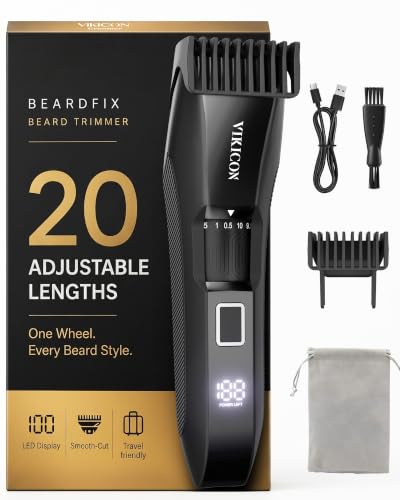
CUSTOMIZE EVERY TRIM — Easily customize your beard with 20 adjustable length settings from 0.5mm to 10mm. Designed as a versatile men's beard trimmer, the built-in adjustment wheel lets you fine-tune your preferred length without constantly changing guards, making it easy to maintain everything from light stubble to a fuller beard. Enjoy greater control, more consistent results, and a grooming routine that fits your personal style.
Clean and Maintain Your Trimmer Blades
Because your trimmer’s blades directly contact your skin and beard hair, they’ll accumulate debris that compromises cutting performance and creates hygiene risks. Implement these blade hygiene and maintenance tips to preserve functionality and prevent bacterial buildup.
After each use, brush away hair particles with the supplied brush, then wipe blades with an alcohol swab. For deeper cleaning, disassemble detachable blades and scrub them with mild soap and a soft brush under warm water. You can optionally soak detachable waterproof parts for deep disinfection to eliminate stubborn bacteria and buildup. For non-detachable components, wipe down the trimmer body carefully without submerging it in water. Apply clipper oil weekly—one to two drops across the blade teeth while running the trimmer for five to ten seconds. This lubrication reduces friction and prevents corrosion. With proper care and regular maintenance, the lifespan of your trimmer blades can be significantly extended, and sharpening blades can restore functionality without needing full replacement.
Always dry blades completely before storage. Store your trimmer in its protective case, away from moisture and dust, ensuring peak performance and extended lifespan. Regular cleaning after every 2-3 uses prevents fungal and bacterial growth while keeping blades sharp and properly aligned for optimal cutting performance.
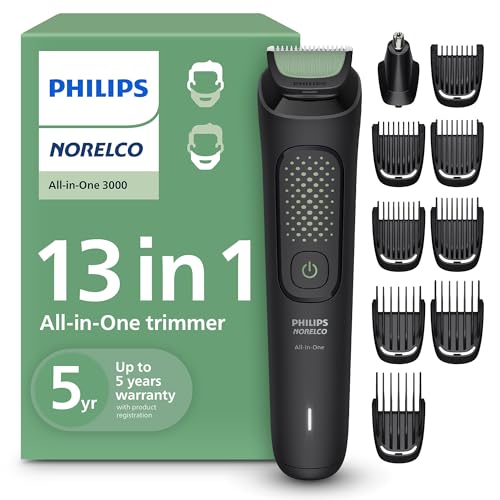
Skin-Friendly Blades: Rounded comfort-blade tips feel gentle on skin for a quick, comfortable trim when shaping beard or hair

What you get: when get the package, you will have 1 piece of black haircut cleaning brush, 1 piece of black razor brush, 1 piece of black barber cleaning brush and 1 piece of drawstring black storage bag, the various styles and different size will meet your different needs
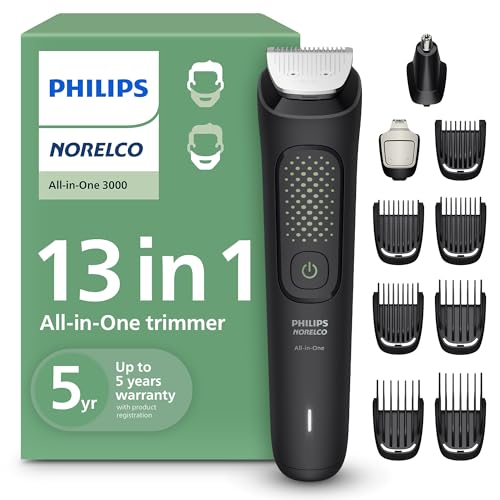
Full Metal Blades: Self-sharpening blades stay as sharp as day one and require no oiling for precise, low-maintenance grooming
Schedule Your Trims: A Weekly Maintenance Timeline
While maintaining clean blades keeps your trimmer functioning efficiently, establishing a regular trimming schedule guarantees your beard stays shaped and healthy. Your trimming frequency depends on your beard length and growth rate. For shorter beards, trim every other week minimum to preserve shape and maintain clean necklines. If you’re growing a longer beard, monthly trims suffice as an effective maintenance baseline. Fast-growing hair demands more frequent trimmer use—consider weekly sessions to remove stragglers and prevent an unkempt appearance. These maintenance tips assure consistent results regardless of your style. Adjust your schedule based on individual growth patterns and desired length. Regular trimming intervals prevent split ends and keep your beard looking polished while supporting overall skin health through consistent upkeep. Models like the Philips Norelco OneBlade Hybrid Trimmer and Shaver excel at maintaining clean necklines and delivering precise results across different beard lengths. Waterproof trimmers with IPX7 waterproof ratings allow you to trim in the shower, making it convenient to incorporate grooming into your daily routine. To ensure your trimmer performs optimally during these sessions, store your trimmer in a moisture-free environment away from bathroom humidity between uses.

Strong Motor & Long Battery — Power Meets Endurance. Powered by a 6,600 RPM high-torque motor (240 g·cm) for smooth, steady trimming. The lithium battery runs up to 180 minutes — lasts about 30 days per charge — with fast, convenient USB-C charging

𝟰-𝗶𝗻-𝟭 𝗠𝗲𝗻'𝘀 𝗚𝗿𝗼𝗼𝗺𝗶𝗻𝗴 𝗞𝗶𝘁- This beard trimmer for men includes 4 heads for hair, beard, body, nose, ear and detail trimming, plus 11 guide combs for controlled stubble, beard and haircut lengths. Switch styles without buying separate tools

All-in-One Grooming: 18 attachments and 16 lengths (0.5-16 mm) cover beard, hair, nose, ears and body