To keep your beard trimmer performing at its best, start by disconnecting it from power and tapping out excess hair. Use the included bristle brush to remove stubborn debris from crevices and blades. Wash the blades with mild soap and warm water, then soak detachable components in disinfectant for ten minutes. Air-dry everything on a soft cloth completely before applying lubricant oil to your blades. Finally, inspect for any damage and run the trimmer briefly to distribute the oil evenly—the details matter for extending your tool’s lifespan.
Prepare Your Trimmer for Cleaning
Before you start cleaning your beard trimmer, you’ll need to prepare it properly to confirm both your safety and the device’s longevity. Your first safety precaution is disconnecting the trimmer from its power source entirely. Switch off the device completely and verify it’s powered down before handling any components.
Next, tap your trimmer lightly against the sink to dislodge excess hair and dead skin. This simple step prevents buildup from blocking the blades during deeper cleaning. Shake gently to remove loose particles without applying heavy impacts that could damage internal components. Regular maintenance after each use helps extend the trimmer’s lifespan and keeps your grooming tool in optimal condition. Cleaning your trimmer after every 2-3 uses prevents fungal and bacterial growth that can cause skin irritation.
Before proceeding further, review your trimmer’s waterproof rating by checking the manufacturer guidelines. This critical step determines whether you can use water-based cleaning methods or must rely on dry cleaning techniques. For effective sanitization, you should understand the 70% isopropyl alcohol disinfection method to ensure you’re prepared for the deeper cleaning steps ahead. Understanding your device’s specifications prevents accidental damage and confirms effective maintenance.

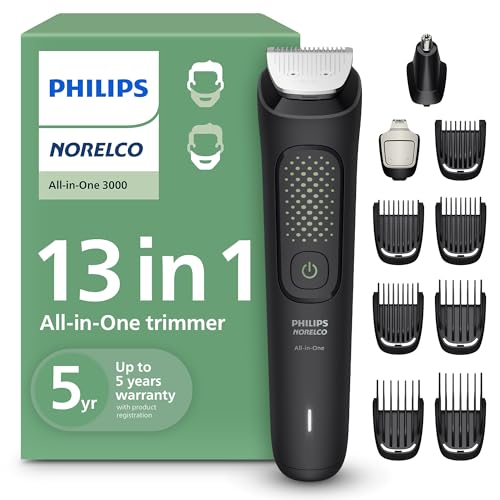
𝗔𝗹𝗹-𝗶𝗻-𝗢𝗻𝗲 𝗕𝗲𝗮𝗿𝗱 𝗧𝗿𝗶𝗺𝗺𝗲𝗿 𝗳𝗼𝗿 𝗠𝗲𝙣 - Our Electric Beard Trimmer Kit is the ultimate Men’s Grooming Kit, featuring multiple precision heads for beard, mustache, hair, nose, ear, and body. This all-in-one Beard Shaving Set keeps you perfectly groomed at home or on the go

Precise & effortless styling: Braun’s All-in-One Trimmer Kit, Series 5, lets you effortlessly trim your beard, hair, ears, nose and body

SpotGlide Blade Technology: Unlike others in the industry, MANSPOT's SpotGlide Blade Technology features a wider 40mm ceramic blade designed to cover more area in fewer passes, reducing friction and irritation in sensitive areas including the groin. Rounded tip guards and a hypoallergenic steel and ceramic blade combination help minimize nicks and discomfort for a clean, comfortable result, no razor burn, no regrets.
Remove Debris With Your Cleaning Brush
Once you’ve unplugged your trimmer and tapped away loose particles, you’ll use the small bristle brush included with your device to remove stubborn hair and debris from the blades and tight spaces. Gently sweep the brush across the cutting block and inner parts, using firm yet gentle strokes. Brush against the base of bristles to dislodge trapped hair effectively. Pay special attention to hard-to-reach areas like crevices and under the blades where debris accumulates. These cleaning techniques maintain peak blade performance and prevent pulling. Regular maintenance, including blade oiling and cleaning, will extend your trimmer’s lifespan and ensure consistent results. For optimal results, consider cleaning your trimmer every other month depending on how frequently you use the device. Premium trimmers like Wahl’s stainless steel models feature precision-ground high-carbon steel blades that require consistent upkeep to maintain their cutting efficiency. After completing your brushing, wipe the handle and casing with a damp cloth. Proper brush maintenance guarantees your trimmer stays efficient and hygienic between deeper cleaning sessions.
Wash and Disinfect the Blades
After brushing away loose debris, you’ll want to wash and disinfect your trimmer’s blades to eliminate bacteria and stubborn buildup. Dampen a cloth or cotton swab with mild cleaning solution and gently wipe the external surfaces and blade teeth under warm running water. For thorough blade maintenance, use a soft-bristle brush to carefully scrub away any remaining grime without causing damage.
Next, soak the detachable blade components in warm water mixed with disinfectant for ten minutes to kill lingering bacteria. Submerge them completely for maximum effectiveness. After soaking, rinse everything thoroughly under running water to remove all soap residue and disinfectant traces. Finally, wipe the blades dry with a clean cloth and allow them to air-dry completely before reattaching or storing your trimmer. For optimal performance and longevity, apply lubricant oil to the blades after they are completely dry. Regular cleaning with cotton swabs helps maintain hygiene and ensures smooth, efficient grooming results over time. Maintaining proper grooming tools contributes to the reduced maintenance benefits that come from a simplified personal care routine.
Full Metal Blades: Self-sharpening blades stay as sharp as day one and require no oiling for precise, low-maintenance grooming

Specially designed to clean the nooks and crannies of clippers and trimmers

Premium Titanium Blades: Mens hair clippers designed for smooth, quick, and precise clipping performance on all types of hair with high quality long lasting high-carbon enhanced self-sharpening precision premium titanium stainless T-blades, The tip part adopts safe R outlineing obtuse angle design, the professional edgers clippers satisfy any styling needs,such as lining, sculpt contours, and dry shaving.
Air-Dry All Components on a Soft Cloth
Now that you’ve rinsed away all soap residue and disinfectant traces, proper drying becomes your next priority. Air drying all components prevents moisture-related damage that compromises trimmer performance.
Lay each part on a soft microfiber cloth in a shaded area, away from direct sunlight. Position components flat to maximize airflow circulation. First, wipe excess water droplets with a dry cloth, then shake parts gently to remove remaining moisture. This practice aligns with grooming commitment by reflecting the same care given to other grooming tools.
Detach blades and separate the foil frame from the main body—this speeds the drying process considerably. Unlike wider clipper blades, beard trimmer blades feature narrower designs that require careful handling during the drying phase. Before reassembly, apply specialized clipper oils to lubricated blades once completely dry to prevent rust and ensure optimal performance. Never rush this stage. Allow complete air drying before reassembly or lubrication application. Moisture prevention is critical; storing a damp trimmer defeats your cleaning efforts and promotes bacterial growth.
Confirm total dryness before storing your trimmer.
Oil Your Blades and Inspect for Damage
Your trimmer’s blades require regular oiling to maintain peak performance and prevent rust accumulation. Start by applying two to three drops of oil to the top blade, then one drop to each side of the blade heel. Point the blades downward during application to prevent oil from entering motor compartments. Run your trimmer for 10 to 20 seconds to distribute lubricant evenly across the teeth, then wipe away excess oil with a cloth.
Choose appropriate oil types like Wahl clipper oil, vegetable oil, or Andis Cool Care Plus spray. Specialized clipper oils contain mineral oil and corrosion-preventing ingredients that are formulated to keep blades sharper longer and prevent rust and corrosion. These lubrication techniques reduce friction, extend blade lifespan, and eliminate vibration. Monthly lubrication performed after cleaning ensures optimal longevity and consistent trimmer performance.
Inspect your blades for damage indicators: visible rust, increased vibration, sticky blades, or dull performance signals. Address these issues immediately to guarantee ideal trimming results.

Rust Prevention – Prevents rust from forming & helps extend the life of the clipper & blades; can also reduce the likelihood of blades becoming dull


Professional-Grade Blade Care: Ensure your pet and dog grooming blades last for years to come with Wahl’s top-quality clipper blade oil