You’ll get dramatically different results depending on your choice. Waxing reduces ingrown hairs by 78% and lasts 3–5 weeks, while shaving requires daily maintenance with results lasting only 1–3 days. Waxed hair regrows softer and finer, whereas shaved hair returns coarse and blunt. Waxing also exfoliates your skin, promoting a brighter, smoother complexion over time. Your decision should depend on your pain tolerance, skin sensitivity, and maintenance commitment—each method offers distinct advantages worth understanding further.
Why Ingrown Hairs and Irritation Should Drive Your Choice
When you shave your face, you’re cutting hair at the skin’s surface, which creates blunt ends that curl back and pierce the skin as they regrow—a primary cause of ingrown hairs and the irritation that follows. Repeated shaving scrapes your skin’s top layer, triggering razor burn, dryness, and darkened patches, particularly problematic on sensitive facial skin. For those committed to shaving despite these risks, electric razors with straight-line shaving motion and ultra-thin foils can reduce irritation by minimizing direct blade contact with skin.
Waxing addresses these concerns effectively. Professional waxing reduces ingrown hair frequency by 78% compared to shaving because it removes hair from the root, eliminating blunt ends entirely. Hair regrowth becomes softer and finer, substantially lowering skin irritation risks. Consistent waxing produces sparser regrowth and natural exfoliation, minimizing friction-related damage over time. Additionally, choosing a medical spa for waxing ensures expert staff with specialized training and strict sanitation standards, reducing complications like infections. For facial hair removal specifically, look for practitioners experienced with sensitive skin care, as facial skin requires more delicate handling than body grooming areas. Though waxing initially causes temporary redness, the long-term reduction in ingrown hairs and skin irritation makes it the superior choice for facial hair removal.
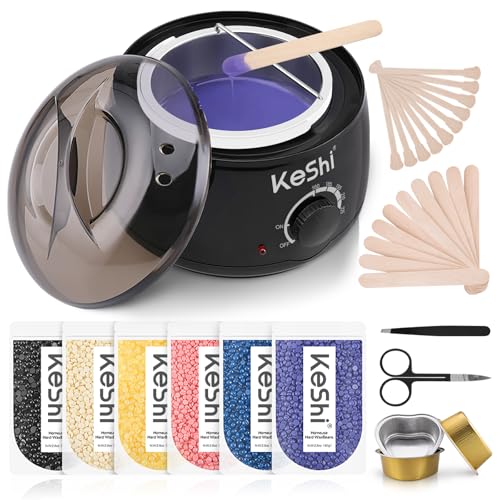
COMPLETE 500ML WAXING KIT: Everything you need for at-home waxing in one box: 1 × 500ml electric wax warmer with aluminum pot, 6 × 80g hard wax bead bags (480g total), 20 applicator sticks, 3 small waxing bowls for small areas waxing, tweezers, scissors and a step-by-step guide. No separate wax warmer or wax strips needed to get started.

Gentle for Facial Skin- glee wax strips, Specially designed for facial hair, hair removal strips are gentle and non-irritating-suitable for all skin types, tiras de Cera para depilar.

WE'RE FAMOUS! Award-Winning Brand featured on CBS News, ABC, NBC, and Cosmopolitan, and viral on your favorite social media platforms.
How Long Waxing Lasts vs. Shaving’s Quick Results
Because waxing removes hair from the root while shaving only cuts surface strands, the longevity of results differs dramatically between these methods. With waxing longevity extending 3–5 weeks, you’ll enjoy prolonged smoothness from a single appointment. Shaving, conversely, delivers results for merely 1–3 days before stubble becomes noticeable.
This fundamental difference directly impacts your shaving frequency requirements. You’ll need daily or near-daily shaving to maintain smoothness, whereas waxing appointments occur every 3–4 weeks. Over time, consistent waxing sessions weaken follicles, creating increasingly predictable outcomes and further extending results to six weeks. Additionally, blunt hair regrowth from shaving can feel coarser and more uncomfortable against the skin compared to waxed hair. Waxing does carry risks including skin irritation, razor burn, and ingrown hairs that should be considered before committing to the method. For those seeking alternatives to traditional shaving, electric razors offer advanced cutting performance and comfort features that may provide a middle ground between daily shaving and waxing appointments.
When you factor cumulative time investment across weeks, waxing’s 30-minute sessions prove more efficient than shaving’s deceptively brief daily applications. The extended waxing longevity ultimately reduces your overall grooming commitment.

Sally Hansen STRIPLESS WAX FOR FACE, EYEBROW, AND LIP quickly and effectively removes unwanted facial hair.

Ready To Use Eyebrow Waxing Kit: No heating; just twist and go; ideal for eyebrows, upper lip, chin

COMPLETE FACE & EYEBROW WAXING KIT – This face waxing kit for women includes a mini wax pot, wax beads, applicators, and post-wax care. Perfect as an eyebrow wax kit and face wax kit for home use.
The Regrowth Difference: Why Waxing Hair Gets Softer Over Time
Unlike shaving, which merely clips hair at the skin’s surface, waxing removes hair from the root and fundamentally alters how your facial hair regrows. When you wax consistently, you’re placing stress on your hair follicles with each session, gradually weakening their structure. This cumulative damage prevents follicles from producing hair at full thickness and density across subsequent growth cycles.
Your regrowth patterns shift noticeably over time. Waxed hair emerges softer and finer, while shaved hair returns blunt and coarse within days. The repeated root-level extraction directly impacts hair health by preventing the hair shaft from developing its full strength. For those seeking more permanent solutions, laser hair removal targets follicles for long-term reduction superior to temporary waxing methods. Professional waxing can also reduce the risk of irritation and ingrown hairs compared to at-home removal methods. With commitment to regular waxing, you’ll notice increasingly refined texture and sparse regrowth, eliminating the stubble-prone sensation that shaving produces. Over successive waxing sessions, each subsequent waxing becomes more comfortable as the weakened follicles offer less resistance to hair removal.

All-in-One Waxing Kit: Easy waxing at home, the ANRUZ wax kit contains everything you need: wax machine 500 ml(1 unit), a blue silicon bowl, 4 bags wax beads (400 g total), 10 small waxing sticks, 10 big waxing sticks, 10 eyebrow sticks, 10 nose wax sticks, 5 waxing protection rings, and 1 user manual. Up to 97.53% of unwanted body hair can be removed with this eyebrow waxing kit

FACIAL WAX STRIPS: No heat, no mess, no fuss! Remove unwanted facial hair for up to 6 weeks of smooth, hair-free skin. Contains soothing Shea Butter + Vitamin E.

【BEGINNER-FRIENDLY DESIGN FOR HASSLE-LESS WAXING】: Waxing at home with waxing kit can seem daunting, but not with our Lifestance waxing kit. The wax kit includes a digital wax warmer for hair removal, 4 bags of wax beads, 10 large and 10 medium, and 10 brow sticks, 2 treatment oils, 5 collars, making it the ideal home waxing kit for women and men. Experience confident at-home waxing with our user-friendly components, safe kit and clear instructions
How Waxing Improves Facial Skin Quality Compared to Shaving
Beyond softening your regrowth patterns, waxing delivers significant improvements to your skin’s overall quality and appearance. When you wax, you experience exfoliation benefits that shaving simply can’t match. The process removes dead skin cells alongside hair, revealing brighter, more radiant skin beneath. This dual action enhances your skin texture by promoting smoother surfaces and boosting collagen production.
Unlike shaving, which creates micro-tears and irritation, waxing eliminates razor burn and reduces sensitivity reactions. You’ll notice your skin feels rejuvenated post-treatment rather than dry and compromised. The root removal mechanism prevents ingrown hairs and clogged pores, common shaving complications that degrade skin quality. While budget-friendly shavers like the Philips Norelco 2200 offer affordable grooming options, waxing provides superior long-term skin benefits compared to any electric razor on the market. Proper maintenance of any grooming tool, whether through regular cleaning or application of white mineral oil based lubricants, ensures optimal performance and blade longevity. With consistent waxing sessions, you’ll observe sustained improvements in overall facial appearance and hydration levels, outperforming the temporary, surface-level results shaving provides. Regular waxing can slow down hair growth permanently, delivering even greater long-term benefits for your facial skin.

NATURAL FACIAL WAX STRIPS: The natural way to silky smooth, hair-free skin, made with gentle vegan ingredients for all skin types, with no synthetic fragrances or colors and cruelty free.

Complete Pre and Post Waxing Solutions: Includes everything you need for before and after waxing care; ensures a satisfying and professional-grade hair removal treatment for both facial and body waxing; suitable for salon and at-home waxing sessions
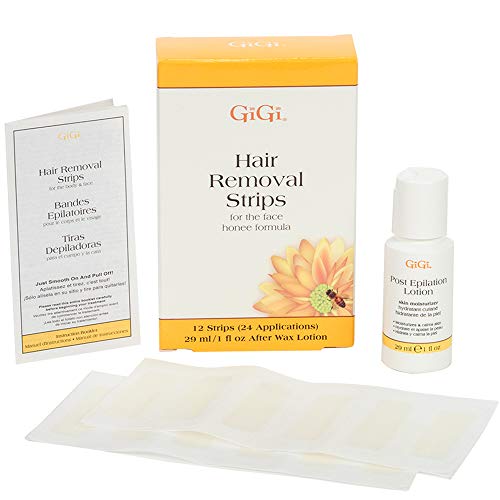
HAIR REMOVAL STRIPS FOR THE FACE: GiGi Facial Wax Strips are perfectly-sized for the upper lip, eyebrow, chin, and hairline. It represents an incredibly easy and efficient method for removing unsightly facial hair. It features a soft, flexible fabric to conform to the subtle curves of the face like the jawline, chin and the upper lip. These depilatory strips have a strong adherence to unwanted hair, removing hair as short as 2mm to leaving the skin looking and feeling silky smooth for weeks!
When to Wax vs. Shave Your Face: A Decision Guide
So which method truly suits your needs? Your decision hinges on several factors that determine best outcomes for your facial hair removal.
Consider your skin type first. If you’ve got sensitive skin or active retinol treatments, shaving minimizes irritation risk without chemical exposure or root extraction trauma. Threading offers gentler alternatives for compromised skin barriers. For those seeking specialized grooming products, anti-friction technology in razors with multiple lubrication strips can further reduce irritation during the shaving process. Electric shavers designed for sensitive skin cut hair at or above the skin surface, eliminating razor burn and nicks that traditional blades can cause.
Evaluate your pain tolerance and schedule. Shaving demands daily maintenance but causes zero discomfort, making it ideal for busy lifestyles. Waxing delivers longer-lasting results—lasting 3-6 weeks—though it requires higher pain tolerance during root removal.
Assess precision requirements. You’ll want waxing for detailed facial grooming like eyebrows or upper lip definition. Shaving suits larger facial areas where precision matters less. Professional waxing services can provide precise shaping that’s difficult to achieve at home.
Ultimately, match the method to your skin sensitivity, pain threshold, maintenance commitment, and desired grooming specificity for superior results.
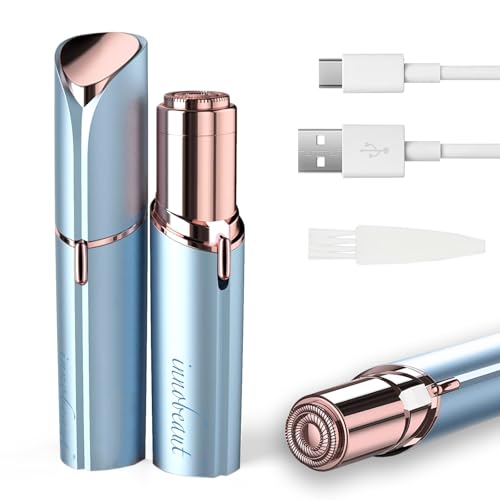
Gentle Facial Hair Remover: This face shaver for women features a rounded low-friction protection head, designed to smoothly glide over skin to trim fine hairs without pulling, nicks, or cuts. It safely shapes stubble on the lip, chin, cheeks, and jawline for a neat, smooth finish.
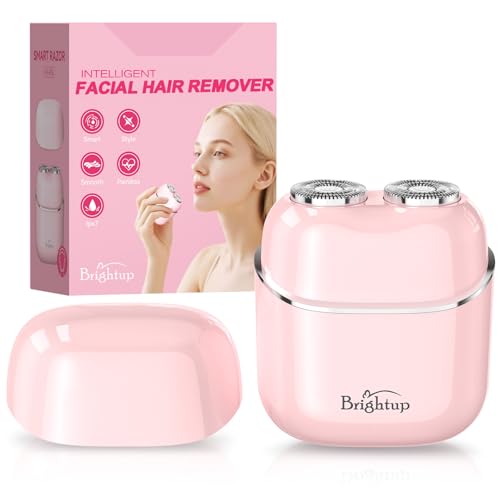
【Smart & Painless — Just Touch and Glide】No buttons, no fuss. Simply touch the device to your skin — the smart sensor activates instantly. It gently removes peach fuzz and facial hair without any pulling, nicks, or irritation. Finally, a painless hair removal that feels kind to even the most sensitive skin. "It only runs when touched and leaves my skin smooth without any irritation." — Happy Customer
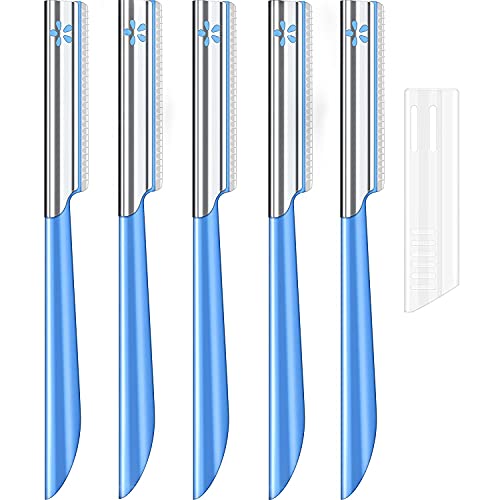
Quality material: these eyebrow razors are made of steel blade, durable and lightweight, gentle to use and will not rust easily, will not hurt your skin and easy to carry, can bring you a nice using experience and provide you a long-term service