You’ll find that hair clipper oil‘s foundation is white mineral oil—a highly refined petroleum-derived hydrocarbon maintaining viscosity around 90–125 cSt at 40°C. Manufacturers enhance this base with vitamin E for antioxidant protection, rust inhibitors shielding metal components, anti-foaming agents reducing bubbles, and tackiness enhancers improving blade adhesion. Some premium formulations incorporate animal oils like emu oil for superior heat reduction. These synergistic components optimize lubrication while preventing blade degradation and maintaining cutting performance throughout extended use.
White Mineral Oil: The Primary Ingredient
Because hair clipper oil must reduce friction while remaining chemically stable, manufacturers rely on white mineral oil—a highly refined petroleum product composed primarily of saturated aliphatic and alicyclic hydrocarbons. Your composition analysis reveals this oil undergoes intensive refining through hydrogeneration and distillation, removing contaminants like sulfur, aromatic compounds, and unsaturated hydrocarbons. The white mineral base maintains a density of 0.8–0.87 g/cm³ with viscosity around 90–125 cSt at 40°C, providing ideal lubrication properties. This refined formulation delivers chemical stability without supporting bacterial growth, ensuring your clippers operate smoothly across multiple uses. The transparent, odorless liquid creates a non-toxic, inherently biodegradable product meeting pharmaceutical and cosmetic purity standards, making it optimal for professional grooming equipment maintenance. White mineral oil’s very faint odor contributes to its suitability for use in close proximity to the face and scalp during grooming applications. Manufacturer-recommended specialized clipper oils often include additional additives that enhance performance beyond the base mineral oil formulation. Regular application of clipper-specific oil through applying drops to blade corners helps maintain optimal performance and extends the lifespan of your equipment.
Why Vitamin E and Other Additives Matter
While white mineral oil forms the foundation of effective clipper oil, manufacturers enhance its performance by incorporating vitamin E and supplementary additives that address specific lubrication challenges. Vitamin E benefits include antioxidant protection that prevents oil degradation and extends product shelf life. This additive function combats oxidation, ensuring your clipper oil maintains consistent viscosity during storage and use.
Beyond vitamin E, manufacturers include rust inhibitors that protect metal clipper components from corrosion. Anti-foaming agents reduce bubble formation during operation, which compromises lubrication efficiency. Tackiness enhancers improve oil adhesion to clipper blades, promoting superior lubrication distribution across cutting surfaces. The antioxidant properties in vitamin E also support the overall integrity of the oil formulation by reducing oxidative stress on the product itself.
These additive functions work synergistically with mineral oil, creating a thorough lubricant system. Together, they optimize blade performance, reduce friction-related heat, and extend clipper lifespan while maintaining cutting precision. Manufacturer-formulated clipper oils from brands like Wahl and Andis are specifically designed to prevent rust and corrosion while removing debris accumulation that dulls blades.

Rust Prevention – Prevents rust from forming & helps extend the life of the clipper & blades; can also reduce the likelihood of blades becoming dull

Rust Prevention – Prevents rust from forming & helps extend the life of the clipper & blades; can also reduce the likelihood of blades becoming dull

Plant-Based Oils in Clipper Oil Formulations
Plant-based oils represent an emerging alternative to mineral oil in clipper formulations, offering distinct lubrication properties and oxidative stability profiles. You’ll find that sourcing quality plant-based oils requires careful vetting of suppliers to guarantee purity and consistency across batches. These formulations deliver plant-based benefits including reduced environmental impact and lower toxicity profiles compared to conventional mineral oil options.
When you’re evaluating clipper oils, consider that plant-based alternatives often provide superior oxidative resistance, meaning they resist breakdown during extended use. Oil sourcing directly affects performance—cold-pressed and refined plant oils maintain viscosity stability better than lower-grade options. Oils like argan and grapeseed are particularly valued for their high fatty acid content and antioxidant properties that enhance blade protection. You should verify that manufacturers employ rigorous quality control standards when incorporating these botanicals. The technical advantage lies in achieving ideal blade glide while minimizing gum buildup and extending equipment lifespan. Unlike the misconception that physical grooming tools cause permanent changes, clipper oil quality directly impacts the actual performance and longevity of hair grooming equipment. Regular clipper maintenance with quality oils prevents blade dulling and ensures optimal cutting performance across multiple uses.

Odorless, Coconut-Derived Natural Oil - Unlike many petroleum-based clipper oils that have a noticeable smell, this oil is odorless and coconut-derived, making it more pleasant to use for grooming tools, sewing machines, and household equipment.

Professional-Grade Blade Care: Ensure your pet and dog grooming blades last for years to come with Wahl’s top-quality clipper blade oil
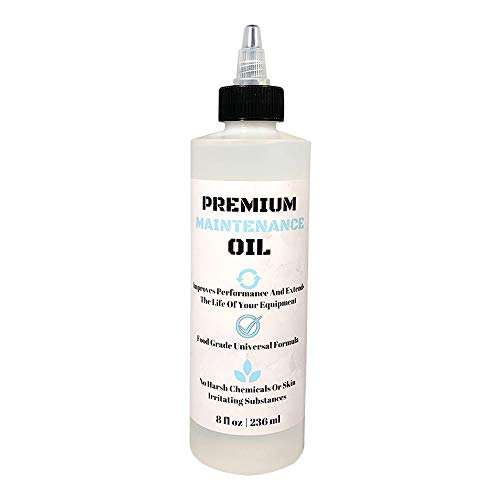
PREMIUM PROTECTION - Protects your cutting equipment from rust and corrosion. Ensuring a prolonged life for your clipper and razor
Animal Oils in Clipper Oil: Why They Matter
When you’re selecting a high-performance clipper oil, animal-derived components like emu oil and fish oil offer distinct advantages that mineral oil alone can’t provide. These animal oils comprise specialized percentages—emu at 0.07% and fish oil at 0.03%—in advanced formulations that deliver superior performance enhancement.
You’ll notice animal oil benefits emerge through improved heat reduction during blade operation. The lubricating properties of these components directly correspond to decreased friction and thermal stress on your blades. Fish and emu oils maintain safety standards compatible with direct animal skin contact across horses, dogs, cattle, and sheep, ensuring non-toxic formulations. Modern barbers often pair these premium oils with high-performance clippers featuring magnetic motors that amplify the cooling benefits during extended use. Proper clipper oil application should occur before clipping to establish optimal lubrication conditions from the start.
You can customize formulations by combining animal oils with mineral or hydraulic oil bases, creating flexible compositions tailored to your specific performance requirements and operational demands.
How Viscosity Affects Clipper Performance?
Beyond the specialized animal oils that enhance heat reduction, viscosity—the thickness of your clipper oil—determines whether your blades receive adequate lubrication during high-speed operation. Low viscosity oils fail to maintain protective films at 6,000 strokes per minute, causing rapid heating and premature blade dulling. You’ll notice reduced cutting efficiency as friction increases.
Higher viscosity formulations sustain lubrication efficiency throughout extended use, minimizing metal-to-metal contact and heat generation. The viscosity impact directly correlates with blade longevity—thicker oils reduce wear by maintaining consistent film strength during prolonged clipping sessions. Proper maintenance practices with appropriate viscosity oils prevent the blackening of blades that occurs due to insufficient lubrication and excessive heat buildup. Maintaining proper blade spacing during reassembly ensures that oil can circulate effectively between the cutter and comb blades.
You’ll achieve peak performance with manufacturer-recommended oils like Wahl or R15, which balance viscosity with non-gumming properties. Applying one drop per blade side every five to ten minutes ensures sustained lubrication and extends your blades’ operational lifespan considerably. For households using clippers across multiple people, maintaining proper oiling frequency between users helps preserve blade performance and hygiene standards.

Wahl special formula clipper blade oil

Professional and Versatile Usage: Designed for both personal home use and professional hairdressers in salons and barbershops, this Electric Shaver Oil Box is a must-have accessory for maintaining your hair trimmer.

Is Clipper Oil Safe? FDA Approval Explained
Since clipper oil consists primarily of refined mineral oil—specifically white mineral oil (CAS 8042-47-5)—it’s classified as a safe, non-toxic substance for normal use on skin and hair. Your clipper oil safety depends on proper application and understanding FDA compliance standards.
Wahl Clipper Oil complies with FDA Regulation 21 CFR 178.3570, which permits white mineral oil in food-contact applications. This designation doesn’t mean the FDA “approves” the product outright; rather, it indicates the mineral oil meets established safety parameters for incidental ingestion and skin contact.
You’ll find proprietary additives like Vitamin E (0.1%) enhance antioxidant properties without creating hazards. The oil remains chemically stable under heat and won’t decompose into harmful byproducts under normal conditions. Professional-grade lubricants like PlanetSafe AIM Extreme Duty are scientifically formulated to penetrate, clean, and bond to metal blades while reducing friction and heat. Similar to how electric razors for women require proper maintenance with appropriate products, clipper oil ensures your grooming tools function optimally. Generic vegetable oils can serve as affordable alternatives to branded clipper oils, though they may have different viscosity characteristics. Avoid substitutes like WD-40, which damage motors and cause tackiness—they lack clipper oil safety certifications and FDA compliance standards.
Kitchen Pantry Alternatives: Mineral Oil and Vegetable Oils
You’ve got two main options if you’re considering household substitutes for commercial clipper oil: mineral oil and vegetable oils. Kitchen pantry mineral oil works effectively for clipper lubrication, matching commercial Wahl compositions with viscosity between 7.5-90 cSt at 40°C. You’ll find it stable under heat and safe on skin and hair.
Vegetable oil alternatives, however, present significant drawbacks. You risk tackiness, hair attraction, and rapid evaporation that overheats blades. Coconut and generic vegetable oils rancidify quickly, potentially causing skin reactions on animals. Unlike wet shaving with wet/dry shavers, which can provide enhanced skin protection, vegetable oils lack the stability needed for clipper maintenance.
For oil alternatives, mineral oil outperforms vegetable options substantially. You can apply pure drug store mineral oil with just four drops post-use, extending blade life comparable to commercial products while avoiding the instability vegetable oils introduce to your equipment. If you’re using clippers on your scalp, proper daily moisturization with lightweight products is equally important to maintain skin health after grooming.
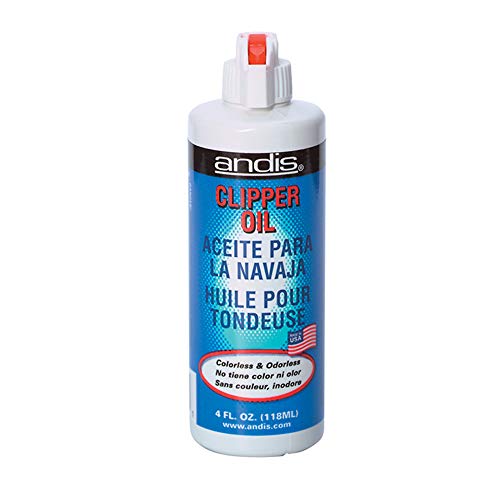
Cutting machine oil to lubricate and clean the blades

✅ Extends Blade Life & Prevents Rust: A few drops of hair clipper oil help reduce friction for smooth cutting without pulling or snagging. This electric shaver oil coats moving blade surfaces to help protect against rust and corrosion between cuts while reducing everyday blade wear, extending the lifes of blade.
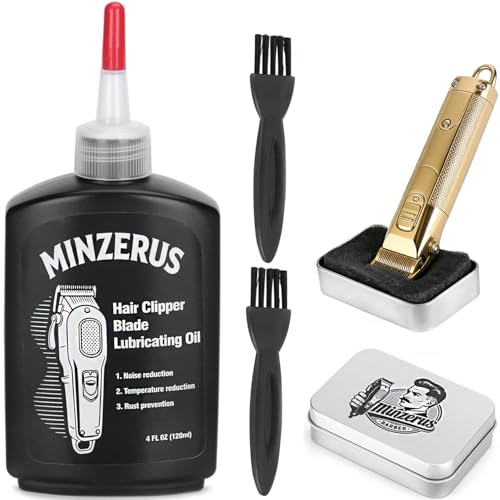
【1x Premium Lubricating Oil】Effectively reduces operating noise and temperature, lubricates internal components, prevents metal part rust, and extends the service life of electric clippers. This mild, skin-friendly mineral lubricant features low viscosity and strong penetration—no compromise to clipper performance during use.
Commercial vs. DIY Clipper Oil: Is It Worth the Cost?
Why’d commercial clipper oils command premium pricing when mineral oil itself comprises 100% of standard formulations? The performance comparison reveals added value through proprietary additives and specialized engineering. You’re investing in hydraulic oil blends (up to 49%) that reduce heat buildup, vitamin E antioxidants at 0.1% concentration, and botanical oils like spearmint that enhance functionality beyond basic lubrication.
Cost effectiveness depends on your usage patterns. A $7.50 bottle requires only drops per application, extending blade life considerably and offsetting replacement expenses. However, DIY mineral oil delivers comparable lubrication at lower upfront costs. You’ll sacrifice warranty compatibility and quality assurance, but gain immediate savings. Professional-grade options justify premiums through specialized blade mechanics optimization, much like how professional foil shavers from established brands optimize performance for barbershop environments, whereas casual home use may adequately function with pantry alternatives. Just as sensitive skin compatibility matters when selecting grooming tools for beginners, choosing the right clipper oil formulation impacts long-term maintenance and performance outcomes.
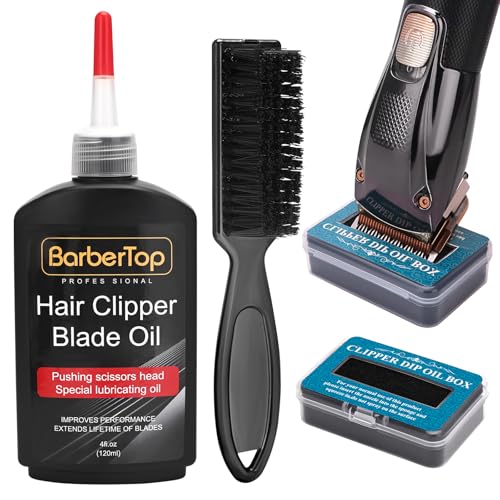
BarberTop: Our brand's Hair Clipper Oil is colorless and odorless, gentle on skin, rust-preventive, and cooling. It delivers convenient and efficient performance, significantly extending the lifespan of your tools.

Extends Blade Life: Specially formulated hair clipper oil; blade oil helps extend the life of clipper and trimmer blades

5-IN-1 FUNCTIONALITY: Cool Care Plus offers coolant, disinfectant, lubricant, cleaner, and rust prevention in one convenient spray, perfect for clipper maintenance.