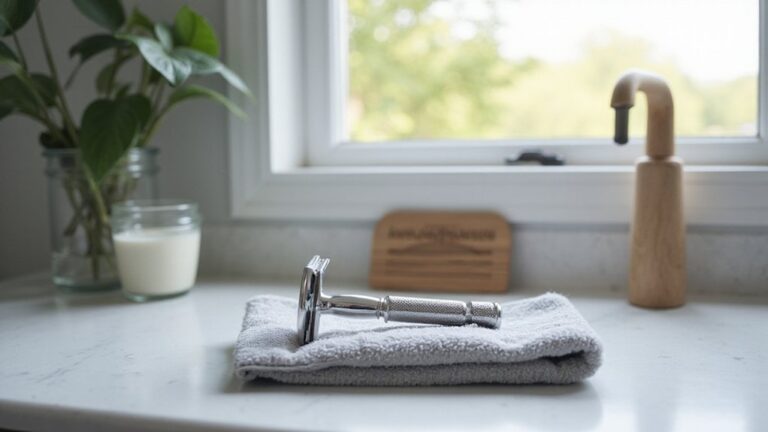
You’ll get the best results shaving after your shower. Warm water hydrates your facial hair and opens your pores, allowing your razor to cut with minimal pressure and trauma. This reduces irritation, nicks, and razor clogging—especially important if you’ve got sensitive skin. The softened hair stands upright for better blade contact, giving you a closer shave. While pre-shower shaving saves time, it sacrifices the protective benefits warm water provides. There’s more to reflect on about timing and technique.
What Dermatologists Say: After-Shower Shaving Wins
When you’re deciding on the best timing for your shave, dermatologists overwhelmingly recommend waiting until after your shower. The American Academy of Dermatology affirms this timing because warm, moist skin creates ideal shaving conditions. Multiple dermatology sources, including Cleveland Clinic and Schweiger Dermatology, prioritize post-shower shaving techniques for superior results.
Your skin and hair soften considerably after shower exposure to warm water, allowing your razor to glide more efficiently. This preparation reduces the pressure you need to apply, minimizing irritation risk. Additionally, the shower removes excess oil and dead skin cells that typically clog your blade, resulting in cleaner, more effective cuts. Shaving after a shower also allows open pores to better absorb any post-shave products you apply.
Dermatologist recommendations consistently emphasize that post-shower shaving lowers razor burn risk greatly while preventing rougher shaves. For sensitive areas, using specialized grooming tools with anti-friction technology can further reduce irritation and enhance comfort during your shave. If you maintain a regular shaving routine, consider managing your subscription to ensure you never run out of quality razors and grooming supplies. This evidence-based approach guarantees healthier skin outcomes.

SEALED DESIGN MUCH SAFER: ZOMCHI Blade Bank with its SEALED DESIGN, The used blades can only slip into the bank through the only Opening Gap at the top of the storage case, which could not only avoid escaping of razor blades and effectively protects users getting hurt when disposal the used razor blades, also can keep children safe although they have touched the Blade Bank in case.

Sharp Single Edge Razor Blades: Precision-crafted stainless steel blades for smooth and effortless cutting, shaving and hair shaping. Ideal for professional barbers and home grooming.

Blades are extremely sharpe
Warm Water, Open Pores, Closer Shaves
Why does your shave feel smoother after a hot shower? Warm water benefits your shave through hair hydration and skin preparation. When you expose your facial hair to warm water, it absorbs moisture and softens considerably, making it easier for your razor to cut cleanly without creating sharp ends that pierce skin afterward.
Simultaneously, heat relaxes the piloerector muscles attached to your hair follicles, allowing hairs to stand upright for maximum blade contact. Warm water also softens your stratum corneum—the outermost skin layer—reducing resistance during the shaving process. For the best results, hold your razor at a 30-degree angle to optimize blade contact with softened facial hair. To maintain your razor’s performance and ensure a consistently smooth shave, perform regular maintenance by cleaning the heads and foils with a small brush to remove hair and debris.
While the “pore opening” concept is largely mythical, warm water does temporarily soften skin tissue, making pore openings more flexible. This enhanced skin pliability combined with properly hydrated facial hair creates the ideal conditions for a closer, more comfortable shave with minimal irritation. Maintaining clear pores through regular cleansing can also help minimize their appearance and prevent clogging that might interfere with a smooth shaving experience.
Sensitive Skin? Here’s Why Post-Shower Works Best
Post-shower shaving offers distinct advantages for sensitive skin beyond the basic hydration benefits we’ve covered. Nearly 70% of women experience sensitive skin, which increases your irritation risk during dry shaving. When you shave after showering, steam opens your pores and softens follicles, enabling gentler techniques that minimize razor burn and irritation.
The warm environment post-shower prevents inflammation while your skin remains hydrated from moisture exposure. You’ll also remove accumulated debris, reducing clogged pore irritation. Dermatologists specifically recommend post-shower shaving for skin sensitivity management. For those with particularly reactive skin, safety razors with protective guards can provide additional barrier protection during your shaving routine. Using light pressure and short strokes during your post-shower shave allows the blade to do the work without forcing it, which further reduces trauma to sensitive skin. Electric shavers designed with foil technology provide additional protection by cutting hair at or above the skin surface rather than tugging at follicles.
After shaving, pat your skin semi-dry before applying soothing products. Rinse with cool water to close pores, then apply fragrance-free balms containing allantoin or aloe vera. These gentle techniques and proper post-care considerably reduce redness and bumps on reactive skin.

Shaving’s never been easier—Women’s razors with a built-in moisturizing bar let you lather and shave in one easy step, without the need for shave gel.
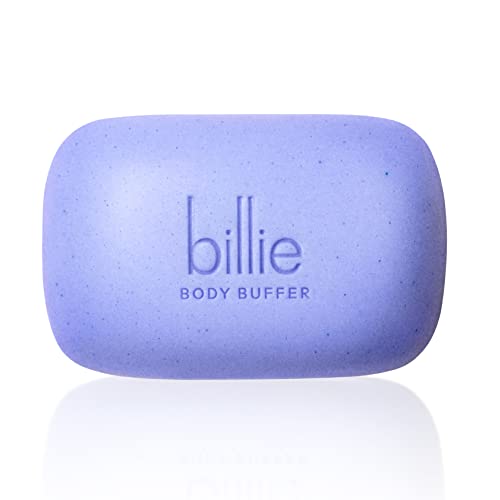
EXFOLIATING: Eco-friendly jojoba & castor oil beads buffers swirl away bumps & roughness.

BEAUTY AWARD WINNING: Winner of the 2025 Allure Best of Beauty Awards
Why Timing Prevents Razor Clogging
One of the most overlooked benefits of post-shower shaving is how it prevents razor clogging through strategic timing. When you shave immediately after showering, warm water has already softened your hair and exfoliated dead skin cells. This combination dramatically reduces the paste-like debris that clogs blade channels.
Your shaving routine should include rinsing every 2-3 strokes under running water. This timing works because softened, hydrated hair clears more efficiently than rigid pre-shower strands. Warm running water removes debris instantly, preventing buildup that shortens your razor’s lifespan. Proper pre-shave preparation with a pH-balanced cleanser ensures your skin’s natural moisture barrier remains intact, further reducing the dead skin cells that contribute to clogging. Professional barbers rely on detachable blades to maintain optimal clipper performance, similar to how regular razor maintenance extends your shaving tool’s effectiveness. Just as beard trimmer guards are essential for achieving precise cuts and managing hair length effectively, razor maintenance through post-shower timing preserves your tool’s performance.
Multi-blade razors specifically benefit from post-shower timing, extending blade longevity to 5-7 uses. The softened hair doesn’t overwhelm blade spacing, maintaining precision without frequent maintenance interruptions. Strategic timing fundamentally aligns your shaving method with your razor’s mechanical limits, maximizing performance and durability.

Ingrown Hair Treatment for Bikini Area: METYOU ingrown hair treatment is specially formulated to gently exfoliate clogged pores and release trapped hairs, making it an ideal razor bump treatment for women after shaving the bikini area, legs, and underarms. Use regularly to keep skin smooth and bump-free.
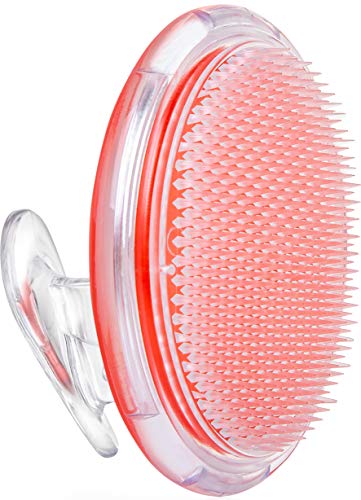
Smooth Shave Prep: This exfoliating brush helps prevent razor bumps and ingrown hairs; great as a shaving exfoliator for legs, face, and bikini area to keep skin clear and smooth pre-shave

Ingrown Hair Treatment for Bikini Area: METYOU ingrown hair treatment is specially formulated to gently exfoliate clogged pores and release trapped hairs, making it an ideal razor bump treatment for women after shaving the bikini area, legs, and underarms. Use regularly to keep skin smooth and bump-free.
Shaving Mistakes That Timing Solves
Many shavers unknowingly compound irritation by shaving on dry, unprepared skin before showering. Your shaving technique directly determines irritation severity when you ignore skin hydration‘s critical role. Pre-shower shaving forces your blade through coarse, raised hair follicles on dehydrated skin, causing nicks, cuts, and painful red bumps—especially problematic for sensitive skin types.
Post-shower shaving eliminates these mistakes. Shower steam hydrates your skin, softens hair follicles, and opens pores, allowing your blade to glide cleanly without excess pressure. This improved skin hydration reduces follicle resistance considerably. You’ll experience fewer strokes needed for closer shaves, minimizing irritation risk tremendously. For optimal results, consider using high-speed reciprocating blades that cut more efficiently on hydrated skin compared to slower alternatives. Models like the Panasonic ER-GB42 deliver precision edging that works best on properly prepared skin. Following up with moisturizer after shaving is crucial for maintaining your skin’s health and preventing further dryness.
Barber testing confirms post-shower timing reduces nicks, bumps, and redness compared to pre-shower conditions. By timing your shave after showering, you transform your technique’s effectiveness while protecting your skin’s health.
No Shower? How to Prep Before Shaving
You don’t need a full shower to prepare your face adequately for shaving. Instead, focus on targeted beard preparation and skin hydration techniques that deliver results without shower dependency.
Start by rinsing your beard thoroughly under cold water to remove overnight debris and invigorate your skin. Next, apply a warm damp cloth to your face for 2-3 minutes to soften hair and open your pores. This hydration step is critical for reducing razor irritation. To maintain your grooming tools in optimal condition, ensure you clean blades and the trimmer body regularly to remove hair buildup or gunk with a brush, compressed air, or disinfectant, and periodically use a sharpening stone to keep the cutting edge effective.
After warming your face, use an oxhorn comb to detangle your beard and distribute moisture evenly. Apply a small amount of pre-shave oil to enhance razor glide. Following application, allow the oil to sit for approximately five minutes to fully absorb into your skin and beard. Finally, lather shaving foam generously on your dry face for prime protection. This methodical approach eliminates shower necessity while maintaining proper beard preparation standards.

Nourish and Prepare - Bevel Pre Shave Oil is enriched with a powerful blend of Castor Oil, Olive Oil, and Tea Tree Oil, providing deep hydration and nourishment to your skin, while preparing your facial hair for a smooth shave
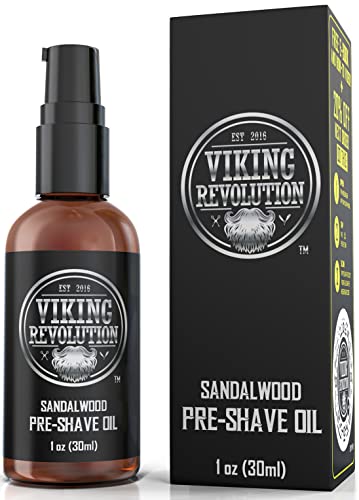
Silky Smooth Shave- Apply our pre-shave oil before your shaving regimen to leave your skin incredibly soft.

After Shaving: Why Moisturizing Always Matters
Why does your skin feel tight and uncomfortable immediately after shaving? Shaving strips your skin’s natural oils and removes the protective barrier layer, leaving you vulnerable to dehydration and irritation. Moisturizing after shaving directly counteracts this damage.
Applying moisturizer immediately post-shave replenishes lost hydration and restores your skin’s barrier function. This moisturizing benefits your skin by reducing razor burn, redness, and inflammation. Aftershave importance lies in its specialized formulation—products containing ceramides, glycerin, and soothing agents like aloe vera calm irritation while locking in moisture. While corded electric razors provide consistent power without battery concerns, proper aftercare remains equally essential regardless of your shaving tool choice.
A dermatologist-recommended approach combines an alcohol-free aftershave balm with a lightweight moisturizer. This two-step application addresses acute recovery while providing sustained hydration. You’ll notice visibly smoother skin with reduced irritation when you prioritize post-shave hydration consistently. Exfoliating after moisturizing removes dead skin cells and prevents ingrown hairs from developing. Choosing a non-comedogenic, fragrance-free moisturizer prevents additional irritation and breakouts from heavy oils or synthetic fragrances.

Immediately calms skin discomfort due to shaving

HARRY'S POST-SHAVE BALM: Instantly calms, balances, and soothes your skin after you shave; Perfect addition to your TSA approved toiletry bag
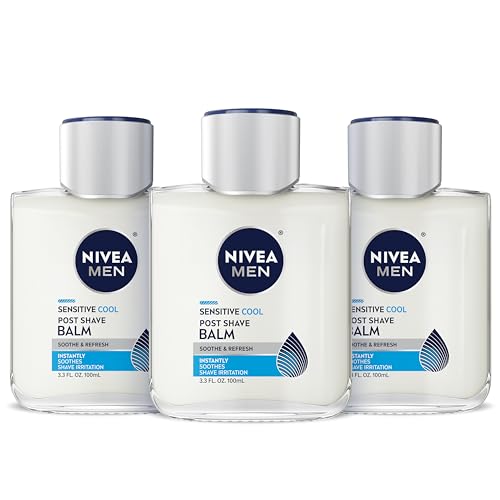
COOLING AFTER SHAVE BALM: Enriched with Seaweed extract and Chamomile extract, this soothing after shave for men feels instantly cool and comfortable on the skin
When Speed Matters: Before-Shower Shaving as a Tradeoff
What if you’re running late and need to streamline your grooming routine? Pre-shower shaving offers legitimate speed advantages when time’s critical. You’ll skip extra rinsing and toweling steps, consolidating cleanup into your shower itself. This efficiency focus reduces your total routine duration considerably.
Your dry skin remains taut, allowing the razor to glide effectively with fewer strokes. Dry stubble stands straighter, enabling closer cuts on the first pass. Electric razors perform efficiently on undampened hair without damp interference or clogging issues. For optimal results with pre-shower shaving, consider using a powerful electric trimmer designed with advanced motor technology to handle dry hair more effectively.
However, you’re accepting a tradeoff. You’ll sacrifice post-shave hydration benefits and risk increased irritation. Your skin loses the protective oil layer that warm water strips away. Dry hair density makes the blade work harder, which can lead to greater discomfort during your shave. Consider using beard oil or balm afterward to restore moisture and protect your skin. This approach works best for those prioritizing speed over thorough skincare, making it ideal for rushed mornings when efficiency matters most.