Yes, you can safely shave your face when you use proper technique. Single-blade safety razors cause less irritation than multi-blade options, and electric shavers minimize razor burn by cutting above the skin’s surface. It’s important that you prep thoroughly with warm water and cleanse first. You’ll need to shave with the grain using light pressure, then moisturize immediately after with alcohol-free products. However, if you’re experiencing persistent or rapidly developing facial hair, understanding what’s actually driving that growth becomes essential.
Is It Safe to Shave Your Face? What Dermatologists Actually Know
While facial shaving can remove unwanted hair and peach fuzz, it carries real shaving risks you’ll want to understand before picking up a razor. Dermatologist insights reveal that improper technique causes skin irritation, rashes, and bacterial spread that worsens acne. Multi-blade razors increase irritation through excessive pressure, while single-blade safety razors produce considerably less erythema. You face higher infection risks if you have open wounds, sunburn, active acne, or rosacea.
Dermatologists recommend professional dermaplaning over at-home shaving due to self-infliction injury potential. If you must shave, use sterile single-blade razors, cleanse skin beforehand, apply shaving gel, and shave with hair growth direction using minimal pressure. For body hair removal, foil shavers offer a safer alternative with their nick-free design and dual functionality for various hair lengths. Proper shaving technique also acts as gentle exfoliation, removing dead skin cells that contribute to dull skin appearance. Moisturize immediately after to restore your skin barrier and prevent complications.
Why Women Remove Facial Hair (And What Works Best for Different Skin Types)
Because facial hair affects approximately 40% of women at some point in their lives, understanding both the underlying causes and removal options is essential for informed decision-making.
You may develop excess facial hair due to hormonal shifts—particularly reduced estrogen and increased testosterone—or conditions like PCOS, which affects 80% of sufferers with hair growth. Social media and evolving beauty standards amplify removal decisions, with 20% of women drawing inspiration from influencers.
Your ideal removal method depends on your skin type. You’ll find sugaring gentler for sensitive skin than waxing, while shaving causes dryness but minimal redness. Electrolysis works across all skin types and hair colors, offering FDA-approved permanent results. Laser removal succeeds best with darker hair and lighter skin tones. Eflornithine cream shows marked improvement in 32% of users within 4-8 weeks. Among popular removal tools, 45% of women prefer electric razors for their efficiency and ease of use. Electric razors designed for sensitive areas use multiple lubrication strips to reduce friction and irritation. When choosing an electric razor, consider that quality models last 5 to 15 years or longer with proper maintenance and regular blade replacements.

From the #1 electric shaver brand¹: Shaver 2400 Series gives you a fast, clean shave even on sensitive skin thanks to 27 self-sharpening ComfortCut blades and 4D Flex Heads
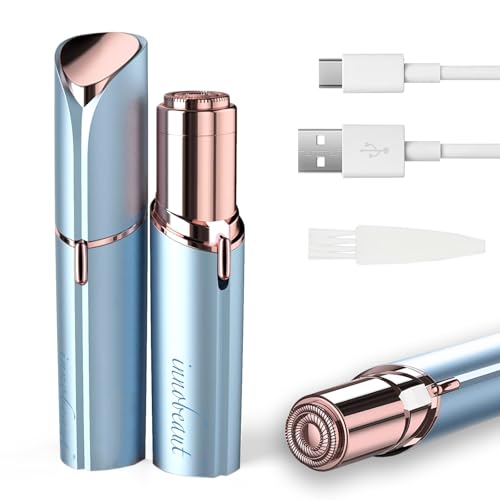
Gentle Facial Hair Remover: This face shaver for women features a rounded low-friction protection head, designed to smoothly glide over skin to trim fine hairs without pulling, nicks, or cuts. It safely shapes stubble on the lip, chin, cheeks, and jawline for a neat, smooth finish.

【Smart & Painless — Just Touch and Glide】No buttons, no fuss. Simply touch the device to your skin — the smart sensor activates instantly. It gently removes peach fuzz and facial hair without any pulling, nicks, or irritation. Finally, a painless hair removal that feels kind to even the most sensitive skin. "It only runs when touched and leaves my skin smooth without any irritation." — Happy Customer
Razors, Wax, or Laser: Which Method Fits Your Skin
How do you choose among facial hair removal methods when each offers distinct tradeoffs in duration, cost, and skin impact?
Razors provide immediate results but cause significant dryness and irritation within 1-2 days. Electric shavers, particularly foil types with protective guards, cut hair at or above the skin surface to reduce razor burn and irritation compared to traditional blades. Wax techniques deliver three-week results with moderate erythema, requiring monthly visits costing €1,080 over three years for multiple zones. Laser hair removal achieves 70-90% permanent reduction through 6-8 sessions, lasting years with minimal maintenance at €686 for equivalent coverage.
Your choice depends on commitment level and budget. Razor types suit quick grooming but demand frequent reapplication. If you prioritize longevity and cost-effectiveness, laser removes the hair follicle permanently, eliminating recurring expenses. Threading, a traditional Eastern technique, plucks individual hairs precisely and can provide results lasting several weeks with minimal skin irritation for those seeking alternative precise methods. For stubborn growth, eflornithine cream complements any primary method. Consider skin sensitivity—wax techniques trigger more irritation than laser’s painless modern technology.
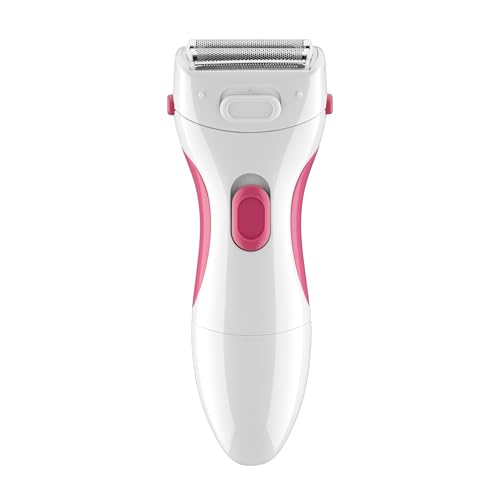
Portable Ladies Shaver: This full-size dual foil shaver is battery operated and perfect for travel. 2 pivoting blades for a close, comfortable shave; pop-up trimmer for precise trimming of delicate areas

PIVOT & FLEX FOIL TECHNOLOGY: Shaver adjusts to facial contours for a close, comfortable shave. Use short circular strokes and light pressure. Best results when used daily for the first few weeks.

PAIN FREE & PRECISE: EVIEY mini facial hair trimmer features 18 karat gold plating and LED light removes hair with precision, no nicks or pain, specifically designed for face upper & lower lip cheeks chin and neck
Step-by-Step: How to Shave Your Face Without Irritation
Facial shaving demands a methodical approach to prevent irritation, razor burn, and ingrown hairs—outcomes that arise when you skip preparation or use improper technique. Your shaving routine begins with thorough skin prep: cleanse with a gentle cleanser, wet your face with warm water, and apply a hot towel to soften facial hair and open pores.
Use a soft-bristled shaving brush to distribute cream and lift hairs. Select a sharp, single-blade safety razor over multi-blade options to reduce irritation. Shave with the grain using light pressure, letting blade sharpness do the work. Rinse your razor after each stroke. For those with sensitive skin, consider safety razors with adjustable aggression that allow you to customize your shave intensity based on your skin’s needs. While straight razors demand significant maintenance like honing and stropping, safety razors offer a more accessible option for most users.
Post-shave, pat your skin dry gently and apply alcohol-free moisturizer immediately to lock in hydration and minimize razor burn. Choose after-shave balms specifically formulated for sensitive skin to provide additional soothing and repair benefits.

Clinically proven for sensitive skin

THE SMOOTHEST SHAVE for both men & women – Significantly reducing ingrown hair, skin irritations and razor burn often experienced with plastic cartridge razors, helping you finally achieve the smoothest, cleanest and closest shave.
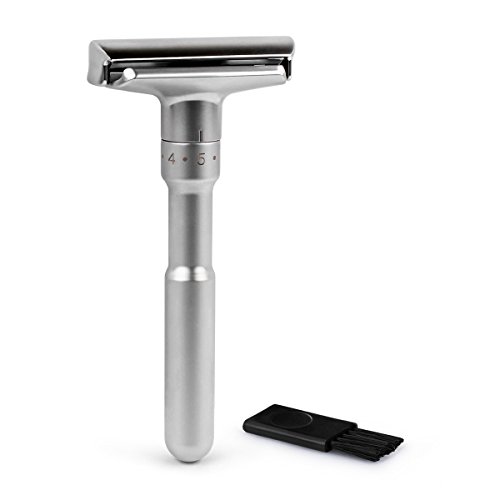
German Design Adjustable Handle to set blade exposure levels from 1 to 6. Matte chrome plated over zinc.
When Excess Facial Hair Signals a Larger Issue (Professional Options Explained)
While proper shaving technique minimizes irritation, persistent or rapidly developing facial hair growth—especially when accompanied by other physical changes—warrants medical evaluation. If you’re experiencing hirsutism diagnosis considerations, your healthcare provider will conduct androgen testing to measure testosterone and other hormone levels. This assessment determines whether elevated androgens from your ovaries or adrenal glands drive your symptoms.
Beyond blood work, your provider evaluates virilization signs like voice deepening, scalp hair loss, or acne. They’ll use the Ferriman-Gallwey scale to grade severity across nine body areas. Professional treatments addressing underlying hormone imbalances prove more effective than temporary removal methods alone. For those seeking longer-lasting solutions beyond shaving, electrolysis and laser therapy offer significant aesthetic improvements, though multiple sessions are necessary. Using single-edge safety razors with proper technique can help minimize irritation while you pursue medical evaluation. Polycystic ovary syndrome and other hormone disorders can significantly impact fertility and overall health outcomes. Prompt diagnosis and treatment of conditions like PCOS noticeably improve outcomes and prevent long-term health complications.