You don’t need to shave your buttocks—it’s entirely optional. Body hair provides natural protection against chafing and irritation. However, if you experience folliculitis, ingrown hairs, or prefer the aesthetic, trimming offers safer comfort than shaving, which carries risks of razor burn, lacerations, and infection. Consider your health needs, personal comfort, and partner preferences when deciding. The choice depends on balancing these medical and emotional factors against potential grooming hazards that warrant careful evaluation.
Build Your Decision Framework: Health, Comfort, and Preference
When deciding whether to shave your buttocks, you’ll want to weigh three interconnected factors: potential health impacts, comfort considerations, and your personal preferences.
First, examine health implications. Your body hair provides protective functions similar to eyelashes and eyebrows, reducing chafing between cheeks. However, excessive growth may cause folliculitis, itching, or ingrown hairs. Shaving carries risks including razor burn, rash, and infection upon regrowth. Proper hygiene before hair removal is crucial to minimize risks and can significantly reduce the likelihood of complications. For longer-lasting results without the regrowth irritation of shaving, consider laser hair removal performed professionally for safety on sensitive skin.
Second, assess comfort. Trimming offers superior comfort compared to shaving, reducing length without triggering breakouts or the uncomfortable “porcupine effect” during regrowth. This approach prevents trapped hair and acne formation. Regular trimming with properly maintained tools, including regular oiling of clippers, ensures the most comfortable grooming experience.
Third, evaluate your grooming preferences and hygiene benefits. If buttock hair doesn’t impair your quality of life, removal remains optional. If discomfort exists, trimming represents the best-practice solution balancing comfort with minimal health risks.

FOR ALL TYPES OF HAIR; cut your hair in the convenience of your home and be your own stylist

Hair Clipper:Heavy-duty gear for proper powerful cut, with stable and steady control. The R shaped rounded edge design prevents from accidentally hurting skin.

ADJUSTABLE LENGTH: Our hair trimmer template features adjustable circular size, suitable for adults and children alike. This versatile option allows you to achieve DIY haircuts at home without worrying about incorrect sizing
Is Grooming Common? What the Research Shows
Though you might assume buttock shaving remains a niche practice, recent epidemiological data reveals considerable prevalence among men in the United States. Grooming statistics show that 50.5% of men aged 18-65 report regular pubic hair grooming, with peak prevalence reaching 73% among men aged 25-34. Men who identify as MSM demonstrate notably higher grooming frequencies than their heterosexual counterparts, particularly targeting the anus and buttocks regions.
Cultural perceptions have shifted markedly, especially among younger demographics. Approximately 57% of men aged 16-24 trim pubic hair, reflecting normalized body hair removal practices. However, emerging trends in 2025 suggest movement toward embracing natural grooming over complete hair removal. For those who do groom, electric trimmers offer the safest method to avoid irritation and ingrown hairs in sensitive areas. Research indicates that 55% of men experience embarrassment regarding body hair, which may influence grooming decisions across different age groups. Popular grooming tools like the Philips Norelco OneBlade Intimate provide ultra-short, clean finishes specifically designed for sensitive body areas. These grooming statistics underscore that buttock hair management represents mainstream practice rather than outlier behavior among contemporary men.
Buttocks Shaving Methods: Razors vs. Trimmers
Two primary methods dominate buttock hair removal: razors and electric trimmers.
Razors deliver the closest shave, achieving baby-smooth results that persist longer than alternatives. Their razor benefits include effectiveness on delicate areas using short strokes and compatibility with curved body designs. However, you’ll experience frequent maintenance needs, increased irritation risk, and potential ingrown hairs.
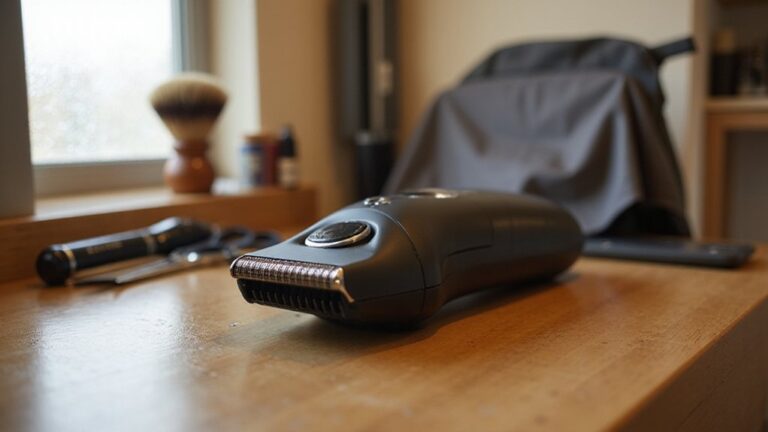
Trimmers offer distinct advantages through minimal cut risk and low irritation potential. Equipped with adjustable guard attachments, they provide controlled length without the spikey stubble stage razors produce. Trimmer advantages include safety for sensitive skin and easier leveled results. For sensitive buttock skin, consider tools with ceramic SkinSafe blades that minimize irritation during grooming. Many beginners find that electric shavers for sensitive skin provide reliable performance without the learning curve of traditional razors. After using either method, apply soothing lotion to calm the skin and maintain moisture balance.
Your choice depends on skin sensitivity and irritation tolerance. If you prioritize smoothness and accept higher maintenance, razors suit you. If you prefer low-irritation grooming with minimal upkeep, trimmers prove superior. Both methods require proper lighting and skin tension for safety.
How to Shave Safely: Step-by-Step Instructions
Proper preparation is essential before you begin buttock shaving, as it greatly reduces irritation, ingrown hairs, and cuts. Start with a warm shower to soften hair and open pores. Clean the area with mild soap and lukewarm water, then exfoliate to prevent ingrown hairs. Dry thoroughly with a clean towel.
Position yourself strategically using a hand mirror for visibility. Disinfect your shaving tools and select a safety razor or trimmer with a low guard. Apply shaving gel and pull skin taut while shaving slowly with the grain in small strokes. Ensure stability during the process to avoid slips or accidents. Consider using specialized body groomers with rounded blades and adjustable guards designed for sensitive contoured areas rather than standard facial razors.
Your post shave routine determines long-term skin health. Rinse gently and pat dry, then apply baby powder to reduce moisture and chafing. Monitor for irritation and exfoliate regularly to minimize regrowth complications. For best results with clippers or trimmers, ensure proper blade spacing and tension before use to maintain optimal cutting performance.

Groom With Total Confidence: Designed with gentle, rounded ends that protect sensitive spots, these cat and dog scissors for grooming help you approach your pet’s face and paws with ease; ideal for beginners who want safer, less stressful home grooming

Compatible with Body Groomer Series BG5XXX, BG7XXX, and BG9XXX
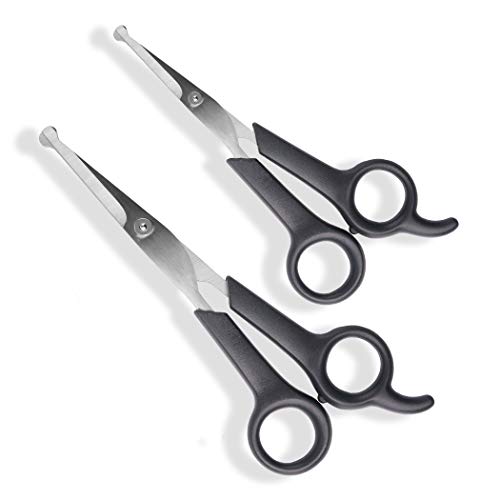
✂ COMPLETE TRIMMING KIT PET SCISSORS - Our Dog Scissors set comes with 1 pair of long dog scissors for trimming body fur, and 1 pair of small dog scissors for doing intricate work on delicate areas such as the face, ear, eye, nose and Paw.
What Can Go Wrong: Injuries, Infections, and Prevention
When you’re shaving your buttocks, you’re not just risking minor nicks—the data reveals significant injury potential. Lacerations account for 61.2% of grooming injuries, while burns comprise 23.0%. The perineum faces particular vulnerability at 13.2% injury rates among female groomers.
Infection risks escalate when cuts compromise your skin barrier. Folliculitis, ingrown hairs, and secondary bacterial infections frequently develop post-grooming. Only 1.4% of injured groomers seek medical attention, yet complications warrant clinical concern. Research spanning 23 years identified an estimated 292,053 hair removal-associated injuries reported to emergency departments, underscoring the widespread nature of grooming-related trauma. Studies indicate that itching occurs in over 80% of groomers following hair removal procedures.
Preventive measures substantially reduce grooming safety hazards. Pull skin taut and use deliberate, small strokes to minimize slips. Apply mild soap and natural shaving cream beforehand. Consider professional waxing, which eliminates repetitive injury risks by removing entire follicles. If you cannot groom safely independently, seek professional assistance rather than risking preventable trauma.
Do Partners Care About Buttocks Grooming?
How much does your partner’s preference actually influence your grooming habits? Research demonstrates that partner expectations greatly shape your grooming decisions. Evidence shows 79% of men shave below the neck monthly, primarily driven by partner preferences rather than personal motivation. Your partner’s openness to anal grooming correlates with increased acceptance of buttocks hair removal. Among men aged 25-34, 73% groom specifically for sexual activity, reflecting partner-influenced grooming trends. Additionally, 71% of straight men in relationships report openness to prostate massage, suggesting grooming extends beyond aesthetics to sexual intimacy preparation. The rising popularity of butt waxing services like butt waxing services further demonstrates how partner expectations drive demand for professional grooming options. These statistics reveal your partner’s preferences considerably impact your grooming choices, making partner expectations a primary determinant of buttocks grooming decisions rather than personal preference alone.
Making Your Choice: Next Steps and When to See a Doctor
Deciding whether to remove buttocks hair ultimately hinges on three key considerations: medical necessity, emotional impact, and personal preference. You’ll want to consult a dermatologist if you’re experiencing folliculitis, ingrown hairs, or persistent discomfort affecting your personal hygiene routine. Medical evaluation becomes essential when hair-related conditions impact your daily functioning.
Beyond medical concerns, assess whether buttocks grooming notably affects your emotional well-being. If insecurity about appearance disrupts your quality of life, removal may benefit you psychologically. However, recognize that natural hair growth in this area is completely normal and optional to address. Professional barbers often use skin-tightening techniques similar to those employed in precision hair cutting to ensure safe and effective grooming in difficult-to-reach areas. For those choosing removal, tools with extendable handles can help reach difficult areas safely. Proper grooming with premium trimmers and skin protection can minimize injury risks like cuts and ingrown hairs that often result from inadequate tools.
Once you’ve evaluated these factors, you can confidently choose your approach—whether temporary methods like shaving or waxing, or exploring professional laser removal for long-term results. Your dermatologist can recommend the safest, most effective option based on your specific situation.