A #1 guard clipper cuts your hair to 1/8 inch, creating a closely cropped buzz with subtle stubble-like texture and faint scalp visibility. You’ll achieve a uniform, sharp look that’s modern and versatile across any hair type or face shape. It’s exceptionally low-maintenance—no daily styling or products needed. The polished appearance adapts perfectly to professional settings and active lifestyles alike. There’s much more to explore about maximizing this cut’s potential.
What Does a Number 1 Guard Look Like?
A #1 guard clipper leaves your hair at precisely 1/8 inch (3mm), creating a closely cropped appearance that’s nearly bald from a distance yet shows visible stubble texture up close. You’ll notice a clean, uniform buzz that covers your entire scalp with faint visibility of skin beneath. The barber techniques required are straightforward—clippers move smoothly across your head in consistent passes, producing that signature stubble-like coverage. Modern trends favor this length for its versatility and sharp appearance. Your scalp remains partially visible, distinguishing it from longer guards like the #2. This cut doesn’t require precise fade techniques unless you’re combining it with lower sides. The result is a sleek, low-maintenance style that works with any hair type and face shape, delivering professional polish effortlessly. Professional cordless hair clippers from brands like Wahl and Andis make achieving this precise length easier than ever. Like other close-cropped styles, proper exfoliation can help prevent irritation and ingrown hairs on sensitive skin. Since minimal maintenance is one of the key benefits, you’ll find that touch-ups are only needed every few weeks depending on your hair growth rate.
How Number 1 Compares to Other Guard Lengths
Now that you understand what the #1 guard produces on your head, it’s helpful to know how it stacks up against other clipper lengths. The #1 leaves 1/8 inch of hair, making it the shortest option in standard guard length comparison. Moving up, the #2 doubles that length to 1/4 inch, reducing scalp visibility considerably. The #3 reaches 3/8 inch and enters crew cut territory for haircut styles. The #4 provides 1/2 inch, allowing texture to show while keeping scalp hidden. Higher numbers like #8 enable longer haircut styles with textured crops and side parts. Your choice depends on maintenance preferences—the #1 demands minimal upkeep but creates a bold, uniform appearance, while longer guards offer more styling versatility and frequent reshaping options. For advanced customization, many trimmers feature taper levers that allow micro-adjustments between standard guard sizes. The #1 guard is particularly popular for fades and buzz cuts because it provides the short foundation necessary for blending multiple guard sizes seamlessly. Like the precision offered by safety razors, clipper guards demand proper technique to achieve optimal results, including maintaining consistent blade angle and applying light, controlled pressure throughout the cut.

ADJUST CUTTING LENGTH: Adjusts the length of the cut to make the haircut simpler. Assist you in creating numerous hairstyles to satisfy your diverse needs. Fits Models-LCL, ML, MLC, US-1

Color Coded: Each guards with a different color and different cutting lengths. Grab quickly based on the identity of color. Please note that the color are randomly assigned.

High Quality: Constructed from robust nylon material. Flexible and sturdy like the original.
When to Choose a Number 1 Cut
You’ll want to evaluate a #1 guard if you’re seeking a low-maintenance haircut that demands minimal daily styling effort. This cut suits best occasions where professional appearance matters without requiring elaborate grooming—corporate offices, military settings, or active lifestyles where time’s limited.
Assess your lifestyle suitability carefully. If you’re constantly on-the-go, travel frequently, or work in physically demanding environments, a #1 delivers practicality. You’ll eliminate daily styling rituals, hair products, and tools entirely. The number 1 guard leaves hair at precisely 1/8 inch, creating a soft shadowed appearance that requires virtually no maintenance while providing a polished, intentional look. To maintain your clipper blades for consistent results, apply specialized clipper oils regularly to prevent friction and blade deterioration. Proper blade maintenance prevents skin irritation and cuts that can occur when dull blades tug at hair.
Consider this cut ideal for summer months when you need cooling relief, or when you want a fresh reset before growing out a new style. It’s perfect if you maintain a beard, creating masculine contrast through textured contrast. Choose a #1 when simplicity, professionalism, and minimal maintenance align with your personal and professional demands.
Styling Options for a Number 1 Guard
Three primary styling approaches—fading, blending, and textured finishing—maximize versatility with a #1 guard cut. You’ll create styling variations by shifting your #1 guard into higher guards on top, producing depth and dimension. The fading down technique uses a #1 guard after a #2 on top for seamless blending throughout your sides and back.
You can also achieve a mid-fade using only a zero guard for touch-up work across your entire fade. For textured finishing, apply point cutting on your front to avoid an angular appearance. Adjusting your lever from open to close creates a smooth transition between guard sizes for gradual fading. For facial hair removal in areas beyond your beard line, consider using cordless face shavers designed specifically for precision grooming. Beard compatibility works seamlessly with #1 cuts—trim your sides with the #1 guard, then edge your mustache with the grain using the same guard for consistency and balance.

Skin Friendly Foil System: Dudes, meet your no-yank zone! These grooming beasts rock precision titanium blades with built-in smart sensing tech – bye-bye beard tugging. The floating head design? Lets your portable razor glide like butter on facial contours. Smooth operator status: unlocked

Multifunctional Grooming: This pet shaver can meet all your grooming needs. It uses a DUAL-BLADE system: a ceramic moving blade paired with a stainless steel fixed blade — the white moving blade is ceramic, which provides excellent cutting performance, but the rounded edge ensures a smooth shave without scratching your pet. 0.7in Narrow Blade and LED Light - Designed for delicate areas like paws and ears..Product Dimensions (Folded): 6.3in x 1.2in.

CLOSE, CLEAN SHAVE: 3 blade free floating system follows facial contours for a flawless finish and includes a middle trimmer to cut difficult hairs along with 2x SensoFoil shaving elements for ultimate closeness and skin comfort
Maintaining Your Number 1 Cut
While a #1 guard cut requires minimal styling effort, proper maintenance guarantees your haircut stays sharp and your scalp remains healthy. You’ll wash your hair every 2-3 days with gentle shampoo to prevent oil buildup without stripping natural oils. Focus cleaning efforts on your scalp rather than the short hair length.
For scalp hygiene, use soft brushes to stimulate circulation and distribute natural oils evenly across your exposed scalp. Your product selection matters greatly—choose non-greasy moisturizers or hair oils to prevent flakiness, especially in dry climates. Apply sunscreen or wear a hat during extended outdoor periods since reduced hair coverage leaves your scalp vulnerable to UV damage. Regular trimming every 2-3 weeks will maintain the shape and ensure your #1 guard cut continues to look defined and intentional. To keep your clipper blades performing optimally, practice lever adjustments and blade maintenance techniques recommended by professional clippers. Finally, maintain your clippers by cleaning blades after each use, applying clipper oil to promote even cuts, and following proper disinfection methods to ensure hygiene between uses.

MOISTURIZING HAIR SCALP TREATMENT – Head & Shoulders Royal Oils Daily Moisture Scalp Cream is a leave-in, daily hair treatment to seal in moisture and prevent flakes and itch*. Use it to wash less, extend the life of your style and have healthy hair and scalp.

Natural Moisturizing Factors + HA For Scalp is a light, milky formula designed to support scalp hydration and help ease discomfort caused by dryness. By utilizing a combination of ingredients that mimic natural moisturizing factors, along with hyaluronic acid and squalane that are naturally produced within the skin, this moisturizing serum helps support the scalp’s barrier without sticking to your hair or weighing it down.

TEA TREE OIL SCALP TREATMENT - Soothe a dry, itchy scalp with a leave in conditioner spray built around tea tree oil. This scalp treatment helps calm itching and flaking, so anti-dandruff relief and daily scalp care come from one bottle.
How Often You’ll Need Number 1 Touchups
Maintaining a Number 1 buzz cut‘s sharp appearance demands consistent trimming every 1-2 weeks, as hair grows approximately half an inch monthly—effectively doubling your guard length within seven days. Your touchup frequency depends on how quickly you notice unevenness. Straight hair requires shorter intervals every 3-4 weeks due to visible growth, while curly or textured hair allows 5-6 week gaps since curls naturally blend edges. Between full barber visits, you’ll need periodic neckline and sideburn trims to preserve clean lines. Home maintenance with a #1 guard clipper prevents loss of definition. For optimal results, consider using precision beard trimmers with powerful motors that handle various hair types without compromising cut quality. Clippers with full hollow grinds provide superior sharpness and cutting efficiency for maintaining your buzz cut definition. Check for uneven spots frequently; even minor hair growth considerably alters your buzz cut’s uniformity. Consistent touchups guarantee you maintain that fresh-cut appeal throughout the month. A skilled barber can analyze your individual hair growth rates and recommend the ideal cutting schedule based on your specific hair type and texture.

Hair Clipper:Heavy-duty gear for proper powerful cut, with stable and steady control. The R shaped rounded edge design prevents from accidentally hurting skin.

High-Grade Nylon Build: Crafted from durable, flexible nylon designed to withstand daily use while providing a smooth, comfortable glide equal to original guards.
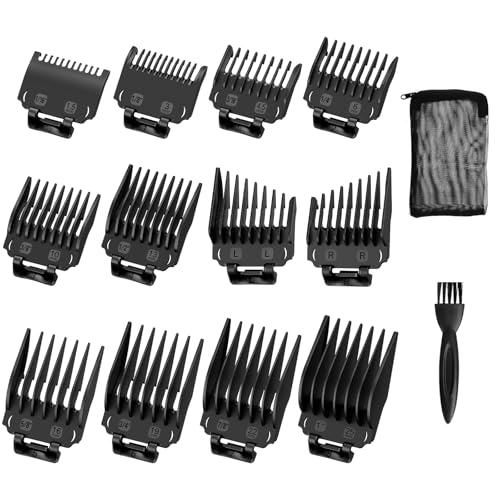
Wide Compatibility: Designed as a replacement for Wahl clipper guards, these guide comb attachments fit most full-size Wahl clipper blades measuring 1.8" x 1.5" (45mm x 38mm). Compatible with many standard Wahl hair clippers. Please confirm your blade size before purchasing.
Pairing Number 1 With Longer Tops for Fades
A Number 1 guard creates the ideal foundation for fade haircuts that shift into longer tops, offering you sharp contrast and clean lines throughout. You’ll cut your top to half-inch length while maintaining the Number 1 guard for precise upper line adjustments. Fade modifications benefit from scissor blending, which seamlessly merges the tight sides into your longer top section.
Your styling approach depends on hair texture. For textured hair, apply point cutting on the front top to avoid a flat appearance and create an outgrown aesthetic. Blow-dry upward and finish with matte clay for definition. If you’re working with uniform hair, texture powder delivers a dry, defined finish. For optimal body grooming results alongside your fade, consider using foil shavers for body hair to maintain clean lines on neck and lower areas. With a Number 1 guard, you’ll need maintenance trims every 3-4 weeks to preserve the sharp fade lines and keep your style looking fresh. Adjusting the clipper angle against the grain enhances cutting effectiveness during the finishing stages. This combination of tight fade and textured top gives you maximum versatility and professional results.

[1/8" Clipper Guard Features] The clipper guards comb for Wahl Trimmer #1-3114-001 with 1/8" (3.0mm) size fits for Wahl full size clippers blades except for competition series blades and 5-in-1 detachable blades.

Complete Wahl Clipper Guards Set: The CR8GR8 Clipper Guards Set includes 4 cutting guides (Length: 1/16", 1/8", 3/16", 1/4"), compatible with most clipper brands, including Wahl Magic Clip Guards. With these options, you can achieve precise trims for various hair types, beards, and styles.
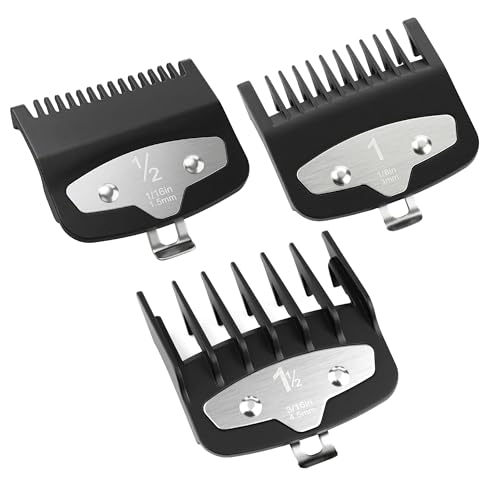
1. Perfect Fit for Full-Size Wahl Clippers: Upgrade your barber tools with premium replacement hair clipper attachments designed specifically for standard 1.8" x 1.5" (46mm x 38mm) blades. Say goodbye to the frustration of incompatible tools! Whether you're a professional stylist executing a precise skin fade or a dad doing Sunday family haircuts, these guide combs perfectly fit popular models like Magic Clip, Senior, Legend, and Super Taper. (Note: Not for small detailer trimmers).