Yes, you can safely shave your face—it’s a common grooming practice that won’t cause hair to grow back thicker or darker, despite popular myth. You’ll minimize risks like nicks, razor burn, and ingrown hairs by shaving on clean, hydrated skin with a sharp, single-blade razor at a 45-degree angle. Apply moisturizer immediately afterward to soothe irritation. However, those with active acne, eczema, or rosacea should consider alternatives. Understanding the nuances of technique and skin type helps you choose the method best suited to your needs.
Is It Safe to Shave Your Face?
How safe is facial shaving really? You’ll find that safety depends on your skin sensitivity and shaving frequency. Razors introduce immediate risks—nicks, cuts, and razor burn that compromise your skin barrier. Multi-blade razors increase ingrown hair likelihood, while single-blade options minimize this concern. Your shaving frequency matters considerably; frequent shaving disrupts natural oils, causing dryness and heightened irritation.
You’re also vulnerable to folliculitis and pseudofolliculitis barbae, where bacteria infect compromised follicles or shaved hairs curl back into skin. If you have active acne, eczema, or rosacea, shaving exacerbates these conditions substantially. The procedure removes facial hairs that naturally distribute protective oils, trapping sebum and potentially clogging pores. Experts recommend shaving after a shower on clean, hydrated skin to minimize infection risks and ensure better glide. For electric razors, establishing a routine maintenance schedule after every shave prevents hair and debris buildup that can compromise skin health. Just as clipper-specific oil reduces friction and prevents damage to grooming equipment, maintaining proper skin care post-shave is equally essential for preventing irritation and infection.
Safe shaving requires proper technique: use single-blade razors, shave with grain at 45 degrees, and apply soothing moisturizer immediately post-shave. Professional consultation becomes essential if you have underlying skin conditions.
Does Shaving Make Hair Thicker?
You’ve likely heard that shaving makes facial hair grow back thicker, darker, or faster—but this claim doesn’t hold up under scientific scrutiny. The myth persists because of an optical illusion rooted in hair biology. When you shave, you cut hair at a blunt angle, creating a stubbly texture that feels coarser than tapered, sun-exposed ends. Regrowth appears darker because you’re seeing the pigmented hair base rather than lighter tips. However, shaving only removes the hair shaft above your skin—it never touches the follicle beneath, which controls thickness, color, and growth rate genetically. Multiple clinical studies, including 1970s dermatological research, confirm no measurable difference in regrowth between shaved and unshaved areas. For those with sensitive skin, using safety razors with gentle performance can help minimize irritation while shaving. Hair typically grows at a rate of half an inch to one inch per month on the scalp and face. Your hair returns to its original texture once it lengthens. Factors like genetics, hormones, age, and health ultimately determine your actual hair characteristics, regardless of how often you shave.
Manual vs. Electric Razors: Which Is Better?
Once you’ve decided to shave your face, you’ll need to choose between manual and electric razors—each offering distinct advantages and drawbacks for facial hair removal. Manual razor benefits include superior exfoliation through single-blade precision and enhanced collagen stimulation for firmer skin. However, manual razors demand proper technique to avoid cuts on sensitive facial skin.
Electric razors prioritize safety with guarded designs that minimize nicks and breakouts from skin trauma. They’re faster and require no fixed shave frequency. Yet electric razor drawbacks include limited long-term efficacy data, reduced exfoliating capability, and potential difficulty handling coarse or curly hair. Additionally, they require regular cleaning to prevent bacterial accumulation and lack precision near delicate eye areas. For those with sensitive skin prone to razor bumps, electric razors with intelligent sonic technology can adapt to beard density and reduce the number of passes needed over facial skin. Manual razors using multi-blade cartridge technology have become popular since the 1960s for their convenience, though they may cause skin tugging with repeated passes. Consultation with a dermatologist is strongly recommended to determine which razor type suits your specific skin needs and conditions.
Your choice depends on prioritizing either deeper exfoliation or enhanced safety and convenience.

GENTLE & PAINLESS: The 2-1 women's hair remover is suitable for daily use to keep up with hair regrowth and leave it smooth, specially designed for use on eyebrows, upper and lower lip, cheeks, chin, and neck. Works on peach fuzz or fine hair. Go slow with circular movements and it will do the job.
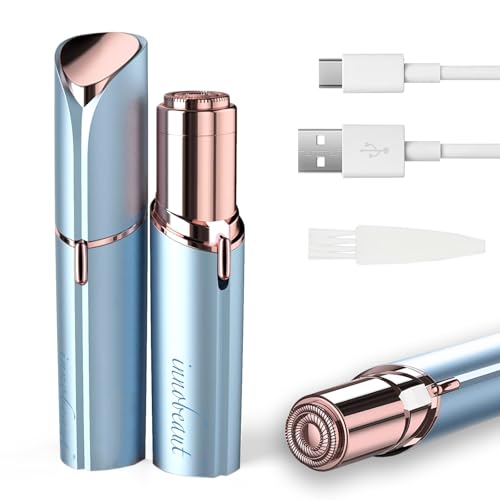
Gentle Facial Hair Remover: This face shaver for women features a rounded low-friction protection head, designed to smoothly glide over skin to trim fine hairs without pulling, nicks, or cuts. It safely shapes stubble on the lip, chin, cheeks, and jawline for a neat, smooth finish.

【Painless Foil Shaver for Sensitive Skin】 – Safe for Private Areas Engineered as the ultimate shavers for women sensitive skin, this hypoallergenic foil shaver prevents cuts and irritation for truly painless shaving. Perfect for bikini area and underarms, it's gentle enough for teens, ladies, and mujer. Delivers Sensitive Shaving for face, legs, and delicate zones without razor burn.
Temporary Facial Hair Removal: Plucking, Waxing, and Eflornithine
While shaving and electric razors offer quick results, temporary removal methods like plucking, waxing, and eflornithine provide longer-lasting alternatives for managing unwanted facial hair. Epilation techniques—plucking and waxing—remove hair from the root, delivering results lasting 2-6 weeks. Plucking suits sparse facial hair on small areas, while waxing targets larger regions like cheeks and upper lip. Sugaring offers a gentler epilation option, adhering to hair rather than skin, reducing irritation for sensitive faces.
Eflornithine (Vaniqa), a 13.9% hydrochloride cream, works differently by slowing hair growth when applied twice daily. It’s FDA-approved for combination use with removal methods, enhancing efficacy specifically for facial hair. Threading, a skilled technique performed by experienced technicians, can effectively remove detailed facial hair while minimizing severe irritation risks. For those seeking precision grooming tools, electric razors designed with sensitive skin settings offer controlled hair removal similar to professional-grade devices. Regular maintenance of grooming equipment, including cleaning after every use, ensures optimal performance and prevents bacterial growth that could compromise skin health.
Since hormonal influences—including reduced estrogen—increase unwanted facial hair in 5-10% to 40% of women, these temporary methods address a significant concern for many.

Sally Hansen STRIPLESS WAX FOR FACE, EYEBROW, AND LIP quickly and effectively removes unwanted facial hair.

WE'RE FAMOUS! Award-Winning Brand featured on CBS News, ABC, NBC, and Cosmopolitan, and viral on your favorite social media platforms.

Gentle for Facial Skin- glee wax strips, Specially designed for facial hair, hair removal strips are gentle and non-irritating-suitable for all skin types, tiras de Cera para depilar.
Permanent Facial Hair Removal: Laser and Electrolysis
For women seeking lasting solutions beyond temporary methods, laser hair removal and electrolysis offer permanent or near-permanent reduction of unwanted facial hair. Laser advantages include shorter treatment duration—sessions last 15-30 minutes—and noticeable results after 2-3 treatments. You’ll achieve 75% hair reduction within six months, with 87% of users reporting satisfaction. Modern lasers safely treat all skin tones and hair colors, causing only temporary side effects like redness and mild swelling that resolve within days.
Electrolysis effectiveness stems from targeting individual follicles to prevent regrowth. While more time-intensive than laser treatment, electrolysis suits lighter hair and darker skin tones particularly well. Professional electrolysis requires specialized disinfectants to maintain hygiene standards between treatments. For those preferring at-home alternatives, hair removal creams offer a convenient option for managing facial hair on a temporary basis. Both methods require 4-8 sessions spaced 3-6 weeks apart, with maintenance treatments annually due to hormonal influences on hair growth. Consulting with a healthcare provider can help identify underlying conditions such as PCOS or menopause that may contribute to excess facial hair.

【Effective IPL Hair Removal】They zap away unwanted hairs at their roots, which significantly slows down regrowth for smoother skin. With 5J/cm² high energy and a 600nm wavelength, the device delivers light deeper into the hair follicles, effectively damaging them to reduce hair growth over time. This offers longer-lasting results compared to shaving or waxing.

Effective IPL Hair Removal: Delivering 5J/cm² energy at 600nm wavelength deep into hair follicles to effectively disrupt growth. Enjoy smooth, hair-free skin with far longer-lasting results than shaving or waxing

❄️ Salon‑Grade Effective Hair Removal & Long‑Lasting Results,Get salon‑worthy hair removal and silky skin right at home. Precision follicle‑targeting technology penetrates deep into hair roots to slow regrowth for enduring smoothness. Follow the scientific routine: 2‑3 sessions weekly for 6‑8 weeks, then perform occasional maintenance treatments to sustain ideal depilation outcomes.
Shave Without Irritation or Ingrown Hairs
How can you minimize razor burn, ingrown hairs, and folliculitis when shaving your face? Proper skin hydration and refined shaving techniques are essential. Begin by hydrating your skin with warm water for three minutes to soften hair follicles, reducing resistance and irritation risk.
Use a sharp, single-blade razor at a 45-degree angle with short, light strokes following your natural hair growth pattern. Hold skin taut with one hand to prevent dragging, which causes nicks and ingrown hairs. Apply minimal pressure throughout—this critical technique greatly decreases folliculitis development. Electric razors are particularly effective for sensitive skin, as they provide a less close shave that helps avoid microscopic nicks.
Rinse your razor after each stroke to maintain blade effectiveness. Select a fresh blade dedicated solely to facial use, as dull blades increase irritation considerably. Safety razors with protective guards offer additional control to minimize irritation for those with sensitive facial skin. Always have HOT SHAVE REPLACEMENT BLADES on hand to ensure you’re using sharp tools for optimal results. After shaving, immediately apply alcohol-free moisturizer and use ice to reduce inflammation.
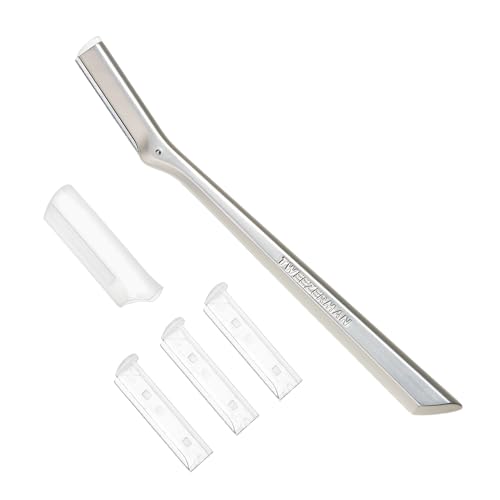
‘Allure Best of Beauty 2023 Winner’ - This facial razor provides easy removal of peach fuzz and gentle exfoliation of dull, dead skin.

Premium in quality and superior in performance, Tweezerman's facial razor provides easy removal of peach fuzz while gently exfoliating skin.

SMOOTH SHAVE WITH ZOMCHI FACIAL RAZOR: ZOMCHI's new and improved exfoliating and dermaplaning tool delivers a strong and lasting performance to shape your eyebrows, remove fine facial hairs, and smoothen your skin. Designed for both men and women, it ensures your face gets the best care with long-lasting results
Cost and Timeline: Temporary vs. Permanent Methods
When you’re deciding between temporary and permanent facial hair removal, cost and duration become pivotal factors in your selection process. Your cost analysis reveals significant disparities: temporary methods like razors and creams range from $7 to $41, while electric devices cost approximately $200. Permanent solutions—epilators and laser devices—range $150–$600 but eliminate repeat purchases.
Temporary methods require frequent replacement. Dermaplaning results last two weeks, necessitating consistent repurchasing. Your product comparison shows manual razors remain cheapest initially, though women pay 47–66% premiums versus men’s pricing. Advanced electric devices like the BraunIPL Skin i·expert offer smartphone app connectivity for enhanced convenience during treatment sessions.
Permanent methods demand higher upfront investment but deliver long-lasting results within single sessions. Epilators and laser devices provide extended hair-free periods, reducing lifetime expenses despite initial costs. Consider your budget timeline: temporary methods suit short-term solutions, while permanent options optimize long-term financial efficiency.

2 in 1 Facial Hair Remover and Eyebrow Trimmer for Women: This hair removal device is effective for removing peach fuzz and fine hairs around the eyebrows, chin, and upper lip. With a single glide, it gently on the skin while effectively removing unwanted hair on both the face and eyebrow.

Gentle and Painless: Gurelax women facial hair remover fits the contours of your face to gently glide over skin to trim hair without pulling for a smooth complexion without stubble, nicks or redness. Facial hair remover’s rounded low-friction protection heads prevents skin damage.
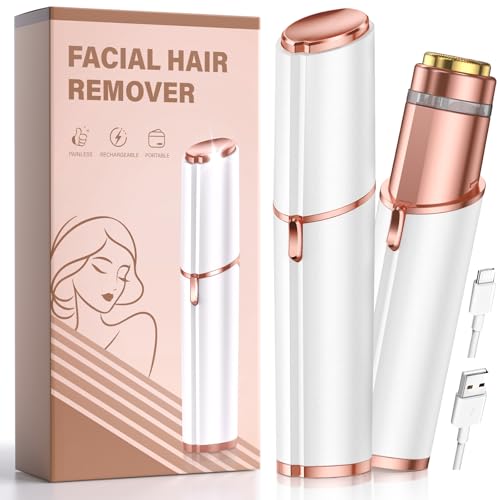
Precise & Effective Facial Hair Remover - Erase peach fuzz on lips, chin, neck, and cheeks effortlessly. Prep skin like a pro: gently rotate against hair growth direction before makeup for 3x better foundation adherence and 15-minute shorter routine.