You’ll safely remove nose hair using an electric trimmer with protective guards and stainless steel or ceramic blades. Start by dampening hairs and ensuring bright lighting. Insert the trimmer no deeper than half a centimeter, using gentle circular motions from outer edges inward. Remove only visible, protruding hairs to preserve protective nasal hair. Avoid plucking, waxing, and depilatories, which risk follicle damage and bacterial infections. Clean your trimmer after each use and replace blades every six to eight months. Establishing a consistent routine every two to four weeks maintains ideal results and respiratory health—understanding the specifics of each step considerably improves your outcomes.
Why Method Matters Most
When you’re choosing how to groom your nose hair, the method you select directly impacts your safety, comfort, and long-term nasal health. Electric trimmers represent the gold standard because they avoid pinching, yanking, and skin trauma that manual alternatives introduce. Your nose contains delicate mucous membranes requiring protection—waxing risks intense pain and tissue damage, while tweezers carry substantial injury risks you’d want to avoid entirely.
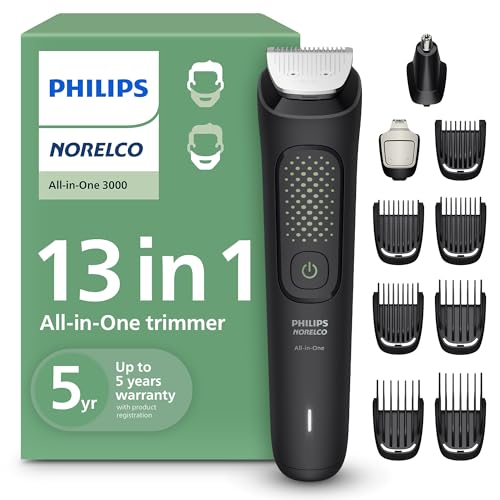
Trimming maintains the critical balance between grooming aesthetics and preserving nasal function. Nose hair defends against environmental debris and bacteria, so complete removal leaves you vulnerable to infection. Electric trimmers deliver speed and precision without compromising this protective mechanism. Specialized nose hair trimmers like the Philips Nosetrimmer Series 5000 are designed with protective guards to ensure safe and controlled grooming. For sensitive areas and full-body grooming needs, skin-friendly trimmer tools minimize irritation and avoid razor burn while maintaining comfort. By prioritizing trimming over aggressive methods, you safeguard both your appearance and your respiratory health simultaneously. For those seeking versatile grooming solutions, all-in-one trimming devices can handle multiple body areas with the same precision and care applied to nasal hair removal.
Choose the Right Nose Hair Trimmer
Selecting an appropriate trimmer requires understanding the critical differences between blade types, power sources, and protective features that determine both effectiveness and safety. Linear blades provide superior control for nose hair, while rotary blades excel for ear hair trimming. You’ll find dual-sided steel blades in Philips models eliminate tugging during use.
Battery types greatly impact your trimmer’s practicality. Lithium batteries in the Philips Norelco 3000 deliver 30 minutes of continuous operation, whereas USB-rechargeable options like the Manscaped model offer 45 minutes per charge. AA battery-powered trimmers provide immediate usability without charging delays. The hypoallergenic steel cone featured in premium rechargeable trimmers further enhances safety during regular use.
Protective features matter equally. You should prioritize models with vacuum systems or protective cones that prevent skin contact. Water-resistant designs enable rinseable maintenance, extending trimmer longevity. Many leading trimmers feature rounded blades for safety to minimize cuts and irritation. High-quality trimmers designed specifically for nose and ear hair reduce the risk of ingrown hairs and contribute to a more polished appearance. Budget-conscious users find excellent options under $15, while premium models at $45 justify higher costs through advanced trimmer features and expert endorsements.

SAFE NASAL PROTECTION: Designed as a safe alternative to sharp scissors or painful tweezers. The ROYAL manual trimmer features precision rotary blades engineered to trim inside the nose cleanly without pinching, scratching, or causing cuts to sensitive nasal walls.

Trim unwanted nose, ear and brow hair with the Philips Norelco Nose Trimmer 3000

Multipurpose Trimmer - Perfect for facial hair detailing with the detail & rotary heads; great for any area needing light hair removal such as nose, ear, brow, sideburn, toes, & touch-ups on the neckline
Why Plucking, Waxing, and Depilatories Backfire
While nose hair trimming offers a safe removal method, plucking, waxing, and depilatory creams introduce significant medical risks you’ll want to avoid. Plucking dangers stem from follicle damage, creating microscopic wounds where bacteria proliferate. You’ll develop nasal vestibulitis—an infection causing bumps and discomfort—that can escalate to cellulitis with redness and swelling.
Waxing risks mirror plucking complications, frequently triggering ingrown hairs. These follicitis concerns manifest as pus-filled, painful bumps from bacterial growth in inflamed tissue. Depilatory creams chemically damage follicles similarly, initiating infection pathways. Trimming does not cause hair to grow back thicker or faster, making it the gentler choice for your grooming routine. For safe body grooming, consider using body grooming tools specifically designed to prevent the complications associated with other hair removal methods. To maintain your trimmer in optimal condition, ensure proper cleaning and disinfection with 70% isopropyl alcohol after each use.
Inflammation issues from any removal method can progress to nasal furunculosis—deep follicle infections with severe swelling. Untreated infections risk bloodstream entry, potentially causing life-threatening sepsis. The nasal cavity’s proximity to cerebral veins makes these complications particularly dangerous, warranting safer trimming approaches instead.
Prepare Your Nose and Workspace for Safe Trimming
Begin your nose preparation by blowing your nose forcefully to clear debris and mucus. This eliminates interference during trimming and reduces discomfort. Next, lightly dampen your nostril hairs with a washcloth—wet hairs separate more easily, facilitating precise cutting without pulling.
For workspace organization, position yourself under bright lighting to maximize visibility. Push your nose upward with your non-dominant hand to fully expose nostril interiors. Gather your electric trimmer with protective guards, rounded-tip scissors, washcloth, and antiseptic solution beforehand. Arrange these tools on a clean surface within reach. Electric trimmers with protective guards prevent accidental cuts and ensure safer operation during the trimming process. Consider using models with adjustable combs for customizable trimming lengths that accommodate different hair densities. Holding your trimmer at a 90-degree angle with a light grip, similar to how you would hold a computer mouse, helps maintain control and precision throughout the trimming process.
This methodical preparation minimizes irritation risk and guarantees ideal trimming conditions.
Safe Trimming Technique: Step-by-Step
You’ll need to master five critical components to trim safely and effectively: positioning your head and nostrils, inserting the trimmer with precision, executing controlled motions, limiting the scope of trimming, and finishing with proper maintenance.
Begin by tilting your head back slightly and opening nostrils wide for ideal visibility. Insert the trimmer no more than half a centimeter into each nostril, maintaining a comfortable angle against the walls. Turn on the device and employ small circular rotations, working from outer edges toward the center using short, controlled movements—an advanced trimming technique that captures stray hairs effectively.
Avoid common trimming mistakes: don’t push the trimmer too deep, and don’t remove all protective nasal hair. Target only the thickest, most visible hairs protruding from nostrils. Finally, blow your nose thoroughly to expel loose hairs and clean the blades according to manufacturer specifications. Linear blade trimmers offer more control for nose hair trimming compared to rotary alternatives. Electric trimmers designed with protective guards limiting blade contact help prevent irritation and micro-trauma to delicate nasal tissue. To prevent irritation and infection, rinse nostrils with saline spray and apply a lightweight, fragrance-free moisturizer after trimming.

【Versatile Trimming Tool】 Made of high-quality stainless steel, this cordless Ear and Nose Hair Trimmer can effectively and comfortably remove unwanted hair from your nose, ears, eyebrows, beard, and face. One-button design is easy to use and suitable for men and women. Let you show the most confident side anytime, anywhere.
Full Metal Blades: Self-sharpening blades stay as sharp as day one and require no oiling for precise, low-maintenance grooming

【Versatile Trimming Tool】 Made of high-quality stainless steel, this cordless Ear and Nose Hair Trimmer can effectively and comfortably remove unwanted hair from your nose, ears, eyebrows, beard, and face. One-button design is easy to use and suitable for men and women. Let you show the most confident side anytime, anywhere.
Mistakes That Cause Nicks and Irritation
Improper tool selection and technique represent the primary causes of nasal trauma during hair removal. You’ll encounter significant risks when using household scissors, which cut delicate nasal skin effortlessly and create unseen internal cuts. Tweezers cause painful hair extraction with infection potential.
Poor trimmer selection compounds these dangers. You expose yourself to rust, allergies, and uneven cuts with cheap blades that yank rather than cut cleanly. Lack of rounded tips results in scratches against sensitive tissue. Removing too much nose hair can increase sinus infection risk, so restraint is essential during grooming. For optimal safety, select trimmers with stainless steel heads that provide biocompatibility and durability. Sharp blades designed with minimal passes reduce repeated trauma to nasal tissue and improve cutting efficiency.
Your trimmer selection matters critically. Choose stainless steel or ceramic blades with protective guards specifically designed for nasal use. Avoid multi-purpose tools without verification of suitability.
Technique errors prove equally problematic. You’ll cause pain and nicks by applying excessive pressure or inserting the trimmer too deeply. Guide the device gently at proper angles, allowing blades to work without force.
Clean and Maintain Your Trimmer Properly
Selecting the right trimmer and mastering proper technique prevents damage, but maintaining your device guarantees it continues performing safely and effectively. Clean your trimmer after each use by rinsing blades under running water and applying gentle detergent to remove hair and debris. Use a soft brush to access tight areas, then rinse thoroughly to eliminate soap residue. Dry completely with a clean cloth before storage to prevent bacterial growth and odors.
For blade care, apply lubricating oil weekly to maintain peak sharpness and prevent rust. Store your trimmer in a dry location away from moisture. Regular maintenance with removable blades makes cleaning easier and more thorough, significantly improving hygiene standards for sensitive nasal passages. Like professional foil shavers that require long battery life management, nose hair trimmers benefit from consistent upkeep routines. Proper trimmer hygiene and consistent blade care extend device lifespan while ensuring safe, hygienic operation for sensitive nasal passages.

These shaver brushes feature a double-sided design, soft bristles, can be used to remove beard debris and dust, keeping the blades clean so they last longer.

1.Package include:4 x Replacement Heads with internal blades+1 cleaning brush

Package include: 8 pieces of black double-sided razor trimmer shaver cleaning brushes are included in this package, each brush is approx. 2.45 x 0.5 inches, soft bristles and durable quality make it easy to clean, very suitable for travel or normal use at home or barber
When to Replace Blades and Why It Matters
How can you tell when it’s time to replace your nose hair trimmer blades? Watch for hair pulling, tugging, or incomplete trimming—signs of dulling that accelerate with coarse hair. You’ll also notice increased operational noise and performance degradation. Visually inspect for discoloration, rust, or bent teeth.
Blade lifespan varies by material: standard stainless steel requires replacement every 6–8 months, while graphene composite blades last 2–3 years. Your usage frequency and maintenance quality directly influence replacement intervals. Just as carving devices need replacement every 6–12 months due to precision work demands, nose hair trimmers benefit from attention to their specific grooming requirements. Like shavette blades, nose hair trimmer blades require regular assessment to maintain optimal cutting performance. Proper blade maintenance is especially important for those with sensitive skin, as dull blades can cause irritation similar to the razor bumps and ingrown hairs that result from inadequate shaving equipment.
Replacing blades promptly mitigates significant hygiene risks. Dull, rusty blades harbor bacteria and cause tissue irritation through pulling and scratching. Graphene blades resist corrosion and bacterial accumulation better than traditional metal. Regular replacement maintains peak hygiene standards and prevents secondary infections from contaminated equipment in your delicate nasal passages.

Package included: 5 x Nose Hair Trimmer Heads

WEED WHACKER 2.0 REPLACEMENT BLADE: Our replaceable SkinSafe blade is engineered to safely and easily trim hair while promoting optimal hygiene. *Not compatible with Weed Whacker 3.0

Universal Compatibility: These replacement clipper blade heads are perfectly compatible with all nasal hair trimmers, ensuring a seamless fit for easy replacement. It is recommended to replace the head every 2-3 months for optimal performance.
Keep Your Trimming Routine Consistent and Safe
Since improper technique can compromise both safety and efficacy, you’ll want to establish a methodical trimming schedule that minimizes risk while maximizing results. Consistency prevents overgrowth and reduces the temptation to trim excessively, which can damage protective nasal hairs. Develop effective maintenance by trimming only visible, protruding hairs at regular intervals—typically every two to four weeks, depending on your growth rate.
Maintain your routine by adhering to proper insertion depth, using circular motions, and employing specialized tools with safety guards. Clean your trimmer thoroughly after each use to prevent bacterial accumulation, and apply a single drop of low-viscosity mineral oil to the blades periodically to ensure smooth operation and longevity. Just as straight razors require stropping and maintenance to preserve their cutting performance, nose hair trimmers benefit from regular blade care and cleaning. Remember that nose hair acts as a mechanical filter against pollutants, bacteria, and viruses, so preserving some length is essential. Avoid alternative removal methods like waxing or tweezing, which create infection risks. By following these consistent practices, you preserve your nasal cavity’s natural filtration function while achieving desired cosmetic results safely.

2-in-1 Multifunctional Hair Trimmer: Made of high quality stainless steel sharp blade, Yunmiss nose hair trimmer can effectively and comfortably remove unwanted hair from your nose, ears, eyebrows and face. To meet your different needs in a device implementation

2 Interchangeable Heads & Multi-Purpose Grooming for Men:Designed for men’s daily grooming, this black nose hair trimmer comes with two interchangeable heads for trimming nose hair, ear hair, eyebrows, beard edges, and unwanted facial hair. One tool meets multiple grooming needs, helping men maintain a clean and confident appearance

【Versatile Nose Hair Trimmer Men】-This ear and nose hair trimmer can effectively and comfortably remove unwanted hair from your nose, ears, eyebrows, beard, and face. One-button design is easy to use. Let you show the most confident side anytime, anywhere.