You’ll save over $600 in five years switching to safety razors from cartridges. Single-blade designs reduce razor burn risk by 17.3% and minimize skin irritation through cleaner cuts requiring fewer passes. While you’ll face a learning curve mastering blade angle and pressure control, maintenance costs drop dramatically—safety razor blades cost mere cents versus $2–$4.20 per cartridge. Plus, you’re eliminating 2 billion plastic razors annually clogging landfills. Understanding which system truly aligns with your skin’s needs requires examining the complete performance data.
Initial Cost vs. Long-Term Savings
When you’re weighing safety razors against cartridge razors, the upfront expense tells only part of the story. You’ll invest $50–$110 in a complete safety razor setup, whereas cartridge systems cost just $15–$30 initially. However, this upfront costs disparity reverses dramatically over time.
Your first-year safety razor expenses total approximately $128, while cartridge razors reach $219 annually. By year two, you’ll spend $58 with safety razors versus $231 with cartridges—a $173 gap.
The long term value becomes undeniable: safety razors deliver $58.90–$150 in annual savings after the initial investment. Since handles last 5–50 years and blades cost merely $10 annually, you’ll recoup your upfront investment within months and maintain considerably lower costs indefinitely. Different blade quality options, such as Astra Superior Platinum or Feather Hi-Stainless, can influence both performance and replacement frequency based on your skin type and shaving needs. Quality safety razors like the Merkur 34C provide consistent performance that maximizes your long-term savings potential. The long-term efficiency of safety razors demonstrates that variables affecting expenses such as blade quality and replacement frequency should be considered when making your grooming choice.


Model Number: ASTRA01

Sharp and Precise- Highest quality edging blades for a precise and clean shave.
One Blade or Many? How Each Affects Your Skin
Beyond the financial advantages of safety razors lies a more immediate concern: how each razor type affects your skin’s health. Your blade performance directly determines irritation prevention. Single-blade safety razors cut hair cleanly at skin surface, requiring fewer passes and minimizing micro-abrasions. Multi-blade cartridges, conversely, drag repeatedly across your skin, elevating erythema risk by 17.3% immediately post-shave. Research shows safety razors produce 40.3% erythema incidence versus 57.6% for cartridges.
Your skin sensitivity depends on maintenance requirements and product choice. Cartridge blades trap bacteria between layers, degrading user experience over weeks. Safety razors fully disassemble for thorough cleaning, promoting hygienic shaves. Additionally, avoiding chemical glide strips enhances irritation prevention. The single sharp blade design reduces the tugging and scraping that multi-blade systems cause, further supporting healthier skin outcomes. For those interested in alternatives, hair removal creams offer another option beyond traditional shaving methods. The meditative ritual of traditional wet shaving encourages users to invest more attention in their grooming process. Strategic shaving technique combined with quality creams maximizes cost effectiveness while protecting your skin’s integrity.

Precision Shaving for a Smooth, Close Shave: Achieve a precise, close shave with our single blade safety razor designed for men's facial shaving and women's body grooming. The closed comb safety razor head glides smoothly along skin contours, helping reduce tugging and pulling. Enjoy a classic wet shaving experience that's perfect for both beginners and experienced shavers

Natural Bamboo Grip: Experience comfortable shaving with a double edge safety razor featuring a natural bamboo handle that provides warmth and anti-slip texture even with wet hands. The 5.93-ounce weighted metal head maintains precise blade angle control, letting gravity do the work for a smooth, close shave without added pressure

Smooth, Close Shave for Men & Women – Engineered as a single blade razor for men and women, it minimizes ingrown hairs and irritation. Experience a superior shave with this classic safety razor.
Safety Razor vs. Cartridge: The Learning Curve
How steep is the adjustment from cartridge razors to safety razors? The learning curve centers on mastering three critical variables: angle maintenance, pressure control, and stroke strategies.
You’ll need to maintain a consistent 30-degree blade angle—the primary technical hurdle. Hold your handle nearly perpendicular to skin and rock gently until hair releases. Beginners benefit from adjustable razors that enforce minimum angles automatically.
Next, unlearn pressure application entirely. Apply zero pressure; gravity alone powers the blade. This pressure control shift prevents nicks and reduces irritation compared to cartridge razors.
Your stroke strategies should emphasize short 1-3cm passes with overlapping coverage. Stretch skin taut, shave with grain first, and alternate blade sides. DE blades are kinder to the skin as they cut hairs cleanly without pulling or dragging, making this grain-first approach particularly effective. Safety razors offer greater control over angle and pressure, which enhances your ability to execute these precise techniques consistently. Regular maintenance with clipper-specific oil and proper cleaning techniques can similarly extend the life of your shaving tools.
Finally, refine lathering methods through the bowl-and-lather technique using circular brush motions. This prep ritual identifies grain direction and enhances glide.
Most users master these learning techniques within weeks through consistent practice.
Blade Lifespan and Replacement Costs
Once you’ve mastered the technical fundamentals, the economics of blade replacement become your next consideration. Safety razor blades cost pennies per replacement, while cartridges run $5-8 each—a significant financial disparity. Your blade longevity depends on hair thickness, material quality, and user technique. Double-edge blades last 3-7 shaves; cartridges average 10 before dulling. Coarse hair shortens both lifespans considerably. Maintenance tips like proper cleaning extend performance and improve cost efficiency. Annual cartridge expenses reach hundreds, whereas safety razors demand minimal ongoing investment. Your replacement frequency directly impacts user satisfaction and environmental impact. Superior material quality and grinding enhance durability across both systems. Electric razors offer an alternative approach with good battery life and extended durability for those seeking different shaving technologies. Optimizing shaving experience requires understanding how your specific hair thickness and technique influence replacement cycles, ultimately determining true cost-benefit outcomes. Safety razor bodies can last a lifetime with proper care, making them a superior long-term investment compared to disposable alternatives.
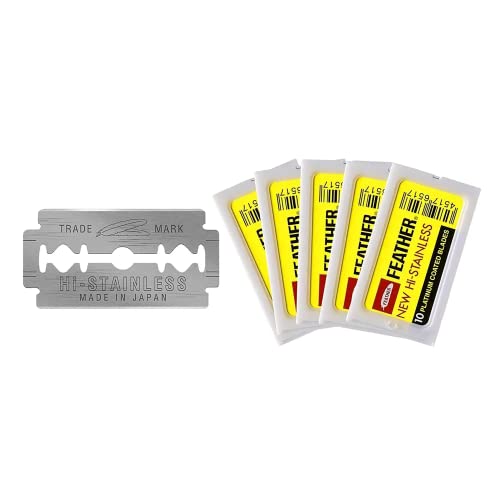
Fifty Count Of Double Edge Razor Blades; Our Razors For Men Feature A Fifty Count Of Double Edge Razor Blades; Feather Razor Blades Are Extremely Sharp And Will Give You A Great Shaving Experience

50 Gillette Saloon Double Edge Razor Blades

Premium Stainless Steel: Dorco razor blades are crafted from high-grade stainless steel, delivering a smooth and effortless shave.
Razor Burn and Irritation Risk: A Skin-Impact Comparison
While you’re weighing the financial advantages of safety razors, skin irritation represents a critical health consideration that directly impacts your shaving experience.
Razor burn causes stem primarily from excessive epidermal removal. Cartridge systems with multiple blades remove considerably more skin per stroke than single-blade alternatives, leaving your upper layers defenseless against irritation. Dull blades—regardless of razor type—compound this damage through increased friction and tugging.
For irritation prevention, safety razors excel through their fixed blade angle and single-pass design, minimizing trauma to facial skin. Cartridge razors pull hair below the surface sequentially, increasing ingrown hair risk and razor bumps, particularly with textured hair. The absence of abrasive glide strips on safety razors eliminates harmful chemical exposure that can further compromise skin health. Electric razors with intelligent Sonic Technology offer another option for sensitive skin by adapting to beard density and reducing the number of passes needed. Models like the Braun Series 9 are specifically engineered for individuals prone to skin sensitivity.
Chemical lubricating strips on cartridge blades further irritate compromised skin post-shave. You’ll experience less redness, fewer bumps, and superior overall skin health with safety razors when maintaining proper technique and blade sharpness.
How Long Do They Last? Handle Quality and Maintenance
Because durability directly impacts your total cost of ownership, understanding handle longevity separates these razoring systems fundamentally.
Safety razors feature stainless steel or chrome construction designed for lifetime durability. You’ll invest upfront in a heavier, more solid handle that requires minimal maintenance effort—just rinsing after use and periodic cleaning. With no moving parts, failure points remain virtually nonexistent, making indefinite use realistic. These durable materials ensure that safety razors last decades when properly cared for. Regular maintenance after each use, similar to beard trimmer care routines, extends the life of your razor through simple hygiene and performance practices.
Cartridge handles, conversely, utilize plastic or lightweight metal materials engineered for multi-month lifespans. You’ll face repeated replacements as these handles degrade within months, compounding costs considerably. While maintenance effort appears minimal, the frequent full replacements negate any convenience advantage. For those with sensitive skin concerned about irritation from frequent razor changes, electric razors may offer a gentler alternative to traditional cartridge systems.
Your handle material choice determines whether you’re making a one-time investment or committing to ongoing expenses. Safety razors eliminate replacement cycles entirely through superior construction.
Environmental Waste: Why Billions End Up in Landfills
Every year, you’re complicit in a staggering environmental crisis: approximately 2 billion plastic razors end up in U.S. landfills annually, with global disposal rates sufficient to encircle the earth six times over. These mixed-material products resist recycling due to their composition of plastic, metal, lubricating strips, and adhesives—making them economically unfeasible to process. The plastic decomposition timeline stretches approximately 1,000 years, creating persistent landfill impact. As razors degrade, they release microplastic contamination into soil and groundwater. Microplastics subsequently infiltrate wastewater systems, contaminating 83% of global tap water samples. Marine ecosystems suffer severe consequences when millions of razors enter oceans annually, causing injury and ingestion-related deaths among sea turtles and dolphins. An average individual discards 40-50 razors annually, significantly accelerating the accumulation of waste in landfills. Switching to safety razors represents meaningful waste reduction, while maintaining scalp health requires consistent daily moisturization and proper grooming practices to prevent irritation during the transition, including techniques like using short strokes without forcing the blade to minimize skin damage.
Which Razor for Your Skin: Safety or Cartridge?
How you shave directly impacts your skin’s health and resilience. Your choice between safety and cartridge razors fundamentally affects irritation levels across different skin types.
Safety razors deliver superior results for sensitive skin. The single blade minimizes repeated stress, reducing redness and razor bumps that cartridges cause through multi-blade passes. You’ll experience fewer micro-abrasions and lower ingrown hair risk when using proper shaving techniques with a safety razor.
Cartridge razors pose significant risks. Their multiple blades drag across skin, removing upper layers and leaving vulnerable tissue exposed. Chemical lubricating strips irritate further, compounding damage. Safety razors are easy to clean and maintain, which reduces bacterial growth and ensures a hygienic shave every time.
For curly or reactive skin types, safety razors prove ideal. A sharp blade with minimal pressure achieves close shaves without tugging or pulling. Consider models with stainless steel construction and biocompatible materials that minimize irritation on reactive skin. Safety razors provide better control compared to disposables, allowing for precise shaving on sensitive areas. You’ll require quality shaving cream instead of chemical strips, but this investment protects your skin’s integrity long-term.

THE PERFECT SHAVE: Make skin irritations and ingrown hair a problem of the past. With the double sided razor, you will achieve the closest shave effortlessly.

THE PERFECT SHAVE: Make skin irritations and ingrown hair a problem of the past. With the safety razor for women, you will achieve the closest shave effortlessly.
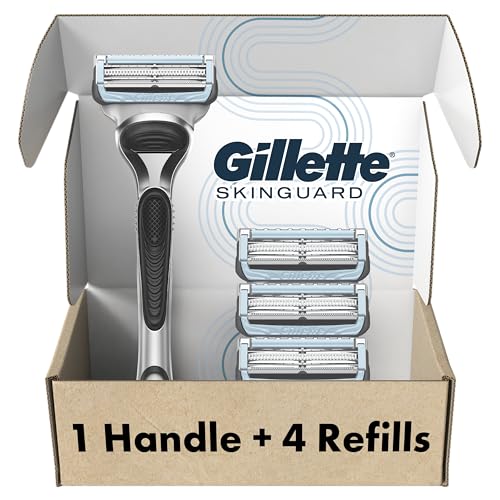
Clinically proven for sensitive skin
The Value Winner Over Five Years
While skin health forms the foundation of your shaving choice, the financial implications deserve equal attention. Over five years, you’ll spend over $600 on cartridge systems versus under $100 for safety razors post-initial investment. Your total cost calculation reveals a stark contrast: cartridge replacements at $2–$4.20 each compound quickly, reaching $66–$182 annually. Safety razor blades cost merely $0.10–$0.50, translating to $10–$18.25 yearly. Even accounting for the $24–$80 upfront wet-shaving setup, your future savings eclipse $500 within five years. Safety handles last 10–50 years, amortizing initial expenses across decades. Budget-conscious shavers can find excellent affordable safety razor options starting as low as $14 for reliable performance. For optimal results, selecting a closed-comb design provides forgiveness while maintaining the cost advantages of safety razors. The environmental impact is also significant, as safety razor blades are typically stainless steel and easier to recycle compared to cartridge razors made from mixed materials that often end up in landfills. Cartridge mechanisms degrade within two years, forcing costly replacements. The data conclusively favors safety razors for long-term financial optimization.

𝐋𝐎𝐍𝐆, 𝐊𝐍𝐔𝐑𝐋𝐄𝐃 𝐇𝐀𝐍𝐃𝐋𝐄: MERKUR 23C has a long, textured handle that provides a strong grip and excellent control, especially for someone with large hands. Its three-piece design offers easy cleaning and lasting durability. It's loved by millions and is one of our most popular single blade razors for men.

THE HANDLE: We design all of our products to be long-lasting, and this handle is no exception. The modern handle options include classic chrome, rose-gold metal, faux tortoiseshell, and black chrome.

THE PERFECT SHAVE: Make skin irritations and ingrown hair a problem of the past. With the eco safety razor, you will achieve the closest shave effortlessly.