You’ll master your Bambaw safety razor by assembling the head securely, prepping skin with warm water and shaving cream, then holding the blade at a 30-40° angle with minimal pressure. Execute three passes: with the grain, across the grain, then against the grain for utmost closeness. Rinse your blade frequently, keep skin taut, and maintain discipline in technique. After shaving, rinse thoroughly, dry completely, and store in a cool, dry location. Replace your blade every two to four weeks for ideal performance. Understanding proper maintenance guarantees your razor delivers irritation-free shaves for years.
Unbox and Assemble Your Bambaw Razor
You’ll need to carefully remove the base from your Bambaw’s unique packaging design to access the razor components inside. The packaging emphasizes safety instructions, so handle the contents with care throughout extraction. Once you’ve removed the base, you’ll expose the razor slot and reveal pre-separated components ready for assembly.
Your razor includes a handle and head assembly designed for double-edged blade use. Identify the slot in the head where you’ll insert the blade, ensuring proper alignment within the grooves. Align the head with the handle’s threading and screw it on without excessive force—tighten sufficiently but avoid overtightening, which can strip threads. The three-piece design of your Bambaw razor ensures optimal stability during assembly. Unlike cordless electric trimmers that require USB-C charging and battery maintenance, safety razors offer a mechanical alternative free from electronic components.
After assembly, verify blade security and confirm the head-handle connection is firm. For optimal hygiene, disinfect your razor with 70% isopropyl alcohol applied to the blade and head before first use. Packaging safety and proper razor assembly are essential for peak performance and user protection.

Sharp and precise – These double edge razor blades are designed to be sharp and precise to provide you with the ultimate shaving experience. Say goodbye to ingrown hairs, irritation and razor bumps thanks to these safety razor blades.

Model Number: ASTRA01

THE PERFECT SHAVE: Make skin irritations and ingrown hair a problem of the past. With the double sided razor, you will achieve the closest shave effortlessly.
Prep Your Skin for a Close Shave
Before you begin shaving with your Bambaw safety razor, properly preparing your skin is essential for achieving a close, comfortable shave while minimizing irritation and cuts.
Start by cleansing your face and neck with a face-specific cleanser to remove dirt and excess oil without stripping protective oils. Next, apply warm water for one to two minutes to open your pores and soften beard hairs. Different skin types benefit from tailored approaches—consider using pre-shave oil if your skin needs extra lubrication. If you have sensitive skin, be especially mindful of your preparation routine to reduce irritation. Setting aside time for a calm and focused shaving ritual ensures you can concentrate on proper technique and achieve the best results. Similar to how precision is essential when using professional shears rather than alternatives, selecting the right shaving tools and products makes a significant difference in your grooming outcomes.
Apply a high-quality shaving cream using a brush to create thick lather and lift hairs from your skin. Let the lather sit for thirty seconds to one minute. Straighten contoured areas like your jawline to reduce cuts. These shaving techniques guarantee ideal blade glide and a superior shaving experience.
Master Your Razor’s 30-40° Angle and Pressure
Now that your skin is properly prepared and lathered, mastering the correct angle and pressure with your Bambaw safety razor is what separates an irritating shave from a smooth, comfortable experience.
Hold your razor at a 30-40° angle to your skin’s surface. This angle consistency guarantees the blade glides smoothly without cutting skin. Maintain this angle across all strokes for ideal results.
For pressure management, apply minimal force and let the razor’s weight do the work. Excess pressure causes razor burn and irritation. Instead, use a light touch with short strokes, shaving with the grain. A sharp blade will perform better and require less pressure to achieve optimal results. Using a sharp blade also reduces skin irritation and promotes healthier skin compared to multi-blade systems that can tug and scrape delicate skin layers. Single-edge safety razors like yours avoid tugging and irritation through their precise cutting action, making them superior to cartridge razors for preventing razor bumps.
Rinse your blade after every few swipes to maintain sharpness and performance. Keep your technique disciplined: taut skin on bony areas, consistent angle, and gentle pressure yield a closer, irritation-free shave every time.
The Three-Pass Shaving Sequence
A proper shave with your Bambaw safety razor relies on three distinct passes, each targeting different hair depths and angles to achieve a smooth, irritation-free result.
Your first pass follows the grain (WTG), removing the majority of hair with minimal pressure. After rinsing and re-lathering, you’ll perform your second pass across the grain (XTG) at a 90-degree angle for noticeably closer results. Most shavers find this sufficient for their needs. This two-pass approach balances closeness with comfort, as multi-blade cartridges often cause more irritation due to their aggressive design.
The third pass against the grain (ATG) delivers maximum closeness but requires experience to avoid irritation. Reserve this for stubborn areas or special occasions. Hold the razor at a 30-40 degree angle from the skin during each pass to maintain optimal blade contact and reduce the risk of nicks.
Between passes, assess your stubble and skin condition before deciding whether to continue. Master these shaving techniques and razor care practices, and you’ll develop the muscle memory for consistently excellent results.

Sharp and precise – These double edge razor blades are designed to be sharp and precise to provide you with the ultimate shaving experience. Say goodbye to ingrown hairs, irritation and razor bumps thanks to these safety razor blades.

SEALED FOR SAFER DISPOSAL: The Bambaw blade bank keeps sharp edges securely contained for your peace of mind. The fully sealed design locks safety razor blades inside from the moment they drop in, reducing the risk of spills or accidental contact. A safer setup for your home, children, pets, and the people handling waste.
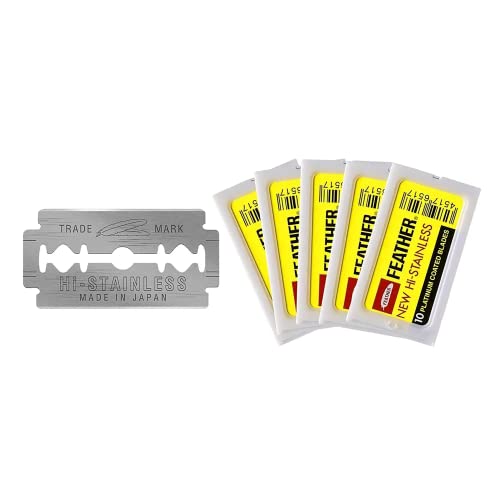
Fifty Count Of Double Edge Razor Blades; Our Razors For Men Feature A Fifty Count Of Double Edge Razor Blades; Feather Razor Blades Are Extremely Sharp And Will Give You A Great Shaving Experience
What Makes Safety Razors Better for Preventing Ingrown Hairs?
Since ingrown hairs develop when cut hair retracts beneath the skin’s surface, the single blade design of your safety razor directly addresses this problem by delivering a clean, precise cut at skin level rather than the tugging action of multi-blade cartridges. Your single blade requires only one gentle stroke per area, considerably reducing the stress placed on hair follicles during shaving. This minimizes hair retraction and promotes outward growth instead of inward curling. Additionally, the straightforward design enables easier cleaning between uses, reducing follicle infections that can exacerbate ingrown hair development. The reusable metal construction of safety razors like those in quality razor sets contributes to both environmental sustainability and consistent performance over time. Safety razors with adjustable aggression levels allow you to customize blade exposure to your skin’s sensitivity, further reducing irritation and ingrown hair formation. Unlike multi-blade electric options that rely on tugging mechanisms similar to cartridge systems, safety razors deliver the kind of clean, precise cut that dermatologists recommend for sensitive skin health. By prioritizing skin health through fewer contact points and cleaner cuts, your safety razor proves superior for preventing ingrown hairs compared to conventional multi-blade systems.

CUSTOMIZE YOUR SHAVE - Easily adjust the blade exposure by turning the knob on the bottom of the razor - Customize your shave by selecting your exposure of choice. The lower the setting, the less the blade exposure and the milder the shave. Find the setting that's just right for you
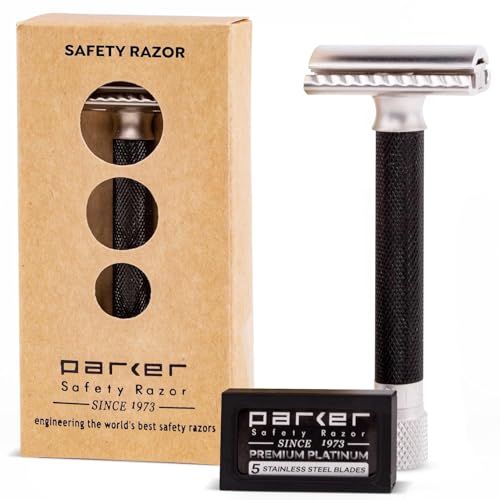
CUSTOMIZE YOUR SHAVE - Easily adjust the blade exposure by turning the knob on the bottom of the razor - Customize your shave by selecting your exposure of choice. The lower the setting, the less the blade exposure and the milder the shave. Find the setting that's just right for you

CUSTOMIZE YOUR SHAVE - The Open Comb design stretches your skin while shaving for an unbelievably smooth and close shave. Easily adjust the blade exposure by turning the knob on the bottom of the razor - Customize your shave by selecting your exposure of choice. The lower the setting, the less the blade exposure and the milder the shave. Find the setting that's just right for you
Shave Bony Areas Without Nicks
While your safety razor‘s single blade prevents ingrown hairs through precise cutting, you’ll find that shaving angular facial and body contours—like your jawline, cheekbones, knees, and ankles—requires specific technique to avoid nicks and cuts.
Maintain a 30-45 degree angle to minimize blade contact with bony areas. Use short 1-3cm strokes, moving slowly and deliberately across these challenging zones. Let the razor’s weight do the work; applying pressure risks slips and cuts.
Pull skin taut with your free hand to flatten bony contours and create smooth surfaces. This skin care approach transforms angular areas into manageable planes. Take extra time in low-visibility zones like underarms, following bone shapes carefully. Rinsing the safety razor after each stroke helps remove soap residue and hair buildup for clearer visibility. These deliberate methods guarantee you navigate bony contours safely without compromising your shave quality.

Sharp and Precise- Highest quality edging blades for a precise and clean shave.

GET SMOOTH SHAVING EVERY TIME: The Kitsch Perfect Glide safety razor is a top-of-the-line tool designed for an exceptional shaving experience. This single blade safety razor delivers a smooth, close, and comfortable shave, making it one of the most reliable safety razors for daily grooming without the irritation often associated with multi-blade razors.

Rinse and Dry Your Razor Between Sessions
Proper rinsing and drying after each shave extends your Bambaw safety razor’s blade life considerably, since moisture causes microscopic rusting rather than friction with hair. Rinse your razor head under hot water immediately after shaving to remove hair and soap residue, paying special attention to the safety bar where lather accumulates.
For ideal drying techniques, wipe down all components thoroughly before air drying. If you don’t shave frequently, disassemble the blade from the razor head to guarantee proper moisture prevention in hard-to-reach areas. Unscrew the head, rinse all parts separately, and allow them to dry completely before reassembling. Using a fresh blade with each shave ensures optimal performance and reduces the risk of irritation during the grooming process.
Monthly deep cleaning with dish soap followed by thorough rinsing further maintains blade sharpness. A soft-bristled toothbrush can gently scrub crevices and the blade gap to remove stubborn buildup. Store your razor in a dry environment to prevent moisture buildup and preserve blade integrity. Avoid abrasive cleaners that can create micro scratches on your razor’s finish during the cleaning process.
When and How to Replace Your Blade
Even with meticulous rinsing and storage, your Bambaw safety razor’s blade will eventually dull and need replacement. Several indicators signal when you should change your blade: razor bumps, decreased shaving quality, increased resistance, and skin irritation.
Your blade lifespan depends on multiple factors, including shaving frequency, hair thickness, and technique. Most users benefit from changing frequency of every two to four weeks for peak performance. However, your personal schedule may vary based on daily or weekly shaving habits. Interchangeable stainless steel blades enhance cost-effectiveness while maintaining consistent shaping performance. For the closest shave possible, consider using Feather blades, which are known for their exceptional sharpness and precision cutting. Safety razors with stainless steel construction offer biocompatibility and durability for sensitive skin care.
To replace your blade safely, remove the old one carefully from the razor head and insert a new double-edge blade, ensuring a secure fit. Handle blades with wax paper wrapping to prevent cuts. Timely replacement prevents ingrown hairs and maintains a smooth, irritation-free shave.
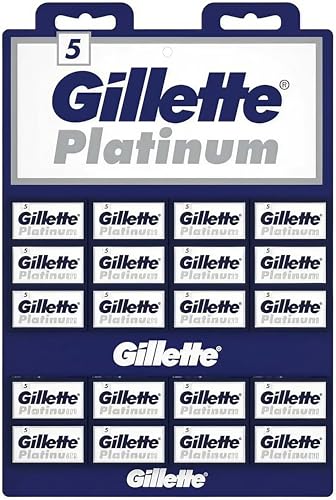
Perfiect in all brands of Safety Razors

50 Gillette Saloon Double Edge Razor Blades

Two packs of 5 blades.
Store Your Safety Razor for Lasting Durability
Because moisture and humidity are primary culprits behind razor deterioration, you’ll want to establish a consistent storage routine that prioritizes dryness above all else. After each use, rinse your Bambaw under hot water, shake off excess moisture, and pat dry thoroughly with a clean towel. Allow complete air drying before storing.
Select a cool, dry location away from bathrooms’ high-humidity environments. Storage solutions like ventilated bedroom cupboards or closets work ideally. Protective accessories enhance durability considerably—employ a razor stand for upright placement with blade exposure to air, or use travel cases during trips. Consider repurposing a glass jar for upright storage on your sink. Lubricate threads with Vaseline or Teflon tape periodically, similar to how regular oiling maintains metal tools and prevents corrosion. For optimal performance and longevity, ensure adequate air circulation**** around your storage spot to prevent corrosion and maintain your razor’s longevity. For added protection during travel, place the razor in interior luggage pockets to avoid rain and moisture exposure.