You can’t shave your head immediately after a hair transplant—grafts remain vulnerable for the first 10 days as they attach to blood vessels. Around day 10, you’ll safely use clippers on low settings. Between weeks 2–4, dislodging risk drops considerably, though shock loss through week 8 may create patchiness. By months 4–6, you’re generally safe with razors and full head shaving once approximately 60% of new hair’s visible. Understanding the specific factors influencing your timeline reveals critical considerations for best outcomes.
The First 10 Days: Why You Can’t Shave Yet
While your transplanted grafts may appear settled on the surface, they’re undergoing critical biological processes beneath the skin that make shaving impossible during the first ten days. During this period, follicles attach to blood vessels and remain highly sensitive to friction and contact. Any shaving action—even electric razors—risks dislodging grafts before they’ve firmly secured into position.
Your post operative precautions must include avoiding all mechanical disruption to the recipient area. Professional barbers typically rely on T-blade trimmers for precision work, but these tools are equally damaging to newly transplanted grafts during early recovery. Grafts don’t achieve stability until day ten, and shaving creates unnecessary trauma that compromises graft healing. The blade contact, vibration, and manipulation required for shaving can cause graft dislocation and failure. After the initial recovery phase, maintaining a smooth shaved scalp requires regular exfoliation and proper moisturization to keep your scalp healthy and comfortable. Advanced recovery treatments at Maxwell can expedite the healing process and provide additional protection during these vulnerable early days.
Protecting your investment during these critical early days means strict adherence to no-shaving restrictions. Wait until after the three-month mark when transplanted follicles have fully established themselves.

ENHANCED RESULTS: Formulated to support a healthy functioning of post-hair transplant processes, the HairMD Transplant Clinical Repair Shampoo is a long-lasting solution to your hair loss problem, with a unique innovative formula ideal for all skin types!

POST-TRANSPLANT CARE: The HairMD transplant clinical repair foam was designed to meet your post-transplant hair care needs, acting as a natural barrier and protecting your scalp’s sensitive skin.

When Clippers Are Safe on Your Transplanted Hair
Once your grafts have stabilized around the one-month mark, you can safely introduce clippers to your transplanted hair, though you’ll need to exercise considerable caution during this progression phase. Use low machine settings without applying pressure, as this protects your developing follicles from unnecessary stress. Between weeks 2-4, your follicles settle into place, reducing dislodging risk considerably. By months 4-6, density builds sufficiently to support regular clipper use with confidence. Avoid high-speed settings entirely, as they compromise follicle protection and can damage nascent growth. For optimal results during your recovery, consider using quiet motor trimmers that minimize vibration and stress on healing grafts. After each use, clean your clippers with 70% isopropyl alcohol to eliminate bacteria and maintain blade hygiene throughout your healing period. Your surgeon should confirm timing based on your individual healing response and graft security. Remember, clippers won’t affect your hair growth timeline—growth begins around month 3 regardless of shaving approach—but proper technique guarantees ideal graft survival and long-term results. Proper aftercare routines including gentle handling of the scalp during shaving lower the risk of irritation and promote comfort throughout your recovery journey.
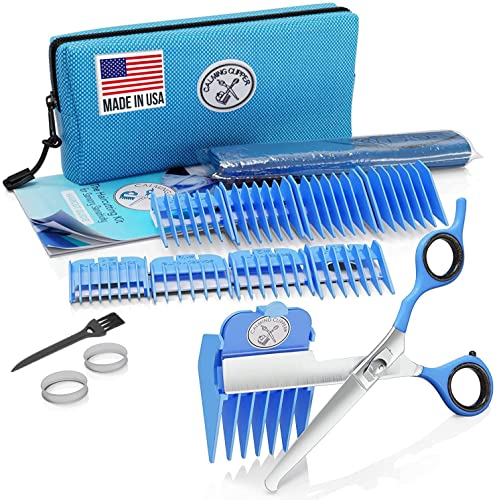
EASY HAIRCUTS: The gentle alternative to buzzing clippers for individuals with sensory sensitivity. PATENTED

CORDLESS and CORDED Hair trimmer can be with cord or cordless which is super convenient for self cutting. Universal charging.One full charge Last up to 200 minutes of use.When the power of the hair clipper is used up.This hair trimmer supports plug and play.When charging. The five indicators light up in the form of running lights from bottom to top. When the five indicators become normally on.the power is full. At this time.The charging wire can be pulled out.
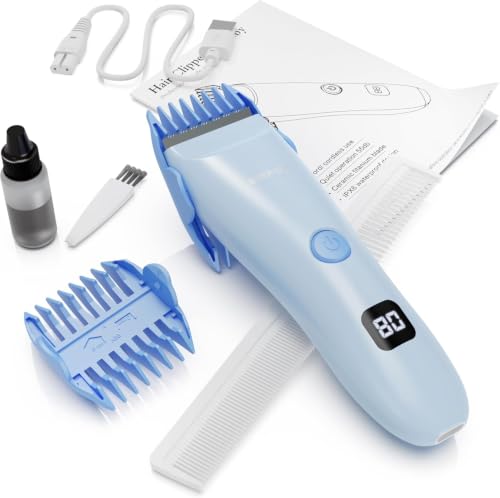
The STEP UP clipper is a quiet clipper ideal for trimming fine hair gently (may be too gentle for coarse, thick hair). Designed to complement our renowned Silent Haircutting Kit for Children with Autism and Sensory Sensitivity. This advanced clipper offers a quiet, gentle cutting experience that helps reduce anxiety and makes haircuts stress-free for both parents and children.
Donor vs. Recipient Areas: When Each Zone Is Ready
Your transplanted hair and donor area heal on distinctly different timelines, requiring different aftercare approaches during recovery. You can begin donor area grooming 7-10 days post-surgery once scabs have healed and fallen off. At this point, you’re safe to style or buzz the donor site, which resembles a short haircut around two weeks post-op. Complete blending takes up to three months. When buzzing the donor area, using clippers with varying guards helps achieve an even, polished appearance without visible lines. For optimal results, apply shaving cream or gel before any clipping to reduce irritation and improve visibility of the donor site.
The recipient area demands more caution. You must avoid recipient area styling during the initial healing phase and shock loss period, which spans months 1-2. During this telogen resting phase, transplanted hair shafts shed naturally while follicles rest. New hair emergence begins around 3-4 months, with 80% of grafts breaking through by 4-6 months. Only then can you safely style your recipient area as hair thickens and darkens.
Your Timeline for Switching From Clippers to Razors
Because graft maturation and skin healing progress at different rates, the alteration from electric clippers to razors requires careful adherence to established timelines. You’ll begin using clipper types at day 10 post-transplant with low-speed settings, continuing exclusively through month 3. During months 1-3, machine shaving protects healing follicles while you avoid razor contact entirely. At the 3-month mark, your scalp has sufficiently healed to tolerate razor techniques, but surgeon approval remains mandatory before changing to razors. Your individual healing progression—influenced by graft count and transplant complexity—determines whether you advance earlier or later. Post-operative assessments by your surgical team provide definitive clearance for razor introduction, ensuring you don’t compromise graft integrity through premature technique changes. Applying pressure while shaving during the recovery period significantly increases the risk of graft damage or loss, so maintaining a gentle touch with your clippers is essential for optimal outcomes. When you do transition to razors, choosing skin-friendly tools over traditional blades can help minimize irritation and razor burn during the healing process. Electric razors with dual blade technologies designed to prevent nicks and bumps offer particularly gentle options for sensitive scalp areas during recovery.

Magnetic Removable Design: Experience hassle-free maintenance with our innovative magnetic removable head system for bald head shavers for men. Simply detach the shaving head with one click, rinse under running water, and reattach in seconds. The advanced magnetic connection ensures secure attachment while enabling quick cleaning

A Safe and Gentle Electric Razor for Women: Experience easy, curve-hugging, smooth shaving with a womens electric razor for bikini area in a reusable, rechargeable design that minimizes skin irritation while reducing disposable waste

4-DIRECTION FLOATING ULTRA-ADVANCED SHAVING HEAD: The 3D rotary shaver head follows every contour of your face to remain in close contact with the skin for a fast shave that's also gentle on the skin
Full Head Shaving at 4–6 Months and Beyond
By the four to six-month mark, your transplanted grafts have progressed substantially enough to tolerate full head shaving. At this stage, approximately 60% of new hair has become visible, and grafts demonstrate sufficient anchoring for safe razor use.
Your re-growth timeline supports full head shaving once healing has completely advanced—scabs have healed and follicles are firmly established. However, surgeon approval remains essential based on your individual healing speed and graft count.
When proceeding with shaving techniques, consider your skin’s residual sensitivity. Trimming with scissors initially provides a safer alternative to razors, minimizing irritation risk. Once you shift to razors, use gentle pressure and quality blades to avoid disrupting the maturing hair follicles, as superior foil shavers with synchronized shaving elements can reduce irritation even on sensitive scalps. For optimal results during this delicate phase, shavers designed for sensitive skin can provide additional protection while maintaining close shave quality. This conservative approach protects your investment during the critical maturation phase. By months 6 to 12, hair becomes thicker and stronger, providing additional assurance that your scalp can handle regular shaving without compromising graft integrity.

From the #1 electric shaver brand¹: Shaver 2400 Series gives you a fast, clean shave even on sensitive skin thanks to 27 self-sharpening ComfortCut blades and 4D Flex Heads

SMOOTH SHAVE - Experience the number one benefit of this electric razor for men: a smooth shave. This high-quality electric shaver is designed for wet or dry use, with or without shaving cream. Its waterproof construction makes it extremely durable and shower-safe, perfect for grooming your head, body, and sensitive areas. The cordless design and long battery life, charged via rapid USB, provide ultimate convenience for travel.

FAST, SMOOTH HEAD SHAVE IN MINUTES: Shave your entire head in under 2 minutes with 5 Dual Track rotary blades designed for maximum coverage and fewer passes. Get a fast, even, barbershop-smooth result at home.
Why Shock Loss Delays Close Shaving: And When You’re Safe
While you’ve cleared the immediate post-operative phase, shock loss—a temporary shedding phenomenon affecting both transplanted and native hair—creates a critical window where close shaving isn’t advisable. During weeks 2-8, maximum shedding leaves your scalp patchy and uneven, exposing transplant sites with visible follicle spots. Close shaving during this period risks dislodging grafts still anchoring within dormant follicles and irritating micro-tears in the donor area.
Your scalp remains sensitive through week 12, when shock loss gradually subsides. To minimize irritation and protect healing tissue, consider using electric shavers during the early recovery phase if you need to address hair growth. For optimal trimming during recovery, waterproof travel beard trimmers offer precision control while maintaining safety on sensitive scalp tissue. Safe shaving begins around 4-5 months post-transplant, once new growth emerges as fine strands and hair thickness stabilizes. By month 6, regrowth covers sufficiently to tolerate close shaving without compromising graft integrity or revealing patchy density variations. Adhering to recommended post-operative care routines during the recovery period can help minimize shock loss and accelerate the timeline for when you can safely resume close shaving.
Scarring and Visibility: What Shaving Reveals and How to Address It
Once you’ve waited the recommended 4-5 months and begun shaving, you’ll find that different transplant techniques reveal different scarring patterns at your donor site. FUE scars appear as small dots barely visible to the naked eye, remaining largely undetectable even when shaved short due to minimum depth extraction. Conversely, FUT scars create linear marks highly visible with buzz cuts or razor shaves. Visibility factors including skin tone, hair color contrast, and healing quality greatly influence scar appearance. For both techniques, strategic styling—avoiding complete shaves in favor of short fades—minimizes conspicuousness. Skilled surgeons contribute significantly to less visible scars through their surgical expertise and technique. To maintain your clippers in optimal condition for precise fades and clean lines, regular maintenance with a small brush and proper cleaning solutions will ensure consistent cutting performance. If concerned, scar treatment options including scalp micropigmentation, laser resurfacing, and additional grafting provide substantial improvement. While complete scar removal remains impossible, these interventions achieve considerable concealment.