
You shouldn’t use a beard trimmer on pubic hair. The tool lacks design specifications for body use and can’t handle your pubic region’s dense, curly growth patterns or thinner skin. You’re risking cuts, burns, and irritation that create entry points for bacterial and fungal infections. Beard trimmers also transfer facial bacteria to your genital area, where distinct microbial ecosystems exist. Dedicated body trimmers with protective features offer safer alternatives worth exploring further.
Why Beard Trimmers Aren’t Safe for Pubic Hair
Because pubic skin is considerably thinner and more fragile than facial skin, beard trimmers pose notable injury risks when used in genital areas. You’ll face higher chances of cuts and tears that create entry points for infections like herpes, syphilis, and HPV. Beard trimmers lack body-rated design specifications, increasing irritation and ingrown hair risks without proper guards. One in four people experience grooming injuries during intimate trimming, with deep cuts and burns among common outcomes. Your skin sensitivity in genital regions means even minor trauma can escalate into serious complications. Post-grooming erythema frequently progresses to abscess formation within days. Using the same trimmer on both facial and pubic areas can transfer staph bacteria between distinct microbial communities, introducing harmful pathogens to sensitive skin. For those concerned about irritation, electric shavers designed with ultra-thin foils and ergonomic specifications may offer safer alternatives than standard beard trimmers. Specialized body hair trimmers with ceramic blades and contour-following designs provide enhanced safety for sensitive genital areas. Tight clothing afterward compounds friction-related irritation. The American Academy of Dermatology confirms that improper tools notably worsen injury severity and infection likelihood in these delicate areas.
The Bacteria Transfer Problem
Using a beard trimmer on pubic hair doesn’t just damage your skin—it introduces bacteria from your face into an entirely different microbial ecosystem. Your pubic area hosts distinct bacterial communities, including staph, which thrives there more commonly than on facial skin. When you transfer facial bacteria to your groin, you’re disrupting a specialized environment, likely triggering acne and infection.
Grooming creates tiny skin tears that compromise your skin barriers, allowing pathogenic passage. This microbial transfer isn’t theoretical—groomers report nearly twice the odds of STI history, with extreme groomers facing four times greater risk. The trimmer itself becomes a vector for cross-contamination, shuttling bacteria between body areas. Professional barber trimmers designed for facial precision lack the sanitation protocols necessary for multi-body-area use. Safer methods like trimming rather than shaving can help minimize risks such as cuts or ingrown hairs that create additional infection pathways. Proper sanitation of trimmer blades using rubbing alcohol or barbicide significantly reduces infection risks from this cross-contamination. You’re fundamentally weaponizing your grooming tool against your own health.
Blade Design Isn’t Built for Dense Hair
A mismatch between tool design and hair structure fundamentally undermines trimming effectiveness. Your beard trimmer’s narrower blades are engineered specifically for facial hair density and growth patterns. Pubic hair, however, grows curly and dense across curved body surfaces—a structural incompatibility that compromises blade effectiveness immediately.
When you attempt using a beard trimmer on pubic hair, you’ll encounter significant resistance. The blade width can’t accommodate pubic hair’s directional variation, forcing you to make multiple passes over identical spots. This repetitive approach drastically reduces trimming efficiency while increasing skin irritation risk. Skin in the groin area is thin and sensitive, requiring tools specifically designed to minimize discomfort and prevent razor burn. Specialized pubic hair trimmers feature adjustable length settings to minimize irritation while accommodating the unique grooming needs of sensitive areas. Many top-rated options like the Gillette Venus Gentle Trimmer offer protective fins specifically engineered to prevent irritation during grooming.
Body trimmers feature wider blade designs calibrated for denser hair textures and varying body contours. Their specialized engineering enables you to achieve even results in fewer passes, delivering superior trimming efficiency and outcome quality compared to general-purpose beard trimmers.

NO BURNS. NO BUMPS. NO BS: Forget the fear of nicks. Our ceramic blade trims just above the skin—no irritation, no redness, no razor burn, and no ingrown hair. It’s smooth sailing from top to below the belt.

Versatile Men's Grooming: This manscape trimmer handles chest, stomach, armpit, back, arm, leg, groin and pubic hair, plus a nose & ear trimmer attachment. Two guide combs (3–6mm/9–12mm) let you customize your ideal length

Safe and Efficient Trimming: PRITECH razors for men uses ceramic blades with built-in protection. On the surface where the blade contacts the skin, we have implemented a chamfered design, ensuring that it never cuts, pulls, or irritates the skin, and guarantees efficient hair trimming. This body trimmer for men equipped with 3 adjustable comb attachments and 5 lengths (1.5mm, 3mm, 6mm, 9mm, 12mm), it meets your diverse trimming requirements
Staph and Fungal Infection Risks You Should Know
While beard trimmers offer convenience for facial grooming, they introduce significant infection risks when used on pubic hair—risks you shouldn’t ignore. When you use the same trimmer on both areas, you transfer staph bacteria from your groin to your face, altering your skin’s protective environment. You’re also introducing facial bacteria to your pubic region, increasing acne likelihood.
Beyond staph bacteria, you face fungal infection risks. Grooming creates microtrauma that facilitates fungal spread while removing hair-derived proteins that naturally combat fungi. You’re fundamentally compromising your urogenital microbiome’s defenses. Electric shavers designed for sensitive skin use foil shaver technology with protective guards that limit blade contact and reduce microtrauma compared to traditional trimmers. Research indicates that hair removal procedures are associated with increased rates of molluscum contagiosum and other skin infections when proper hygiene protocols aren’t followed. Additionally, any microtears from trimming heighten your vulnerability to skin-to-skin infections. Using separate grooming tools for different body areas and maintaining proper shaving technique helps prevent serious bacterial and fungal complications. The evidence is clear: using separate tools for different body areas isn’t just hygienic—it’s vital for preventing serious bacterial and fungal complications.
What OB-GYNs Recommend Instead
OB-GYNs consistently prioritize pubic hair retention as the first line of defense against infection and irritation. Your natural pubic hair protects sensitive genital skin from friction, reduces sweat accumulation, and blocks bacteria that cause sexually transmitted infections, urinary tract infections, and yeast infections. It also helps regulate body temperature in the genital area.
If you choose grooming, OB-GYN advice emphasizes safer techniques over complete removal. You should use sharp, new razor blades, shave with hair growth direction, apply lubricating gel, and use warm water. For genital grooming, dedicated tools like the Philips Norelco Bodygroom 7000 offer flexible hybrid heads and nick-free performance specifically designed for sensitive skin areas. Cordless trimmers with torque control and metal construction provide more precise grooming compared to standard beard clippers. These grooming preferences markedly reduce side effects like itching, pain, burning, rashes, and folliculitis. Additionally, tweezing ingrown hairs can lead to further trauma and infections, making proper grooming techniques even more important for those who decide to remove hair.
Ultimately, OB-GYNs express no judgment about your grooming choices. You won’t receive counseling unless you pursue complete removal, and your decision doesn’t affect your medical care or satisfaction.
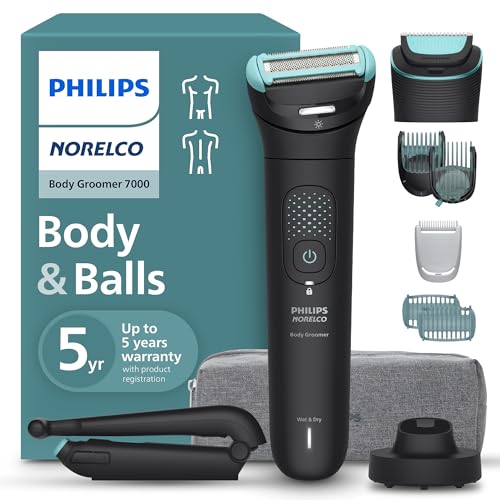
INTERCHANGEABLE, DUAL TRIMMER & 2-D FLEXING SHAVER HEADS for efficient full body trimming with the skin protection you need and a close, yet comfortable shave that follows the contours of your skin

Our SkinProtect blade gives an extra layer of protection from nicks and cuts for sensitive armpit and pubic skin. Designed to fit every curve and corner - and not-too-close, for comfort

SPECIALIZED MENS RAZORS FOR SHAVING FOR BODY GROOMING: GilletteLabs Body + Intimate Razor is purpose-built for full-body men's grooming with a shorter* handle (by 10mm) for body contours.*vs GilletteLabs Face Razor
Best Body Trimmers for Safe Grooming
Since you’ve decided to groom rather than remove entirely, selecting the right trimmer becomes essential for minimizing irritation and preventing injury to delicate genital skin. Specialized body trimmers like the Gillette INTIMATE and Panasonic GK80 feature protective combs and closely spaced blades that reduce direct skin contact. For best travel trimmers, consider the compact Braun Series XT5, which maintains precision in confined spaces without sacrificing safety. Different trimmer types, such as those with foil elements, are particularly effective for sensitive areas as they combine oscillating blades behind a perforated metal screen to reduce nicking risk. When comparing options, precision trimmers with powerful motors can handle various hair types while maintaining control in delicate areas.
Regarding trimmer maintenance tips, regularly clean your device after each use to prevent bacterial buildup. Replace guards and blades according to manufacturer specifications. Store your trimmer in a dry environment to preserve blade sharpness and motor longevity. Models like the Manscaped Lawn Mower series offer ceramic blades specifically designed for safe scrotum trimming with enhanced protective features.
The Philips Bodygroom 7000 and Braun Series 7 excel at maneuvering through sensitive contours with rounded teeth and protective features, ensuring close trimming without irritation.

【Full Body Hair Trimmer - Safe Grooming for Every Zone】Designed for chest, underarms, groin area, pubic hair, legs and more, these manscape trimmer give you controlled grooming for different body zones while reducing pulling, nicks and irritation. With a rounded corner design, these body trimmer for men help you trim sensitive areas with better confidence, making daily body care safer, easier and less stressful

One authentic Philips Norelco OneBlade stainless steel 360 blade lasts up to 4 months¹; trim, edge, and shave any length of hair, even the longest one

IN THE BOX PLUS – Includes six replacement guide combs (1/2/3/4/5/6 mm), one body comb, one protective cap, and a clear acrylic organizer stand.
Features to Look for in a Dedicated Trimmer
When you’re evaluating trimmers for pubic grooming, blade design and protective guards should be your primary considerations. Look for high-precision ceramic blades that minimize irritation and tugging while closely spaced design reduces skin bulging. Rounded blade tips prevent nicks and cuts effectively.
Prioritize skin protection through multiple features: hypo-allergenic foils, dermatologist-tested formulations, and integrated adjustable guards ranging from 1-11mm. An attachable protective comb minimizes direct blade contact, while four-directional shaver heads enable safe below-belt grooming. The Gillette INTIMATE trimmer comes with three interchangeable skin-shielding guards for various trimming lengths to accommodate different preferences.
Your blade technology choice matters considerably. Self-sharpening steel blades maintain effectiveness over time, and SkinFirst™ technology actively lowers injury risk. For sensitive skin, consider options with curved design and protective features specifically engineered to prevent irritation in delicate areas. Similar to how foil shavers excel in closeness and comfort for facial grooming, selecting a foil shaver design for intimate grooming can provide superior protection while maintaining effective trimming performance. Verify cordless operation with adequate battery runtime and rubber ergonomic grips for controlled precision during sensitive area grooming.

🔥 【2-in-1 Hypoallergenic Pro】:Glide effortlessly with aerospace-grade ceramic blades and dual precision heads – "bikini trimmer for sensitive skin" meets "facial hair remover women". Seamlessly switch between intimate grooming and facial detailing, contouring to underarms, legs, and delicate curves without irritation.

ADVANCED TRIMMER BLADE(Black-2pcs) - The ceramic blade is rust-resistant, non-slip, more stable and durable, it is more thermally insulated than traditional steel blades, and you will not feel any discomfort when trimming the groin, back, chest, armpits, and legs.

ADVANCED TRIMMER BLADE(Black-1pcs) - The ceramic blade is rust-resistant, non-slip, more stable and durable, it is more thermally insulated than traditional steel blades, and you will not feel any discomfort when trimming the groin, back, chest, armpits, and legs.
How to Use a Body Trimmer Safely
Having selected the right trimmer with protective guards and precision blades, you’ll now need to master proper technique to maximize safety and effectiveness.
Start by showering and completely drying your skin—moisture increases irritation risk. Work in well-lit conditions using a mirror for visibility. When trimming, follow hair growth direction to minimize irritation and pull skin gently taut for smoother results. Proper preparation with warm water helps soften facial hair and reduces the risk of razor burn and irritation.
Apply light, short strokes without pressing hard. Avoid wet skin, which damages blades and causes discomfort. For skin safety, skip areas with infections, broken skin, or extreme sensitivity. Monitor blade temperature and take breaks if overheating occurs. Extended contact with heated blades elevates burn risk, so ensure your trimmer doesn’t remain in one spot for prolonged periods.
Never trim the same spot repeatedly. Stop immediately if blades dull during your session. Clean your trimmer frequently and sanitize after each use to prevent bacterial contamination. Disinfecting tools between uses reduces the risk of infections and maintains blade hygiene for safer grooming sessions.

【Designed for O-Blade】This is the protective guard attachment only (Blade/Trimmer is NOT included).If you are tired of skin hair pulling,clip on this guard to transform your trimmer into a safety-focused grooming tool for the most delicate areas.Designed as a perfect replacement accessory for p-hilip norelco o-blade Intimate body groomer,it ensures optimal grooming performance.
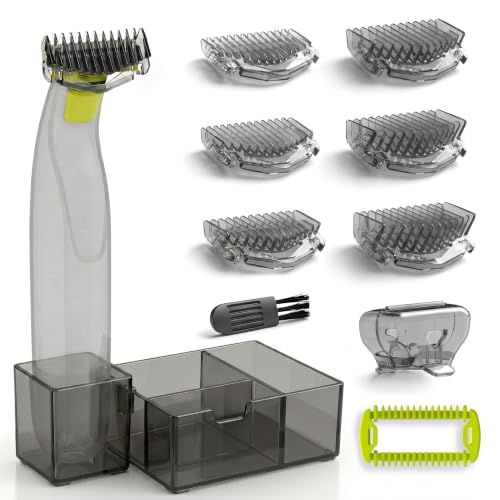
IN THE BOX PLUS – Includes six replacement guide combs (1/2/3/4/5/6 mm), one body comb, one protective cap, and a clear acrylic organizer stand.

3-in-1 Versatility Body Hair Groomer - Experience the ultimate grooming flexibility with interchangeable ceramic blade head, foil shaver head and ear and nose hair trimmer head. Driven by a powerful 7200RPM motor, this pubic hair trimmer delivers a smooth, irritation-free trimming and precise shave on most of body part, such as pubic, bikini, groin, leg, armpit, chest etc ( Please do not use it to trim scrotum or testicles for safety). Body grooming kits for men & women.
Aftercare: Protect Your Skin Post-Trimming
Once you’ve completed trimming, your skin requires immediate attention to minimize irritation and prevent complications like infection or ingrown hairs.
Start by rinsing the area with cool or lukewarm water, then gently pat dry. Avoid rubbing, which causes additional irritation. Implement cooling techniques immediately—apply a cold compress for ten minutes to reduce inflammation and redness effectively.
Establish a moisturizing routine within minutes of trimming. Apply fragrance-free lotion containing aloe vera, jojoba oil, or vitamin E to restore your skin barrier. To further protect sensitive areas, consider using specialized body groomers designed with skin-friendly features that minimize irritation risk. Reapply moisturizer regularly over the next few days to maintain hydration. Pubic hair serves to protect the vulvar area, so allowing time for recovery between trimmings can help your skin maintain its natural defenses. Consider your aftercare practices as part of personal growth in developing a comprehensive self-care routine.
Monitor for persistent redness, rash, or itching. Refrain from picking at hairs or bumps to prevent infection. If discomfort persists beyond several days, consult your healthcare provider for professional guidance and potential infection assessment.
When Medical Conditions Mean You Should Skip Trimming
If you’re managing certain medical conditions, you shouldn’t trim your pubic hair without consulting your healthcare provider first. Conditions that compromise your immune function—including diabetes, chemotherapy treatment, and immunocompromised states—significantly increase your infection risk from grooming injuries. Even minor cuts create pathways for bacteria and viruses to penetrate your skin, potentially causing serious infections like cellulitis, folliculitis, UTIs, and yeast infections. Your weakened immune system can’t effectively combat these pathogens. If you have medical conditions affecting immune function, trimming remains safer than shaving or waxing, but only under medical guidance. Your healthcare provider may recommend alternative grooming methods or supervise trimming to minimize injury risk. Regular maintenance of your grooming tools through proper blade disinfection can further reduce infection risks when trimming is medically approved. Because pubic hair acts as a protective buffer in the genital region, removing it entirely may increase vulnerability to infections even further. Embracing a low-maintenance grooming approach can be particularly beneficial when you have compromised immune function. Always prioritize your health over grooming preferences when medical conditions are involved.