Whether you should shave depends on your skin’s needs, not personal preference alone. Shaving damages your skin barrier, increasing pathogenic bacteria colonization and irritation—especially problematic for sensitive skin. Conversely, beards offer UV protection and reduce micro-abrasions, but they require rigorous hygiene: wash 2-3 times weekly with beard-specific shampoo to prevent acne and allergen buildup. Your decision hinges on maintaining proper grooming practices. Understanding how your skin type responds to each option reveals the best choice for your health.
Beards vs. Clean-Shaven: What the Science Really Shows
Why do clean-shaven men consistently show higher colonization rates of pathogenic bacteria? The answer lies in shaving risks. When you shave, you create micro-abrasions that compromise your skin’s protective barrier, making pathogen entry easier. A 408-person hospital worker study revealed 52.6% of clean-shaven employees carried Staphylococcus aureus compared to 41.2% of bearded employees. This colonization difference stems from shaving damage rather than beard hygiene. Additionally, shaving removes only superficial skin layers containing bacteria, potentially explaining reduced immediate shedding. Conversely, intact bearded skin maintains natural defenses. For those who do choose to shave, using razors designed for sensitive skin can help minimize the damage caused by micro-abrasions. Proper shaving technique combined with suitable aftercare products can further reduce irritation and support skin recovery. The beard benefits extend beyond colonization rates; researchers isolated microbes from beard samples with antimicrobial properties against antibiotic-resistant E. coli, suggesting potential medical applications. These antimicrobial beard microbes could provide a foundation for developing new antibiotics as current resistance continues to threaten public health.
Why Shaving Disrupts Your Skin Barrier
When you drag a razor across your face, you’re doing far more than simply removing hair. You’re compromising your stratum corneum—the skin’s outermost protective layer—and stripping away essential lipids that shield against environmental irritants. This barrier disruption triggers transepidermal water loss, leaving your skin tight, dry, and increasingly sensitive.
Poor shaving techniques intensify this damage. Excessive pressure, dull blades, and frequent daily shaving accelerate cell turnover before protective cells fully develop. Your skin sensitivity heightens as micro-abrasions accumulate, inviting bacteria and irritants into vulnerable areas. Using dull or clogged blades without proper lubrication creates additional micro-cracks that compromise your skin’s ability to heal. Specialized grooming tools with skin-friendly ceramic blades can minimize these micro-cracks compared to traditional razors. Male skin’s slower healing compounds the problem, particularly with coarse or curly hair that increases ingrown hair risk. Repeated barrier damage may accelerate skin aging, causing long-term consequences that extend beyond immediate post-shave irritation. Over time, repeated barrier compromise leads to chronic irritation, redness, and inflammation that persists long after you’ve finished shaving.

PROTECTS SENSITIVE SKIN –Hypoallergenic moisturizing serum helps reduce irritation and protects sensitive skin
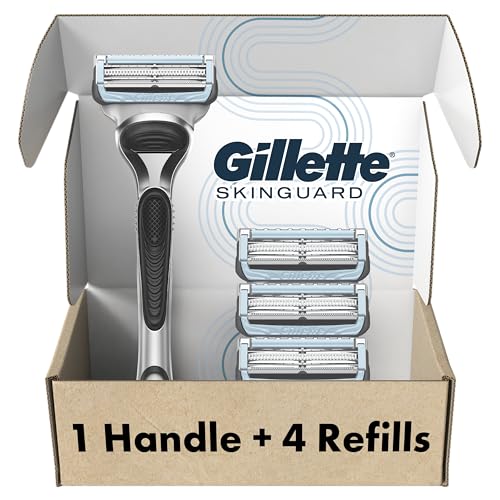
Clinically proven for sensitive skin

Complete with All Essential Accessories: This women's grooming kit comes with a full suite of professional accessories - including 3 specialized trimmer heads (hair, foil, facial), 2 adjustable hair guards, a cleaning brush and USB charging cable. Everything you need for precise head-to-toe hair removal is conveniently included in one box.
How Beards Block UV Rays (And Why Length Matters)
As facial hair grows longer and denser, it becomes an increasingly effective physical barrier against ultraviolet radiation. Short beards measuring 1-4cm provide UPF ratings between 2 and 9.5, while longer beards of 4-9cm achieve ratings up to 21—considered good protection at 15-24 UPF. However, your beard’s effectiveness varies considerably with solar angle. Protection peaks at lower angles but diminishes greatly as zenith angles increase, particularly in the 53-62° range. This means seasonal and time-of-day variations affect your UV exposure. Despite these benefits, facial hair alone remains insufficient. Exposed areas like your upper lip, cheeks, and forehead receive no protection. For women seeking alternatives to traditional shaving methods, electric razors for women offer gentle options for removing facial hair while maintaining skin health. When using manual razors for facial hair removal, dry shaving without proper products causes significant skin damage, so proper lubrication and preparation are essential. You’ll need to combine beard coverage with sunscreen and protective headwear for thorough defense against harmful UV radiation. Melanoma affects many lives in regions with high UV exposure, making comprehensive sun protection practices essential year-round.

A Patented Universal Fit Head Accessory for Caps, Hats and Helmets, One Size Fits All. CoolNES 4 Season Performance. 1 Pack includes 1 Flap and 2 Headbands. CAP NOT INCLUDED. Fits under or over any headgear.
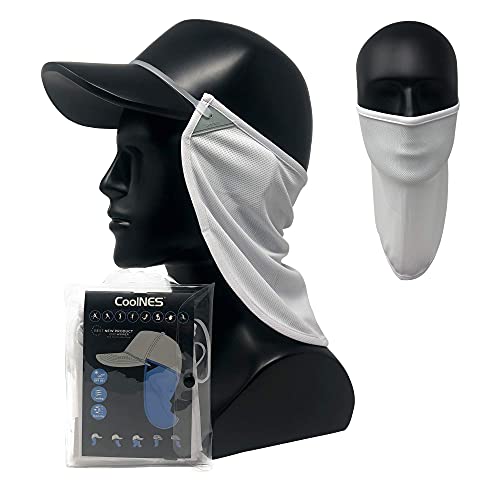
A Patented Universal Fit Head Accessory for Caps, Hats and Helmets, One Size Fits All. CoolNES 4 Season Performance. 1 Pack includes 1 Flap and 2 Headbands. CAP NOT INCLUDED. Fits under or over any headgear.

A Patented Universal Fit Head Accessory for Caps, Hats and Helmets, One Size Fits All. CoolNES 4 Season Performance. 1 Pack includes 1 Flap and 2 Headbands. CAP NOT INCLUDED. Fits under or over any headgear.
The Bacteria Problem: Beard Hygiene Done Right
Your beard’s structure—composed of hair that traps moisture, skin cells, oils, food particles, sweat, and dust—creates an ideal micro-environment for bacterial colonization. The proximity to your mouth and nose accelerates bacteria accumulation and transfer between surfaces.
Research reveals mixed findings regarding bacterial diversity in beards versus clean-shaven skin. While bearded men shed bacteria more readily in laboratory settings, clinical evidence shows no significant difference in disease-causing germs or infection rates among bearded healthcare workers. Interestingly, bearded doctors actually carry Staphylococcus aureus less frequently than clean-shaven counterparts. Certain harmful bacteria such as Enterococcus faecalis and Staphylococcus aureus may pose risks to individuals with weakened immune systems or open cuts.
Your hygiene practices determine bacterial risk far more than facial hair presence. Regular beard shampooing effectively manages microbial loads and prevents pathogenic colonization. Proper cleaning protocols eliminate the conditions bacteria require to proliferate, making beard maintenance straightforward and safe. For optimal results, approach post-shave care with the same dedication you apply to beard washing routines, and remember that specialized body groomers can help maintain grooming standards if you choose to remove facial hair.

3 IN 1 FACE, HAIR, AND BEARD WASH - Our medicated anti-dandruff shampoo, beard, and face wash is doctor-approved, created by founder Dr. Eddie to thoroughly cleanse and soften hair and skin

NO MORE BEARD FLAKES: Seborrheic dermatitis is the most common cause of beard dandruff; by using KAMEDIS BEARD WASH SHAMPOO, your beard will be shiny, smooth, and healthy as the unique formula controls dandruff, flakes, itchiness, or irritation of the skin. Its gentle, safe cleanser eliminates up to 100% visible dandruff and can be used for the face and scalp.

Voted #1 best beard shampoo | Highest rated, best price and highest quality!
Acne, Allergens, and Respiratory Concerns With Facial Hair
Though facial hair itself doesn’t cause acne, the conditions it creates can trigger breakouts through multiple mechanisms. Your beard traps excess oil, dead skin cells, and bacteria, clogging pores and creating ideal environments for inflammatory responses. Hair friction against your skin causes irritation and pseudofolliculitis, while ingrown hairs generate acne-like bumps.
Beyond acne triggers, your facial hair accumulates environmental allergens that worsen skin irritation. Poorly maintained beards increase allergen contact, potentially triggering inflammatory reactions. You’ll reduce these risks through consistent beard care and proper hygiene practices. Regular facial hair washing eliminates excess dirt and oil that contribute to clogged pores. Unlike military grooming standards that mandate specific facial hair styling requirements, personal grooming choices for beards should prioritize skin health. Applying alcohol-free toner or antibacterial gel after grooming helps prevent bacteria from entering pores and reduces irritation.
Hormonal factors complicate matters further. Androgens stimulate sebaceous glands, increasing sebum production—particularly relevant if you’re experiencing persistent acne alongside excess facial hair growth, which may signal underlying conditions like hyperandrogenism. Effective irritation prevention requires meticulous allergen exposure management and strategic beard maintenance.

Conditions Without The Weight: A lightweight beard oil that helps soften coarse facial hair while conditioning the skin underneath for a healthier-looking beard.

OIL-FREE FACE WASH FORMULA: Removes dirt, oil, and impurities for a fresh, clean feel.

DERMACONTROL OIL REMOVING FOAM WASH: A clinically proven, pH-balanced formula is the first step of a daily skincare regimen designed to manage oily, combination skin
Beards in Medical Settings: What Infection Data Reveals
When you’re considering whether to shave your beard, the medical evidence presents a more nuanced picture than conventional wisdom suggests. While laboratory studies demonstrate higher bacterial shedding from beards—particularly when masks wiggle—clinical data reveals no significant surgical site infection differences between bearded and clean-shaven surgeons. Your beard safety depends less on facial hair presence than on proper mask fit and hygiene protocols.
Research shows surgical site infection rates remain virtually identical regardless of beard status (*P*=0.80). However, infection risk increases when you neglect mask adjustment during procedures. The data suggests that implementing strict mask protocols and avoiding microtrauma from shaving may prove more beneficial than facial hair removal alone. For those prioritizing grooming and maintenance, electric shaver options provide effective tools for managing facial hair while minimizing skin irritation. Many personal care routines, such as subscription-based grooming services, offer convenient options for maintaining hygiene standards without requiring beard removal. Proper head and facial hair covering in operating theaters maintains good hygiene standards without requiring beard removal. Current evidence doesn’t support mandatory beard removal for infection prevention.
How to Grow and Maintain a Healthy Beard
Once you’ve decided to keep your beard, maintaining it requires a structured approach that combines proper hygiene, targeted grooming, and lifestyle support. You’ll want to wash your beard 2-3 times weekly with beard-specific shampoo, then apply conditioner or oil daily to prevent dryness and dandruff. Daily brushing distributes natural oils and promotes blood circulation for ideal beard growth. Trim every 2-4 weeks to maintain shape and remove split ends, using quality tools and changing razor blades every 5-7 shaves. When selecting trimmers, consider models with precision control and powerful motors designed for different beard types and thicknesses to ensure optimal cutting results. For professional detailing like neckline shaping, look for trimmers with bare blade capabilities that allow for precise work at minimal lengths. These grooming tips work best alongside nutrition—consume protein-rich foods and vitamins A, B, C, and E. A boar bristle brush or wide-tooth comb should be selected based on your beard length and texture to ensure optimal grooming results. Support your beard’s development through adequate sleep, regular exercise, stress management, and hydration, which enhance testosterone production and follicle health.

PRECISION DETAIL TRIMMER: Create clean lines with surgical steel blades and 5-length comb (1–5mm). For best results, trim dry hair, start on longest setting, and comb hairs outward. Ensure the comb is locked into place to prevent shifting or uneven trims.

Personalized Cutting and Sculpting: The precision beard trimmer for men has an adjustable dial with 19 settings to get the exact look you want; the included comb attachment raises flattened hairs for clean cutting
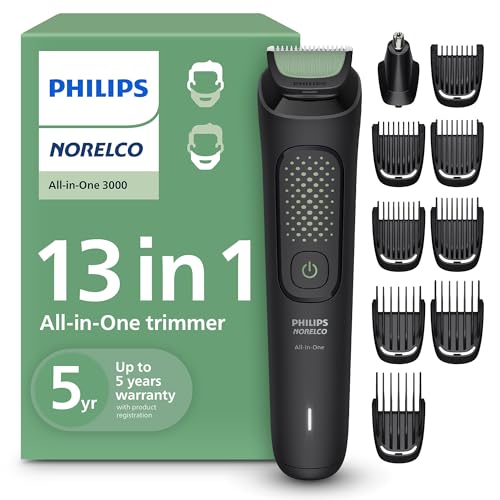
SKIN-FRIENDLY COMFORT BLADES provide a quick, comfortable trim thanks to unique blade technology with rounded tips that are gentle on skin as you trim
Beard or Clean-Shaven: Choosing Based on Your Skin Type
Your skin type fundamentally determines your best grooming choice. If you’ve got sensitive skin, you’ll experience heightened irritation, redness, and razor burn from shaving—beard benefits include eliminating these mechanical stressors entirely. Dry skin sufferers should consider beards, as shaving strips natural oils and worsens dehydration.
Conversely, oily skin tolerates frequent shaving well due to thicker collagen and sebum management advantages. However, acne-prone individuals face bacterial transfer and irritation risks from shaving, making beards preferable. Studies show that appropriate skin preparation before shaving significantly reduces common complications like razor burn and razor nicks. For those with sensitive skin, foil shavers offer bump-free results that minimize irritation during grooming. Maintaining your razor’s effectiveness requires replacing blades every 12-18 months to ensure optimal performance and hygiene.
Coarse or curly hair increases pseudofolliculitis barbae risk, complicating clean-shaven maintenance. Your skin sensitivity levels, combined with hair texture and ethnicity, ultimately guide whether growing a beard or maintaining clean-shaven grooming serves your dermatological health best.