Your electric shaver’s blades dull through mechanical wear, microscopic chipping, and corrosion—typically within 12-18 months of regular use. Moisture from rinsing creates rust and mineral buildup, while friction from daily shaving enlarges gaps between blades and foils, reducing cutting efficiency. You’ll notice patchy shaves, stubble, and skin irritation as signs of dulling. Proper maintenance—drying thoroughly, applying lubricant oil, and cleaning debris—extends blade life considerably. Understanding what accelerates this decline reveals how you can maintain peak performance longer.
Why Electric Shavers Lose Their Edge
As you drag your electric shaver across your face day after day, the blades gradually lose their cutting power through a combination of mechanical wear, chemical degradation, and design limitations.
Repeated contact with whiskers causes friction that scrapes away tiny metal bits, enlarging gaps between blades and foils. Simultaneously, moisture from water corrodes microscopic edges while mineral deposits from tap water accumulate on cutting surfaces. Your usage frequency directly impacts dulling speed—daily shaving accelerates damage compared to occasional use. Microchipping occurs after relatively few shaves and contributes to the overall dullness experience.
Inadequate blade maintenance compounds these issues. Skipping proper drying after shaving promotes rust formation and evaporite buildup. Regular maintenance using appropriate cleaning solutions and lubricant oil helps prevent premature dulling and extends blade performance. Applying clipper oil after disinfecting your shaver blades ensures optimal cutting performance and longevity. Without lubrication, friction intensifies, generating excessive heat that warps metal components and further enlarges blade gaps. Most shavers require replacement within 12-18 months of routine use, though ceramic blades extend this timeline considerably.

【3 in 1 VALUE SET】New 32B Foil & cutters replacement head x3.

In two years, your Philips shaver heads cut up to 9 million hairs on your face − replace the shaver heads and get your electric razor back to 100% performance

The authentic genuine Philips OneBlade blades
How Chipping Dulls Blades Faster Than You’d Expect
While gradual wear dulls your shaver’s blades over months, microscopic chipping accelerates this process far more dramatically than you’d expect. Each stroke initiates tiny fractures—chips measuring roughly 1/10 of a human hair diameter—that remain invisible to your eye. What makes chipping mechanisms particularly destructive is that initial chips trigger accumulating cracks along the blade edge, exponentially speeding dulling compared to natural rounding.
Your blade’s internal structure directly influences blade longevity. Material inhomogeneities—zones of harder or softer metal—promote cracking under stress. Hair bending at varied angles inevitably strikes your blade’s weak points, causing progressive micro-damage. Strain-hardened brittle steel increases chipping risk substantially. Professional-grade lubricants like non-toxic penetrating oils reduce friction between blade surfaces and hair, minimizing the stress that initiates micro-fractures. Regular maintenance with clipper oil and lubricants can significantly reduce friction and prevent debris accumulation that accelerates blade deterioration. Research teams have filed provisional patents for improved steel compositions that could reduce these vulnerabilities.
This cascade effect means your shaver deteriorates weeks faster than conventional wear theories predict, ultimately requiring replacement rather than sharpening.

Rust Prevention – Prevents rust from forming & helps extend the life of the clipper & blades; can also reduce the likelihood of blades becoming dull
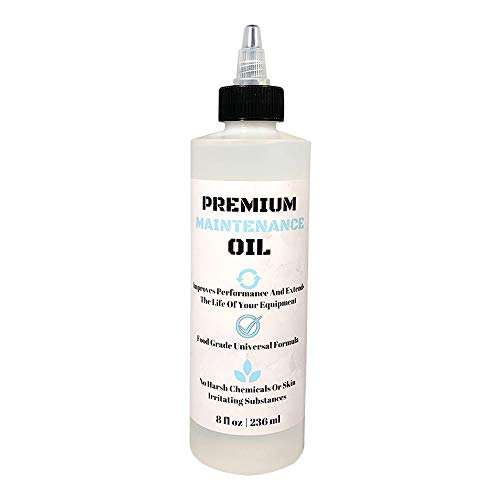
PREMIUM PROTECTION - Protects your cutting equipment from rust and corrosion. Ensuring a prolonged life for your clipper and razor
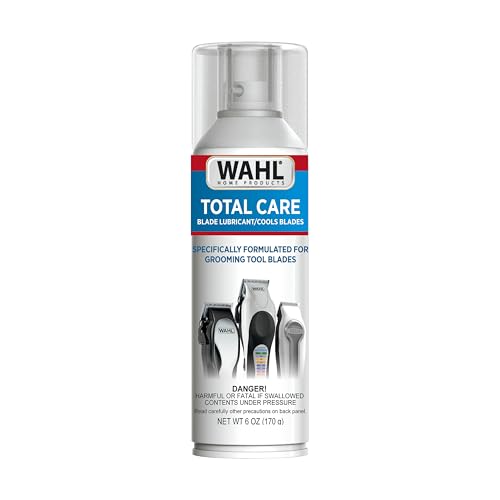
Prolongs Blade Life: Keeps hair clipper and beard trimmer blades lubricated, reducing wear and tear with regular use, extending the lifespan of your clippers and keeping them in top condition.
Moisture and Debris Speed Up Blade Dulling
Beyond the microscopic fracturing that weakens your blade’s structure, environmental factors like moisture and debris pose equally destructive threats to shaver longevity. You’ll notice accelerated dulling when you neglect moisture prevention—bathroom humidity triggers rust formation on steel blades within hours of use. Moisture-laden environments increase friction wear, generating heat that stresses metal components. Rinsing and drying your shaver thoroughly after use, similar to the practice of using isopropyl alcohol to displace water, can significantly extend blade life.
Debris maintenance proves equally critical. Hairs and cream residue accumulating on foils create friction that warps metal parts and widens the blade-foil gap, reducing shave quality. Rinsing under running water after each use removes dulling debris effectively. For waterproof models, you can open the shaving unit by pressing the release button to access the hair chamber and ensure complete debris removal. Modern electric razors equipped with lithium-ion batteries offer superior runtime to handle thorough cleaning routines without power depletion concerns. You should store your shaver in dry, ventilated areas using protective caps. Combined, moisture and debris acceleration can reduce blade performance markedly faster than normal wear alone.

Multi-function Trimmer Cleaning & Maintenance Kit: compatible with shavers, hair clippers, and all types of electric trimmers. Easily removes hair, grease, and dust from the blade head; effectively conditions and protects the blade surface, reduces stalling and wear, and extends the service life of your device.

🍒High Quality Materials: Our shaver brush is made of high quality PP plastic and the brush head is made of high-quality nylon material Durable and sturdy the shaver brush is sturdy and not easy to fall off with good toughness The brush handle is designed with anti slip particles, providing a comfortable grip that will not easily fall off or deform.It can be used for a long time
![[Bulk buying set] Panasonic LAMDASH shaver cleaning charger dedicated cleaning agents -6 pieces- (japan import) by Panasonic](https://m.media-amazon.com/images/I/51ObVlGCTxL._SL500_.jpg)
Three Daily Habits That Keep Blades Sharp Longer
Three essential daily habits can dramatically extend your shaver’s blade life and maintain consistent cutting performance. First, implement proper cleaning techniques by tapping your removable cutting head to dislodge whiskers after each shave. Rinse washable heads with warm water and air dry completely—moisture dulls blades faster than regular use. Second, apply lubrication tips by using maintenance fluid on your cutter block after cleaning, then running the shaver for 2-3 seconds. This protects blade sharpness against skin oils that accumulate during shaving. Third, wipe non-washable parts with a dry cloth immediately after use. These three habits—regular cleaning, consistent lubrication, and proper drying—work together to minimize the dulling effects that naturally occur during shaving. Dull blades typically require replacement every 12-18 months to maintain optimal performance and comfort during shaving.
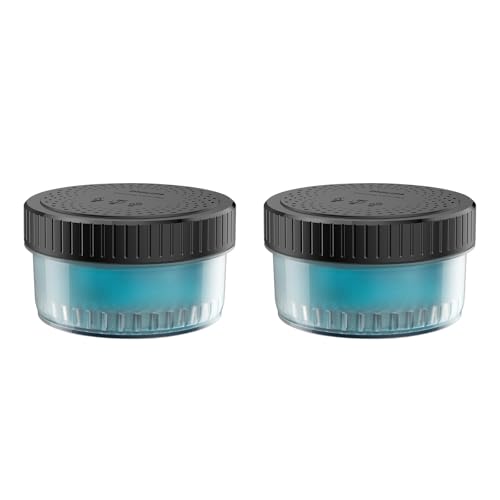
Keep your electric shaver clean, ready to use and performing at its best, with efficient cut hair removal and deep cleaning in just 1 minute thanks to special lubricants

Premium lubricating oil designed for professional use

Exclusive hygienic formula and multi-grid filter eliminate cut hair effectively and leave your shaver 10 times cleaner versus using water alone*.
Signs Your Blade Needs Replacing (And How Often)?
How do you know when your electric shaver’s blade has dulled beyond acceptable performance? Watch for patchy, uneven shaves requiring multiple passes, stubble persistence, and tugging sensations during use. Increased skin irritation, razor bumps, and nicks signal worn components. You’ll also notice longer shaving routines and unusual vibrations or loud operation.
For blade maintenance tips, check visible wear indicators—arrow symbols on Philips OneBlade models or replacement signals on digital displays. Replacement schedules vary by model: Philips OneBlade blades last approximately four months, general electric shaver blades require replacement every 12-18 months, and Philips Norelco blades last 2-3 years with weekly cleaning. However, prioritize performance changes over strict timelines—replace whenever signs appear for ideal results. A dull blade’s loss of cutting power is particularly noticeable when shaving coarse facial hair, making timely replacement essential for maintaining shaving effectiveness. Premium shavers with hypoallergenic foils and powerful motors can extend blade life when properly maintained, though even high-quality models eventually require replacement to sustain peak performance.

Suitable for S3 Shaves: The S3 32B electric razor replacement head is designed to perfectly fit all Series 3 shave razors head, including models 3000s, 310s, 3040s, 3050cc, 3010s, 3070cc, 3080s, 3090s, 350cc-4, 370cc-4, 380s-4, 3090cc, 320, 330, 340, 360, 380.

360 Degrees without Dead Ends. Remove your beard gently, painlessly and more clean, round head design perfectly protect your skin from scratching. Not original sh30 philips norelco replacement blades, this a high quality replacement for a fraction of the price.

【GET THE PREFECT CLOSE SHAVE】 :SH30 Replacement Heads gently positions each hair in the best cutting position, Cuts 30% closer in less strokes leaving your skin in great condition