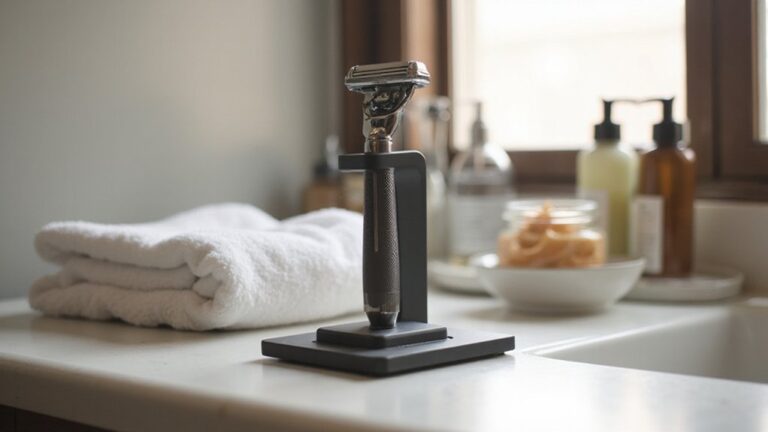
You don’t sweat more after shaving—your sweat glands produce identical volumes regardless of hair presence. However, you’ll notice increased wetness and odor because hair previously trapped moisture, slowing evaporation and creating bacterial colonies. Without pubic hair, sweat evaporates faster, reducing favorable conditions for odor-causing bacteria. While you experience temporary hygiene benefits lasting 3-5 days, stubble regrowth reverses these advantages. The duration and effectiveness of hair removal methods vary considerably, with waxing providing superior immediate results compared to shaving’s sustained 48-hour benefits.
Does Shaving Actually Reduce Sweat, or Is It Just a Myth?
While you might feel drier after shaving, the truth is more nuanced: shaving doesn’t actually reduce the volume of sweat your body produces. Your eccrine and apocrine glands operate independently of hair presence, responding to internal temperature triggers regardless of hair growth status.
What shaving genuinely accomplishes is altering how you perceive sweat. Hair traps moisture, prolonging the wet sensation on your skin. When you remove hair, sweat evaporates faster, creating the illusion of sweat reduction. This perception explains why many report feeling drier post-shave—not because less sweat is being produced, but because it dissipates more quickly. Just as clipper guard numbers determine how much hair remains after cutting, the amount of body hair you retain affects moisture retention and evaporation rates. For optimal results, using a foil shaver designed with quality blade materials and proper maintenance can ensure clean hair removal without skin irritation that might complicate sweat management. For optimal odor control alongside this faster evaporation, choosing the right antiperspirant is vital for managing both wetness and freshness throughout the day.
Understanding this distinction helps you set realistic expectations about sweat reduction through hair removal alone.

Skin Friendly Foil System: Dudes, meet your no-yank zone! These grooming beasts rock precision titanium blades with built-in smart sensing tech – bye-bye beard tugging. The floating head design? Lets your portable razor glide like butter on facial contours. Smooth operator status: unlocked
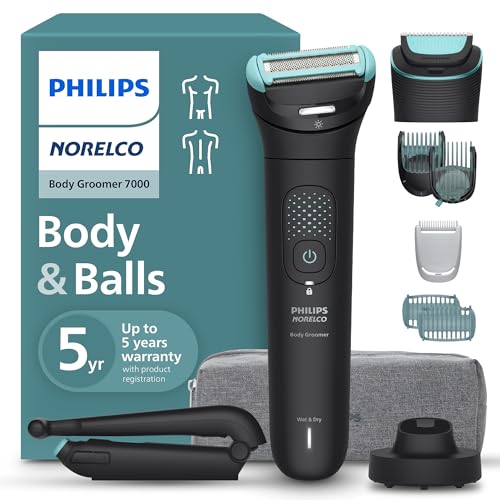
Dual Grooming Heads: 2D flexing shaver and trimmer support close, comfortable full-body grooming
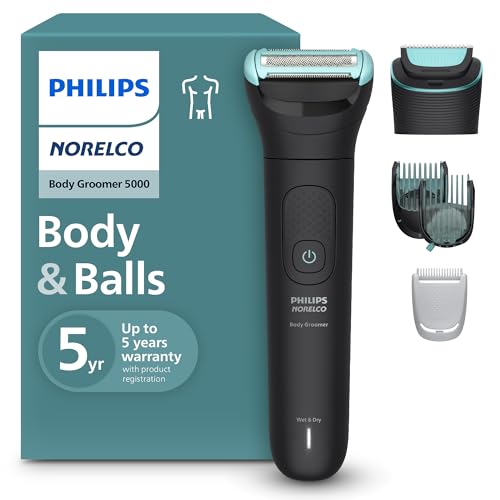
Dual Grooming Heads: Switch between full-body trimming and a close, skin-friendly shave
How Hair Traps Sweat and Heat in the Genital Area
Because hair’s porous structure acts like a sponge, it absorbs and retains sweat, oils, and bacteria in the genital region far more effectively than bare skin does. Your pubic hair channels apocrine secretions directly into follicles, where myoepithelial cells transport viscous sweat mixed with sebum to your skin’s surface. This hair moisture creates a warm, humid ecosystem that slows evaporation considerably.
The heat insulation your pubic hair provides traps warmth against your skin, intensifying moisture accumulation in skin folds. Dense hair catches descending sweat droplets, prolonging contact time and fostering bacterial proliferation. Bacteria like Staphylococcus hominis thrive in these moist conditions, breaking down sweat proteins into odorous thioalcohols. Weekly exfoliation can help remove dead skin cells that accumulate in these areas and contribute to bacterial growth. For those who prefer to remove pubic hair entirely, sensitive skin-safe tools like dedicated trimmers and razors can minimize irritation during the grooming process. Removing pubic hair entirely offers better infection control by eliminating hiding spots where pathogens can flourish. Fundamentally, your hair transforms the genital area into an environment optimized for both heat and moisture retention.

NO PULLING. NO PINCHING. NO CUTS. Gives a razor-smooth finish every time. Our skin-friendly electric shaver for women features precision ceramic blades with the fast-moving cutter trims hair at 100x per second, while R-shaped rounded tips and a protective guard ensure gentle contact with your skin—wrapped in soft, warm-touch silicone for a gentle, comforting feel. Whether you're using it as a intimate razor for women pubic hair or a facial hair remover for women, it's designed to leave zero irritation behind. Just smooth, happy skin from your face to below the belt.

OneBlade Technology: Fast-moving cutter (100x per second) powers through hair of any length; protector and rounded tips guard sensitive skin

DON'T SETTLE FOR SHAVE BUMPS AND INGROWNS. These razors have a patented Irritation Defense Bar for a smooth shave with blades that barely touch the skin
What Actually Changes in Sweat Production After Shaving?
Despite the previous discussion of hair’s role in moisture retention, shaving doesn’t actually alter how much sweat your body produces. Your sweat gland biology remains unchanged regardless of shaving techniques you employ. Studies confirm identical sweat secretion levels before and after hair removal, whether through shaving, waxing, or plucking.
What changes is perception. Hair removal accelerates sweat evaporation from your skin surface, creating the sensation of reduced perspiration. The hair that previously trapped moisture now absent, sweat disperses faster into the air. This improved evaporation leads to a feeling of freshness and comfort that many people report after hair removal. Just as shaving only cuts the hair shaft above the skin surface without affecting underlying biology, hair removal similarly leaves your body’s moisture production mechanisms completely unaffected. To maintain skin health after hair removal, exfoliating and moisturizing afterward helps prevent irritation and supports the skin’s natural barrier function.
Your eccrine and apocrine glands function independently of surface hair. They’re located in deeper skin layers, completely unaffected by any hair removal method. The volume your glands produce remains constant—only the rate at which moisture leaves your skin increases.
Shaving vs. Waxing vs. Clipping: Which Reduces Sweat Best?
How you remove body hair directly impacts odor control and skin hygiene, though the mechanism isn’t about sweat production itself. Waxing delivers superior immediate odor reduction at 75.3% compared to shaving‘s 57.3% because root removal allows better soap access to skin and follicles. Your shaving techniques achieve sustained benefits up to 48 hours with daily washing, making them practical for consistent hygiene without waxing discomfort. Clipping proves ineffective, yielding only 27.2% odor reduction—essentially matching unwashed skin. Waxing benefits extend beyond odor control; exfoliation reduces pore clogging and promotes collagen production, supporting longer-lasting freshness. However, waxing risks folliculitis and ingrown hairs. For seniors with limited dexterity or arthritis, choosing an appropriate electric shaver designed for ease of use can make daily grooming more manageable while maintaining hygiene standards. To minimize irritation while shaving, single-edge safety razors offer superior control and reduce the risk of razor bumps compared to cartridge alternatives. The dominant bacterial microbiota in male axillae, primarily Corynebacteria and Staphylococci, biotransforms odorless secretions into volatile compounds responsible for body odor formation. For daily hygiene optimization without irritation, shaving balances effectiveness with minimal skin disruption.

Essential electric shaver for women and girls is designed for shaving sensitive skin on legs

BI-DIRECTIONAL SHAVING TECHNOLOGY: Experience the “Queen Bee” of electric razors for women. Our unique triple-blade system allows you to smoothly shave both forward and back, cutting your grooming time in half for a closer, more efficient shave.

Complete with All Essential Accessories: This women's grooming kit comes with a full suite of professional accessories - including 3 specialized trimmer heads (hair, foil, facial), 2 adjustable hair guards, a cleaning brush and USB charging cable. Everything you need for precise head-to-toe hair removal is conveniently included in one box.
Why Bacteria and Odor Decrease When You Remove Pubic Hair
When you remove pubic hair, you’re eliminating the primary substrate where odor-causing bacteria thrive. Hair traps sweat, sebaceous oil, and moisture—conditions that allow bacterial colonies to flourish. Without this environment, bacterial diversity decreases considerably, reducing the microorganisms responsible for generating unpleasant odors.
Your body’s sweat glands secrete substances that bacteria metabolize, producing odor. Hair follicles normally wick these secretions away from your skin, creating ideal conditions for bacterial growth. Once you remove pubic hair, you disrupt this mechanism entirely. Hair removal also decreases the risk of pubic lice infestations that can thrive in dense pubic regions. Using specialized tools like body trimmers with protective features ensures safe and effective hair removal while minimizing skin irritation during the grooming process.
Research demonstrates that hair removal decreases bacterial strains while improving odor management outcomes. The absence of hair eliminates the natural barrier that protects bacteria from soap and hygiene practices. This dual effect—reduced bacterial habitat and enhanced cleansing—results in measurable odor reduction and improved bacterial control. Similar to how Data Monitoring Committees track safety outcomes in clinical studies, dermatological research employs rigorous quality control protocols to verify these hygiene-related findings.

2-IN-1 FACE AND BODY GROOMING: This bikini trimmer for women includes a body hair trimmer and face shaver. Use the body head for bikini line, pubic hair, legs and underarms, and the facial head for peach fuzz and quick touch-ups.

💖【5-in-1 Multi-Purpose Bikini Trimmer】This Bikini Trimmer for Women comes with five interchangeable heads, including a body shaver, facial shaver, nose hair trimmer and eyebrow trimmer. Perfect as an electric bikini trimmer for women, it handles precise hair removal on arms, legs, bikini line, face, and other areas with ease.

NO BURNS. NO BUMPS. NO BS: Forget the fear of nicks. Our ceramic blade trims just above the skin—no irritation, no redness, no razor burn, and no ingrown hair. It’s smooth sailing from top to below the belt.
Better Airflow on Shaved Skin and How It Matters
Beyond odor reduction, removing body hair creates measurable aerodynamic advantages that affect both athletic performance and physiological efficiency. When you shave, you eliminate terminal hairs that create turbulence in airflow across your skin. This smoother surface promotes laminar airflow rather than chaotic disruption, reducing your drag coefficient markedly. Wind tunnel testing demonstrates that shaved legs save 1.5–2.29 watts at cycling speeds of 30–45 km/h compared to hairy equivalents. The airflow benefits extend beyond speed gains. Post-shave, swimmers and cyclists experience reduced lactate accumulation—up to 28% lower—indicating improved mechanical efficiency. Your skin smoothness directly correlates with consistent low-drag performance across dynamic movement. For precise grooming of sensitive areas, choosing equipment with rounded blades for safety helps maintain skin integrity while achieving the smooth surface needed for these aerodynamic benefits. To maintain optimal shaving results, it’s important to keep your clippers well-maintained through regular blade cleaning and proper disinfection to ensure precise, irritation-free shaves. Consistent shaving before races ensures sustained aerodynamic gains that compound over competitive seasons. For competitive athletes, these physiological advantages translate into tangible performance improvements and faster speeds.
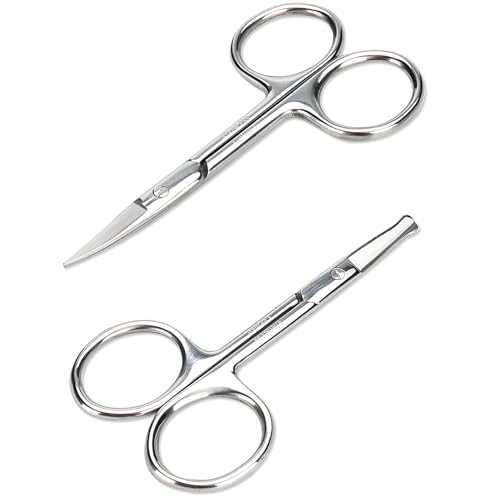
Professional Design - Best choice for body beard nose facial ear eyebrows eyelashes moustache mustache hair cuticle bikini baby nail trimmer. Hair scissors set are essential for men or women.

Please Noted: Only sell 6 PCs of replacement blades in one set,clipper body is not included!

X SOFT SKIN SAFE BLADE — Deep tooth DLC-coated cutting blade designed for precision lineups, beard shaping, and skin fades. Zero-gapped T-blade delivers crisp, clean lines on all hair types while staying gentle on sensitive skin
Easier Hygiene and Comfort After Shaving
While shaving eliminates hair’s protective barrier, it simultaneously reduces the friction and microbial accumulation that characterize ungroomed skin. You’ll find that grooming versatility allows you to customize your approach—whether maintaining minimal coverage or complete removal—based on your comfort level and skin sensitivity.
Groomed areas facilitate easier cleaning, preventing odor and dead skin buildup. Since pubic hair naturally traps sweat, oil, and bacteria, removal shifts responsibility to manual rinsing. You should shower before and after shaving, using clean tools to maintain hygiene. Using gentle cleansing products like MenKair Nutz Wash during your post-shave routine helps reduce irritation while maintaining the hygiene benefits of your grooming choice. For precise and safe grooming, consider investing in specialized tools like ceramic blade trimmers designed specifically for sensitive body areas. Electric razors like the Meridian Below-the-Belt Trimmer are specifically engineered to prevent skin catching and irritation during intimate grooming.
Post-shave irritation responds well to warm wet washcloth massage, applied daily to affected areas. This technique manages discomfort while hairs regrow over several weeks. By adopting careful practices—shaving in hair growth direction and disinfecting tools afterward—you minimize infection risk and optimize comfort during daily activities and intimacy.
How Long Sweat and Odor Benefits Actually Last?
The hygiene advantages you’ll experience from shaving don’t persist indefinitely; they’re temporary benefits that deteriorate as hair regrows over days to weeks. Your sweat duration improvements last approximately 3-5 days post-shave, as reduced hair means less moisture trapping initially. Odor persistence decreases noticeably for 2-4 days while your skin remains hairless, since fewer follicles trap bacteria-laden sweat.
However, these benefits fade predictably. Stubble reformation within days allows moisture and bacteria reaccumulation, reversing your odor control gains. Without maintenance shaving every few days, you’ll experience renewed sweat trapping and bacterial growth within a week. Coarser hair can intensify these issues by trapping additional heat and moisture.
Extending these effects requires supplementary strategies: talcum powders absorb moisture daily, while cotton underwear wicks sweat throughout wear duration. For sustained hygiene, regular maintenance with proper grooming tools ensures your razor remains effective for frequent shaving. For those frequently traveling or seeking portability in their grooming routine, compact electric shavers offer convenient maintenance options to sustain these hygiene benefits on the go. Combining shaving with these methods maintains superior hygiene longer than shaving alone.